Wednesday, April 1, 2026
Home Blog Page 2143

Education doesn’t just mean memorizing facts and figures

0

In the vast landscapes of Africa, where challenges and opportunities coalesce, one undeniable truth emerges: education stands as the beacon of hope and the key to breaking the shackles of poverty. This holds particularly true for the resilient nation of Ethiopia, where education is not just a pathway to success; it is the cornerstone upon which the future of individuals and the nation itself rests.

In the heart of Ethiopia, education has the power to transcend generations of hardship. It is not merely about acquiring knowledge; it is a catalyst for social change, economic progress, and personal empowerment. A well-rounded education equips individuals with the tools necessary to navigate the complexities of the modern world, fostering critical thinking, creativity, and adaptability.

As we probe into the transformative impact of education, it’s crucial to acknowledge its multi-faceted nature. Education doesn’t just mean memorizing facts and figures; it is about instilling values, nurturing skills, and fostering a deep-seated sense of curiosity. In Ethiopia, where the tapestry of culture and history is rich and diverse, education becomes the bridge between the past and the future.

For many in Africa, including Ethiopia, poverty has been an enduring adversary. Yet, in the face of adversity, education emerges as a formidable ally. It provides a gateway out of the cycle of poverty, offering individuals the chance to chart their destinies with purpose and determination.

Education is a leveller, erasing the disparities that economic conditions often impose. In Ethiopia, where rural and urban divides persist, education becomes the great equalizer, offering opportunities to those who might otherwise be left on the fringes of progress. It opens doors to employment, entrepreneurship, and a brighter future, providing the tools needed to transform dreams into reality.

While education lays the foundation, hard work becomes the cornerstone of success. In the context of Ethiopia and Africa at large, the importance of a diligent work ethic cannot be overstated. It is the fuel that propels individuals forward, turning aspirations into achievements.

Hard work, when coupled with education, creates a synergy that propels individuals beyond the confines of their circumstances. It transforms challenges into stepping stones and setbacks into lessons. In Ethiopia, the ethos of hard work is deeply embedded in the fabric of society, intertwining with the educational journey to create a narrative of resilience and triumph.

Education in Ethiopia is not merely an individual pursuit; it is a communal endeavor that uplifts entire communities. As individuals rise through the ranks of knowledge and skill acquisition, they become beacons of inspiration for those around them. Education becomes a catalyst for community development, fostering a collective spirit of progress.

Communities equipped with education are better prepared to tackle the myriad challenges they face. From healthcare to sustainable agriculture, educated communities in Ethiopia are empowered to make informed decisions, driving positive change from within.

One of the primary challenges is the lack of access to education, particularly in rural and remote areas where schools are scarce, and children must travel long distances to attend classes. Additionally, poverty remains a significant barrier, as many families struggle to afford basic necessities, let alone school fees and supplies.

Furthermore, the quality of education is often compromised due to inadequate resources, overcrowded classrooms, and a shortage of qualified teachers. This leads to a lack of essential skills among students, limiting their opportunities for personal and professional growth.

Gender disparity is another pressing issue, with girls facing barriers to education such as early marriage, household responsibilities, and cultural norms that prioritize boys’ education. Addressing gender inequality in education is crucial for achieving sustainable development and empowering women and girls to contribute fully to society.

Despite these challenges, there is growing recognition of the transformative power of education in driving socio-economic development and fostering peace and stability. Investing in education not only improves individual livelihoods but also strengthens communities and nations as a whole.

Efforts to overcome these challenges require collaboration among government, civil society, and the private sector to ensure inclusive and equitable access to quality education for all. This includes investing in teacher training, expanding school infrastructure, and implementing policies that prioritize marginalized groups, including girls and children with disabilities.

By addressing the challenges that persist in the education sector, Ethiopia and Africa can unlock the full potential of their people and build a brighter future characterized by prosperity, innovation, and social cohesion. Education is not only a fundamental human right but also a catalyst for positive change, paving the way for a more prosperous and equitable society for generations to come.

In conclusion, the transformative power of education in Africa, particularly in Ethiopia, cannot be overstated. It serves as a beacon of hope, a gateway out of poverty, and a catalyst for personal and communal empowerment. When coupled with the indomitable spirit of hard work, education becomes the compass guiding individuals and communities towards a future filled with possibilities.
African Diplomats trained to navigate AfCFTA implementation challenges

0

By our staff reporter

In a bid to harness the potential benefits and address looming challenges of the African Continental Free Trade Area (AfCFTA) agreement, African diplomats received intensive training aimed at enhancing their capacity to facilitate the agreement’s effective implementation.

The AfCFTA agreement, which has garnered approval from 47 countries including Ethiopia in their council, with 54 regional countries affirming their commitment through signed agreements, carries significant promise and challenges for the continent.

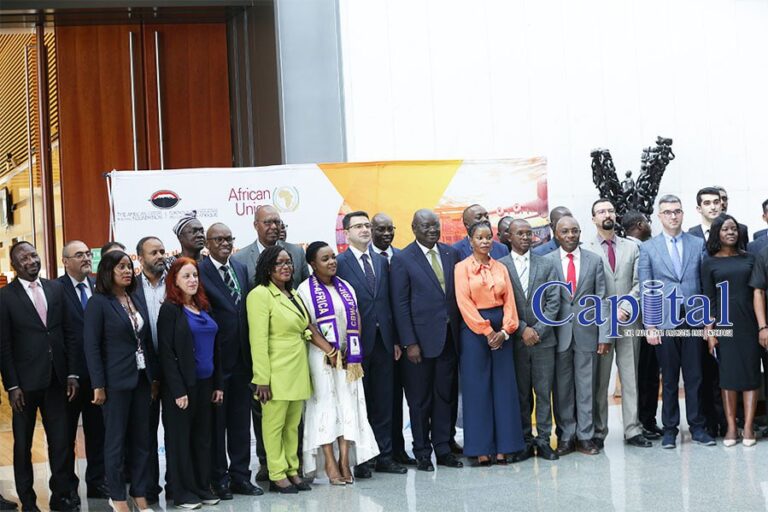
Following the conclusion of the 37th African Union Summit, leaders from diverse African nations convened for a two-day forum focused on capacity building and training regarding the nature and advantages of the AfCFTA. The forum prioritized accelerating the implementation of the African Continental Free Trade Zone, recognizing its pivotal role in deepening economic integration across the continent.

The African Capacity Building Foundation (ACBF), in collaboration with the Economic Development, Trade, Tourism, Industry, and Minerals department of the African Union, organized the training session, targeting accredited ambassadors and diplomats. The objective was to enhance their understanding of the AfCFTA and equip them with the necessary knowledge and skills to drive its implementation effectively.

The AfCFTA aims to establish a single market for goods and services, facilitated by the free movement of people, with the overarching goal of fostering economic integration throughout Africa. By removing trade barriers, promoting regional integration, diversifying economies, and attracting investments, the agreement seeks to unlock the continent’s full economic potential.

Acknowledging the imperative of decisive action for effective implementation, the Assembly of Heads of State and Government of the African Union declared 2023 as the “Year for Acceleration of AfCFTA Implementation.” The initiative underscores the need to address trade barriers, foster regional cooperation, diversify economies, and attract investments to realize the agreement’s transformative potential fully.

However, concerns have been raised by manufacturing industries regarding potential market disruptions and increased competition from foreign businesses. These concerns highlight the need for proactive measures to ensure local industries remain competitive and consumers benefit from enhanced product quality and affordability.

The AfCFTA targets a market of 1.2 billion people with a cumulative Gross Domestic Product (GDP) of US$2.5 trillion, positioning Africa as the world’s largest trade zone. If fully activated, the agreement is projected to increase intra-African trade by 60% by 2034, lifting millions out of poverty and driving sustainable economic growth across the continent.

26th ACITF opens at Addis Ababa Exhibition Center with low turnout

0

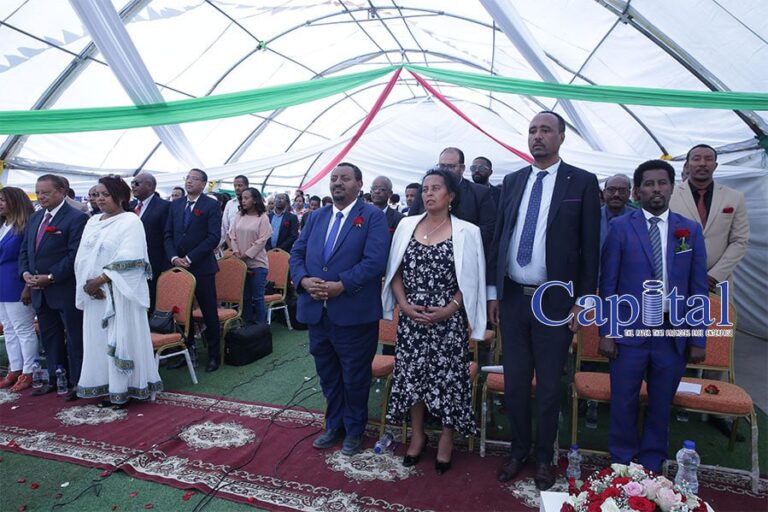
The 26th Addis Chamber International Trade Fair (26th ACITF) commenced at the Addis Ababa Exhibition and Development Center, under the theme “Spurring Development through Innovation,” gathering business communities, exhibitors, visitors, diplomatic corps, government representatives, and invited guests.

However, concerns arose over the lower-than-expected turnout, with fewer participants compared to previous years. It was anticipated that over 60 domestic and foreign businessmen from the manufacturing and technology sectors would attend the trade bazaar.

Addressing the opening ceremony, Mesenbet Shenkute, President of Addis Ababa Chamber of Commerce & Sectoral Association, acknowledged the subdued participation, attributing it to prevailing peace challenges both domestically and internationally. She expressed optimism, stating, “This is expected, and the numbers will increase when conditions stabilize.”

The New Chamber Trade Fair, an annual event, saw the presence of local and foreign businessmen engaged in diverse fields. Shenkute emphasized the government’s emphasis on new technology infrastructure projects, highlighting their significant positive impact on business growth.

Running from February 22 to 26, 2024, the 26th ACITF marks the second trade show of the year, aiming to foster innovation-driven development and economic growth within the region.

FSS commemorates 50th anniversary of the 1966 revolution in Ethiopia

0

By Eyasu Zekarias

In Ethiopia, the month of February holds significant historical resonance, particularly as it marks the 50th anniversary of the 1966 revolution, a pivotal event that reshaped the nation’s trajectory by dismantling the longstanding royal government of Emperor Haile Selassie.

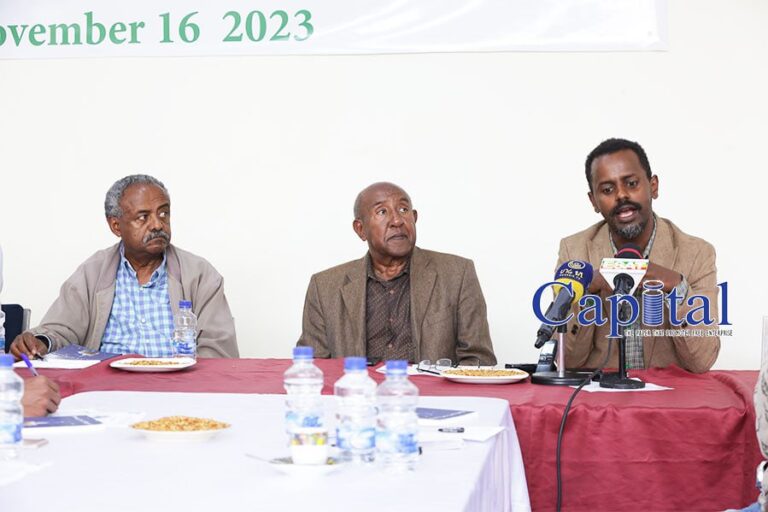
Preparations are underway to commemorate this milestone throughout the year, with the Forum for Social Studies (FSS) spearheading efforts to reflect on the revolution’s impact and legacy. Yeraswork Admase, Director of FSS, announced plans for a year-long series of discussions and research initiatives, inviting various segments of society, including students, workers, taxi drivers, and soldiers, to participate in reflections on the revolution’s significance and the ongoing challenges faced by Ethiopia.

The commemoration will span from February 2024 to February 2025, with a focus on key questions such as the evolution of Ethiopia’s societal goals over the past 50 years, the role of the student movement in driving change, and the relevance of the revolution’s demands in today’s context.

Dr. Yonas Ashine, a lecturer in political science and international relations at Addis Ababa University, emphasized the revolutionary aspirations of the 1966 movement, aiming to address issues of land ownership, social inequality, and economic disparity. The revolution sought to empower marginalized communities and challenge entrenched power structures, marking a significant chapter in Ethiopia’s history.

The 1966 revolution was catalyzed by widespread discontent fueled by hunger, economic hardship, and corruption, leading to a groundswell of resistance against the existing regime. The uprising, initiated by elements within the military, quickly garnered support from diverse sectors of society, including students, farmers, and labor unions, united in their demand for systemic change.

Historically, the December Uprising of 1953 had laid the groundwork for subsequent revolutionary movements, prompting the government to introduce reforms aimed at quelling dissent. However, persistent grievances related to land distribution and socioeconomic inequality continued to fuel popular unrest, culminating in the events of 1966.

As Ethiopia reflects on the legacy of the 1966 revolution, the nation grapples with ongoing challenges while seeking to honor the aspirations of past generations who fought for justice, equality, and a brighter future. The commemoration serves as a reminder of the enduring quest for social and political transformation, inspiring dialogue and reflection on Ethiopia’s journey towards progress and prosperity.