Thursday, October 1, 2026
Home Blog Page 237

Boeing and the Missing Voice in the Boardroom

0

Why worker representation is a strategic imperative, not a labor concession

Four Missing Bolts

On January 5, 2024, at 16,000 feet over Oregon, the fuselage of a brand-new Boeing 737 MAX 9 surrendered to physics. A door plug blew out into the night sky. The resulting explosive decompression did more than tear the clothes off a passenger — it ripped open yet another fault line in Boeing’s already fragile credibility. By sheer luck, no one was sitting in the seats adjacent to the gaping hole.

This was not a sophisticated software failure or a “black swan” event. It was a primitive manufacturing failure: an aircraft delivered to a customer with four critical retaining bolts missing.

Within days, the global fleet of 737 MAX 9s was grounded. Airlines canceled thousands of flights. Regulators froze production increases. Investigators confirmed what workers already suspected: the bolts were never installed. For Boeing, the costs mounted rapidly — halted deliveries, delayed certifications, furious customers, and renewed scrutiny of a company still reeling from the 737 MAX disasters that killed 346 people just years earlier. Market value fell by tens of billions of dollars. Trust, already fragile, eroded further.

But Boeing did have people who saw the risks coming.

What if the people who build the planes had a direct voice in the boardroom? What if engineers who raised concerns about safety systems before tragedy struck could escalate them to those with real decision-making authority? What if quality inspectors had an institutional channel to directors responsible for strategy, incentives, and risk — not just production targets?

This isn’t hypothetical. Board-level employee representation works in some of the world’s most competitive economies. It’s not a labor concession or government mandate. It’s a strategic imperative for resilience and value creation in complex environments where the gap between boardroom and factory floor can be measured in lives and billions in destroyed shareholder value.

Boeing’s crisis shows what happens when that voice is structurally absent.

The Boardroom that Couldn’t Hear the Factory Floor

Boeing’s recent history is a study in how governance blind spots can destroy value. Its crises are not just technical — they are cultural and structural, rooted in a boardroom that excluded the voices of those closest to the risks.

The 737 MAX disasters (2018–2019) were the first and most devastating signal. Two crashes — Lion Air Flight 610 and Ethiopian Airlines Flight 302 — claimed 346 lives. Investigations revealed that safety concerns had been flagged internally but never reached the board. Engineers and technical staff raised alarms about software behavior, training assumptions, and production pressures, but those warnings were diluted in layers of management.

One voice stands out. In 2018, Ed Pierson, a senior manager overseeing the 737 factory in Renton, emailed the head of the program warning that the rush to produce aircraft was creating dangerous conditions. “I know how dangerous even the smallest of defects can be to the safety of an airplane,” he wrote. “Frankly right now all my internal warning bells are going off. And for the first time in my life, I’m sorry to say that I’m hesitant about putting my family on a Boeing airplane.” Pierson formally warned leadership before both crashes about the unstable operating environment in the factory. His warnings were ignored. The frontline possessed the signal; governance lacked the conduit.

The contradiction was sharpened by Boeing’s own rhetoric. In August 2019, just months after the MAX was grounded, then‑CEO Dennis Muilenburg joined 180 peers in signing the Business Roundtable’s statement redefining the purpose of a corporation to serve “all stakeholders — customers, employees, suppliers, communities, and shareholders.” Yet no corresponding governance reform followed. Workers were recognized rhetorically but remained structurally excluded.

The pattern continued. In January 2024, a brand‑new 737 MAX 9 suffered a mid‑air door plug blowout, exposing primitive manufacturing defects. Regulators grounded the global fleet, airlines canceled thousands of flights, and Boeing’s market value fell by tens of billions. Once again, workers had seen flaws but lacked a structural channel to escalate them to the board.

This failure reflects a profound shift in engineering culture. Following the 1997 merger with McDonnell Douglas, Boeing transitioned from a company of “engineers who manage” to one of “managers who manage engineers.” Meanwhile, the company spent $43 billion on stock buybacks between 2013 and 2019 — artificially inflating share prices while factory floor conditions deteriorated.

Labor relations deteriorated in parallel. Boeing is one of the most unionized U.S. manufacturers, with about one‑third of employees represented by unions — most prominently the International Association of Machinists (IAM) and the Society of Professional Engineering Employees in Aerospace (SPEEA). In 2024, IAM organized Boeing’s largest strike in decades, halting production until workers secured a new four‑year contract with significant wage increases and benefit improvements. Yet despite this bargaining power, workers remain excluded from board‑level governance. The paradox is stark: unions can negotiate wages, but they cannot influence strategic decisions that determine the company’s future.

Boeing is now attempting a “war for quality” turnaround, including weekly 737 MAX factory shutdowns for meetings where workers can flag problems and suggest fixes. It is a cultural reset aimed at dismantling a toxic top‑down hierarchy. But these remain management initiatives — subject to the pressures of quarterly performance. They can be scaled back, deprioritized, or abandoned when financial targets tighten.

The governance imbalance is glaring. Out of twelve current directors (December 2025), only two bring deep aerospace manufacturing experience: CEO Robert K. Ortberg, formerly of Rockwell Collins, and independent director David L. Joyce, former head of GE Aviation. Boeing’s board refreshment continued in December 2025 with the addition of Bradley Tilden, former CEO of Alaska Air Group — ironically, the airline whose aircraft lost a door plug in January 2024. The expanded 12‑member board now includes an airline customer perspective, alongside expertise in finance, investment management, biotech, utilities, accounting, technology, complex manufacturing, and defense — but still offers no direct representation for the workers who build the aircraft.

This is not a criticism of individual director competence. It is an observation about institutional design. When capital allocation and strategic priorities are set by a board fluent in financial metrics but structurally disconnected from production realities, the organization optimizes for the language spoken in the room — and production speed and margin expansion speak louder than half‑finished door plug installations or factory floor chaos.

Frontline workers possessed the signal. Governance lacked a voting conduit. The board optimized for speed and financial metrics. Risks were mispriced. Organizational learning collapsed. Trust eroded. Talent pushed back. Value was destroyed.

When Workers Sit at the Table

If Boeing illustrates the cost of a missing voice, Siemens AG shows what happens when that voice is structurally embedded.

Siemens is one of Germany’s largest industrial companies, spanning energy systems, healthcare technology, industrial automation, and digital infrastructure. Like Boeing, it operates in safety‑critical, capital‑intensive businesses where quality failures carry outsized human, financial, and reputational consequences. It employs a highly skilled workforce, manages long product lifecycles, and must continuously balance innovation, cost discipline, and operational reliability.

The difference lies in governance design. Siemens operates under Germany’s codetermination system. Its 20‑member supervisory board is evenly split: ten shareholder representatives and ten employee representatives, elected through works councils and unions. These employee directors are not symbolic. They include senior workforce leaders with deep operational experience — often drawn directly from factories and engineering organizations — who participate fully in strategic oversight, capital allocation decisions, major restructurings, and executive appointments.

The benefits are tangible. Long‑term innovation commitment has been sustained because workforce buy‑in stabilizes investment decisions. Siemens has consistently invested in R&D and digital transformation, knowing that employees are part of the strategic consensus rather than adversaries to be managed. Resilience through crisis was evident during COVID‑19 and subsequent supply chain disruptions, when board‑level worker insights helped adapt operations and maintain productivity. Cultural cohesion has been strengthened by the presence of employee representatives, fostering trust, transparency, and shared purpose — critical assets in volatile, uncertain, complex, and ambiguous (VUCA) conditions. And workforce transformation has been smoother: Siemens’ pivot toward digital industries and smart infrastructure was accelerated by early and ongoing worker involvement in strategic decisions, reducing resistance and aligning skills with new business models.

This isn’t socialism. It is pragmatic governance design for environments where the gap between boardroom assumptions and operational reality can destroy billions in value before anyone with voting power notices.

The contrast with Boeing is instructive. Both companies faced crises. One had a governance structure designed to hear warnings from the factory floor. The other did not.

Two Boardrooms, Two Realities

The contrast between Boeing and Siemens is not simply a matter of national culture; it is a clinical trial of two governance models under pressure. One relies on managerial discretion to filter operational risk; the other institutionalizes a voting conduit for it.

At Boeing, frontline signals were repeatedly silenced. Warnings were diluted through management layers or dismissed because they conflicted with production targets. Without a board‑level mechanism to escalate these life‑critical concerns, directors remained blind until 346 people had died. At Siemens, employee board representatives provide a direct escalation path. Signals from the factory floor are not treated as “suggestions” to be managed, but as part of strategic oversight — triggering early intervention before a defect becomes a disaster.

This structural divergence is most visible in capital allocation. Between 2013 and 2019, Boeing’s board, dominated by financiers and cross‑sector CEOs, authorized $43 billion in stock buybacks while production quality and engineering rigor declined. At Siemens, profit‑sharing and a long‑term innovation mandate are structurally protected because those who understand technical risks have a seat at the table.

The human and financial outcomes are dramatic. Boeing’s adversarial labor relations culminated in a punishing eight‑week strike in 2024, a breakdown reflecting years of eroded trust and toxic top‑down culture. Siemens, by contrast, has navigated global crises through negotiated “employment pacts”. During the 2008 crash and the COVID‑19 pandemic, this collaborative model facilitated shared sacrifice and temporary wage adjustments in exchange for job guarantees — preserving the technical capabilities that underpin Siemens’ global competitiveness.

Ultimately, Boeing’s board composition created a culture where financial metrics and production speed dominated because that was the only language spoken in the room. Siemens demonstrates that when workers sit at the table, strategic coherence, quality focus, and adaptability are not policy choices — they are structural guarantees.

The Strategic Case for Worker Voice at the Top

Board‑level employee representation is not a concession to labor politics, but a structural advantage. It reshapes the flow of information, improves the quality of decisions, and strengthens organizational resilience under pressure.

Information flow. Workers possess operational intelligence that management layers often filter, distort, or suppress — particularly when it conflicts with financial targets or executive incentives. Quality inspectors see defect patterns. Engineers identify design risks. Machinists know when production speeds exceed safe capacity. Conventional governance treats this knowledge as “noise” unless it escalates through hierarchies designed to mute dissent. Board‑level representation creates a direct conduit, closing the gap between operational reality and strategic oversight. At Boeing, Ed Pierson’s warnings never reached voting directors. At Siemens, such warnings reach the supervisory board by design.

The trust dividend for transformation. In an era defined by disruptive change, success depends on winning the willing participation of the workforce. When workers share in governance decisions — including difficult ones like temporary wage cuts or facility closures — they are more likely to accept the rationale and comply with implementation. They see financial constraints firsthand rather than hearing management’s filtered interpretation. This transparency reduces mistrust and the transaction costs of enforcing unpopular decisions. Siemens’ employment pacts during the 2008 crisis and COVID‑19 succeeded because workers trusted the necessity; Boeing’s 2024 strike reflected the opposite.

Long‑term investment. Unlike equity holders who can liquidate positions in seconds, employees invest decades in a company. Their “human capital” is illiquid, making them the stakeholder group most naturally aligned with the firm’s multi‑decadal survival. This alignment fosters ownership and long‑term commitment, incentivizing the development of highly specialized skills — an essential asset for high‑integrity sectors like aerospace or digital infrastructure.

The strategic benefits are clear: board‑level employee representation improves risk detection, strengthens motivation, facilitates transformation, and builds trust. The lesson is simple: when workers sit at the table, organizations see further, decide wiser, and endure longer.

A Governance Pilot for Boeing — and for America

America does not need to import the German model wholesale. But it must embrace its core principle: structured, empowered worker insight at the highest level is a competitive advantage.

Boeing’s board should act now. The company is attempting a “quality transformation” through management initiatives that can be deprioritized when quarterly pressures mount. What’s missing is structural permanence — a governance mechanism that cannot be silenced when it becomes inconvenient.

The solution is straightforward: authorize a three-year pilot program adding two employee directors to Boeing’s board.

  • One seat elected by Boeing’s 57,000 union members (IAM and SPEEA jointly nominating candidates)
  • One seat elected by all non-union Boeing employees
  • Full voting rights on all matters, identical to other directors
  • Standard director compensation
  • Protected status: Cannot be terminated or retaliated against for board service; two-year protection period after board term ends
  • Quarterly workforce briefings: Employee directors report to the workforce on strategic discussions, major decisions, and concerns they’ve raised

Eligibility: Current Boeing employees with minimum five years’ tenure and deep operational experience — engineers, quality inspectors, machinists, technical staff who understand how aircraft are actually built.

Would this solve everything? No. But it would create what Boeing desperately lacks: an institutional mechanism for frontline intelligence to reach strategic decision-makers before catastrophe strikes.

Boeing doesn’t need federal legislation. The board could vote tomorrow to implement this pilot. If successful, expand it. If other companies see value, they’ll follow. That’s how governance innovation spreads — through competitive advantage, not mandate.

Board-level employee representation is not a labor concession or government overreach. It is a governance innovation proven across decades in Europe’s most competitive economies to reduce blind spots, build trust, enable transformation, and create long-term value in volatile, complex environments.

The next crisis will not wait. The question is whether boards will continue flying blind — or finally give workers a seat at the table. Employee directors are not there to protect jobs. They are there to protect companies from themselves.

If Boeing pilots this model, it will not only safeguard its future — it could redefine American corporate governance, proving that resilience and competitiveness are built not by silencing the factory floor but by institutionalizing its voice at the very top.


Name: Netsanet Zekarias

0

2. Education: (የ/ት ደረጃ)

    10+2

3. Company name: (የመስሪያ ቤቱ ስም)

Edil Epoxy

4. Title: (የስራ ድርሻህ)

Manager

5. Founded in: (መቼ ተመሰረተ)

    2022

6. What it does: (ምንድነው የሚሰራው)

Producing various items

7. Headquarters: (ዋና መስሪያ ቤት)

    Tulu Dimtu, Addis Ababa

8. Start-up capital: (በምን ያህል ገንዘብ ስራዉን ጀመርሽ/ክ)

     50,000 birr

9. Current capital: (የአሁን ካፒታል )

    Growing

10. Number of employees:(የሰራተኞች ቁጥር)

    3

11. Reason for starting the business: (ለስራው መጀመር ምክንያት)

To meet the demand for creative work

12. Biggest perk of ownership: (የባለቤትነት ጥቅም)

The freedom to directly transform personal creative ideas into work

13. Biggest strength: (ጥንካሬህ/ሽ)

The ability to create new designs

14. Biggest challenge: (ተግዳሮት)

Shortages of raw material supply

15. Plan: (እቅድ)

To increase production capacity and distribute our products nationwide

16. First career path: (የመጀመሪያ ስራ)

None

17. Most interested in meeting: (ማግኘት የምትፈልጊ/ገው ሰው)

 Famous entrepreneurs who have achieved great success

18. Most admired person: (የምታደንቂ/ቀው ሰው)

None

19. Stress reducer: (ጭንቀትን የሚያቀልልሽ/ለህ)

Viewing new artworks and listening to spiritual songs

20. Favorite book: (የመፅሐፍ ምርጫ)

The Holy Bible

21. Favorite pastime: (ማድረግ የሚያስደስትህ)

Spending time with family and searching for new design ideas

22. Favorite destination to travel to: (ከኢትዮጵያ ውጪ መሄድ የምትፈልጊ/ገዉ ስፍራ)

Dubai

23. Favorite automobile: (የመኪና ምርጫ)

Any kind Pick-up

The Easter holiday amid fuel shortages: Sacrificing tomorrow for today’s meal

0

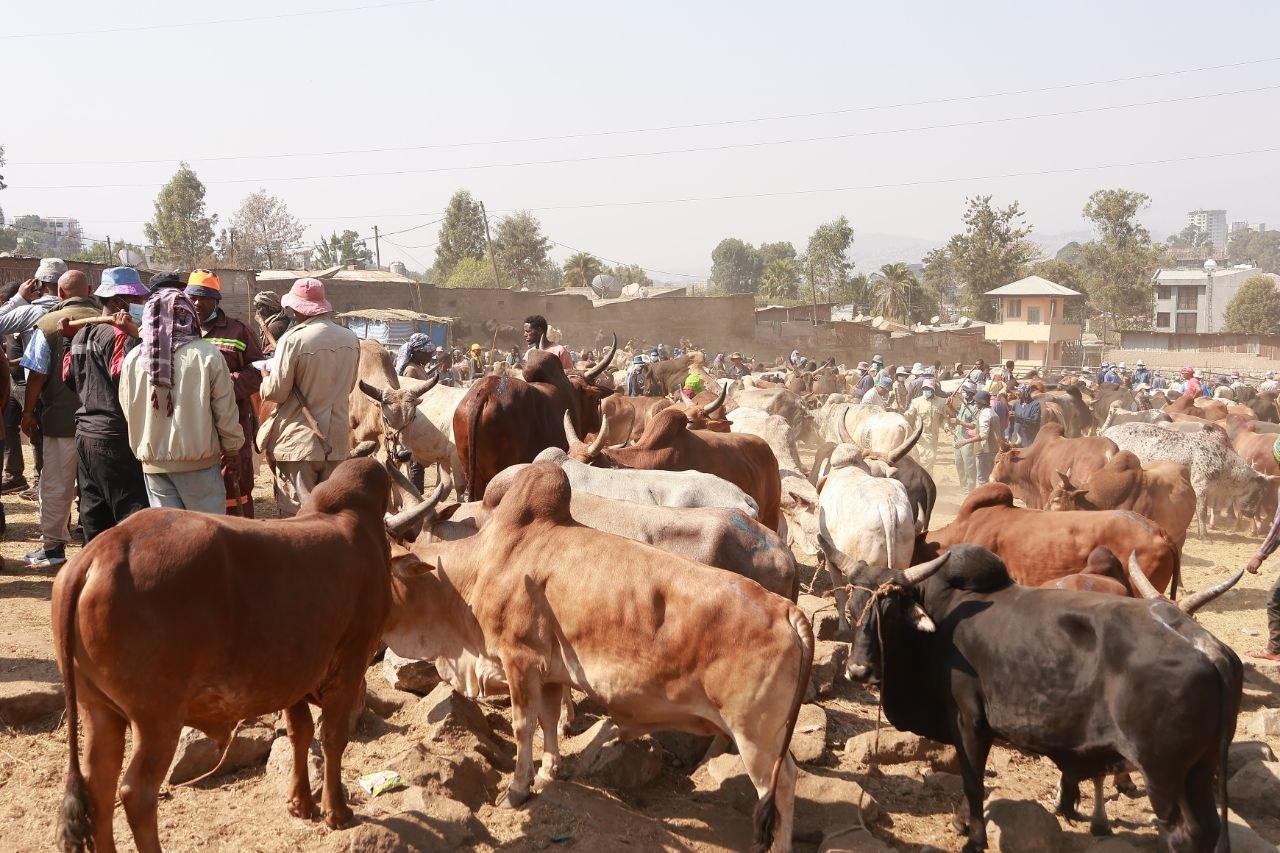
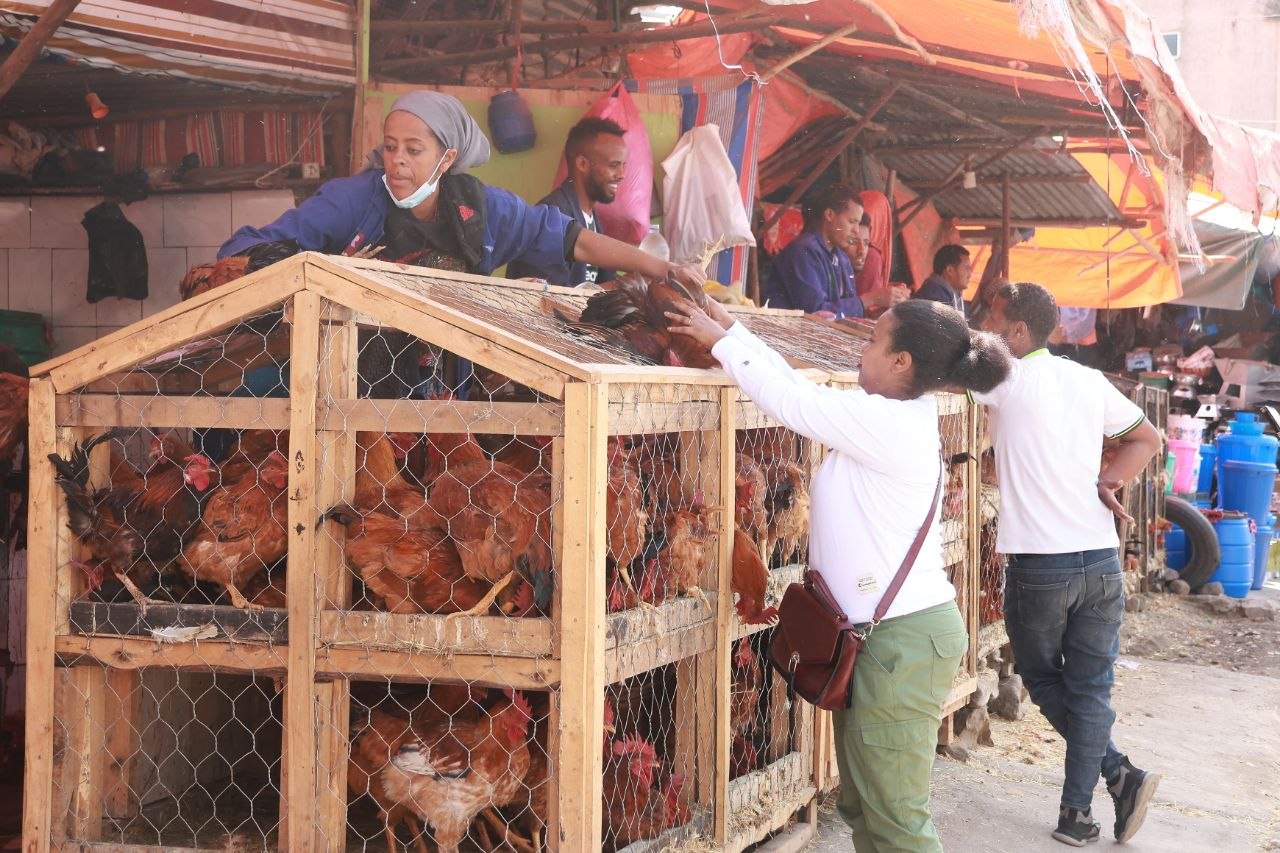
As the scent of Doro Wat (chicken stew) fills homes and the markets of Merkato, Akaki, and Shola buzz with holiday shoppers, this year’s Ethiopian Easter (Fasika) feels markedly different from past celebrations.

Although the faithful have completed the 55-day Great Lent and are preparing for the holiday, the high cost of living—driven by the global fuel crisis—forces many to spend their future savings on immediate needs.

Easter in Ethiopia is a significant occasion that strengthens social bonds beyond religious observances. The spiritual humility of Passion Week, following Palm Sunday, transforms into joy and feasting on Easter night. However, the April 2026 holiday faces challenges due to ongoing fuel supply disruptions linked to the closure of the Strait of Hormuz.

As Easter approaches, families in East Africa’s most populous nation confront a daunting choice. The fuel supply interruptions that began months ago due to the Strait’s closure have severely impacted Ethiopia’s transport and logistics sectors.

Though the root of the issue lies outside Ethiopia, its effects are felt at every dinner table. Under this shadow, this year’s holiday is celebrated not with current income or salaries, but by depleting savings meant for emergencies.

The World Bank’s March 2026 food price estimates indicate that inflation for basic food items remains volatile, directly affecting millions’ purchasing power. Transportation costs have more than tripled in regions from the fertile lands of Gojjam to the cattle-rearing areas of Borena, making it increasingly difficult to bring livestock, chickens, and spices to urban markets.

Minister of Trade Kasahun Gofe recently reported that the price of diesel has surged from $80 per barrel before the conflict to $230 per barrel, while the daily diesel supply has plummeted from 9.2 million liters to just 4.5 million liters.

Prices at Shola and Merkato markets reflect not merely holiday spikes but a “structural” shift in the cost of living.

Senior financial analyst Eyasu Teodros explained, “What we are witnessing is not just ordinary inflation, but a fundamental change in the price floor. Once transport costs are included in the price of chicken or butter, the likelihood of prices returning to previous levels is very slim, even if the supply issues are resolved.”

At the Akaki Kality market, Martha Belay embodies the economic strain. A civil servant and mother of three, she finds her salary insufficient for rent and her children’s transportation to school. To afford chicken and butter for this year’s Easter, she had to withdraw 15,000 Birr from savings earmarked for medical emergencies.

“I want my children to experience the holiday, but I am worried about how I will manage the financial strain that follows,” she said anxiously.

This situation unfolds as the government recently announced profits in the financial sector. In a February statement to Parliament, Prime Minister Abiy Ahmed noted that national savings had increased by more than 44% and deposits by 40%.

Experts caution that macroeconomic figures can be misleading for the average citizen. The majority of deposit growth is driven by institutions and investors, while 60% of low-income individuals are exhausting their savings just to cover basic needs.

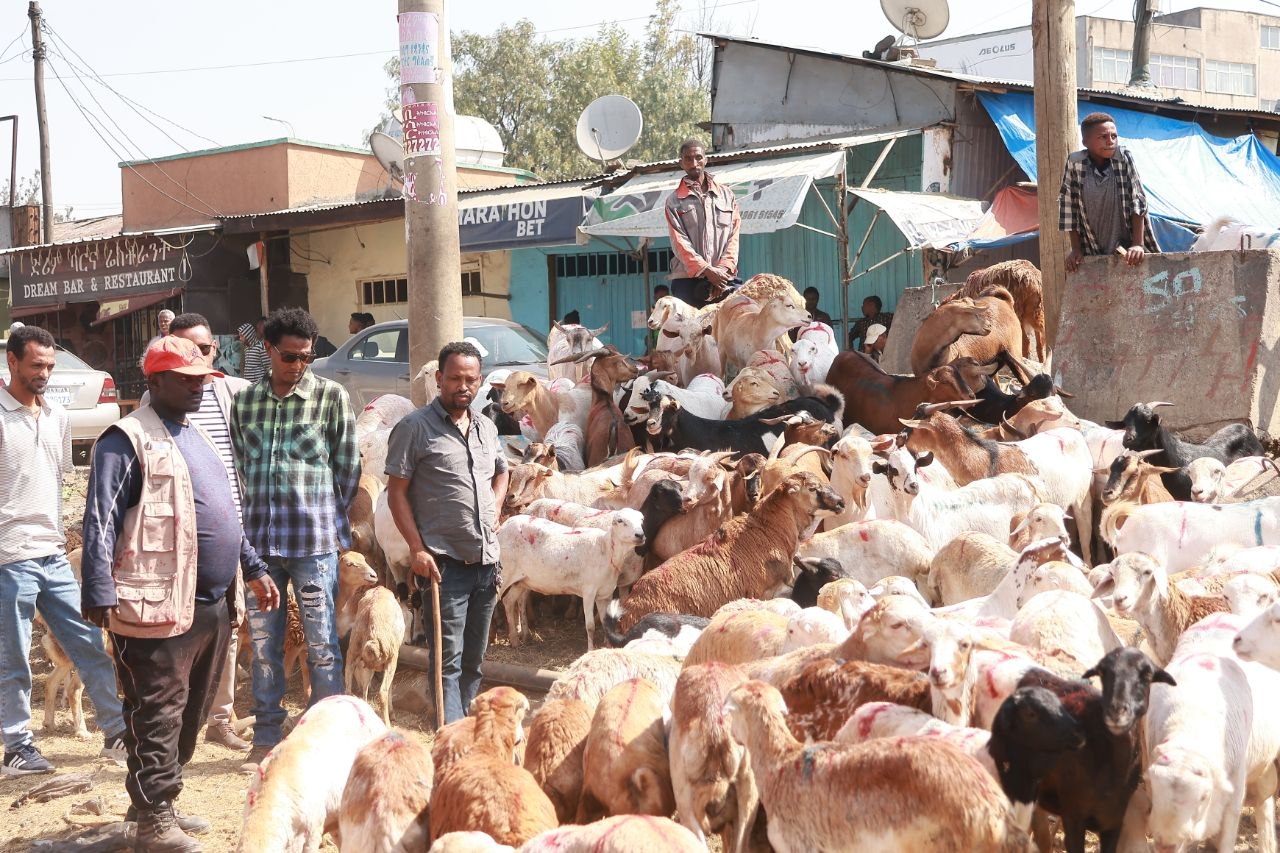
In the sheep section of Merkato, we encountered Abebe Kassahun, a pensioner. After inquiring about the price of a sheep, he fell into silent contemplation. He noted that medium-sized sheep are currently priced between 17,000 and 25,000 Birr.

“At my age, spending a holiday without a slaughter is a great sadness,” Abebe reflects, explaining that his pension barely covers the cost of a single kilogram of meat. He was only able to purchase a sheep this year using money sent by his son living abroad, which was originally earmarked for home repairs. “We are consuming what we saved for the future to satisfy our hunger today; this worries me,” he shares, highlighting the tension between present joy and future security.

For individuals like Tassew Tesfaye, a young taxi driver, the crisis has directly impacted his income. As a newlywed, Tassew spends most of his working hours waiting in fuel lines. He explained to the ‘Africa News Agency’ that the sound of an empty fuel pump nozzle signifies a wasted day.

To afford holiday expenses, Tassew had to dip into his matured “Equb” (traditional savings). Although he had intended that money for changing his taxi’s tires, the cultural obligation to gather and feast with family took precedence.

“I have no choice; gathering and eating with family is our tradition, but my work future is uncertain,” he admits.

Capital has learned from consumers that citizens are compelled to use funds meant for business investment for immediate holiday consumption. This shift is casting a shadow on the sustainability of the financial sector, with experts noting a significant liquidity shortage among banks.

Following the U.S. and Israeli attacks on Iran at the end of February, the subsequent conflict has led to the closure of the Strait of Hormuz.

For landlocked Ethiopia, which imports over 95% of its fuel through the Gulf of Aden, rerouting cargo ships around South Africa’s Cape of Good Hope has dramatically increased supply chain distances.

“Easter is a deeply ingrained cultural value—families celebrate the holiday despite financial pressures,” says an expert. However, the source of holiday funds has shifted. The fuel shortage has driven transport and food prices sky-high, forcing families to deplete their emergency savings.

This trend poses a systemic risk to the banking sector. Although the National Bank reports that the Non-Performing Loan (NPL) ratio has stabilized at 3.1%, relying on savings for consumption is not sustainable. If deposit levels continue to fall, banks will lack the capital needed for loans.

The financial sector also faces challenges related to informal lending. When regular income fails to cover living costs, many turn to private lenders for quick relief. “This is not a case of irresponsible borrowing,” the expert explains. “It stems from cash flow pressures.”

The real danger is that families may repeatedly fall into debt to repay previous loans. If the formal financial system does not implement flexible, short-term loan options, customers may resort to the “black market” or informal lending systems.

Although price stability is anticipated after the holiday, experts cautions that this “partial price change” may become permanent. Since fuel prices impact the entire supply chain from exporter to retailer, prices could remain elevated even if supply issues are resolved. According to data from the Ethiopia Statistics Service (ESS), general inflation for March 2026 was recorded at 9.4%.

The ESS indicates that food inflation is the primary driver of the overall cost of living. Non-alcoholic beverages and coffee experienced a significant price increase of 37.7%. Additionally, meat prices rose by 14.7% annually, while milk, cheese, and eggs increased by 14.0%. Edible oils and fats saw a rise of 12.4%.

The current disruption is also revealing structural failures within the economy. Despite a high wheat harvest expected to reach 7 million metric tons, bread prices remain high. The fuel shortage has led to increased transport costs from farms to markets, and a lack of foreign exchange for flour mill maintenance has created a bottleneck.

Financial experts assert that to stabilize the market, banks must extend their role beyond traditional functions. They should provide targeted liquidity support for wholesalers and retailers to ensure that goods reach consumers despite the disrupted supply chain.

Minister of Trade and Regional Integration Kasahun Gofe emphasized earlier this week that “using the fuel price hike related to the current instability in the Middle East as an excuse to implement illegal price increases on products—whether related to fuel or not—is completely unacceptable.”

He further clarified that there is currently no shortage of agricultural products or other basic commodities that would justify a price increase. Reports indicate that over 2,100 weekend markets have been organized across Ethiopia, directly connecting consumers with suppliers.

Djibouti’s Presidential Election 2026: A vote of confidence in three decades of transformation

0

Djibouti City, Djibouti

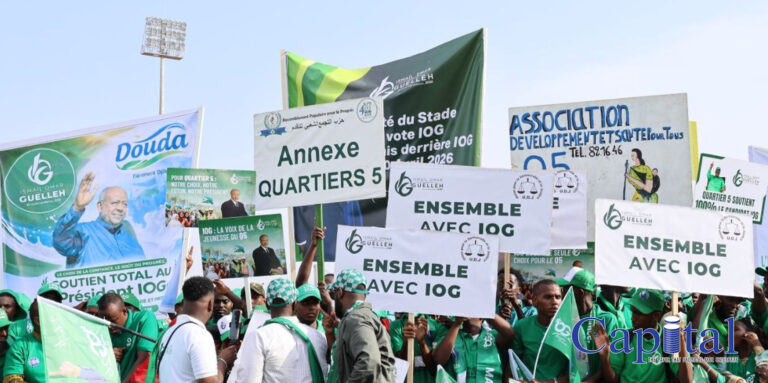
On Friday, April 10, 2026, voters in Djibouti, a small nation in the Horn of Africa, participated in a presidential election that many observers consider a referendum on nearly thirty years of rapid economic and infrastructural change under the long-standing leadership of Ismail Omar Guelleh.

With around 250,000 registered voters out of a population exceeding one million, this election represents another milestone for a country that has largely defied the turbulent reputation of its region, establishing itself as a beacon of stability, strategic diplomacy, and growing economic influence.

A Legacy of Peace in a Restive Region

Since gaining independence from France on June 27, 1977, Djibouti has charted a unique course in the Horn of Africa, a region often marked by conflict, instability, and political turmoil.

In this context, Djibouti has maintained relatively peaceful democratic practices throughout its nearly fifty years of sovereignty. While critics have occasionally voiced concerns regarding political freedoms and the competitiveness of elections, the country has consistently held regular assembly and presidential elections since its independence.

Djibouti’s increasing soft power and regional significance are largely due to its strategic location at the southern entrance to the Red Sea and the Gulf of Aden, key shipping lanes in global trade.

The modern port facilities, the presence of foreign military bases from various global powers, and the active participation of its citizens on the international stage have all elevated Djibouti’s global profile, especially under President Guelleh, who has been in power since 1999.

Transforming an Economy: From a Single Old Port to a Maritime Powerhouse

When Ismail Omar Guelleh took office, Djibouti’s economic infrastructure was basic at best. The nation had only one small, aging port in its capital, which served as the main maritime entry point for landlocked Ethiopia—a burgeoning market of over 130 million people. This single facility suffered from congestion, inadequate oil handling capabilities, and serious environmental hazards due to oil company operations in the densely populated urban area.

However, over the past two decades, the Guelleh administration has overseen a remarkable infrastructure transformation. The construction of the Horizon Oil Port marked a pivotal moment, ending the era of insufficient oil handling and eliminating the hazardous environmental conditions associated with the old city-center port.

Subsequently, an exclusive deep-sea container terminal underwent a major expansion last year, now capable of accommodating the world’s largest vessels.

The transformation continued with the operationalization of ports in Tadjoura and Gobet, along with the state-of-the-art multipurpose Doraleh facility, which has enhanced capacity since 2017. Collectively, these projects have repositioned Djibouti as a dominant maritime hub for East Africa and beyond.

Free Trade, Industry, and the Great Horn Investment Holding

In addition to port infrastructure, Djibouti has made significant advancements in trade and industrial development. The opening of the Djibouti International Free Trade Zone (DIFTZ) stands out as one of the most notable successes of the Guelleh era. Today, the zone is home to over 500 companies from more than 56 countries, producing high-end export goods for Ethiopia, the region, and markets as distant as North America.

The expansion of marine businesses in Djibouti, including vessel refueling services, the establishment of a national shipping company, and the revival of Air Djibouti, has complemented the country’s economic growth. Among the most strategically significant achievements of the current administration is the formation of the Great Horn Investment Holding (GHIH), a sovereign entity aimed at transforming Djibouti into a major economic hub for East Africa.

Another visionary initiative is the Damerjog Industrial Development Free Trade Zone (DDID FTZ), which focuses on heavy industries such as oil, gas, ship repair, and livestock processing. This industrial free zone highlights the forward-thinking approach of the president and his economic team.

Djibouti’s leadership has also prioritized enhancing physical and social connectivity with its large neighbor, Ethiopia. The construction of two modern asphalt roads through Dewale and Belho, along with the ambitious Galafi network connecting to Ethiopia, has significantly strengthened the economic and social ties between the two nations. These road projects complement the electric railway line that became operational around eight years ago, marking the first modern rail link in the region in decades.

A notable example of cross-border cooperation is Djibouti’s access to tap water sourced from Adi Gala in Ethiopia, facilitated by a water pipeline agreement. Additionally, the electric interconnection between the two countries exemplifies the pragmatic, results-oriented diplomacy that has defined Guelleh’s foreign policy. Collectively, these projects symbolize social and diplomatic successes that have improved the daily lives of ordinary Djiboutians while deepening interdependence with Ethiopia.

International financial institutions have recognized Djibouti’s progress. The International Monetary Fund (IMF) and the World Bank have acknowledged the development achievements of the Red Sea nation over the past two decades, particularly the government’s efforts to combat poverty and unemployment through key social and economic development programs.

According to various official documents and international reports, Djibouti’s gross domestic product has reached approximately $4.5 billion, representing nearly a tenfold increase over the past thirty years.

This remarkable growth trajectory has set the stage for even larger projects on the horizon, including the nearly completed Damerjog Oil Terminal and other major initiatives slated for inauguration soon.

The 2026 Presidential Election: Candidates and Stakes

Against this backdrop of rapid transformation, Djibouti held its latest presidential election on Friday, April 10, 2026. In the lead-up to election day, Capital conducted extensive interviews with a diverse group of citizens, from first-time young voters to the elderly who have witnessed the nation’s entire post-independence history. While some expressed concerns about the limited number of candidates and the absence of certain opposition figures, nearly all acknowledged the tangible successes the country has achieved over the past two decades.

The incumbent president, 78-year-old Ismail Omar Guelleh, ran under the banner of the ruling Union for the Presidential Majority (UPM). His sole challenger was Mohamed Farah Samatar of the Unified Democratic Centre (UDC), who actively campaigned in the Tadjourah and Obock regions, rallying support with the slogan “another Djibouti is possible.”

It is important to note that several opposition groups chose to boycott the election, a decision that has garnered both domestic and international attention. Despite the boycott, the National Independent Electoral Commission (CENI) confirmed that approximately 250,000 citizens had registered to vote—a significant figure for a nation of one million people.

In a bid to enhance the credibility of its electoral process, the Djiboutian government has invited a significant number of international observers to monitor the upcoming presidential election. Earlier this week, the Ministry of Foreign Affairs and International Cooperation announced the deployment of 67 observers across the country.

These observer missions have been invited from four prominent international organizations: the African Union (AU), the Intergovernmental Authority on Development (IGAD), the League of Arab States, and the Organization of Islamic Cooperation (OIC).

The African Union mission, consisting of 47 observers, is led by former Rwandan Prime Minister Bernard Makuza. This team includes members from sixteen AU member states, such as ambassadors accredited to the African Union in Addis Ababa, representatives from African election management bodies, civil society organizations, and youth groups. The AU stated that its mission will engage with key national stakeholders, including government authorities, election management bodies, political parties, candidates, civil society organizations, and other relevant actors. The AU observation team is scheduled to release its preliminary statement on Sunday, April 12, 2026, at 10:30 a.m. at the Djibouti Palace Kempinski Hotel, where it will present initial findings and recommendations aimed at enhancing democratic governance, transparency, and the rule of law in electoral processes across the continent.

Meanwhile, the IGAD Election Observation Mission (IGAD EOM), led by former Ethiopian President Mulatu Teshome, consists of 17 short-term observers from Ethiopia, Kenya, Somalia, South Sudan, and Uganda. These observers represent national election management bodies, civil society organizations, and youth groups, and have been deployed across all regions of Djibouti to monitor election-day procedures, including the opening and closing of polls, voting, and the counting of ballots at polling stations.

The IGAD mission has indicated that its assessment will be based on Djibouti’s domestic legal framework governing elections, the IGAD Draft Protocol on Democracy, Governance and Elections, the African Charter on Democracy, Elections and Governance (ACDEG), and the International Declaration of Principles for International Election Observation. The team is actively engaging with Djiboutian state authorities, including the Ministry of Interior, CENI, political parties, media, civil society organizations, diplomatic representatives in Djibouti, and other election observation missions.

Looking Ahead

As Djibouti awaits the official results of the April 10 election, the nation finds itself at a pivotal moment. Supporters of President Guelleh view the past 27 years as a time of remarkable progress—transforming a decrepit port into a network of world-class maritime facilities, transitioning from economic isolation to a thriving free trade zone with hundreds of international companies, and achieving nearly tenfold GDP growth from a state of poverty. In contrast, critics and opposition figures see this election as an opportunity to advocate for greater political pluralism and a more democratic environment.

Regardless of the outcome, Djibouti’s peaceful conduct of yet another presidential election, observed by numerous international monitors, strengthens its reputation as a rare bastion of stability in the often tumultuous Horn of Africa. The future trajectory of the country now lies in the hands of its quarter-million registered voters and the integrity of the electoral process they have just completed.

Results of the election had not been announced at the time of print.