A customized physical therapy program can help individuals return to their prior level of functioning, and encourage activities and lifestyle changes that can help prevent further injury and improve overall health and well-being. Primary care doctors often refer patients to physical therapy at the first sign of a problem, since it is considered a conservative approach to managing problems. As is often quoted, “In rehabilitation there is no elevator, you have to take every step meaning one step at a time.”
In light of this, Droga Physiotherapy Specialty Clinic was established in 2015, in Addis Ababa, driven by the slogan, “Pain free mobility.” Over the past half a decade, the clinic has been a recovery haven for many patients who have seen visible changes in their well-being. Capital caught up with Nebiyou Tesfaye, an Expert physiotherapist who manages the two branches for Droga for insights in the rehabilitation space which is relatively new for the Ethiopian scene. Excerpts;
Capital: Can you tell us about your organization?
Nebiyou Tesfaye: Droga Physiotherapy Specialty Clinic was established in 2015 in Addis Ababa by a group of health care professionals, who have an interest in developing the scientific back ground of physiotherapy in Ethiopia.
We are one of; if not the biggest physiotherapy clinics in the country with a staff of seasoned experts in physiotherapy with clinics equipped with advanced physiotherapy equipment.
Our physiotherapy clinic is staffed with a highly qualified and dedicated staff whose expertise stem from years of excellence in the health sector.
Currently, the clinic is serving the community with its two branches located in Addis Ababa with our former location being behind Immigration Office which is now is at 4kilo while the other one is around Bole near Japan Embassy. It is also worth noting that our services are affordable and are for all ages.
Capital: What is physiotherapy? How would you describe the development of this sector in Ethiopia?
Nebiyou Tesfaye: Physical therapy is concerned with identifying and maximizing the quality of life. The modern era of the Physiotherapy profession is thought to have begun in Europe toward the end of the nineteenth century. The early origins of physical therapy practice began in hospital-based settings to address the rehabilitation needs resulting from World War I causalities.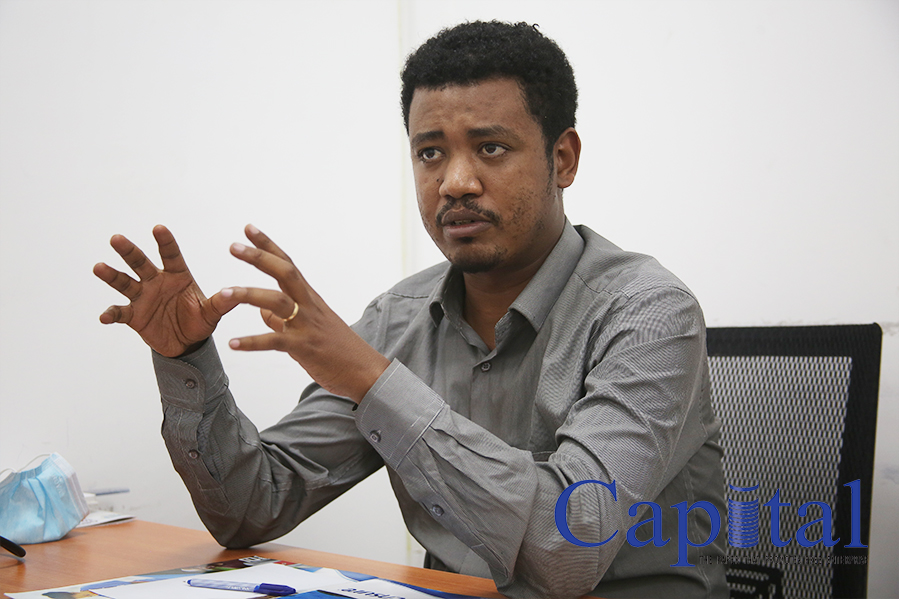
Physiotherapy in nutshell is a science-based profession and takes a ‘whole person’ approach to health and wellbeing, which includes the patient’s general lifestyle. At the core is the patient’s involvement in their own care, through education, awareness, empowerment and participation in their treatment. The profession helps to encourage development and facilitate recovery, enabling people to stay in work while helping them to remain independent for as long as possible.
Physiotherapy helps with back pain or sudden injury, managing long-term medical condition, and in preparing for childbirth or a sporting event. Physiotherapy is a degree-based healthcare profession. The physiotherapists use their knowledge and skills to improve a range of conditions associated with different systems of the body,
The Physiotherapy profession in Ethiopia is relatively new when compared to the history of the profession in other countries and thus here there is a lack of overt public and government support for the physical therapists, possibly due to a limited understanding.
Capital: What kind of treatments do you have in your clinic?
Nebiyou Tesfaye: We have different treatments for our patients based on their injuries which include physical therapies ranging from: Pediatric, neurological, geriatric, orthopedic and rehabilitation, vestibular rehabilitation, cardiovascular/pulmonary, and women health related issues such as incontinence and pelvic organ prolapse.
Capital: What are the challenges that this sector is facing in Ethiopia?
Nebiyou Tesfaye: Owing to the fact that the sector is still fairly new to the country, there are a couple of challenges that comes with this practice. Atop these challenges are: No formal continuous professional development (CPD) scheme in place thus far, limitation on the public awareness, professionals dependency syndrome, discouraging working environment and lack of medical equipment for the quality care. Moreover, private businesses are taking advantage of the profession at the expense of the practice and most importantly lack of evidence-based practice.
As I earlier cited, there is a lack of overt public and government support for the physical therapists, possibly due to a limited understanding of this relatively new Ethiopian profession. If you couple this with the shortage of qualified local PT faculty, it limits the ability to sustain the academic programs without international support. In addition, local faculties may not be fully qualified for academic roles as they often receive little to no formal training in teaching pedagogy, nor advanced PT skill sets for optimal integration.
It is perceived that some of those assigned to PT programs would prefer to seek opportunities in other health professions, which of course affects the sustainability of quality physiotherapy in the country.
The growth and development of individual practitioners and the profession as a whole is limited by this void.
Capital: What should be done to develop the sector? What kind of support is being provided by government to develop the sector?
Nebiyou Tesfaye: Currently, there have been changes on the sector through time. Most of the modern hospitals have their own physiotherapy department.
However, despite the provision of the practice in various hospitals, there ought to be a harmonized support and corporation are so as to transform the physiotherapy practice and to tackle the challenges faced by the Ethiopian physiotherapists in this resource limited country where physiotherapy medical service is still in high demand.
The government is not giving any support to the sector or actors in the sector like us, and this I believe should change through necessary policy changes. Moreover, since the Ministry of Health recently changed its motto from only prevention to prevention and treatment, for the effectiveness of this slogan, I certainly believe that in one way or the other we should be part and parcel for the effectiveness of the development of the sector since we play a crucial role in the recovery process.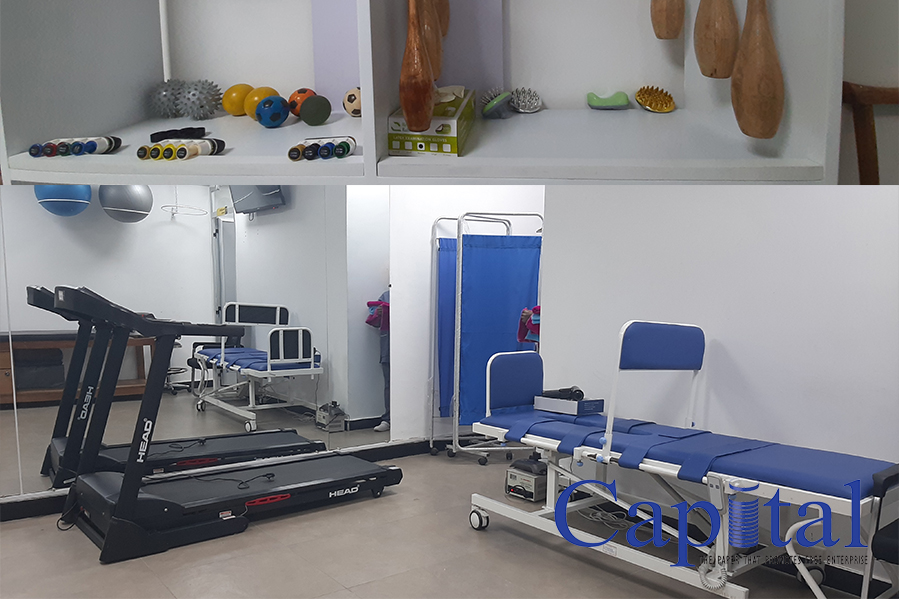
Capital: Who are your target customers? Do you have a physiotherapy department specifically dedicated for children?
Nebiyou Tesfaye: Physiotherapists help people affected by injury, illness or disability through movement and exercise, manual therapy, education and advice. They maintain health for people of all ages, helping patients to manage pain and prevent disease. You can benefit from physiotherapy at any time in your life.
With regards to having our own specific physiotherapy for children, I would say we are close to finalizing a program which will cater to these needs specifically. What we ought to understand is that when we narrow it down to helping children with physiotherapy, it is visible that there is quite a difference to that of helping adults, from an anatomical, physiological and psychological point of view. At our physiotherapy for kids which is soon to launch in our clinics, we believe that to treat children effectively, all these issues need to be considered.
Physiotherapist offers early intervention for children who may have neurological and developmental delays as well as sensory impairments related to hearing, vision and some other impairment which require additional expert knowledge and experience of child development and childhood disabilities. So in these regard we are organizing a group of expertise from different backgrounds to start this specific department which will start giving treatment soon.
Capital: What initiatives is your clinic undertaking for corporate social responsibility?
Nebiyou Tesfaye: From the establishment of our company, we strongly believed in giving back to the community. Despite not being a not for profit organization or a company with huge profits margins, we have undertaken various initiatives to provide services to benefit our society. We have also been trying to provide from time to time physiotherapy treatments to those in urgent needs but without the financial capacity.
Owing to the current situation of the country, many of our soldiers have been casualties of the war and require special attention. On our end, we have been designing a new project which will see us provide the much needed physiotherapy treatments for free to our war heroes. Similarly, the government has also expressed its desire to hire physiotherapists to support our soldiers and we are willing to rise to the call when that happens.
Capital: What are future plans?
Nebiyou Tesfaye: We are striving to increase the number of branches in the capital and regional cities.
In the near future, we have plans to increase the number of branches to four from the existing two right now. Additional to this, we are on the way to build a big rehab center and we are on dew process to request land from the city administration.