Saturday, October 3, 2026
Home Blog Page 313

WASH or Perpetual Crisis? AU Leaders Call for Bold Shift to End Polio and Waterborne Diseases

0

The fight against polio, cholera, and Neglected Tropical Diseases (NTDs) in Africa risks becoming a perpetual crisis unless the continent dramatically scales up sustainable Water, Sanitation, and Hygiene (WASH) infrastructure.

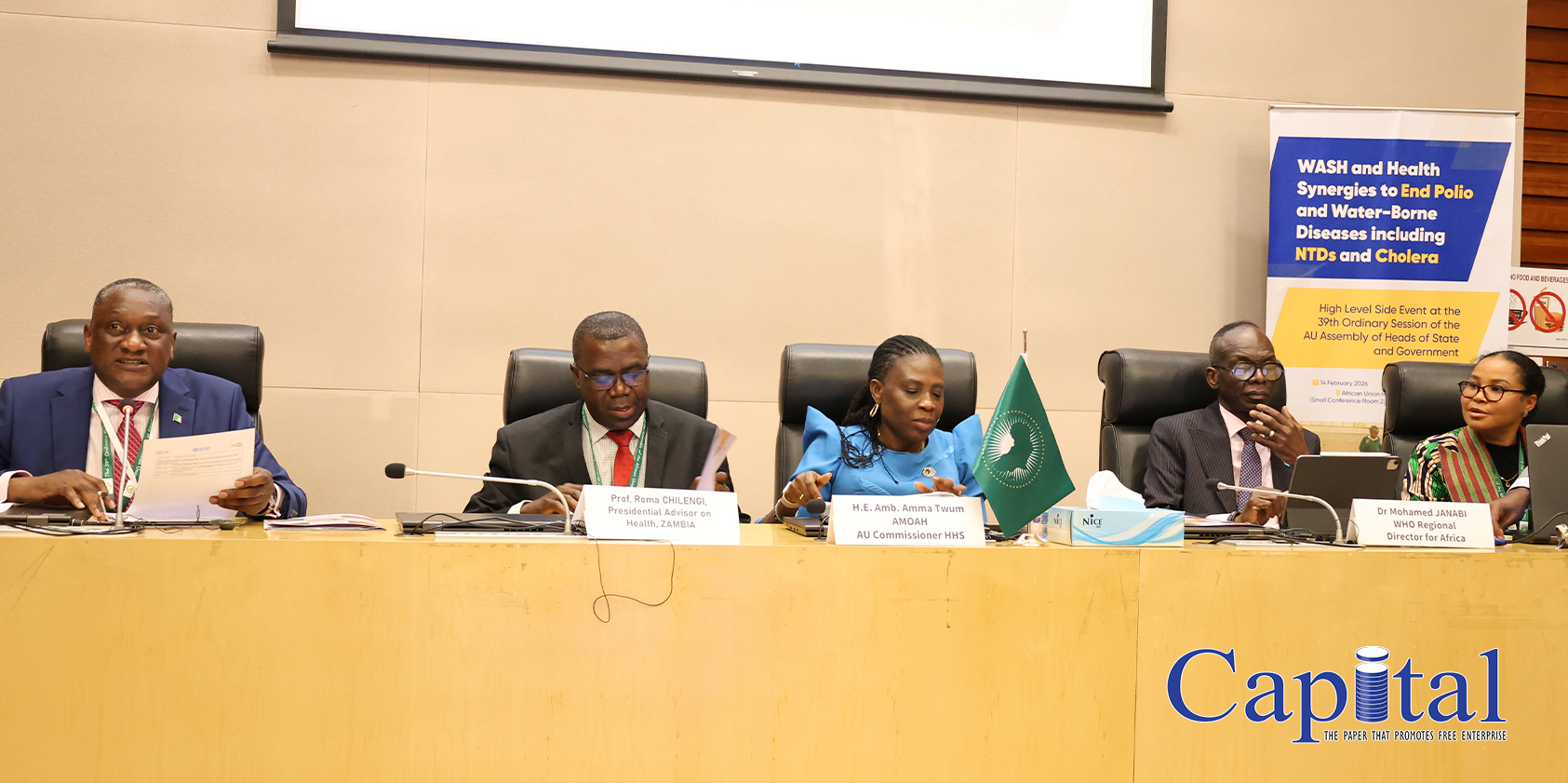
That was the stark warning from global health leaders and policymakers who gathered on the sidelines of the 39th African Union (AU) Summit. The high-level forum called for a decisive shift from fragmented, disease-specific responses toward an integrated strategy linking water, sanitation, and health systems to permanently eradicate polio and other waterborne diseases.

Held on February 14, 2026, under the theme “WASH and Health Synergies to End Polio and Water-Borne Diseases, including NTDs and Cholera,” the meeting was convened by the World Health Organization Regional Office for Africa and the African Union Commissioner for Health, Humanitarian Affairs, and Social Development, in collaboration with the governments of Nigeria and Zambia.

Participants stressed that while vaccines and medicines are lifesaving, they are not enough. In communities where unsafe water and poor sanitation persist, disease transmission continues unabated. Experts noted that up to 80 percent of NTDs could be prevented through access to clean water and reliable sanitation.

Carol Karutu, Vice President of Programs at the END Fund, criticized the overreliance on periodic Mass Drug Administration (MDA).

“If we solve unsafe water, poor sanitation, and lack of hygiene, we will solve 70 to 80 percent of Neglected Tropical Diseases,” Karutu said. Of the 21 known NTDs, at least 15 are directly linked to water and sanitation conditions.

“Preventive medicines quickly reduce the disease burden,” she added. “But without WASH improvements and behavioral change, reinfection happens almost immediately. We treat, and the cycle begins again.”

Alison Parker, Regional Director for UNICEF Eastern and Southern Africa, reinforced the call for prevention-first strategies, emphasizing that infrastructure must go hand in hand with education and behavior change.

“Vaccines save lives, but safe water and good hygiene prevent disease,” Parker said. “Without sustainable WASH systems, outbreaks will keep returning.”

She highlighted the importance of hygiene advocacy and learning, particularly in schools and communities. “Hygiene education must start early and be sustained,” she noted. “When children learn proper handwashing and sanitation practices, they become ambassadors for change in their homes and communities. Investment in hygiene promotion is an investment in lifelong health.”

“No child should fall sick because they lack clean water,” Parker added. “WASH is not just a health intervention—it is a child protection and equity issue.”

Recent data shows that safely managed water and sanitation services could have saved 1.4 million lives globally in a single year. In Africa—home to roughly 40 percent of the global NTD burden—the absence of clean water continues to fuel disease transmission.

Although Africa has been certified free of wild poliovirus since 2020, new variant strains detected in 2025, alongside recurring cholera, typhoid, and other NTD outbreaks, continue to strain fragile health systems.

Cholera remains a major concern. The case fatality rate rose to 2.0 percent in 2025, with Africa accounting for 80 percent of global deaths. Diseases such as bilharzia (schistosomiasis) continue to impose significant health and economic costs, particularly on women and children, due to inadequate sanitation facilities and widespread open defecation.

Despite these challenges, responses to outbreaks remain largely reactive, focused on short-term emergency aid rather than long-term investments in water infrastructure, sanitation systems, and robust disease surveillance.

The forum also served as a strategic launchpad for the African Union’s declaration of 2026 as the Year of Ensuring Sustainable Water Supply and Reliable Sanitation Systems. Member states were urged to treat the designation not as symbolic, but as a turning point for mobilizing financing and accelerating structural reforms.

For decades, polio eradication, cholera control, and NTD programs have operated in silos, each with separate funding streams and logistics. Thoko Elphick-Pooley, Deputy Director for Advocacy and Communications (Africa Offices) at the Bill & Melinda Gates Foundation, argued that integration is now imperative, citing the Global Polio Eradication Initiative as a model.

“Integration is not an option; it is a necessity,” she said. “Polio is found in the most challenging, hard-to-reach places. Community health workers are risking their lives to reach these communities. If those systems can reach the most remote areas, we must use them to deliver other essential health services as a single, integrated package.”
Africa requires an estimated $30 billion annually to achieve Sustainable Development Goal 6—clean water and sanitation for all—by 2030. Yet the returns are substantial: every dollar invested in water and sanitation is projected to generate seven dollars in increased productivity and reduced healthcare costs.

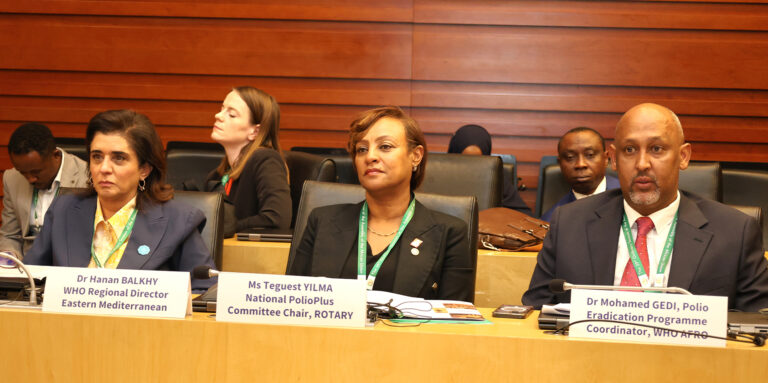
Teguest Yilma, Chair of Rotary National PolioPlus Committee Ethiopia, said the science, data, and technology to solve these challenges already exist. What is missing, she argued, is sustained political commitment.

“Success demands more than policy declarations,” Teguest stressed. “It requires political courage, sustained investment, and cross-sector collaboration.”

“Polio may be close to eradication, but its final defeat—and the control of cholera and other water-borne diseases—depends on our collective commitment to integrated solutions. No child should be left behind. Now is the time for action.”

Dr. Hanan Balkhy, WHO Regional Director for the Eastern Mediterranean, warned that pathogens recognize no borders, conflict lines, or political divisions.

“We must protect water and health facilities, especially in conflict zones,” Balkhy urged, noting that in some fragile settings, access to reliable sanitation remains as low as 8 percent.

The message from the AU forum was unmistakable: without bold investment in water, sanitation, and hygiene—paired with sustained hygiene advocacy and community learning—Africa risks fighting the same diseases year after year. Sustainable WASH investment is not optional; it is the foundation of resilient health systems and the protection of every child’s right to survive and thrive. With it, the continent can not only eliminate polio and curb cholera and NTDs, but also build the human capital necessary to achieve the ambitions of Agenda 2063.
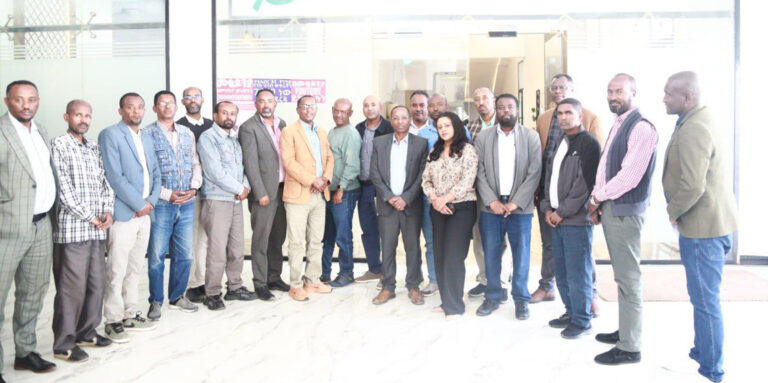

Ethiopia’s TVET Enrollment Plummets by 50% Amid Systemic Overhaul

0

​It has been confirmed that student enrollment in Ethiopia’s Technical and Vocational Education and Training (TVET) has decreased by more than 50% over the past three years.

This significant decline has sparked concerns, as it comes at a critical time when the country is striving to empower its youth workforce with industrial skills. Technical and Vocational Education and Training (TVET) Country Study Report confirmed that TVET enrollment, which stood at 478,910 in 2020/21, dropped to 213,663 in 2023/24.

Experts attribute this sharp decline to a “structural shift” in education policy—specifically the transition to recruiting trainees from Grade 12 instead of Grade 10—combined with a persistent societal stigma that views vocational training as a “second-rate” option.

The report indicates that the sector is at a “critical crossroads.” Unless it is modernized rapidly, the prospects for millions of young people entering the labor market could be dimmed.

It was noted that this report, which is part of the YES-PACT initiative in Ethiopia and was officially launched on February 12, 2026, was prepared through the collaboration of ACET and the Policy Studies Institute (PSI).

Adamnesh A. Bogale, Head of the Gender Equality Program at ACET, presented the report’s key findings, stating that the decline is a result of systemic transitions within education policy.

​Previously, TVET institutions accepted students who completed Grade 10; however, the new requirement mandates Grade 12 completion. While this move aims to improve the foundational knowledge and quality of trainees, it has created a temporary gap in vocational colleges.

​Furthermore, the deep-seated social perception of TVET as a destination only for those who fail to enter university persists. Another pressing concern is the mismatch between classroom instruction and the practical demands of modern employers.

Adamnesh emphasized that this is not merely an educational issue but a question of national economic competitiveness, urging that the sector be placed at the center of the national prosperity strategy.

Over the years, the government has introduced several reforms and frameworks, including Competency-Based Training (CBT), the National TVET Strategy, the National Qualifications Framework, the 70/30 training approach, apprenticeship programs, and the Certificate of Competence (CoC) system.

However, despite these efforts, it is acknowledged that numerous challenges still hinder the full implementation of competency-based or outcome-based training in Ethiopia.

​Amare Matebu, Lead Researcher and Head of IUPRC at PSI, stated that the national economy can only be grown by establishing a system based on market demand. He urged that research must move beyond being mere paper-based documents and be translated into action to bring about real change.

​The study, which involved various stakeholders, identified five fundamental obstacles facing the sector.

These obstacles include a shortage of trainers with up-to-date industrial experience, outdated training infrastructure that lags decades behind, inconsistent private sector engagement, a lack of financing for high-investment requirements, and the exclusion of digital skills—such as Artificial Intelligence (AI)—from the curriculum.

​As Ethiopia sets its sights on the Fourth Industrial Revolution (4IR), the report calls for a radical modernization of the TVET curriculum. While basic digital literacy exists, advanced fields such as AI, robotics, and green energy technologies are largely absent. Agro-processing, manufacturing, construction, and technology-enabled services have been identified as critical sectors for future growth.

​The strategy includes recommendations to involve the private sector in curriculum design, integrate digital and green skills, increase women’s participation, improve trainers’ salaries and career development, and encourage colleges to generate their own revenue.

​Specifically, the fields of construction, agro-processing, manufacturing, and tech-supported business sectors have been identified as vital for Ethiopia’s transformation.

​It was agreed that the government should act as a facilitator while the private sector takes on a role in co-shaping the workforce. Adamnesh described the report as a “strategic mirror” for change, emphasizing that the present moment is a critical time to reshape the TVET sector.

Ethiopia Ranks 119th in Global Network Readiness Index 2025

0

Ethiopia has been ranked 119th out of 127 countries in the 2025 edition of the Network Readiness Index (NRI), underscoring both its progress in digital infrastructure and the steep challenges it faces in governance, inclusion, and effective use of technology.

The Index, published by the Portulans Institute, assesses countries’ capacity to leverage digital technologies for economic growth, societal well-being, and sustainable development. Ethiopia, categorized as a low-income country, scored 27.52 points, placing it near the bottom of the global table but ahead of several African peers, including Mali, Burkina Faso, Mozambique, Madagascar, Angola, Mauritania, and Burundi.

Within its income group, Ethiopia ranks 4th among low-income economies, behind Rwanda, Uganda, and Malawi. This suggests that while the country is a laggard globally, it performs somewhat better when compared with nations facing similar economic constraints.

Across Africa, Mauritius (58th), South Africa (69th), and Kenya (77th) lead the continent on network readiness, with Rwanda (87th) highlighted as a low-income country that outperforms expectations relative to its GDP per capita. Ethiopia does not feature among these “outperformers,” instead remaining in the lower tier of regional rankings.

Despite its overall low position, the report identifies several areas where Ethiopia is building a base for digital transformation.

The country performs comparatively well in fixed broadband infrastructure, ranking 56th worldwide for fiber-to-the-home (FTTH) building internet subscriptions. It also records mid-range positions for international internet bandwidth (81st) and population covered by at least a 3G mobile network (74th), showing that basic connectivity is expanding.

In the Impact pillar’s economic dimension, Ethiopia ranks 62nd, supported by the size of its domestic market (54th) and a visible, though still modest, level of ICT services exports (85th). These indicators point to growing potential for the digital economy, even if this has yet to translate into broad-based benefits. ​

The report is sharply critical of Ethiopia’s performance in digital governance and inclusion.

Ethiopia ranks 124th in the Governance pillar, reflecting serious gaps in regulatory quality, digital trust, and institutional readiness. The country is also placed 124th for Inclusion, highlighting deep digital divides related to access, capacity, and participation.

E-participation—a measure of how governments use digital tools to engage citizens—is particularly weak, with Ethiopia ranked 124th in this area. The low ranking suggests that digital platforms are not yet being used effectively to support transparency, participation, or citizen-centered service delivery.

The People pillar also reveals a significant deficit. Individuals, businesses, and public institutions are not leveraging digital technologies at scale, and Ethiopia sits close to the bottom globally in people-related dimensions of network readiness.

On the broader social front, the NRI shows that Ethiopia’s digital progress has not yet translated into improved quality of life.

The country ranks 115th in the Impact pillar overall and 125th on indicators related to good health and well-being. This suggests that digital technologies are not yet being systematically harnessed to strengthen health systems, social services, or human development outcomes.

The report also notes a mixed picture in investment and equity-related indicators.

Ethiopia posts a relatively strong ranking in income inequality, at 29th globally, suggesting a narrower income gap than in many countries, even if overall income levels remain low. The Index further records positive signals in selected investment measures, including annual investment in telecommunication services and the scale of the public cloud computing market, where Ethiopia performs better than its overall rank might imply.

However, these advances are undermined by low digital adoption across firms and households, with businesses ranked far behind global leaders and individuals facing major barriers in access, skills, and meaningful use of technology.

Taken together, the 2025 Network Readiness Index portrays Ethiopia as a country at a digital crossroads: one that has started to lay essential infrastructure and enjoys a sizable domestic market, but remains constrained by weak governance, limited inclusion, and low human-capital utilization in the digital sphere.

Addis Ababa Summit Puts BRICS Alternatives and Africa–Asia Trade at Center of Economic DebateBy our staff reporter

0

As developing nations increasingly reassess their reliance on traditional Western financial frameworks, a high-level summit in Addis Ababa placed both the BRICS bloc and Africa–Asia trade relations at the heart of discussions on the continent’s economic future.

Held on the margins of the February summit of the African Union, the gathering brought together policymakers, business leaders and development experts to examine alternatives to Western-led financial models and explore new trade partnerships. The event was co-organized by the UN Sustainable Development Solutions Network and the Pan-African Chamber of Commerce and Industry.

Participants argued that the “conditionalities” attached to Western financial institutions—often centered on sharp tax increases, fiscal austerity and rapid market liberalization—have become increasingly unsustainable. Critics at the summit said such measures have frequently failed to generate inclusive growth in vulnerable economies, instead contributing to rising debt burdens and constrained industrial expansion.

Kebour Ghenna, Executive Director of the Pan-African Chamber of Commerce and Industry, noted that Africa has long operated under a “let the market decide” philosophy promoted by Western institutions. While deregulation and fiscal tightening were intended to spur efficiency and growth, he argued that the results have often fallen short of expectations for fragile economies.

In contrast, the emerging BRICS model was presented as an alternative approach that prioritizes infrastructure development, technology transfer, national sovereignty and South–South cooperation. Many participants described it as more closely aligned with Africa’s long-term development aspirations, though they acknowledged that the bloc’s financial architecture remains a work in progress.

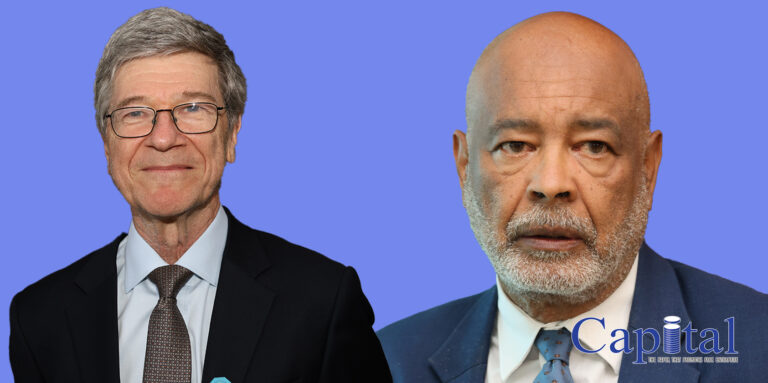
Jeffrey D. Sachs, professor at Columbia University and president of the UN Sustainable Development Solutions Network, struck an optimistic tone. “Africa’s era of rapid growth has arrived,” he said, outlining what he described as the continent’s next development phase.

According to Sachs, that future will rest on three pillars: the African Continental Free Trade Area, a large-scale shift to renewable energy, and expanded investment in science and education. If fully implemented, he argued, the African Union’s strategy—anchored in solar power, quality education and integrated continental trade—could position Africa as a key driver of global sustainable development.

The session examined how deeper commercial engagement with China and South Asian economies could accelerate industrialization, infrastructure development and technology transfer across Africa, particularly as global supply chains undergo significant reconfiguration.

Sachs encouraged African businesses to expand trade and investment ties with Asian partners, describing South–South cooperation as an increasingly important complement to Africa’s broader global trade strategy.

However, speakers stressed that diversification must be accompanied by strategic negotiation. Kebour underscored that trade agreements with Asian economies should be built on fairness, reciprocity and value addition. He cautioned against arrangements that risk reinforcing raw material dependency or locking African economies into unequal terms.

“Africa’s engagement with Asia must be anchored in industrial development and equitable partnership,” he said, emphasizing that expanded trade should strengthen local enterprises, boost manufacturing capacity and align with the objectives of the African Continental Free Trade Area.

Data presented during the broader summit underscored the scale of the challenge. Despite the promise of continental integration, intra-African trade currently stands at just 15 percent—far below levels recorded in Europe or Asia. Participants agreed that deepening regional value chains and strengthening industrial linkages remain urgent priorities.

As the meetings concluded, a common theme emerged: while new partnerships—whether through BRICS or expanded Africa–Asia trade—offer significant opportunities, sustainable transformation must ultimately be driven from within the continent. Without structural economic reform, private-sector revitalization and decisive action to address energy shortages through green technology, speakers warned, shifts in global financial alignments alone will not deliver lasting prosperity.