Friday, November 27, 2026
Home Blog Page 320

Abu Dhabi Fund for Development tracks progress on major African infrastructure projects

0

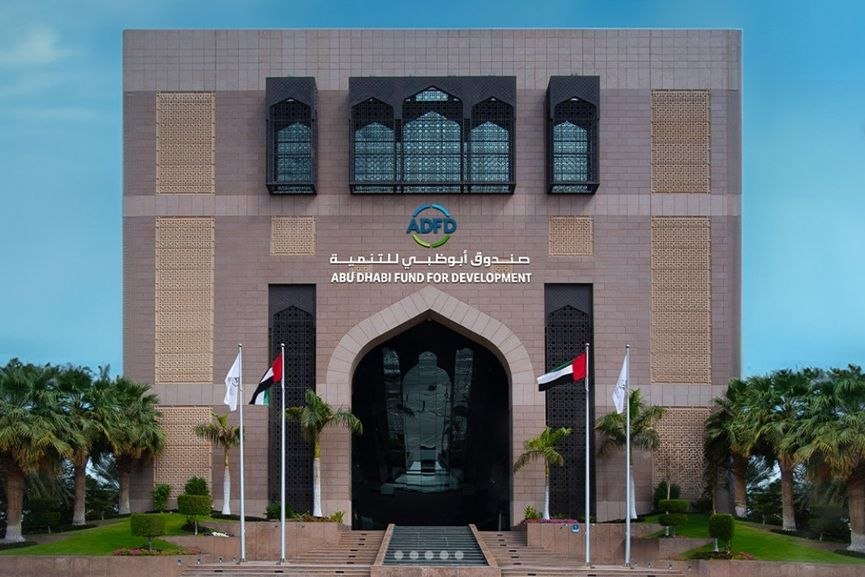
The Abu Dhabi Fund for Development (ADFD) has reported significant progress across a portfolio of key infrastructure projects in Africa, underscoring its sustained commitment to supporting economic growth and improving livelihoods across partner countries.

According to the Fund, completion rates have reached 92 percent for the Sokodé–Bassar Road rehabilitation project in Togo, 80 percent for a major road infrastructure initiative in Madagascar, and 45 percent for the Minna–Bida Road project in Nigeria.

The updates reflect steady implementation momentum and the Fund’s active oversight in ensuring projects remain aligned with approved frameworks and timelines.
ADFD Director General, Mohammed Saif Al Suwaidi, said the Fund’s monitoring approach is central to achieving development outcomes. “We are committed to continuously monitoring progress across our projects to ensure efficient and high-quality implementation,” he noted. “This reinforces our role as an extension of the UAE’s vision in creating sustainable development impact that enhances quality of life.”
Across the continent, ADFD-financed projects are aimed at strengthening transport connectivity, reducing costs for goods and services, and unlocking economic opportunities in key sectors including agriculture, tourism, and trade.
In Togo, the near-complete rehabilitation of the 62-kilometre Sokodé–Bassar road is expected to significantly improve connectivity between the capital, Lomé, and inland regions, as well as neighboring countries. The AED 37 million project includes flood protection systems and upgraded safety features, contributing to more resilient transport infrastructure.

Meanwhile, in Madagascar, construction of a 117-kilometre dual-lane road and seven bridges has reached 80 percent completion. Financed through a concessional loan exceeding AED 110 million, the project is designed to enhance rural-urban connectivity, facilitate access to essential services, and support key economic sectors.
In Nigeria, ADFD is overseeing the development of the 82-kilometre Minna–Bida road in Niger State, its first project in the country. With AED 165 million in financing, the project is currently 45 percent complete and is expected to cut travel time between the two cities by half and reduce vehicle operating costs by 31 percent.

Beyond these projects, ADFD’s broader engagement in Africa includes long-standing partnerships such as its support to Ethiopia. Since 2012, the Fund has financed critical infrastructure, including the Gedo–Fincha–Lemlem Bereha road project, and contributed to macroeconomic stability through a landmark $3 billion support package in 2018.

The Fund has also played a key humanitarian role, notably through a $60 million contribution in 2022 to support drought- and conflict-affected populations in Ethiopia. More recently, high-level discussions between Ethiopian officials and ADFD leadership have focused on expanding cooperation in green development and investment.


ADFD stated that the progress across its African portfolio highlights its strategic role in development finance, emphasizing efficient resource deployment, adherence to international best practices, and measurable outcomes.

By advancing resilient infrastructure and supporting economic diversification, the Fund continues to position itself as a key partner in Africa’s development agenda, with a focus on long-term sustainability and inclusive growth.

visit website : https://www.adfd.ae/en/home
NBE allocates USD 200 million for Q4 FX auctions

0

The National Bank of Ethiopia (NBE) has officially released its foreign exchange auction schedule for the final quarter of the 2025/26 fiscal year. The central bank has allocated a total of USD 200 million, which will be fully utilized during the month of June 2026.

According to the central bank’s official statement, this upcoming currency distribution reflects a distinct strategic shift from the operational frameworks used in previous quarters.

The bank announced that this new approach is designed to stabilize the domestic market before the conclusion of the fiscal year by consolidating resources into fewer, higher-volume financial interventions.

Ethio Telecom Debuts on Ethiopian Securities Exchange after Verifying 45,000 Shareholders

0

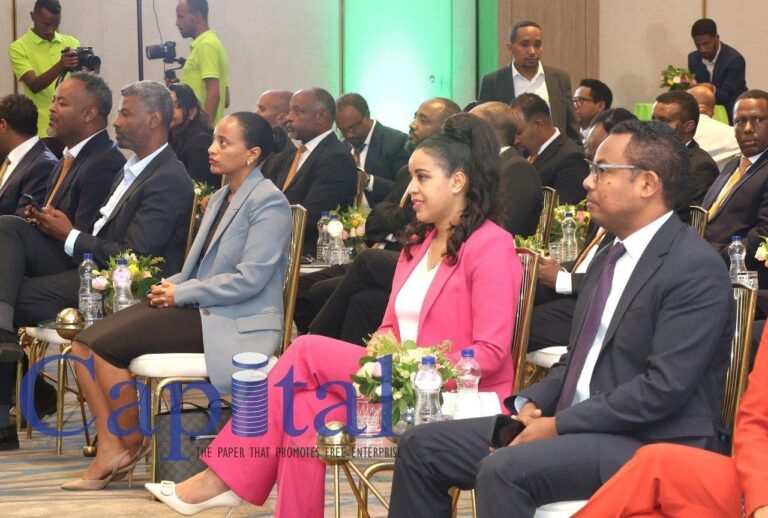
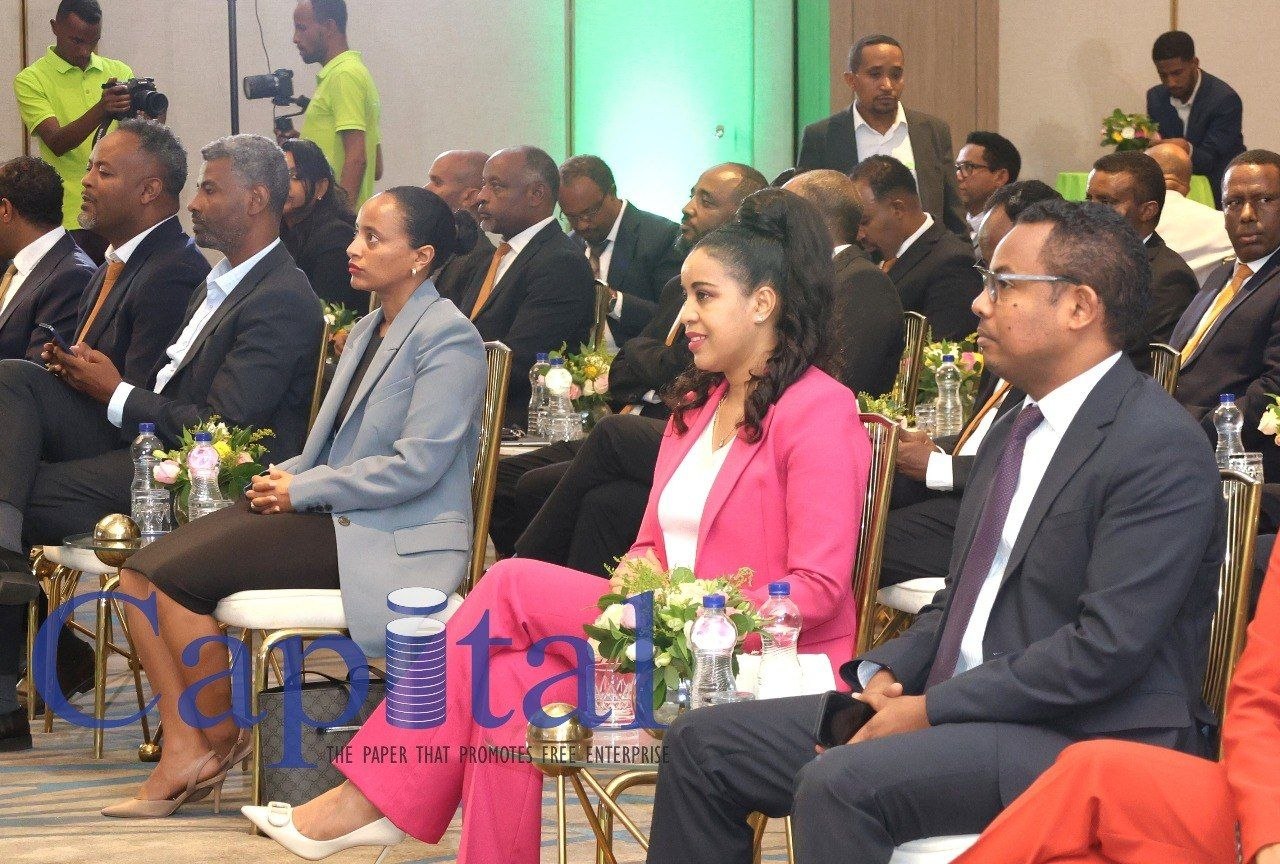
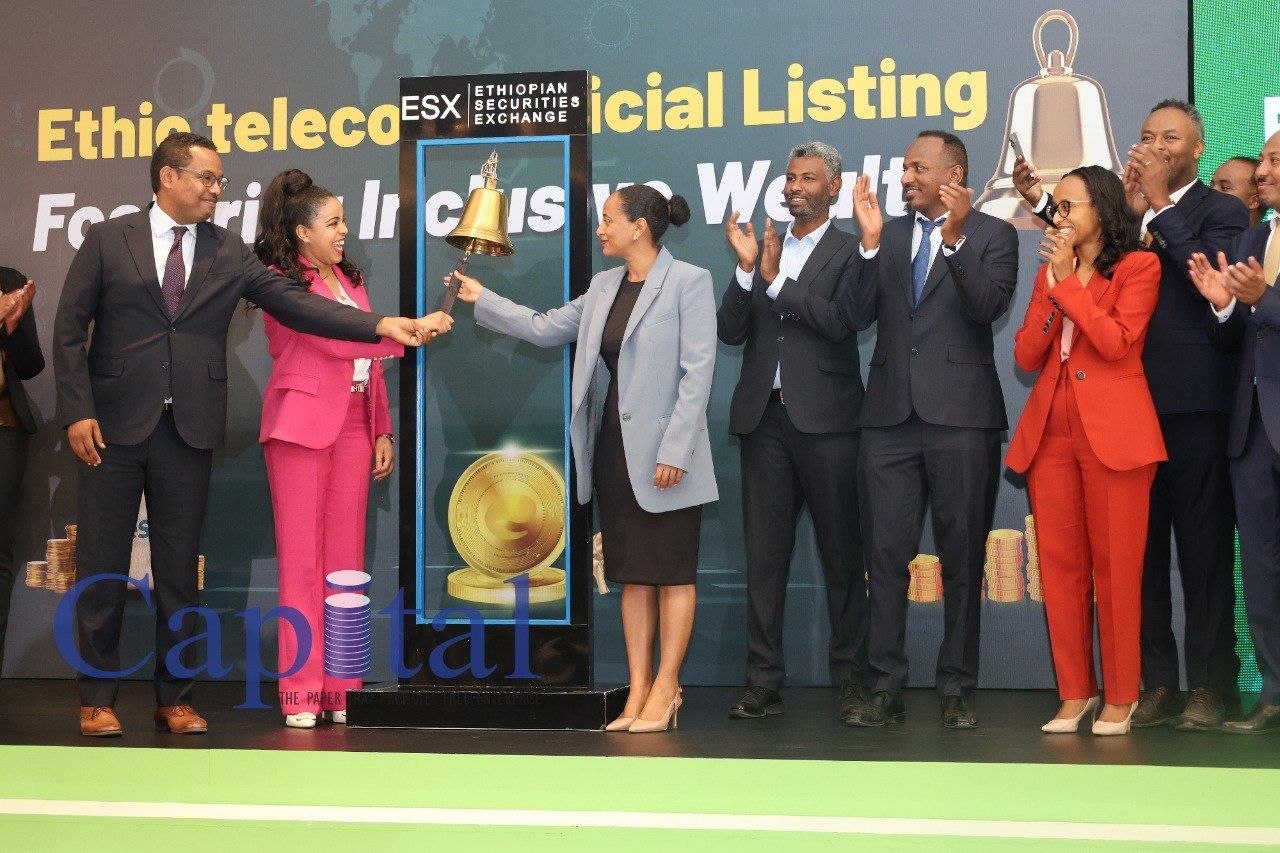
Ethio Telecom has officially announced the launch of a trading system on the Ethiopian Securities Exchange (ESX), enabling shareholders to easily transfer, sell, and buy shares. This follows the completion of its transition phases from a state-owned enterprise to a share company and the public offering of a 10% share to citizens.

Operating in the country’s communication sector for over 130 years under exclusive government ownership, Ethio Telecom has become the first state-owned enterprise to be officially listed on the ESX by partially opening its ownership to the public.

The launch of this historic trading system is expected to usher Ethiopia’s capital market ecosystem into a new era. It was noted that the company spent nearly 11 months undertaking extensive preparatory work in alignment with the commercial code and directives issued by the Ethiopian Capital Market Authority (ECMA).

Ethio Telecom CEO Frehiwot Tamiru explained that during this process, the data of 96% of the registered subscribers—representing 45,000 shareholders—was fully verified and approved. Consequently, their digital ownership verification and dematerialization process have been successfully completed.

She further clarified that the shareholders who passed this verification process hold approximately 10.1 million shares, valued at over 3 billion Birr. These shareholders will now be able to participate directly in the trading platform launched on 26 may 2026.

Hana Tehelku, The Director General of the Ethiopian Capital Market Authority noted that today’s achievement is the result of regulatory and disciplinary frameworks implemented to establish institutional transparency within the country’s financial system and to enhance the depth and breadth of the capital market moving forward.

Meanwhile, CEO Frehiwot Tamiru pointed out that although the data clearing and verification process took considerable time, 3.4% of the registered applicants could not transition to the final stage.
She stated that this was because 1,646 potential investors failed to attach and submit their National ID (Fayda) numbers, while 248 others were identified as non-Ethiopian nationals.

It was explained that these individuals could not be accommodated due to the government’s initial-phase decision, which stipulates that the shares be sold exclusively to Ethiopian citizens. The company announced that it will fully refund the share purchase funds, along with the associated service payments, to those who cannot fulfill the documentation requirements as well as to the non-Ethiopian applicants.

Ethiopia lifts monopoly on China-bound export licenses, opening access to all commercial banks

0

The Government of Ethiopia has officially lifted the long-standing restriction that limited the issuance of export licenses for goods destined for the People’s Republic of China exclusively to the Commercial Bank of Ethiopia (CBE).

Effective immediately, all licensed commercial banks operating within the country are fully authorized to process export permits, manage documentary credits, and handle all related financial transactions for trade with China.

For years, Ethiopian exporters targeting the massive Chinese market were legally bound to route their trade finances and permit applications solely through the CBE, under a historical directive (Ref. No. 10-11/097/99).

This restriction was originally anchored in a broader economic and financial cooperation agreement between the governments of Ethiopia and China.

While intended to streamline state-to-state trade relations, the single-bank monopoly often created operational bottlenecks for the private sector, forcing exporters to maintain specific accounts and adapt to the processing times of a single institution, regardless of their existing corporate banking relationships.

According to the official public notice released by the NBE, the decision to eliminate this restriction is a deliberate effort to modernize the nation’s foreign trade framework. By decentralizing the authorization process, the central bank aims to substantially reduce bureaucratic delays, lower transaction friction, and create a highly accessible, agile environment for local businesses.

The central bank emphasized that opening the playing field will naturally enhance the competitiveness of Ethiopia’s export sector on the global stage. Private commercial banks can now leverage their tailored customer service and digital banking platforms to attract exporters, potentially speeding up the influx of much-needed foreign currency into the country.

While the NBE’s new directive hands unprecedented operational freedom to the broader banking industry, it comes with a strong reminder of regulatory oversight. The central bank has instructed all newly authorized commercial institutions to facilitate these China-bound export services in strict compliance with Ethiopia’s existing standard foreign exchange laws and national export regulations.