

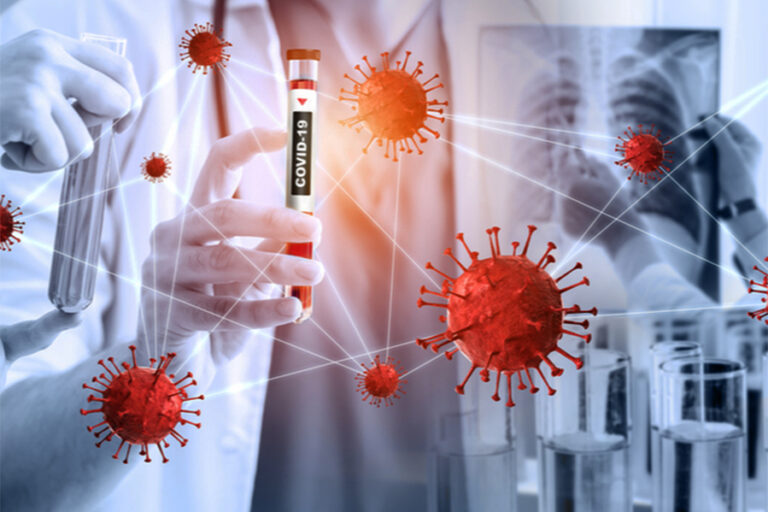
Skymount Medical, in collaboration with Louisiana State University announced that human studies have begun on the unique combination of therapies for COVID-19 patients. The move comes to reduce the number of hospitalized COVID-19 patients rises around the world, particularly in countries such as the United States, the United Kingdom, Brazil and India.
SM-19, as it is known, is expected to eliminate ICU visits and drastically reduce the chances of developing long term conditions associated with the virus.
The medication was discovered using an artificial intelligence (AI) platform that significantly decreased the time to drug discovery. Pre-clinical cell and animal test results estimate an efficacy rate of 97% and these FDA approved medications under investigation are expected to become available to the public shortly.
“We are optimistic that the treatments will reduce extreme symptoms in humans and the need for hospitalizations,” states Dr. Kishor M. Wasan, co-inventor and chief medical and scientific officer for Skymount Medical.” These experimental outcomes provide a complement approach to the current COVID-19 vaccine strategy that is cost-effective, safe, and accessible to patients.”
The SM-19 treatment is expected to be effective against several COVID-19 variants and decrease viral load and long-term symptoms. At present, there are no approved oral medications to decrease COVID-19 symptoms in people who have not been hospitalized.
“The discovery of these medications came through a highly unique and novel process fusing AI with traditional wet lab pharmacology,” said Chris Galliano, co-inventor and chief technology officer of Skymount Medical. He said that the Louisiana State University’s AI based drug discovery platform has enabled Skymount Medical to directly target symptoms using a time saving strategy.
Dr. Supratik Mukhopadhyay, co-inventor and associate professor in the LSU Department of Computer Science. “Starting human studies is exciting because we wouldn’t be at this step if early studies didn’t indicate high levels of efficacy and validate the data produced by AI,” he said.
Compassionate use tests of the medications began on August 10/2021 and are expected to continue throughout the United States, the United Kingdom, India and Brazil. The test is a randomized and controlled study which will evaluate the efficacy and safety of SM-19 in the treatment of COVID-19 patients.
New COVID-19 treatment begins human studies
Redefining approaches for menstrual health
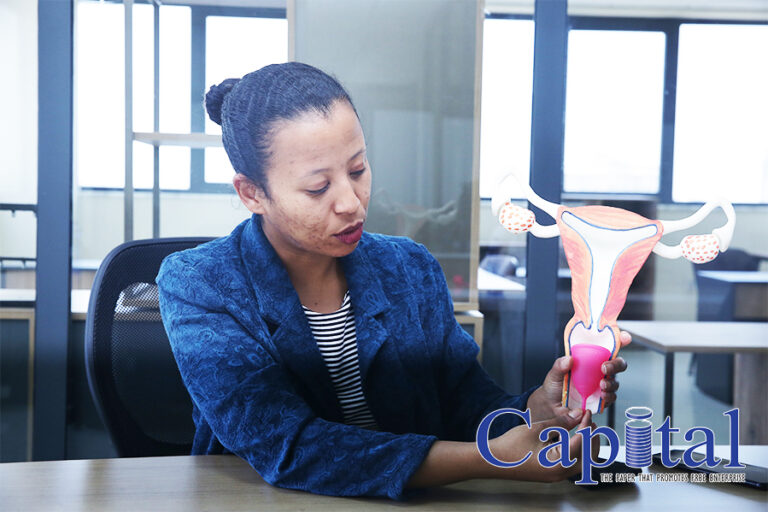
Pioneering the Menstrual Cup Brand in Ethiopia, a private company called Meri-Bandnet trading PLC is distributing the Noble cup within the country and redefining the approach to menstrual health.
“The noble cup is a product that can be reused for five years. The cup is a soft menstrual cup made from a medical grade non-toxic silicone which has no disadvantage for body,” said Liya Alemayehu, project coordinator of the company, adding that during menstruation, the flexible cup is inserted into the vagina and collects menstrual fluid inside the body.
“Menstrual cups are bell-shaped suction receptacles that collect blood and can be kept in for up to 12 hours,” she elaborated.
“The flexible bell shaped cup is folded and inserted into the vagina, catching menstrual fluid. The cup can be removed, emptied, and re-inserted. It is reusable for 5 years. They are the safest and most economical option for women living in poverty. Moreover, the Noble Cup is an eco-friendly, time saving, cost effective method of managing menstruation,” added Liya.
“Pads create unnecessary waste and are difficult for women with limited sanitation facilities to dispose of. Noble Cup requires far less water to clean than cloth rags,” Liya explained. However, stigma and taboos around periods can make it difficult for people in any culture to try them as she said to solve this the company is working on awareness creation in health centers and schools.
Additional to not having access to clean water or safe toilets, nationally, lack of affordable sanitary pads is the main challenge for managing, women hygiene. In Ethiopia, the

re are approximately 50 million women and this number is expected to double by 2050. In Ethiopia, 25% of girls do not use any men
strual health products during their periods, often due to the high cost of disposable pads mainly; poorer, rural girls are more likely to utilize reusable products, whilst urban, wealthier girls are more likely to utilize disposable sanitary pads. The menstrual cups in this regard are cheaper in the long run, says Liya.
To minimize the period poverty and lack of access to adequate resources and education to manage menstruation, the company was been founded in 2018 by Sara Eklund in order to make an eco-friendly and affordable period product available to all women both in Ethiopia and across Africa.
Eklund launched Ethiopia’s first menstrual cup brand, the Noble Cup, in 2018. Now, the brand cup is already stocked by between 10 and 13 stores and pharmacies respectively in the country and hopes to grow its reach. The company imports the product from China. The company lists the price of the noble cup as 200 birr.
Overcoming blood shortages to reduce maternal bleeding fatalities in sub-Saharan Africa
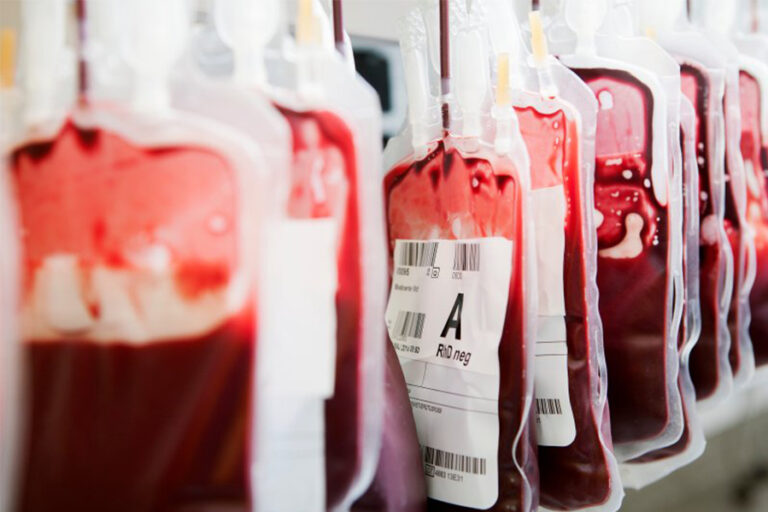
The peer reviewed study published on Africa Sanguine finds that expanding investment in safe blood supply to prevent post-partum hemorrhage could provide social benefits as well as substantial economic savings in less than 2 years.
According to the WHO, 810 women around the world die every day from preventable health issues related to pregnancy and childbirth, including sever bleeding. Low resource settings account for 94% of these deaths while sub-Saharan Africa accounts for two-thirds.
Terumo Blood and Cell Technologies (Terumo) announced a first-of-its-kind peer reviewed medical journal published by Africa Sanguine, on the clinical outcomes and economic justification of increasingly pressing blood shortages in Kenya, Ghana and the Ivory Coast yesterday. The findings of the study present a strong argument for investment development in a safe blood supply chain to improve access to blood and blood supplies.
The study was conducted in collaboration with experts in the field of blood transfusion and health economics to illustrate the societal and significant economic benefits of investing in blood transfusion to save the lives of affected mothers in Africa. The study incorporates expert inputs and a novel budget impact model to approximate the value of a life saved with blood transfusion and indicates the economic benefits to investing efficient and sustainable blood supply chain.
According to Dr. Shirley Owusu-Ofori, Transfusion Medicine Specialist and Head of Transfusion Medicine Unit, Komfo Anokye Teaching Hospital in Ghana, blood shortage accounts for almost 30% of the total maternal deaths in the region. She highlighted that any intervention to mitigate such quantifies effects could be either expensive or cost effective but effective investments in the blood safety chain in SSA (Kenya, Ghana and Ivory Coast), will address all mortality and morbidity and generate cost savings.
The Terumo study looked at the costs associated with severe maternal bleeding compared with investment costs to adequately manage maternal bleeding. The study reviewed the expenses linked to severe maternal bleeding as compared to investment costs to adequately manage it. The findings estimated that 8500, 3900 and 3600 lives could be saved annually in Kenya, Ghana and Ivory Coast respectively. The total cost to provide adequate blood supply was calculated at around USD $33.7 million and the socio-economic annual value of the lives saved was USD $57 million. The study concluded that the lives saved outweighs the value of the investment made.
“Blood availability is a critical health concern. An increased investment in blood will empower women, reduce inequalities and foster more productive workforces,” said Antoinette Gawin, President and Chief Executive Officer, Terumo Blood and Cell Technologies. “Saving lives is within our grasp. It requires our collective commitment, expertise and capacity to support the United Nations Sustainable Development Goals to reduce global maternal mortality.”
“Blood availability is a critical health concern,” said Antionette Gawin, President and CEO of Terumo Blood and Cell Technologies. “An increased investment in blood will empower women, reduce inequalities and foster more productive workforces”. She emphasized the importance of collective commitment and capacity to reduce global maternal mortality.
A lack of structured blood supply chains, few blood donations programs and the limited access to health care all contribute to the problem of blood availability. Through the Africa Sanguine published study, Terumo will work to fill the gap in data on the socio-economic outcomes of blood shortage particularly for maternal mortality caused by severe bleeding.
Report finds AgriTech Innovations could supercharge the Agriculture sector with opportunities for African youth

Survey from Heifer International finds rapid growth of new high-tech farming tools and identifies new ways to connect them with farmers
Heifer International announced a report detailing the importance of engaging African youths in agriculture and the critical role they will play in the sustainability of the agriculture sector and economy.
The report “The Future of Africa’s Agriculture: An Assessment of the Role of Youth and Technology” incorporates the responses of over 30,000 young Africans as well as hundreds of farmers and farming organizations. As the world’s second most populous continent and home to an overwhelming under 25 population, the study emphasizes the need for new investments to stimulate access to innovations that could encourage African youth to specialize to the field.
“As a continent with a thriving young population, Africa’s agricultural sector must provide the investments in agritech innovations that will encourage youth to embrace agriculture-related endeavors, because they are the key to revitalizing Africa’s food system,” said Adesuwa Ifedi, Senior Vice President for Africa Programs at Heifer International. However, the report points out that financing and proper training to ensure the accessibility of opportunities to specialize in the sector are scarce.
The report surveyed farmers, agriculture technology startups, innovation hubs and technology organizations in 11 African countries to identify the challenges smallholder farming communities face. It also suggests potential areas of innovation and growth in Ethiopia, Kenya, Ghana, Malawi, Nigeria, Rwanda, Senegal, Tanzania, Uganda, Zambia, and Zimbabwe.
Other findings of the study looked into how the global pandemic is affecting African farmers. Out of the featured agricultural organizations in the report, about 40% were forced to close down temporarily while 38% experienced a reduction in the average purchase amount per customer due to the pandemic. Another 36% still do not have the financial capital to revive their businesses.
“Youth engagement in agriculture will be essential to recovering from the economic impacts of the pandemic,” said Adesuwa Ifedi. Investing in agritech innovations will both rejuvenate the continent’s agri-food system and develop economic opportunities for young Africans.
In spite of challenges, the report also details the many ways young African entrepreneurs across the continent are developing innovative and effective agritech tools and services for smallholder farmers. Usage of artificial intelligence, remote sensing, geographic information software (GIS), virtual reality, drone technology, application programming interface (API) technology enable farmers to perform a variety of tasks including measuring rainfall, controlling pests and analyzing soil nutrients.
For instance, a company in Ghana is providing drones that offer precision application of pesticides and fertilizers even serve as “scare crow drones” for farming. In Kenya, a company is making obtaining a tractor as easy as booking an Uber. Ifedi noted that these and other endeavors explored in the report show the potential to harness home-grown innovation to accelerate a strategic transition to sustainable, profitable farming across Africa.
According to the United Nations, young people below the age of 25 make up about 60% of Africa’s entire population and more than about half of the rural population is employed in the agriculture sector. Yet, only about 23% of the total of youth engaged in the field use any form of agricultural technology.
The report reveals that access to financial capital and capacity building will spur youth interest in agriculture and allow smallholder farmers to embrace advanced technologies. Findings also indicate that improved livelihood and economic growth are some of the benefits of introducing agritech to traditional farming on the African continent.
