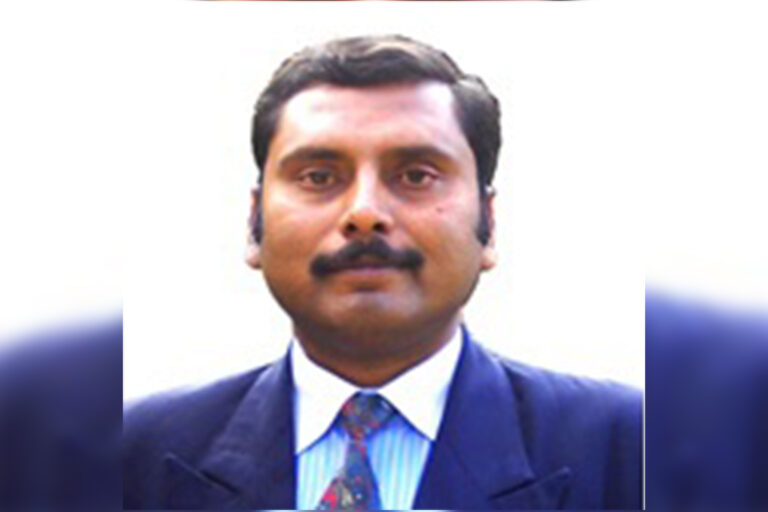
P.Thamimul Ansari (PhD) is an Indian Expatriate teacher working in the Department of Hotel Management at the University of Gondar. He is a Tourism & Hospitality professional with 22 years of teaching, research, community and consultancy service experiences and served in various countries such as India, Saudi Arabia, Kuwait and Maldives. He talked to Capital about the hospitality industry and what Gondar University is doing. Excerpts;
Capital: How do you assess the hospitality sector in the country?
P.Thamimul Ansari: The hospitality sector in Ethiopia is in the right track of existence in par with international standards. The Ministry of Culture and Tourism also played a significant role in the development of this sector especially with the accreditation of the hotels with their star category standardization programs and many hotels had obtained the star categories to their hotels fulfilling the MOCT’s requirements. The industry is fascinating here having collaborations with international chains such as Sheraton, Hilton, Radisson, Intercontinental etc. that helps the hotels in attracting international visitors to Ethiopia.
Capital: How are your students better fit for the sector than other institutions?
P.Thamimul Ansari: Our students had obtained required theoretical and hands on practical knowledge in the university premises especially in the activities that are performed in the major departments of the hotels such as Front office operations, Housekeeping operations, Food preparations, Food and Beverage service and Food and Beverage cost control. Further, they had also undergone Internships/Training programs in the reputed star-rated hotels all over Ethiopia and they had equipped themselves with required skills to withstand in the hospitality employment market.
Capital: The hospitality sector is severely affected by lack of professionals in the country, how are you planning to change that as an institution?
P.Thamimul Ansari: The plans that we have as an institution is first to provide awareness creation to the community about this sector its advantages and opportunities and the like. The Department had already prepared curriculums to start BA Degree programs in the Extension and summer mode, MA Degree programs and Diploma and certificate programs to promote in the regular mode. These programs are in the verge of commencement as early as possible. The workshops with stakeholders of this sector to be organized frequently in educating the necessity of trained professionals and encouraging them to come for campus recruitment programs and guest lectures for the morale building, procurement and retaining of the quality workforce. In future, we are also going to encourage sandwiched degree programs with the collaborated institutes abroad in this field to have an international exposure in the teaching-learning processes. There are plans for the formation of Department level Industry-Institutional linkage cell for mutual relationships
Capital: How do you describe your curriculum and how effective is it?
P.Thamimul Ansari: The existing curriculum of our department is really good and suitable for producing quality work force for the hospitality sector as it covers all the areas of the industries operations. Additional subjects like Training and Development for Hotel management, Customer Care and service, Event management is proposed for inclusion in the revised curriculum for more focus as Addis Ababa and other major towns in Ethiopia encourages various conferences, meetings and events.
Capital: Is your institution the first to graduate with a Hotel Management Degree? If so, how many students are going to graduate?
P.Thamimul Ansari: Not only our institution, there also some other universities they offer similar programs and their own time framed in graduating their students. Our university as per its plan they are about to graduate the GC (Graduating Class) students by 18 January 2021. The amount of hotel management students who will graduate this time is thirty in number.
Capital: What are the additional skill development programs that were conducted in your institution other than those mentioned in the curriculum?
P.Thamimul Ansari: We had conducted various competitions in their relevant field of study such as Best chef competition, Best waiter competition, Best Guest attendant, Best House keeper and also workshops on “Vegetable carving”, “Baking and Icing” etc. for their skill developments.
Capital: What are the additional activities that are conducted in your institution?
P.Thamimul Ansari: We had conducted annual seminar programs, conferences, Food festivals and food preparation competitions for the stakeholders and certified them after critical evaluations.