

The Embassy of the Czech Republic held its second art exhibition and bazaar this year in the embassy’s compound on 5th of December 2020. The embassy collaborated with The Ethiopian Visual Art Association and the Ethiopian Women Artists Association to provide a platform for professional and amateur Ethiopian artists to showcase their work. The event was attended by diplomats from different embassies, art enthusiasts and the press.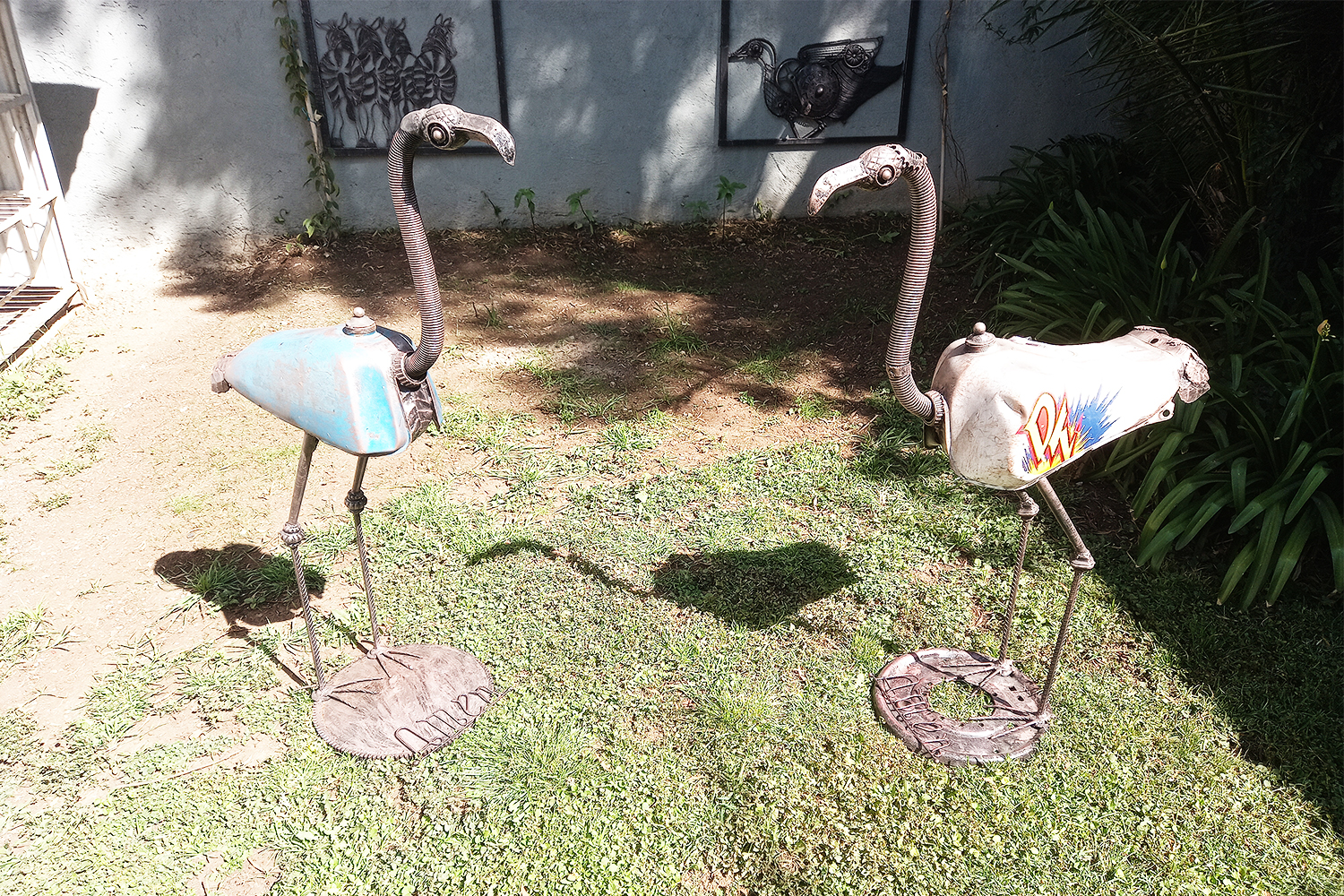
The event kicked off by a brief speech by the Deputy Ambassador Jaroslav Zukerstein. He cheered and thanked everyone involved in his discourse. His speech was followed by President of Ethiopian Visual Art Association Aklilu Mengestu. The artist expressed his heartfelt gratitude to the embassy for delivering a platform and art appliances for Ethiopian artists. He also highlighted Czech’s remarkable influence on art in the 19th century and Czech’s good reputation in the art industry.
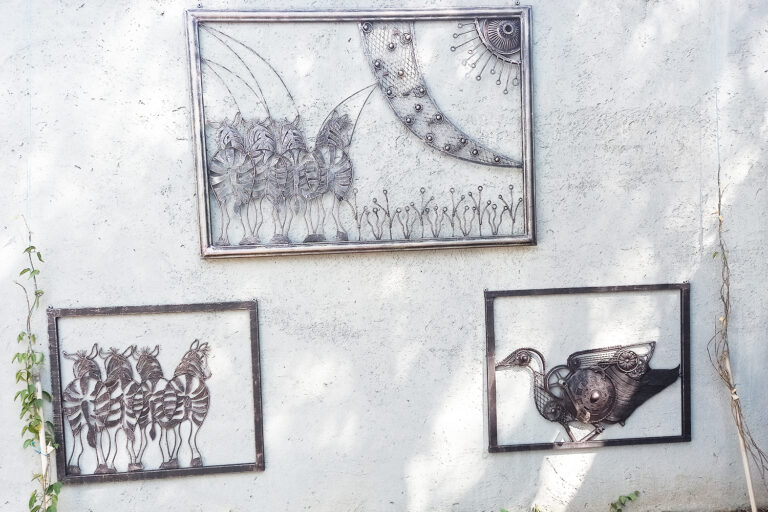
Over 200 paintings and 15 sculptures were displayed throughout the compound. These pieces were brought about by 20 artists, 8 of whom are women. Out of these adept artists Robel Wolde and Brihan Beyene’s enchanting oil paintings stood out. Amen Badeg’s exquisite sculptures, made of scrap metal, had left everyone in awe. The embassy had arranged for art collectors and artists to negotiate directly and learn the essence behind the pieces. Other products such as high-quality leather bags by Undkdən and pieces of 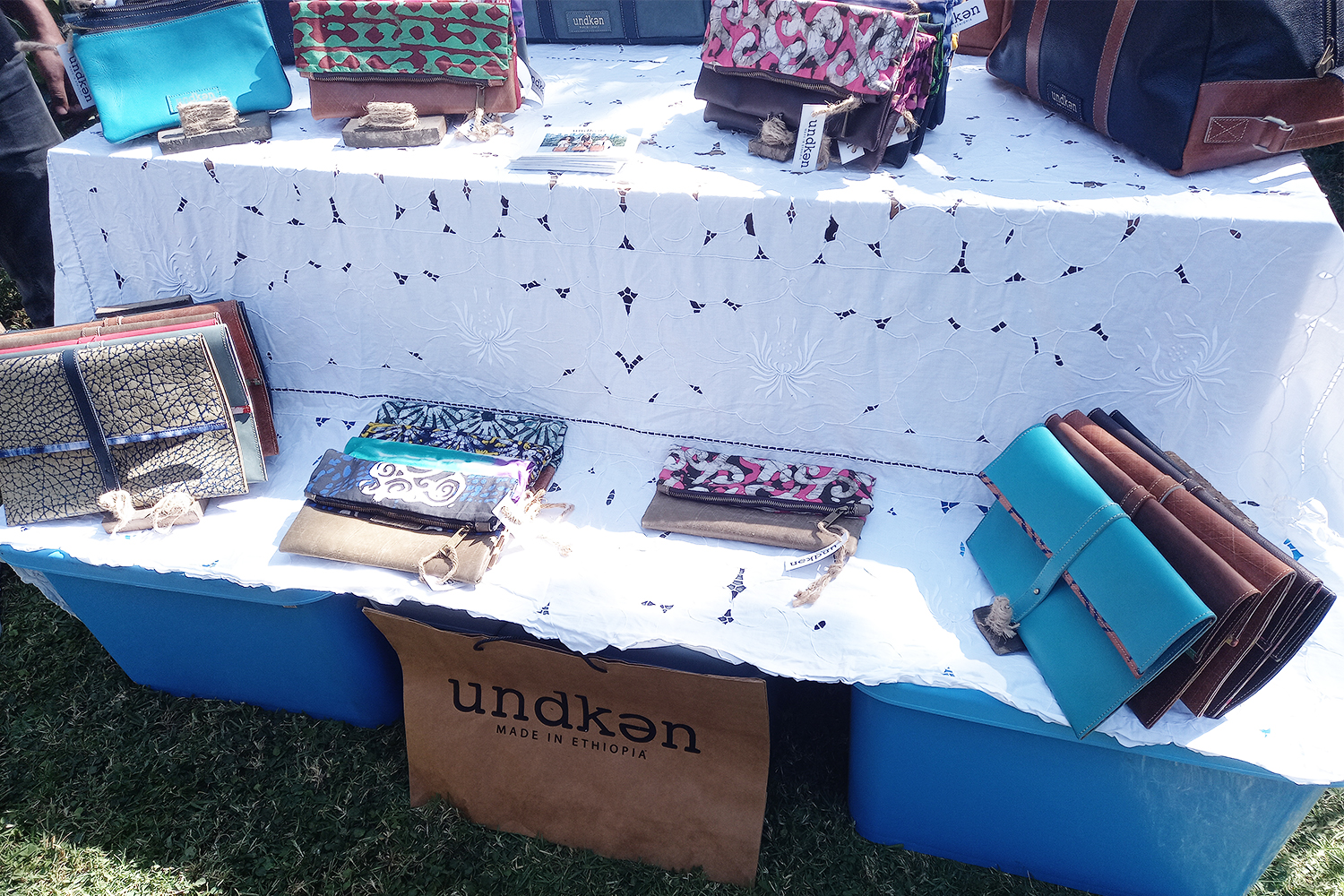 jewellery made by Ambassador Senait Mikešove were procurable providing more purchasable options for guests. The embassy partnered with Hyatt Regency, Awash winery and Natti’s coffee to cater for the event and make the day more enjoyable and memorable.
Deputy ambassador of Czech Republic Jaroslav zukerstein stated that this event was held to bring Ethiopia and Czech Republic together in an informal manner and to strengthen the relationship between these two countries with a long history of alliances. He said he hopes this event will help share the embassy’s values such as freedom, diversity, and self-expression as these are core to society and art. He also mentioned that the embassy is already planning edition three, art and exhibition with more artists and including other arts such as fashion design.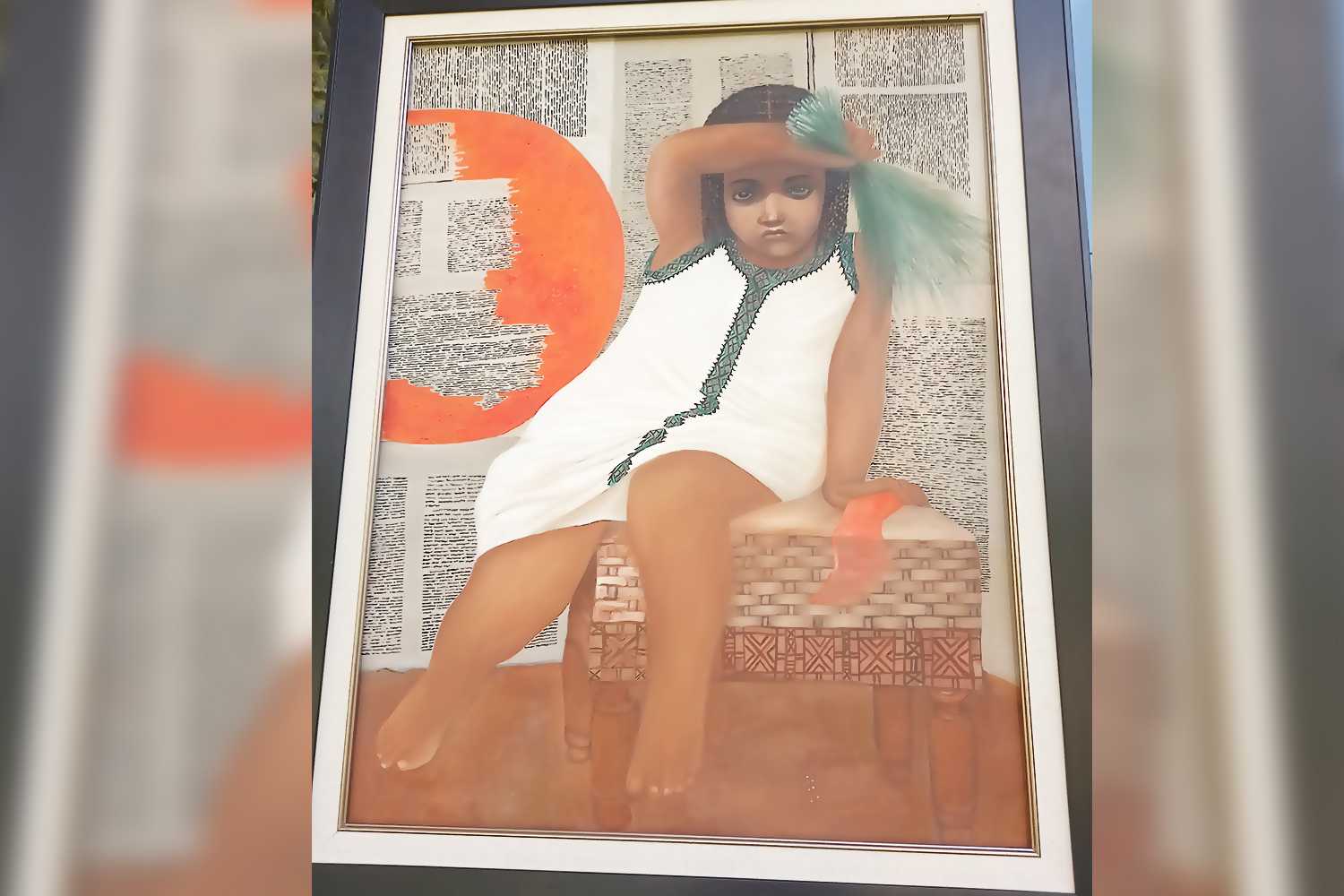
Ethiopia in Czech colour
DJ Yemi’s new album
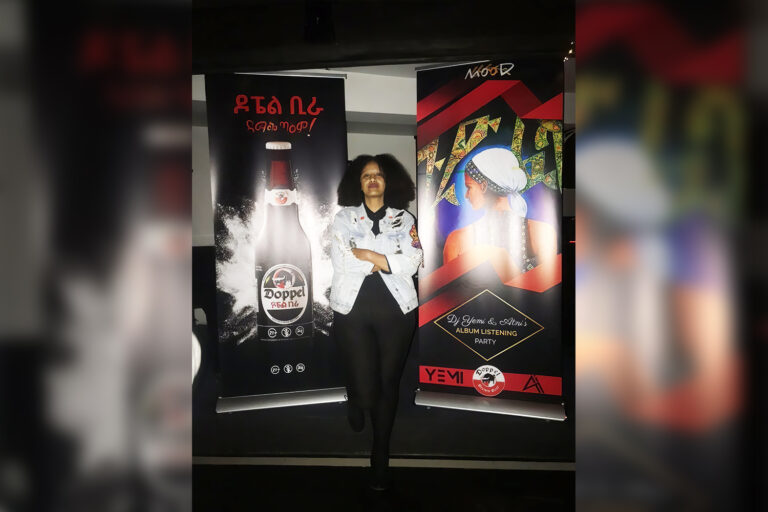
DJ Yemi is a songwriter, producer and a DJ with over a decade of experience in the music industry. She is known for her radio personality at the hype and breakfast show at 105.3 Afro FM. On December 10, 2020 she launched her very first album entitled “Gudfela” at Mood Club. She collaborated with Atnatious Hailu aka Atni a young songwriter and producer. The event was attended by fans and music enthusiasts.
The album launch kicked of by DJ Yemi welcoming and thanking everyone for coming. That was followed by playing every track on the album and giving a brief explanation and meaning behind every song. The event was sponsored and catered by Doppel Beer.
The Album is comprised of Oromfa, Tigrigna, Guragigna genres. Vocalists like Nahom, Bura, Omi, Raheal, Amy and Getachew Hailemariam participated in the making of the album. The album consist a total of 11 songs. A particular song entitled “Hola” was made by 14 elderly people over the age of 70 from the Southern part of Ethiopia with their breathtaking voice. The artists put 5 years into making of the album.
DJ Yemi told Capital that a song entitled “Enat” is her favourite as it has a deep emotional meaning to her concerning her late grandmother. She said “my grandmother is a strong influence to me. She taught me almost everything I know.” She also mentioned that it is relatable to anyone and can be used to refer to one’s mother or country. The 33-year-old artist spoke of working on a 2nd album. And she hopes this album brings joy to every Ethiopian both in Ethiopia and overseas.
Science film festival
Ethiopian science film has brought scientific and educational movies to Ethiopian film industry every year since 2017 with the exception of 2019. This year, Goethe Institute has collaborated with the United Nations Environmental Program, Ethiopian Academy of Science and Children Science Museum and Edna Mall to show sustainable development goal (SDG) themed, ‘educational movies.’
The movies will be aired from December 3 to 20 at Edna Mall and other private and public schools across different sub-cities in Addis Ababa. This allows students and the general public to gain awareness about contemporary science, technology and environmental issues and enjoy the movies for free with their friend or family.
Edna Mall will be showing handpicked award-winning science movies and documentaries suitable for any age group. These movies will be aired in the given day from Wednesday to Sunday 2 PM to 4 PM. This festival is expected to celebrate science and promote science literacy in different continents, including Africa, Southeast Asia, with Asia Middle East, and Latin America.
US-Africa relations
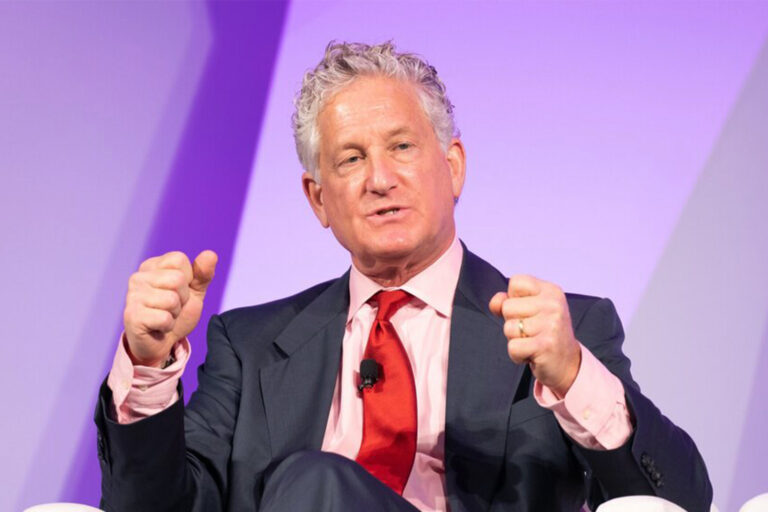
Harry G. Broadman is managing director at Berkeley Research Group and chair of the firm’s Emerging Markets practice. He is a globally recognized veteran industry executive; private equity investor; expert witness; strategic advisor to boards and C-suites; independent corporate director; author of numerous books, professional articles and columns on international business; and keynote speaker.
Broadman is an authority on complex matters involving international investment and trade disputes, arbitration and damages; sovereign trade agreements and investment treaties; national security regulation of investment (CFIUS) and of exports and imports; antitrust; economic regulation; corporate governance and shareholder rights; compliance; corruption investigations (FCPA); corporate social responsibility (CSR); and global business growth and operations; risk-mitigation strategies; international private equity investment; negotiating cross-border transactions; supply chains; sovereign wealth funds (SWFs).
The core of Broadman’s more than 36-year professional career has been in the private sector, with senior executive positions in international finance, private equity investment, global business strategy management consulting, and litigation expert witness services. These activities have been interspersed with stints in the public sector-as a White House economic official, international trade negotiator, foreign investment regulator, and US Senate professional committee staff member-as well as in academia, as a university professor, and in economic policy research organizations and think tanks. He is also the author of the book “Africa’s Silk Road: China and India’s New Economic Frontier” published by the World Bank.
As US President-elect Joe Biden prepares to take office Broadman discussed the future of U.S.-African relations with Capital. Excerpts;
Capital: How do you predict the US-Africa relation will be after President-elect Joe Biden takes office?
Harry Broadman: Compared to the Trump Administration, U.S.-African relations in the economic sphere under a President Biden can only improve. Mr. Trump seemingly had disdain for the continent. By contrast, a number of the people in Mr. Biden’s immediate orbit know several African countries well and have spent time on the continent. And, Mr. Biden, himself, has visited African countries over his career-both as Chair of the U.S. Senate Foreign Relations Committee and subsequently as Vice President under President Obama-who, as many people know, has roots in Africa.
Capital: Do you think the United States’ ongoing Free Trade Agreement negotiations with Kenya will have an effect on other African countries?
Harry Broadman: I don’t know if they will. And, I don’t know what importance the new administration will place on a U.S.-Kenya FTA per se. Frankly, my own view is that businesses, workers and consumers in Kenya-indeed those across the rest of the continent-will actually profit even more if the U.S. were to help Africans conclude the AfCFTA, including perhaps helping to fund a program to cushion the business and worker dislocations and other structural changes on the continent that the AfCFTA will necessarily engender as part of the process of furthering intra-African trade as well as becoming more competitive in world markets.
Capital: How do you see the ratification of the African Continental Free Trade Area (AfCFTA) agreement? Can AfCFTA overcome its high risks?
Broadman: The AfCFTA can-and if executed properly will-be an economic game changer for the continent. It must happen, that is if Africans want to see their continent-and their children’s continent-realize its economic potential. I started talking about the perils of very low flows of intra-continental trade 15 years ago when working with various RECs. When I would describe the idea of moving to a continent-wide FTA, I was almost laughed out of meetings. I told them that many businesses I know who otherwise would be interested in investing in Africa considered the crazy quilt of overlapping RECs as hinderances, not as vehicles for making investment more attractive. The constellation of RECs was  counterproductive. I argued that we needed to move toward a unified system of free trade mechanisms throughout the continent. Today, my fear is that African leaders will not have the courage and foresight to see this through. There is little question that various constituencies within each country will be fearful of the changes and the dislocations that an AfCFTA will usher in. This happens worldwide. That is why serious thought needs to be given now for a continent-wide social safety to cushion these impacts.
Capital: How do you describe sub-Sahara Africa as an investment potential?
Harry Broadman: When I give speeches about Africa, I refer to it as the “continent of economic misperceptions.” People overestimate the risks and underestimate the opportunities of investing in Africa. In my view it’s exactly the opposite of China-where investors underestimate the risks and overestimate the opportunities.
Capital: How do you see the rule of law in protecting investments in sub-Sahara Africa?
Harry Broadman: It’s vastly improving in some countries and lagging in others. I know this well as much of my career focuses on investment disputes. But overall, this is one area where I think the AfCFTA could make a big contribution.
Capital: Corruption is the main obstacle to investment in sub-Sahara Africa, how do you describe that?
Harry Broadman: Corruption is but one investment risk in Africa, just as it is in many other regions of the world. Having worked in more than 85 emerging markets, I’m astonished when an investor tells me the risk of corruption in region ‘A’ of the world is much worse than region ‘B’ of the world. There is simply no way to measure this in a truly meaningful way. Thus, the real path forward is understanding what investment strategies can be utilized to mitigate such risks and there are a number of creative approaches that can be employed.
