Wednesday, October 7, 2026
Home Blog Page 3513

Historical ties

0

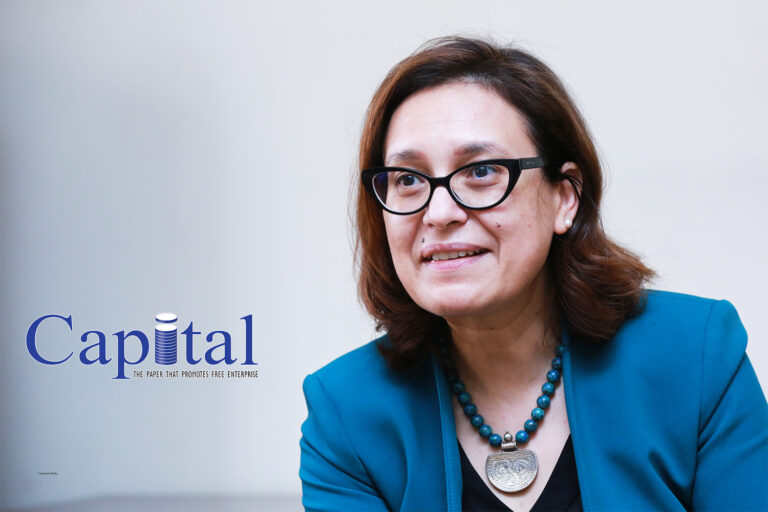
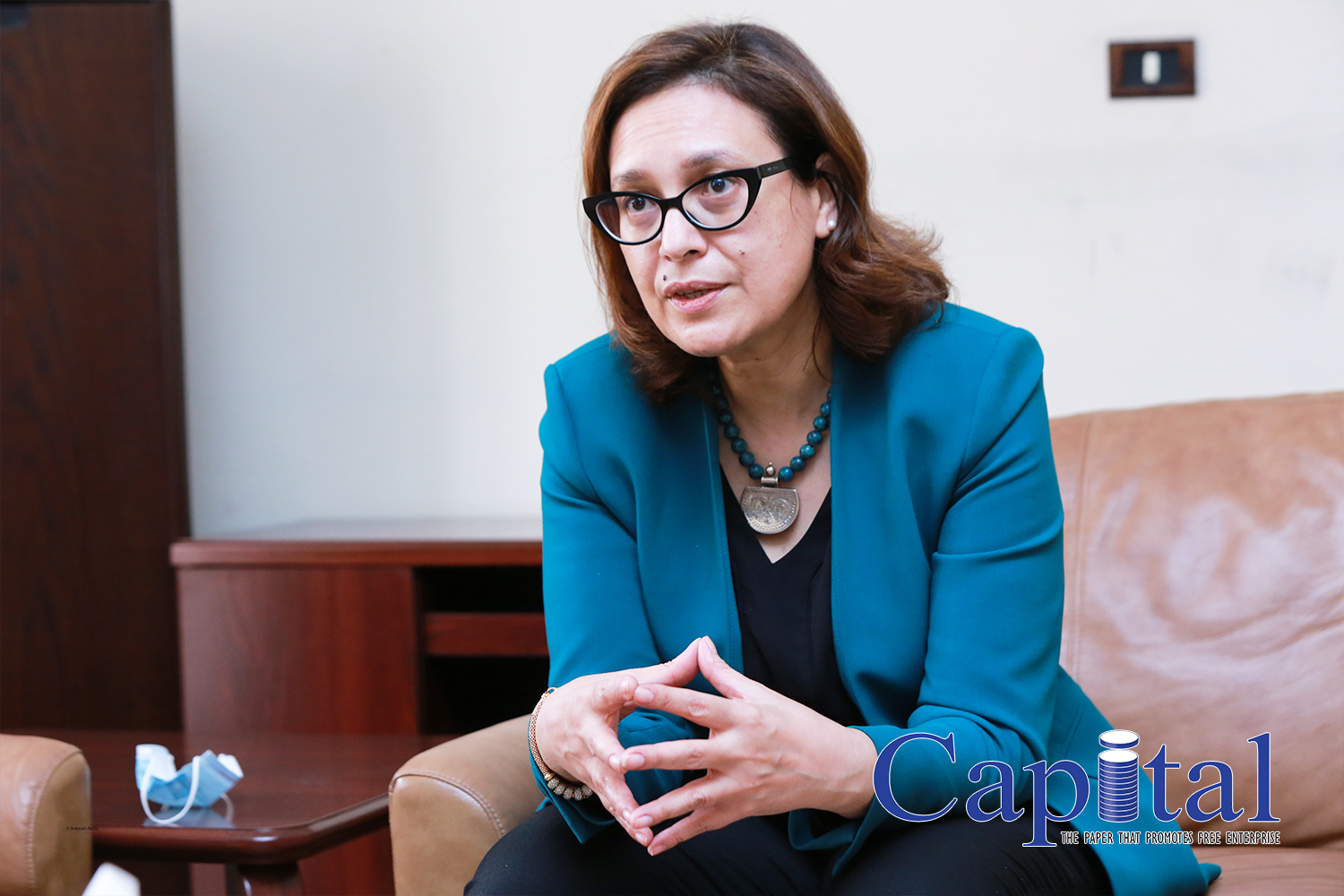
Nezha Alaoui M’Hammdi is Senior Fellow at Policy Center for the New South (since 2020) and the current Ambassador of the Kingdom of Morocco to Ethiopia and Djibouti since 2016. She has served as first Permanent Representative of the Kingdom of Morocco after its return to the African Union by 2017, and to the Peace and Security Council of the AU (April 2018). She is currently Dean of the Council of Arab League Ambassadors to Ethiopia.
She also served from 2013 to 2016 as an Ambassador of Morocco to Ghana, Togo and Benin, being the first Moroccan female Ambassador of the Kingdom of Morocco in Africa.
After joining the Moroccan Ministry of Foreign Affairs of Morocco in 1989, Nezha Alaoui M’Hammdi served mainly in Italy and Ghana. She talked to Capital about the bilateral relation and investments of the two countries. Excerpts:

Capital: Ethiopia is considered as a strategic partner for Morocco, regarding its crucial regional position and its role in sustaining peace and stability in the region and the Horn of Africa. How do you describe that?

Nezha Alaoui: Allow me first to start with the historical ties that have gathered the two countries through centuries. Ethiopia, this hospitable, centuries-old nation, has a special place in the collective memory of Moroccans, as well as of Muslims as a whole. In the Moroccan memory, Ethiopia will always be associated with our roots, history and identity, as a group of travelers walked through this blessed land, on their journey from Yemen and the Levant, to settle in what later to become Morocco. Similarly, Muslims will always remember the Kingdom of Axum, which granted refuge and protection to a group of companions of the Prophet Muhammad, peace be upon him.
Added to that, Ethiopia is hosting the African Union headquarters and enjoys a strategic location not only in the Horn region but also in Africa. Ethiopia is also commended for its role as a stabilizing country in the Horn of Africa. Furthermore, Ethiopia, home to more than a hundred and ten million people, has become a major power in the Horn of Africa. It has seen some of the world’s highest GDP growth in recent years, and has made strides in health and education. For all those raisons, Ethiopia will remain a strategic partner to Morocco.

Capital: What is the current trade balance between the two countries?
Nezha Alaoui: In fact, despite the modest trade balance recorded by trade exchanges between Morocco and Ethiopia, the trade relations between the two countries show a very promising future, given the huge potential provided by the two countries' markets, as well as their promising economies. In this respect, the trade between Ethiopia and the Kingdom of Morocco is significantly increasing in last few years. It seems that the opening of a direct flight between Casablanca and Addis Ababa, which we aspire to launch, will constitute a very positive turn in enhancing not only trade exchanges but also the advancement of bilateral relations to the level desired by the two countries. It is to be underlined that Ethiopia absorbs 50% of the Moroccan fertilizers exports to Africa. On the other hand, Most of Ethiopian exports to Morocco is agricultural commodities. For instance, Beans, Coffee and Ginger contributed 90 % of export in the last ten years.
We are also currently preparing a virtual trade exchange meeting between the Moroccan and Ethiopian Trade Department in order to look forward enhancing trade ties between the two countries.

Capital: How are Morocco’s investments in Ethiopia doing?
Nezha Alaoui: The Embassy is aiming to contribute in enhancing bilateral economic cooperation and attract more Moroccan investors to Ethiopia. In terms of investment, the interest of Moroccan investors in the Ethiopian market is increasing. This includes investments by Anwar Invest Group and Holmarcom Group, the country’s top investors. Many other companies are in the study phase, such as Saham holding Group, a panafrican investor of reference. Business relations between the two countries witnessed also the organization of two business forums (Addis Ababa, November 2016 and Rabat, April 2017). Morocco also participated in October 2017, as guest of honor at the "Addis Ababa International Fair” with the organization of B to B. Ethiopia was selected as a guest of honor in the Africa Development Forum, which was organized in Casablanca, Morocco, on 15 and 16 March 2019. Considered as one the most important investment platform in Africa, this Forum has witnessed the participation a very important delegation, led by His Excellency Dr. Aklilu Hailemichael, Former State Minister for Business Diplomacy and Diaspora. Ethiopia has also participated, for the first time and with an important delegation, including public actors and private sector, in the 14 th Edition of the International Agriculture Fair, held in Morocco, from 16 to 21 April 2019. Especially in the economic field, the reforms in Ethiopia are encouraging our private sector to settle their business in Ethiopia, which is nowadays attracting more attention of the Moroccan companies. Ethiopia also provides a very attractive market and its Government’s policy of reforms is creating conditions to favor economic development, including through more foreign investment.

Capital: Morocco returned to the AU recently; what are the gains and expectations from it?
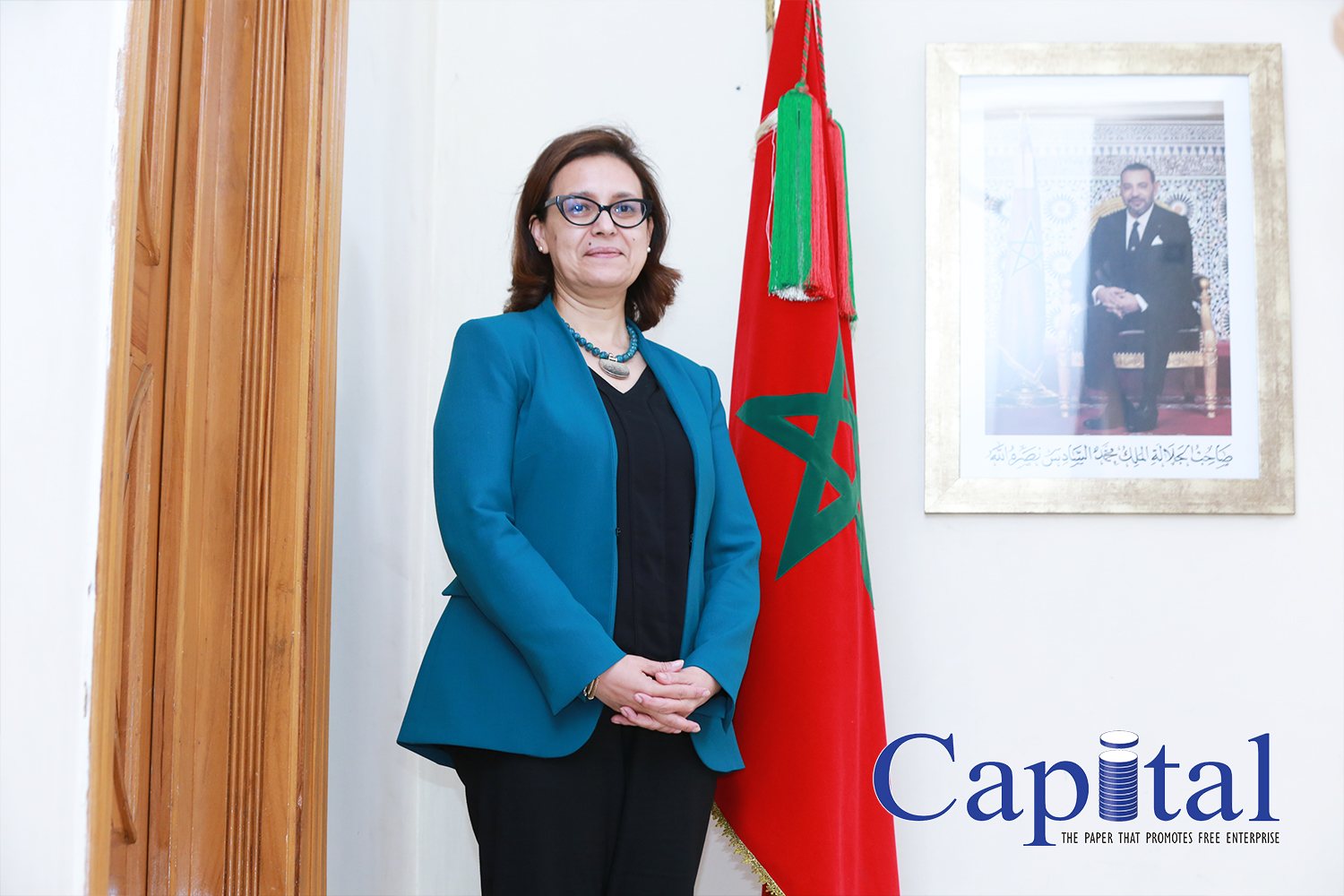
Nezha Alaoui: The return of the Kingdom to the African Union, its institutional family, testifies to Morocco’s unwavering will to initiate a dynamic of global and sustainable development throughout the Continent.
The Kingdom, a founding father of the OAU, has continuously joined efforts with African brethren to hoist Africa to the level of active forces on regional and international levels. Morocco’s action within the African Union draws its substance from this same perspective, as underlined by His Majesty King Mohammed the VI at the AU 29th Summit, held January 31, 2017 in Addis-Ababa: “This is the path to solidarity, peace and union chosen by my country. We reaffirm our commitment to the development and prosperity of African citizens. We, peoples of Africa, have the means and the genius; together, we can fulfill the aspirations of our peoples” said His Majesty King Mohammed the VI. In this regard, AU must provide this space that unites ambitions and pools strategies because its role is crucial to expressing a continental vision which breaks with past approaches. Finally, AU must be the locomotive of an Africa that moves forward, an Africa that trusts itself and an Africa that evolves.

Capital: How successful is the South-South cooperation going?
Nezha Alaoui: On a Continental scale, Morocco attaches priority importance to development, peace, stability and security in Africa. Its action has been and always will be guided by a strong faith in Africa, a Continent which is proud of its cultural and spiritual heritage, and which confidently looks to the future.
Through an authentic and tangible South-South cooperation model, Morocco consolidated its cooperation in the traditional areas of training and technical assistance, but also engaged in strategic sectors such as food security and infrastructure development.
As an emerging African power, Morocco has given more attention to its partnership with Africa, especially through initiatives in South-South Cooperation. In this respect, Morocco, being an African reference in the Agricultural sector, shares with many African countries knowledge, know-how, experiences and lessons learned, further contributing to achieving food security in Africa, by supporting sustainable agricultural production in order to benefit local farmers.
With the Ethiopian Government, Morocco is proud to establish a strong partnership in the field of Agriculture, through the OCP Company, mainly in the fertilizers supply and expertise sharing.
His Majesty’s 2016 Visit to Ethiopia was a historic moment in the bilateral relations between the two countries. It allowed the signature of 12 Agreements, which include the MoU to set a factory for fertilizers production, named Dire Dawa Fertilizer Complex. Aiming to be a model in the South-South Cooperation, the plant is set to support Ethiopia reaching self- sufficiency in fertilizer production, with prospects of investing in its potential for exportation too.

Capital: Ethiopia’s former Ambassador to the Kingdom of Morocco, Yeshi Tamrat, has been bestowed by His Majesty King Mohammed VI, King of Morocco, with the Alawite Wissam of the Order of Grand Officer at the end of her mission in the Kingdom of Morocco; tell us about that?
Nezha Alaoui: I felt extremely honored to award this Decoration to H.E. Ambassador Yeshi on behalf of His Majesty. This decoration, which was created over a century, is one of the most prestigious Royal Decoration in the Kingdom awarded to foreign dignitaries. It is a high-level decoration graciously bestowed by His Majesty upon her Excellency Ambassador Yeshi in appreciation of her noble endeavors to upgrade the brotherly bilateral relations between Morocco and Ethiopia. It is also a recognition of her distinguished and significant contribution to strengthening bilateral relations between our two countries.
It also reflects the high quality of relationships that so happily exist between our two brotherly peoples and countries. In fact, Ambassador Yeshi, who was assigned in 2016 in Rabat to reopen the Ethiopian Embassy, has played, since, a pivotal role in this contemporary era. She is indeed a distinguished and highly qualified diplomat who performed her duties with devotion, professionalism and commitment. During her term, we witnessed two successful Royal Visits to Ethiopia, to which her contribution was instrumental, and during which fundamental agreements were signed and to consolidate the foundations of a rich and promising future for our relations.
She has also greatly contributed to promoting bilateral ties through coordinating officials visits to both countries. She played, in this regard, an important role in promoting economic, trade and business links between the two countries. Since her assignment, both countries has also successfully organized, among others, three editions of the Moroccan Ethiopian Business Forum.

Capital: What are the cultural ties that Morocco and Ethiopia share?
Nezha Alaoui: Taking the geographical distance between Morocco and Ethiopia into consideration, anyone can assume lack of common values in both countries. However, there are core values and cultural similarities in common.
Morocco and Ethiopia are both lands of tolerance and coexistence between peoples and religions. Since my appointment as an Ambassador of His Majesty to Ethiopia, I have realized, in the daily life situation, that we have core values in common that are related to our identities, civilizations, history, tolerance between religions, coexistence, firm and strong determination to move forward, and success stories in development.
The other point I noticed also that we have in common is our cultures and traditions much similar with the Ethiopians. For instance, in Morocco we have a kind of music and dance very similar to the Ethiopian ones. We use the instrument that is very famous here which is Masinko, we also use it in Morocco.
We are encouraging the participation of the two countries in the events held in Ethiopia and Morocco in order to reinforce the cultural bilateral ties. In this regard, we witnessed the participation of Fendika Group in Timitar international Festival, held in Morocco in June 2019. Later in November 2019, the same Ethiopian music group with other Ethiopian delegates, has participated in the “Visa For Music” festival in Morocco and its Fendika Group Director was awarded on this occasion.
We are very pleased also that one famous traditional Moroccan group visited Ethiopia, on the occasion of the reception organized to celebrate the National Day of Morocco in July 2019. I am sure that the next will be full of cultural exchange activities between the two countries due to the existing potential in this respect.
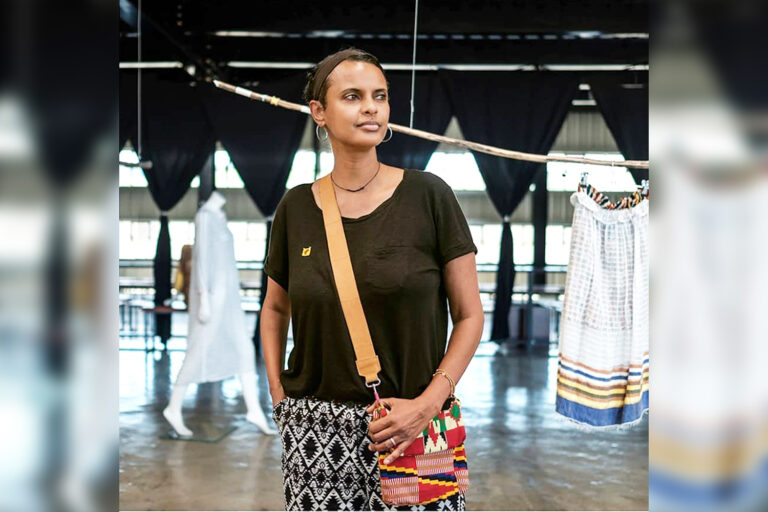
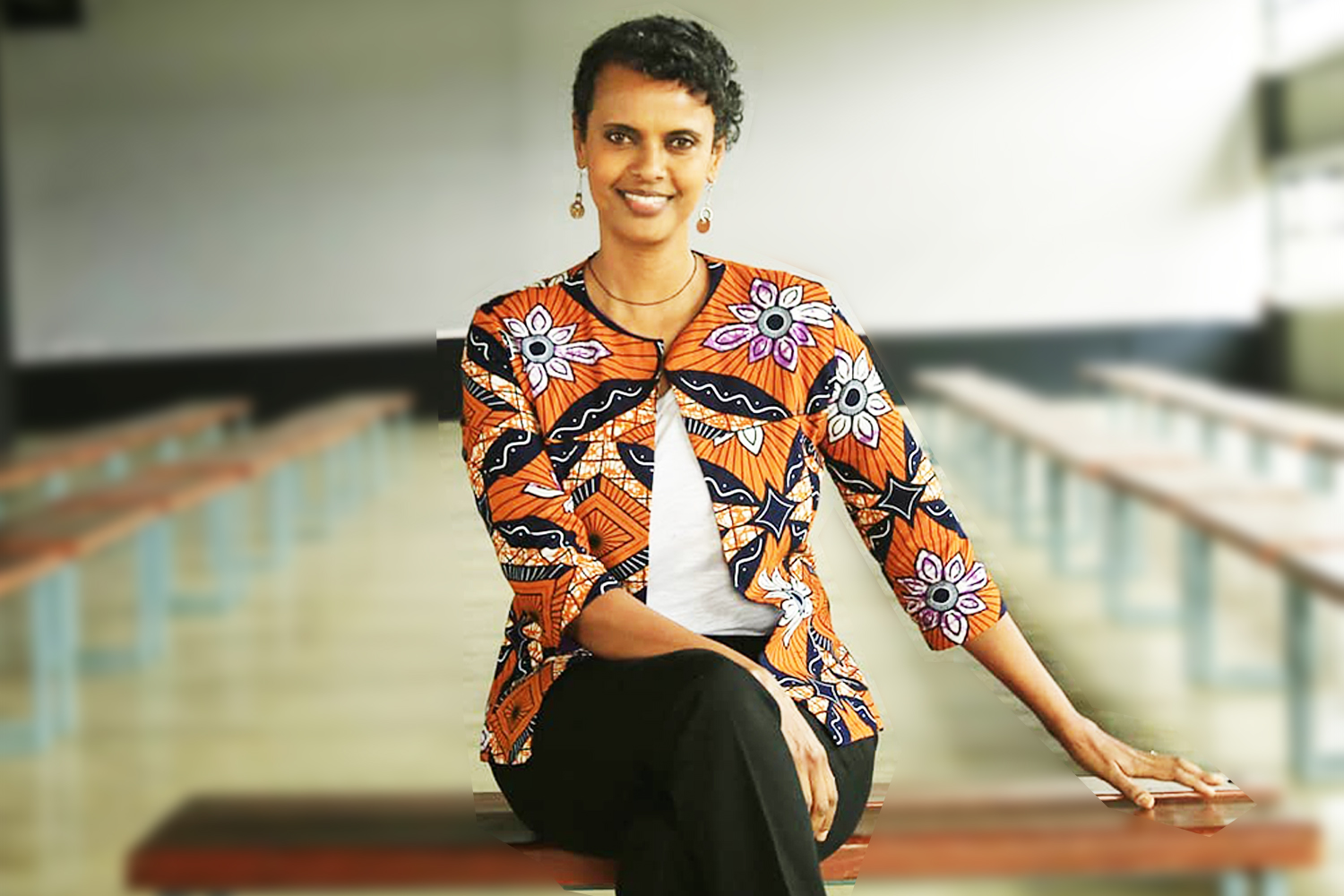
African Mosaique Fashion Festival AMFF2020

0

On December 12 and 13, 2020 the fourth Annual African Mosaique Fashion Festival will take place at the African Mosaique Design Center and Manufacturing Hub, Legetafo. This event attracts more than 1,000 guests annually from the business and international community, government officials, diplomatic community, designers and press. This year due to Covid- 19 a digital platform will be introduced where the entire festival and fashion show will be available on You Tube and Instagram TV for an international audience of thousands of viewers. The event will follow proper COVID protocol to protect the safety of our guests and participants.
African Mosaique Design Center and Manufacturing Hub, the first of its kind in Ethiopia, will continue celebrating local Fashion while identifying and promoting emerging designers, as well as provide training, production, and showcasing facilities for emerging and established designers alongside networking and business facilitation.
With a firm base now in Ethiopia, African Mosaique will continue to play a lead role in developing innovative and inclusive platforms to engage and advance the local and African fashion industry.
The two-day festival is packed with a fashion show and exciting shopping experience from some of Ethiopia’s creative emerging talent and award-winning established designers.
Live band, interior design installations from leading furniture designers and display of Art and creative works from up and coming artisans and designers will be showcased.
African Mosaique (AM), is primarily a high end-fashion and clothing production enterprise, export- oriented, registered in Ethiopia, and operational in the Legetafo area on the outskirts of Addis Ababa. AM designs, manufactures and markets high end, value added garments, with fabrics and other raw materials sourced primarily from Ethiopian and other African textiles mills.
The company employs mostly women, many who are young trainees and from low-income segments. The company also provides mentorship and collaborates with up and coming young designers and entrepreneurs in the fashion and apparel industry. It serves as a platform to emerging and established Ethiopian and other African designers, by providing on-job training, transfer of knowledge and marketing opportunities.
Following its acquisition in 2015 of 9 000 square meters of land in a light industry area on the outskirts of Addis Ababa, AM has built an integrated design centre and manufacturing hub for itself and other small and medium sized designers. The centre and hub, the first of its kind, produces thousands of designs and garments each year, as well as provide training, production and showcasing facilities for other designers. Owned and managed by Anna Getaneh, an Ethiopian social entrepreneur and fashion designer, has worked in Europe, the US and South Africa for many years, where she had a successful international modeling career. She is also the Founder and Chairman of the ECF Children’s Fund, an educational and training NGO.
PARTICIPATING DESIGNERS
Birabiro by Meron Abreha
Meaza Clothing By Meaza Beyene
Shadez by Solome Kiflu
ESTABLISHED DESIGNERS
Yefiker BY Fikrte Addis
Lali BY Lemlem T/Haimanot
Ayni’s Design BY Aynalem Ayele
Menena BY Nardos Fekadu
Fozia Clothing and Accessories BY Fozia Endrias
Ye Tsedey BY Tsedey Kebede
Nur Addis BY Nur Kedir
African Mosaique Collection
By Anna Getaneh
BAG & ACCESSORIES BAGS & SHOES
UNDKEN BY Kenny Allen
Kootkeet BY Daniel Taddesse
Tibeb Leather BY Milki Aberra and Yonatan Asrat
Dinksira BY Saron
SCARVES &DIGITAL, VISUAL ART
Lulit’s by Lulit Sahle
Limich BY Yonael Merga
Rn Clothings By Nolawi
Balaabyssinia BY Abraham
Inkdin BY Diana
Abyssinia Design BY Leul
Ethiopian Batik Art BY Nunu and Haymanot
JEWELRY
Ye Abyssinia By Meklit Getachew
FURNITURE DESIGNERS / INTERIOR DESIGNERS
Zola’s Play ground By Zola
Rainbow Foam By Yeabeseleom
T’chakka BY Feven Tsehaye

The Last Supper The Slaughter Camp

0

By the Queen of Sheba
On November 3, 2020, the indomitable and battle-hardened Ethiopian National Defence Force-Northern Command went to bed following a festive day under the treasonous gaze of the Tigray special forces and militia. These Tigray forces were callously waiting to commit a treasonous act of biblical proportion on that fateful night.
On this night, these forces viciously attacked the Command in highly coordinated and cowardly manner both from inside and outside the camp while the army was asleep in their underwear-barehanded. Based on a secretly documented list on the identity of officers and high-ranking commanders they mercilessly and systematically massacred the Command as they ambushed them. Those who refused to abandon the National Force were instantly murdered in a vicious and barbaric way.
Even soldiers were not spared either. According to first-hand account, both men-and women-were savagely slaughtered by slicing their throats. After these heinous and gruesome acts, they went about rubbishing bodies, dancing over them and then burning some, leaving the rest to scavengers-and hyenas to feast on.
Oh, yes, in their mini act of mercy, they forced those they captured to undress and remove their shoes and driving them out-where they were reportedly clothed and fed by Eritrean forces-the very force they were deployed to counter.
After the unprecedented and dazing attack of the Northern Command-considered the largest, highly equipped and trained national force-the spokespersons of the Tigrean Peoples Liberation Front (TPLF), who controls the special forces and the militias, bombastically asserted that they are now in full control of the Northern Command with all its massive military might while admitting the annihilation of some of its elements. They even declared that they were now “equally if not more” equipped militarily and logistically to repulse any attempt by the National Defence Force literally committing a coup d’etat.
While TPLF first managed to confuse the world by insisting that they acted in self-defence, they later went about boasting that they attacked the army with a thunderous pace only comparable to the Israeli pre-emptive attack during its war with the Arabs. They bluffed that the borders-both air and ground-were closed and anyone who dared violating it will be buried in the grounds of Tigray. And more.
Prime Minister Abiy Ahmed, whose endless patience towards the TPLF had been paining many, was left with no option but to direct the armed forces to immediately repulse the daring attack in the interest of the rule of law-and saving the country from total disintegration. The heavily wounded army, which felt massively betrayed by its comrades, got quickly re-organized and re-fitted to repulse the cowardly assault changing the dynamics of the war in a lightening speed capturing major towns and cities, destroying and dismantling forcibly and surreptitiously amassed and hidden arms and depots and taking thousands and thousands of militia and special force members as prisoners.
The sheer bravado of invincibility of the TPLF which has been projected-and replayed and reminded to all real and potential adversaries-in a national celebration every year on Ginbot 20 (May 28, when they marched on Addis Ababa) instantly evaporated as the National Defence Force routed them in an humiliating blitzkrieg. The TPLF hurled a few misguided rockets to major cities of Gondar and Bahir Dar as well as Asmara, to internationalize the conflict, in vain.
At the time of this writing Mekele, the regional capital of Tigray, where the treasonous cabal of TPLF are holed up, is facing the fury and rage of the wounded and betrayed but, highly-spirited, army from four corners with the end results too obvious to contemplate.
My-Kadra: The Blood Bath
As is often the case the first victims of violence are typically women, children and the aged. But the fleeing and marauding militia and special forces turned against all human beings-specially men-killing victims, in all sorts of barbaric manner: strangulation, slitting throats, using machetes, axes, knives-and then dumping bodies and burning them. At least 600 victims have been confirmed by Ethiopian and international human rights institutions, but the recent discoveries of multiple bodies strewn along streets and fields indicate the number may escalate to thousands.
The massacre of My-Kadra came at the heels of defeat of the Tigrean cabal on the western flank as they were fleeing the advancing National force. The victims who were systematically identified were virtually all Amharas whose land was forcibly seized by the cabal when it took power some 30 years ago-annihilating and displacing the Amhara community there ever since.
In an unprecedented fate of international migration, those fleeing to the neighboring Sudan were not the typical women and children, but young and energetic men-most of whom members of the militia and special forces who committed the heinous crime. Reports indicate now that these vanquished forces, masquerading as fleeing civilians, continue to commit similar crimes in refugee camps in Sudan.
The Global Media
We live in an era of fake news exacerbated by the proliferation of media sources and platforms. No wonder the real story of this conflict was deliberately and irresponsibly manipulated by paid operatives and shenanigans of the TPLF. Personalities hiding under the guise of scholarship and journalism pontificated and manipulated facts and exaggerated scenarios to rescue the TPLF.
They first inflated the invincibility of TPLF forces, after its pre-emptive attack and amassing arms of the Northern Command. Later on, when they were beaten badly, they created a narrative around human catastrophe in the interest of throwing a life line to TPLF.
The so called Crisis Group Africa analyst such as William Davidson, a university-based academic Alex de Waal and other armchair analysts who featured on multiple media and major platforms have pushed the limits of credibility of their person and their institutions. To be sure, this war has exposed a multitude of open and concealed TPLF operatives at regional and international level.
What is however truly regrettable is how major media outlets, such as the BBC Amharic and English, Aljazeera English, DW (Germany), have been manipulated to misinform and misrepresent facts and scenarios. Even some of the most prominent fora such as the Brookings Institute and Foreign Policy entertained wrong and one-sided news and views. Just a couple of days ago a mis-statement reported by BBC mis-quoting the Prime Minister had to be taken down after some 4 hours-only after it was already widely circulated by TPLF and its operatives.
The significance of this biased reporting is far reaching in its denial of facts, fabrication of falsehood and one-sided narrative favorable to TPLF. The credibility of these institutions has been eroded so much so that the often-suspect government media have now become a source of more trustworthy information.
The Last Supper: The Irreversible Outcome?
War is never a good deed. But it becomes inevitable when imposed on one for the sake of its very survival. During the Second World War, the victorious Allied forces had to confront Hitler, Mussolini and Hirohito for their own very survival who later crafted the chapters for global security and avoid such conflict in the future.
At the end of this conflict, a number of positive developments are anticipated which could not have been possible had it not been for the preemptive attack and the counter response.
The invincibility and dominance of the TPLF-which loomed large in Ethiopia and beyond- will be shattered and buried once and for all. Its overbearing presence in the army, intelligence, business, finance and economy would be cut to size.
All other tentacles of its making and funding would also be liquidated in due course unless they simply surrender or melt away. This creates a huge opportunity for a free, open and democratic national dialogue-and life-with as little challenge as possible.
The rightful return of lands that were forcibly and shamelessly seized by TPLF following its rule in 1991 would be resolved once and for all now that the owners have fought and regained it.

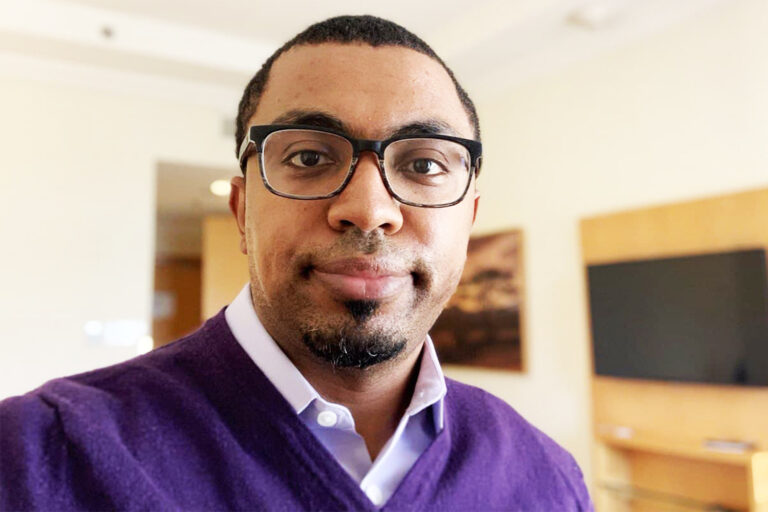
Alem Abreha

0

Name: Alem Abreha

Education: MSC Computer Engineering

Company name: Gooday Online LLC

Title: Founder and CEO

Founded in: 2019

What it does: Digital Marketing Automation and Data Analytics

HQ: Herndon VA, USA

Number of employees: 5

Startup Capital: 250,000 USD

Current capital: 150,000 USD

Reasons for starting the business: Building a highly profitable technology and data firm

Biggest perk of ownership: Unleashing gig economy and digital enablement

Biggest strength: Vast experience and talent

Biggest challenging: Internet connectivity and smartphone penetration

Plan: Realizing a B2B2C digital marketing platform and automation that fits the context of Ethiopia

First career: Network Engineer

Most interested in meeting: Arkebe Oqubay

Most admired person: Abebech Gobena

Stress reducer: Team building exercises and volunteering activities

Favorite past time: Family time

Favorite book: What you do is who you are, Ben Horowitz

Favorite destination: The Maldives

Favorite automobile: Tesla Roadster