

The Compact with Africa (CwA) is the first comprehensive initiative between the G20 and Africa. The Compact with Africa’s primary objective is to increase the attractiveness of private investment in Africa through substantial improvements to the macro, business and financing frameworks. It aims to leverage private financing for infrastructure projects via blended finance to mobilise subsequent foreign direct investment (FDI) flows.
Do good governance and good institutions help attract private capital flows? If they do, can we expect these private flows to stimulate sustainable transformation by promoting structural shifts towards higher productivity? A number studies shown that there is no straightforward answer to this question.
Firstly, while global private capital has been shown to be highly cyclical, driven by United States monetary policy and risk aversion and thus by push factors, equity flows, both portfolio equity and Foreign Direct Investment (FDI), have been shown to be pulled in by better governance and institutional scores. Secondly, private flows can be both disruptive and transformative: disruptive, often as a result of excessive and mismatched debt that eventually leads to financial crises; transformative through the removal of infrastructure bottlenecks or, indirectly, through lowering the cost of risk capital.
It is not a country’s framework conditions but rather United States monetary policy that is one of the principal drivers of capital flow cycles to poor countries. This latter point is especially pertinent today, given that we find ourselves at the tail end of a decade of extraordinary monetary stimulus that is gradually being unravelled. Global risk aversion is another factor as it pushes money into Least Industrial Countries when it is low and pulls it out when heightened. In his article published on “Journal of Economic Surveys” in April 2018, Robin Koepke stated that on an aggregate capital level, push factors such as global risk aversion and external interest rates are found to be most important for portfolio debt flows, somewhat less for banking flows and least of all for FDI.
According to empirical studies, by Andres Rodriguez-Pose and Gilles Cols, portfolio inflows are generally significantly affected by governance measures such as the rule of law, property rights and institutional quality. Similarly, with regards to sub-Saharan Africa (SSA), studies tend to find that the rule of law and institutional quality are significant but further report that political stability and government effectiveness are also decisive. However, even with relatively good governance indicators, portfolio flows have been deterred by the regions poor record when it comes to rule of law and political stability. So the CwA’s emphasis on governance and institutions to attract private cross-border capital to relatively well-run African countries was coherent with respect to its initial focus on portfolio flows from large institutional investors such as pension funds.
The 2018 African Economic Outlook report indicates that infrastructure funding is crucial for Africa’s sustainable transformation. Yet, a significant infrastructure financing deficit, estimated at between 68 billion and 108 billion US dollars annually, needs to be bridged. Given the notorious lack of infrastructure in Africa, which acts as a bottleneck to intraregional trade, urban habitat and rural development, and hence also to transformative growth, the main sources of funding for infrastructure in Africa do not suggest that they have been held back by Western-style governance standards.
What about the flow-transformation nexus? The Compact with Africa aims to foster the conditions for long-term private investment, investment in infrastructure and also for economic partnership and employment in African countries with the objective of promoting sustained and inclusive growth. Institutional investments by both pension funds and life insurers as well as FDI can benefit Africa. Institutional investors enjoy long-term liabilities in their balance sheets, unlike commercial banks or hedge funds, which are essential to fund Africa’s infrastructure and a key growth prerequisite for the continent.
FDI, in turn, requires a modern infrastructure, particularly energy and connectivity, to fully utilise its external benefits. FDI can entail spillovers contributing to the modernisation of production capacity, knowledge transfer, integration into global and regional value chains, and also employment for the jobless. Unlike portfolio flows, corporate FDI reflects a long-term commitment and is hard to reverse, thus providing stability. However, in view of analytical and empirical evidence for List Industrial Countries, trust in the role of cross-border private capital flows to low-income Africa is controversial.
Although finance is needed for economic development, excessive or unstable cross-border flows can damage economic growth, impede poverty alleviation and exacerbate income inequality. List Industrial Countries continue to experience strong pro-cyclical swings in external financing in terms of availability, maturity and cost. Yet they lack the financial safety net provided by swap arrangements among central banks in developed countries to manage these cycles.
Debt-creating flows, in the presence of narrow and illiquid domestic financial mar- kets, introduce currency and maturity mismatches into corporate and government balance sheets. These balance sheet mismatches have repeatedly proved to be time bombs. The nature of equity flows, by contrast, is much more development friendly. List Industrial Countries seek to attract FDI to benefit from the associated external benefits via technology, learning, integration into value chains and global market access. Portfolio equity inflows can, but do not necessarily, stimulate long-term growth prospects. They help to develop efficient stock markets and foster economic growth by reducing the hurdle rate for investments and small business development.
FDI is an accounting convention not a net private capital flow, as it may be funded by local debt or by imported machinery. Large one-off merger and acquisition deals and corporate restructuring may inflate FDI numbers, while greenfield investment counts mostly for productivity enhancement in a low-income economy. FDI statistics also reflect other factors, including tax avoidance, which makes it difficult to differentiate between FDI for long-term investments, which serves as a source of growth, and FDI that is purely financial and has little real economic impact as it merely passes through an economy.
This latter type of FDI also obscures the ultimate sources and destinations of FDI. There is emerging evidence that FDI can also be pro- cyclical, and there is mixed evidence on the relationship between FDI and productivity in different sectors. Recent research has identified a negative relationship be- tween FDI and productivity since 2000. It was found that the composition of FDI was concentrated by sector and that those sectors (such as extractives) had a negative impact on total factor productivity and for promoting transformational growth.
In a much-cited paper, Helene Rey provides conclusive analytical and empirical evidence to this effect. She argued that gains to international capital flows have proved elusive whether in calibrated models or in the data. Large gross flows disrupt asset markets and financial intermediation, so the costs may be very large. To deal with the global financial cycle and the dilemma, we have the following four policy options: targeted capital controls; acting on one of the sources of the financial cycle itself, the monetary policy of the Fed and other main central banks; acting on the trans-mission channel cyclically by limiting credit growth and leverage during the upturn of the cycle, using national macro-prudential policies; and acting on the transmission channel structurally by imposing stricter limits on leverage for all financial intermediaries.
Given this background to private capital flows, the Compact with Africa could be described as audacious. The Compact postulates that macroeconomic stability, an investor-friendly business environment and effective financial sector intermediation are necessary conditions to spur private investment. Kappel and Reisen argued in their study on the Compact that such premises are unsuitable for Least Industrial Countries. All 12 African Compact countries produce such a low yearly income per head that they are either classified as Least Industrial Countries or lower-middle-income countries.
The strong negative link between per capita income and the relative importance of private finance in cross-border financial flows may have driven the Compact with Africa, notably via instruments of risk mitigation. Of course the negative link works both ways: It would be impressive if the Compact with Africa managed to meet the challenge of stimulating private flows into African compact partner countries. The same expectation should reasonably also hold ex-ante for African infrastructure funding. Traditionally, the private response to funding African infrastructure has been negligible.
The G20 Compact With Africa And The Controversial Role Of Private Foreign Capital
Why is Physical Activity Important?
Staying physically active is very important. It shows that you care about your health and well-being. Usually, those who prefer outdoor activities are running or walking. When the weather conditions do not allow this, some people go to the gym. Those who enjoy sports and are more physically active can do different exercises. Doing physical activities do not only improves your health, but it makes you look and feel better.
Release Stress
So, why being physically active is very important? Probably, the biggest reason is to stay away from the everyday routines, which includes family obligations, going to work, watching TV, etc. Physical activities help the body release the stress and anxiety that we collect throughout the day. It noticeably improves your mood and makes you feel happier.
Believe it or not, playing online games is an interesting way to chill out and forget your problems. You can play online casino games while sitting on your sofa and you don’t need to leave your comfort zone. Many of the online casino websites have great selection of games, which are not only fun to play, but you can also earn some money too. They can be any online games including the huge selection of online casino games at Casimba. There is no particular games genre that is especially good for releasing stress. If you are a new player, many of these online casino sites offer bonus packages and promotions you can use to play games for real money.
Body strength
When someone is not physically active, it becomes clearer because the muscles lose their strength and the body slowly loses its ability to do physical activities. Doing exercises is also a good way to keep your energy and be ready to do all the regular obligations. It is known that sitting for a long time increases the chances of developing some cardiovascular diseases.
Something that we all know is that keeping your body physically active also makes you live longer. People who exercise regularly are people who live longer.
Health Benefits
Physical activity is closely connected to the food you eat and your regular eating habits. Obesity is one of the biggest problems nowadays. The reasons for being obese are being physically inactive and eating unhealthy food. A shocking fact is that a third of the USA population is obese. Only 30 minutes of physical activity for adults and an hour for children will significantly improve your health and well-being in general.
It is also a solution for those having problems sleeping at night. Physical activity can also help you fall asleep easily and deepen your dream. However, do not do exercises close enough before you go to sleep. It might boost your energy and you won’t feel sleepy and want to go to bed.
To conclude, being physically active can have many benefits. One of them is increasing the energy level that helps you perform daily activities easily. Another one is the health benefit, preventing many diseases and being overweight. Last but not least, once you try some kind of exercise that you like, you will never stop doing it.
Prosperity Party, TPLF form a committee to discuss the way forward
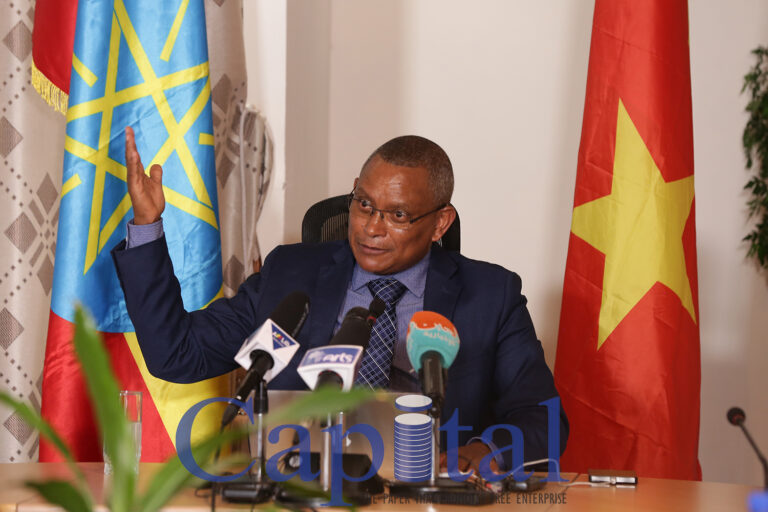
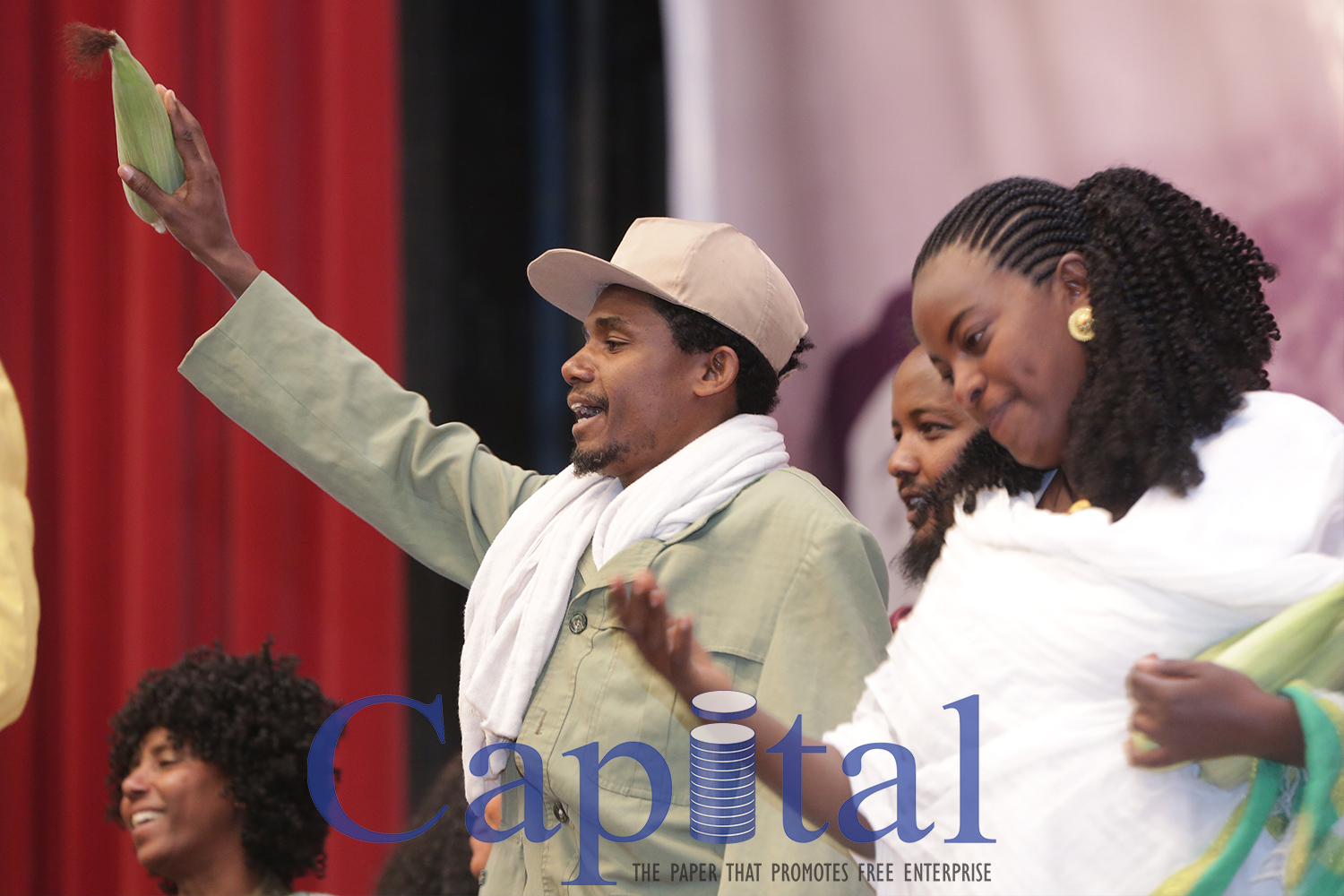
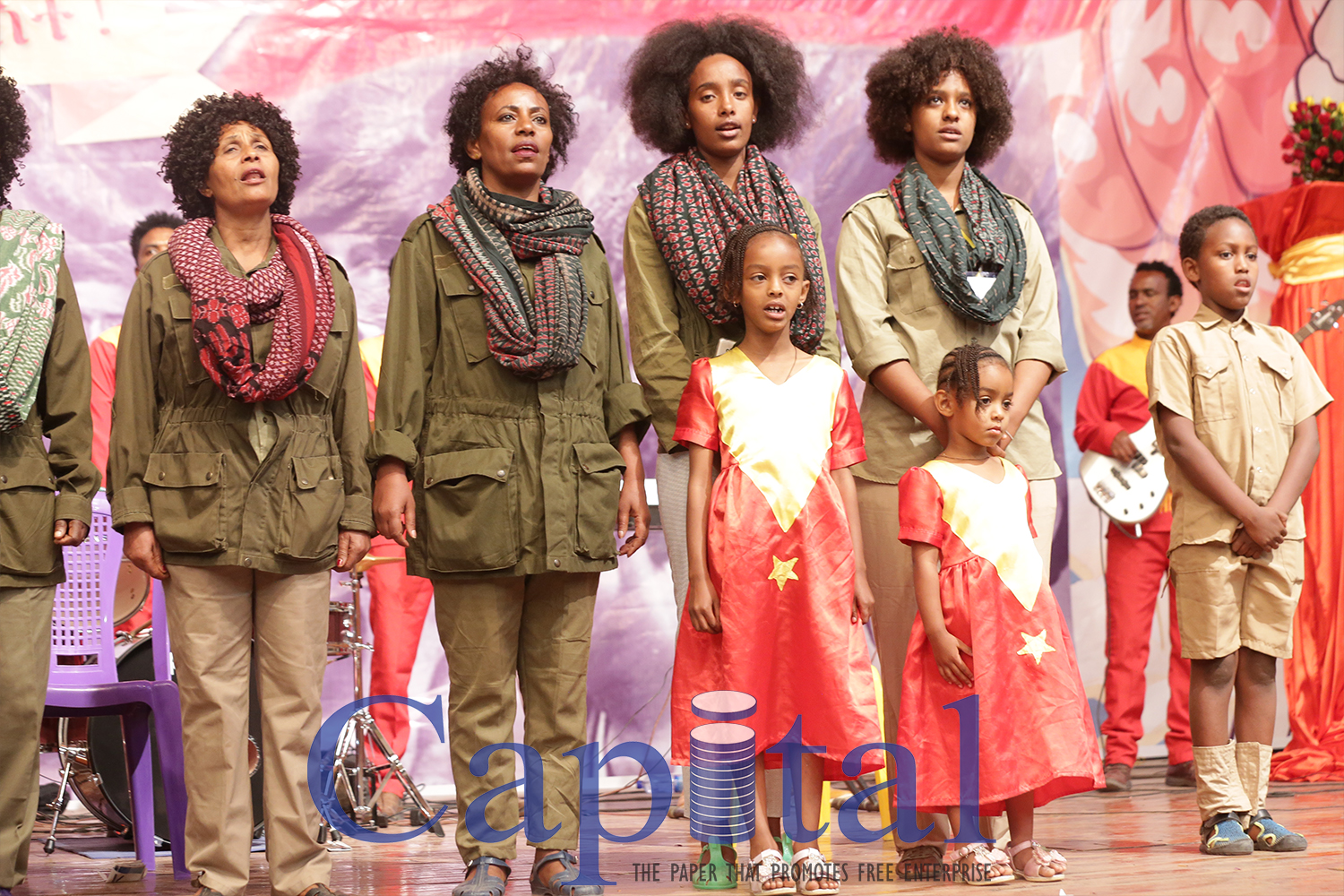
The Tigray Region ruling party and the defunct Ethiopian Peoples’ Revolutionary Democratic Party (EPRDF) dominant player, Tigrean People’s Liberation Front (TPLF) celebrated its 45th anniversary with various programs in different towns of the region and concluded the celebration at Meqelle stadium on February 19.
Besides the celebration the region Deputy President and Chair of TPLF, Debretsion Gebremichael (PhD), met with the media to talk about several issues including the anniversary, relations with Eritrea, relations with the federal government, Grand Ethiopian Renaissance Dam and reform agendas set about 18 months ago.
During the press conference he started by amplifying the 45th celebration of TPLF, which he mentioned one of the long existing political entity, which is not common in the country.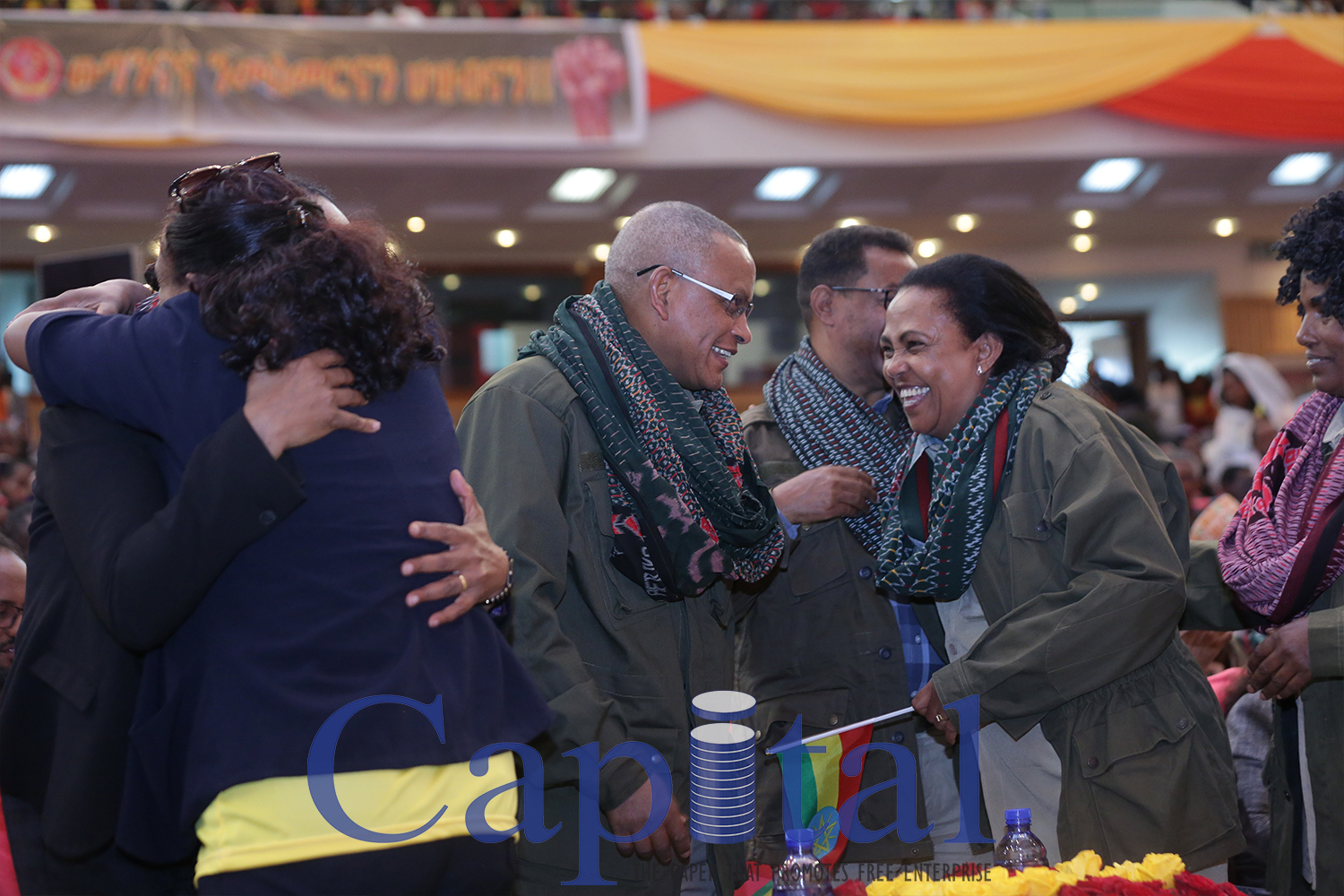
“Several parties were formed but most of them dissolved, while we existed and will continue to exist. In several instances we shaped and reshaped ourselves to adopt new situations and conditions,” Debretsion said.
“The previous value might not be relevant for the current status due to that you have to have new ideas that will help you to continue on the strength,” he added.
“In our country parties or other organizations or businesses will be established but will not be able to exist for a long period,” he said.
“We are not only counting age but it should have values and maturity that educates others,” he explained.
Challenges
The party chair said that since last year conditions that sparks conflict has occurred, meanwhile the regional administration prefers to stabilize the situation peacefully.
“For instance a military convoy was sent to Meqelle Alula Aba Nega Airport last year, which we considered as an offensive attempt to get in to conflict, but by our maturity we settled the case in a calm manner,” the party chair said.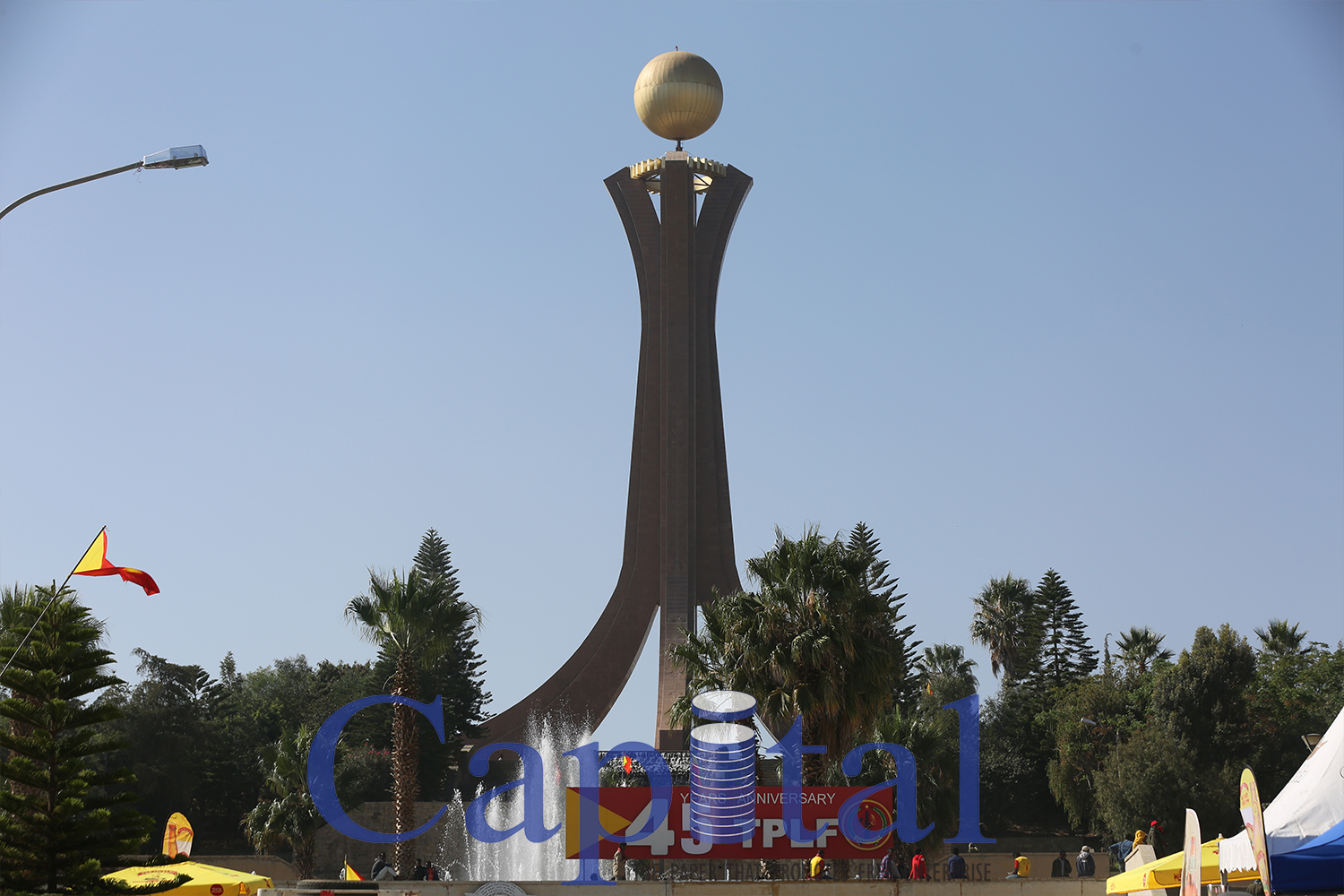
He said that the party doesn’t want the youth to get in to conflict that will return the country back.
“We prefer to bypass the situation smoothly than escalate the conflict plotted on us,” he added.
Regarding peace the region is stable, and rule of law is properly applied in the region, according to Debretsion, while the case in other part of the country is not the same.
“We prefer peace with its own circumstances and problems. For instance even the power transition was held with its own problems,” he said.
Some problems were also observed from the Amhara region including blocking of roads for almost two years, which Debretsion criticized as attempt to spark conflict between the two regions.
Democratically experienced countries did not come to their current stage without problems and errors in the election process but that is changed throughout time. “For instance blacks, poor or women were not eligible to be elected or to vote but that is changed throughout the year. We have similar stand the election should take place periodically despite problems.”
“Institutionalizing the administration is crucial and that is why we are saying the election should happen,” he said.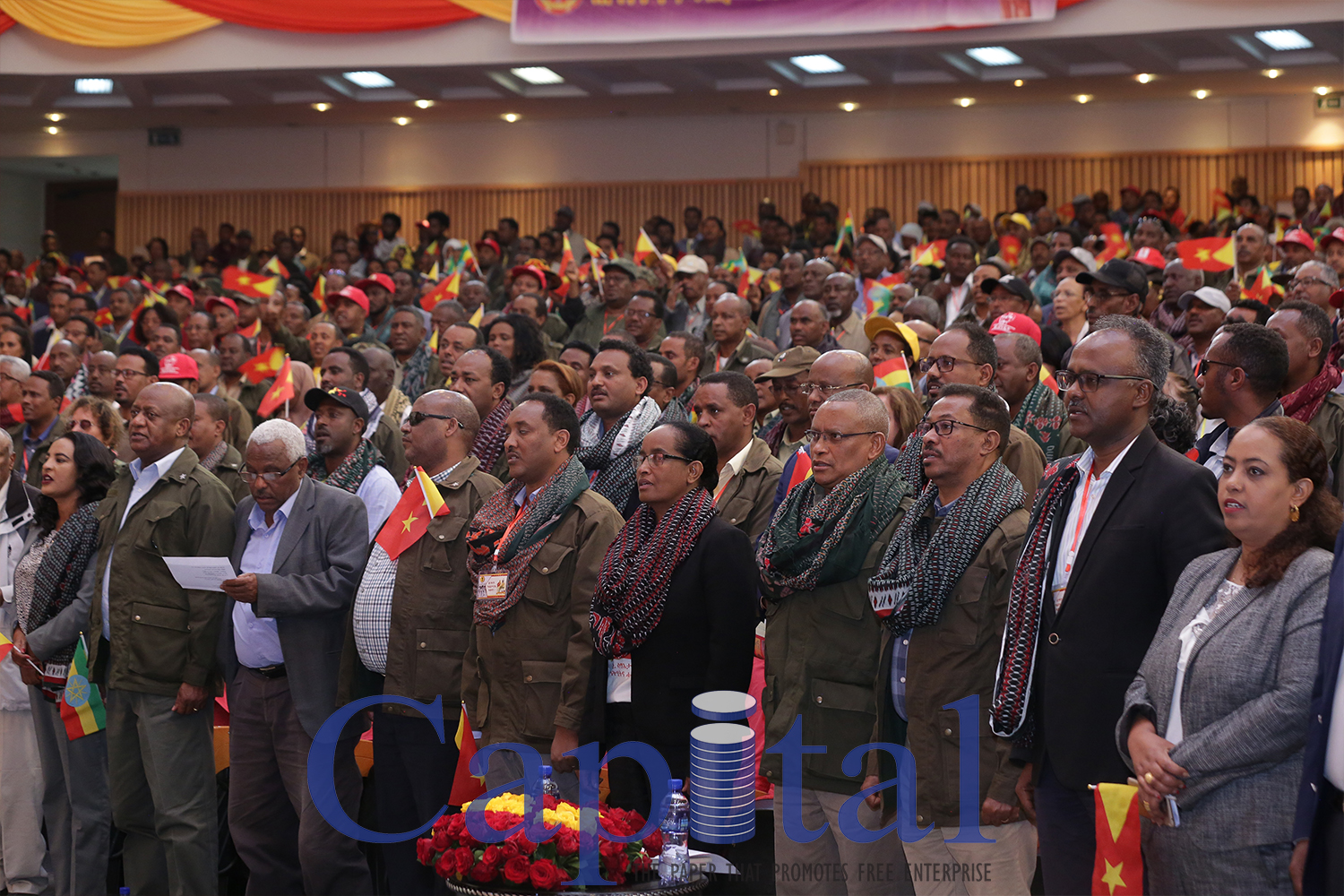
“We are not afraid and we have also a capacity to prevent any military actions. There is no one that can crush us but we prefer institutional leadership and rule of law,” he added.
He said that at the same time everybody should respect each other otherwise alternatives are there.
New committee
“In our letter sent to PM Abiy we have clearly stated why we could not join Prosperity Party (PP). We have our differences on policy and programs like economic policy and others but we have to talk with them to see the way forward,” he said.
To see the way in the future and work together the two sides, Prosperity Party (PP) and TPLF, agreed to discuss further.
For the discussion a committee comprised from both sides is formed. “On our side we have assigned individuals from executive committee of TPLF for the joint committee,” Debretsion said.
He confirmed that as per his discussion with the PM representatives from PP are assigned for the committee. However he does not mention about developments regarding the discussions.
He said that division is a good opportunity to come up with different ideas and views for the country and it should be appreciated.
Reform
Under the reform that comes after the unrest in Oromia and Amhara regions, opened up the political space, solve the good governance issue by EPRDF. Since then the party undergoes several social, political and economic reforms.
“TPLF is a pioneer to get on detailed changes in the region,” he said. The central government is not going as per the evaluation, he criticized. He said that there is instability in the regions like Oromia and Amhara but “those regions are stated as the spot for the change.”
“Change could not be counted by the amount finance that the country secured from international partners. It might help the development of the country but actual change comes from the grass root level,” he added.
He criticized the refurbishment of the palace saying that there are several issues that have to be changed first.
Since PM Abiy Ahmed came to the premiership he has refurbished the historical palace and opened it for visitors and the palace became one of the hottest touristic places in Addis Ababa after a long time.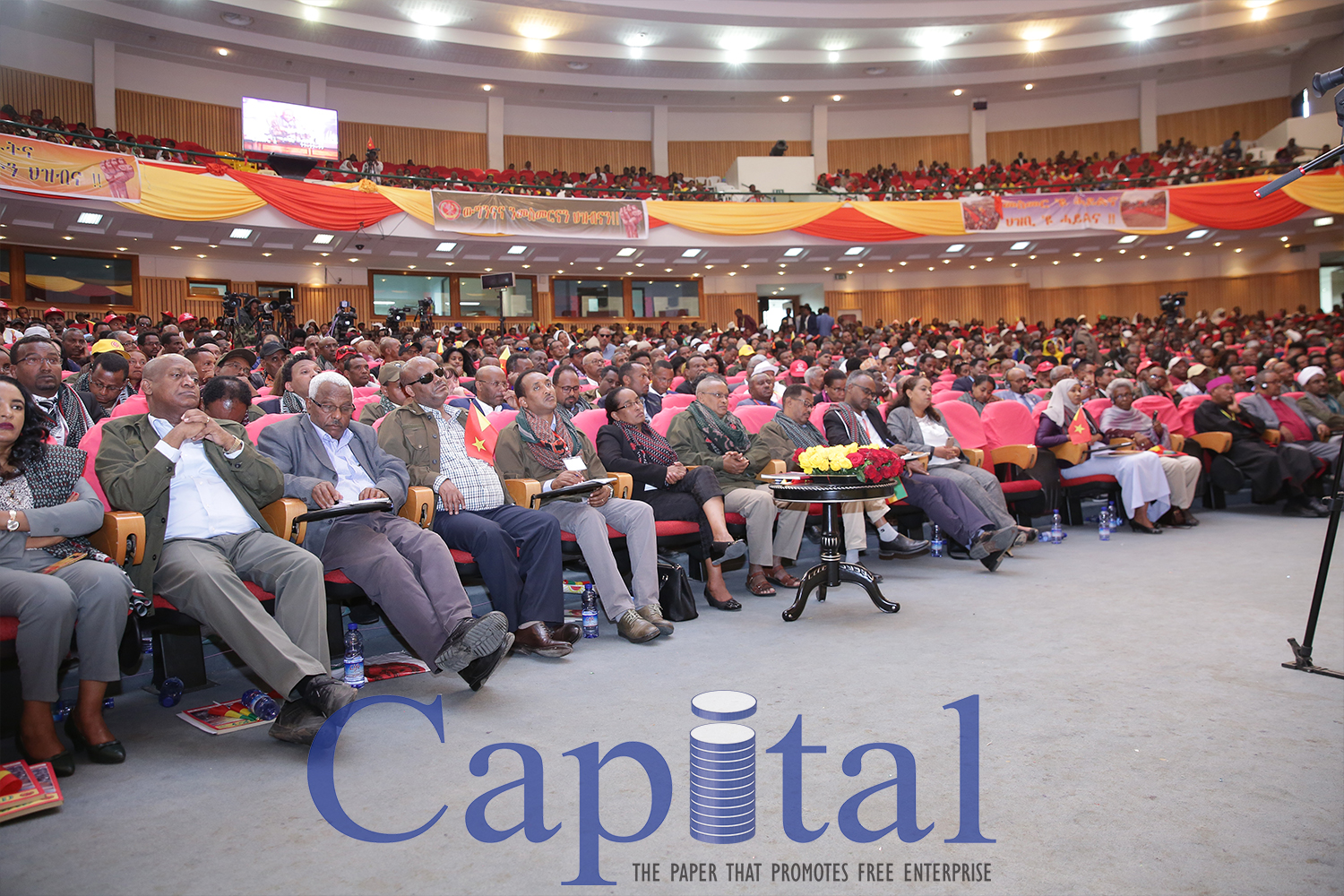
He said that TPLF is running the reform agenda properly including mobilizing scholars from the region and the diaspora to undertake detail studies to meet the expected changes in the region. “Various areas in the economy, social and other points were included on the reform agenda that is studied by scholars,” he added.
“Based on our evaluation that was done some two years back, we have formed 14 committees in the region to improve the public demands,” he added.
“Meanwhile mutual agreement was good and difference is not bad and we can continue under the federal system with other ideas,” he explained why his party declined to be part of the newly established Prosperity Party that included three former EPRDF members and other affiliates from five regional ruling parties.
“We can work together with a difference and that should be adopted,” he added.
Hiding suspects
The regional de-facto president said that there are suspects in several parts of the country that failed to appear in court and not only in Tigray.
According to Debretsion, suspects “will hide and that is common.” According to the latest information of Office of Attorney General there are four suspects that are hiding in Tigray but “when it is compared with other regions the suspects that are hiding in Tigray are very few” he said.
“But the case of Tigray is amplified and that is politically motivated. If the case was not politically motivated we are not interested in hiding any suspects. We have transferred Kinfe Dagnew, former head of Metal and Engineering Corporation, but they use it for political purpose and released a documentary that is against the law of the country,” he added.
“We believe that no one should hide from the law but it should be equal for everyone and clean from political motives. And other suspected individuals in other regions should be transferred for the federal government,” he underlined.
Eritrea
According to the TPLF chair, solving the soar relation with Eritrea is the initiation of TPLF that was raised and started before PM Abiy came to power and accepted by EPRDF. The tension between the two countries affected the economic condition and growth of the region since the tension would not invite investors to Tigray.
It is not a political maneuver, we want to improve the condition, while the mission should be run by the central government to finalize the peace process.
“We are not a state but the Eritrean president on his latest interview mentioned TPLF frequently, which is improper,” he criticized the President’s approach that threaten the regional security.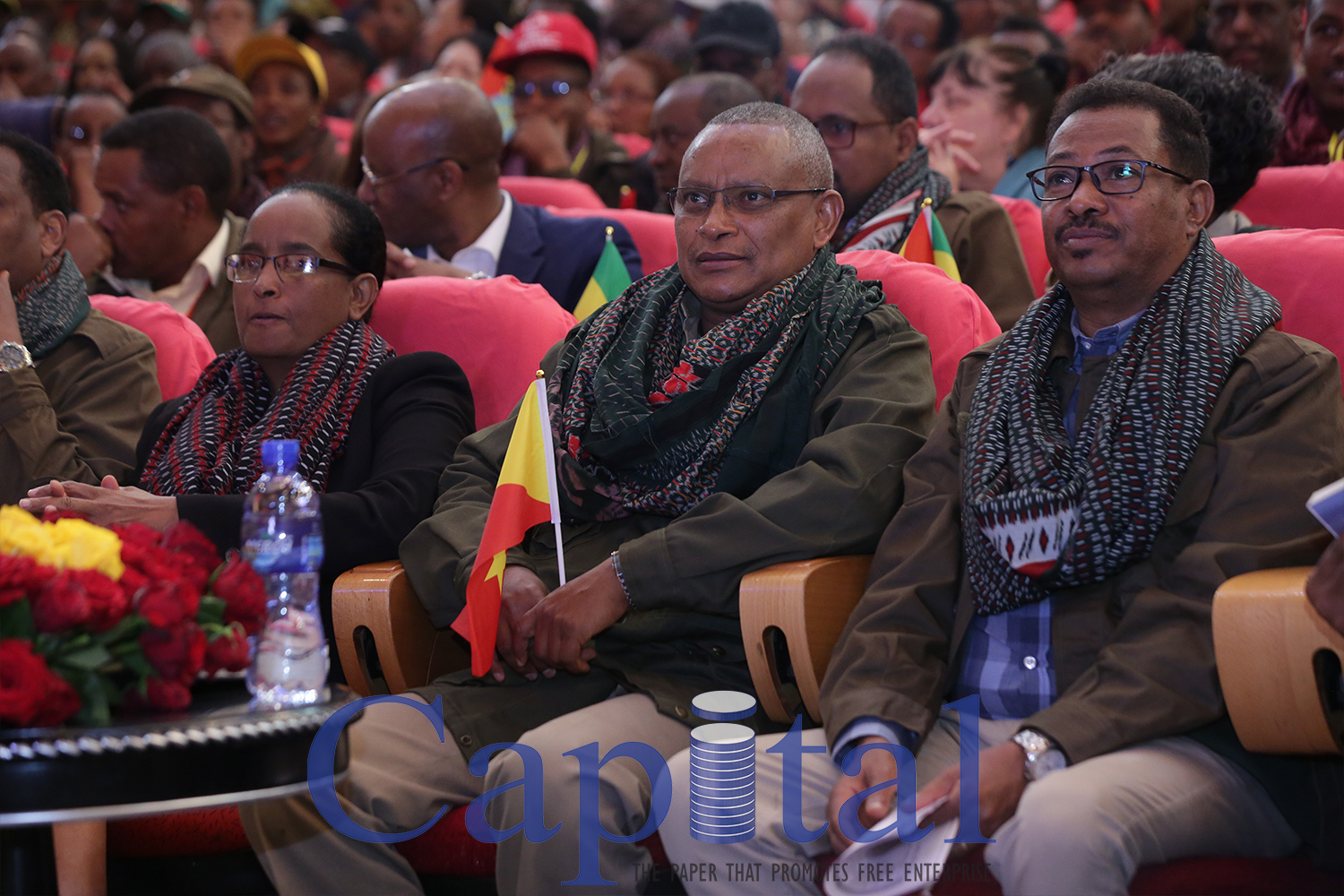
“He is not in charge to talk about the region. It is literally interference in internal issue of a country that should be condemned by the parliament that is what I stated in my speech on the 45th anniversary,” he said. “There is no one who criticized the Eritrean president statement, relevant government body like the Ministry of Foreign Affairs and the PM should give statement on the issue,” Debretsion added.
The issue was not about Bademe according to TPLF head adding, the issue is undertaking the peace process on structural manner. “Since we are applying the court decision there are also a settlement that Ethiopia wants and the settlement process should be inclusive of all relevant sides,” he said.
He claimed that only the two leaders (PM Abiy and President Issayas) are discussing the issue.
Eritrean president has claimed that TPLF resist applying the peace process, while the party leader argued that it is not the mandate of the region.
Ministry set to collect 3.8 trillion birr by 2030 from tax
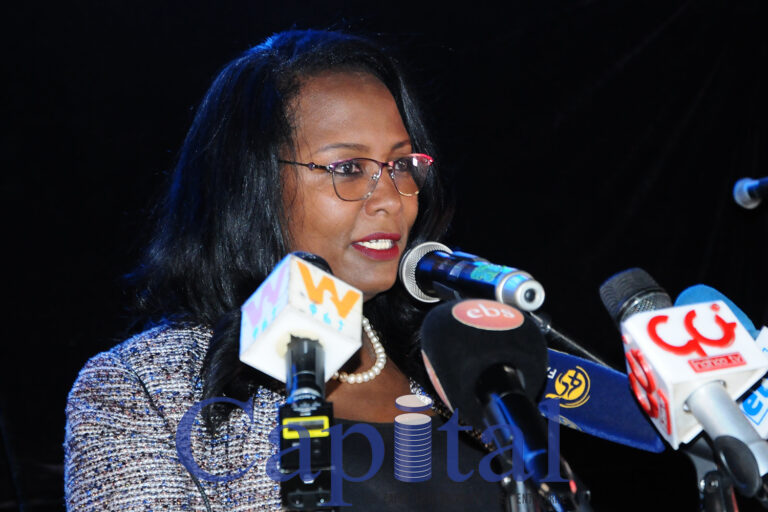
The Ministry of Revenue is set to collect 3.8 trillion birr by end of 2030 from tax and tax related services.
According Adanech Abebe, Minister of Revenue, the ten year plan will cover 85 percent of the finance needs of the nation, on sustaining the rapid broad based and inclusive economic growth.
“We are planning to achieve this provided that the economy will grow as planned,” said Adanech.
“To achieve the goal the ministry is working on advancing its services and the system” said Adanech.
As stated by the minister, the Ministry is working on three main issue, to develop systems and tax laws based on international experience, implementing technological information system and creating well educated human resource to the service,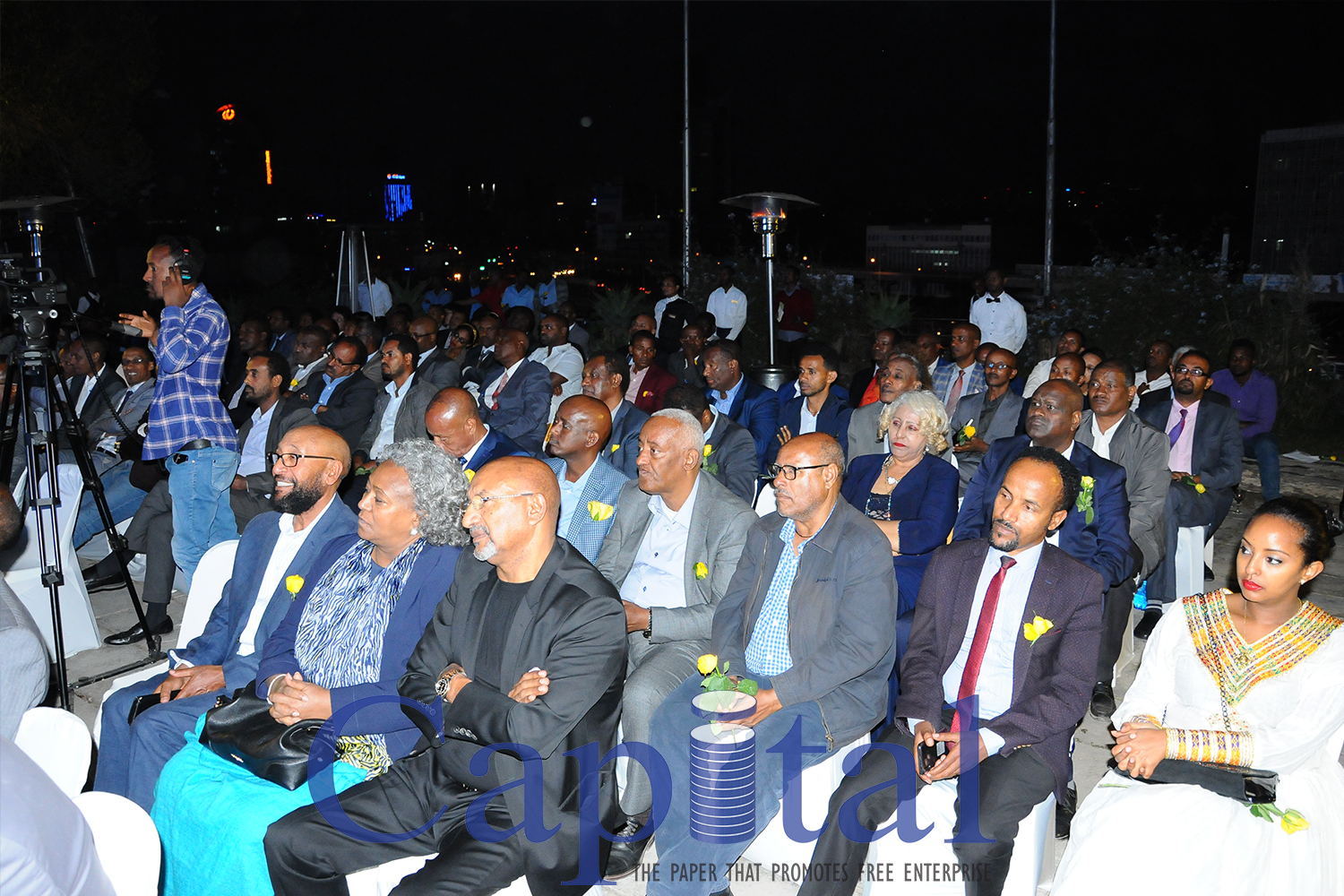
The authority was planning to reach its revenue to half a trillion birr until the end of Ethiopia’s Growth and Transformation Plan II (GTP II) which was supposed to end this year. However at the end of the 2019/20, the plan is to collect 270 billion birr. The Ministry is planning to collect 270 billion birr in the current fiscal year and last year the target was to collect 198 billion birr and it collected 197.2 billion birr.
The first half of the current fiscal year has shown success for the Ministry in regards to revenue collection. The Ministry collected more than its plan set at the beginning of the fiscal year, in which the plan was to collect 125.6 billion birr but the authority manages to collect 127.5 billion birr revenue.
The ministry’s target shows 29 percent increase as compared to the last same budget year.
“This is because of the changing culture of the tax payers and the feeling of responsibility” stated Adanech on the dinner prepared to thank high tax payers on February 20, 2020.
Currently on the federal level there are more than 36,000 taxpayers that contribute 80 percent of the total revenue.
In recent time the authority is starting to implement modern technologies to make the paying system more simple and efficient.
Until the end of the current fiscal year the authority is planning to implement e-refund, e-clearance and certain other technologies.
