

Planning and Development Commission (PDC) disclosed that the ten year development plan will be tabled to the Council of Ministers by the end this month.
The Ten Year Perspective Development Plan is the long term economic and social development plan set to register tangible achievements in the coming decade.
The commission, which is the higher body in-charge of mobilizing, managing and implementing the plan had targeted to commence its public consultation with stakeholders in March but was faced with a set back by the Covid-19 pandemic.
In spite of the setback, the commission went forward with its consultations through different platforms including direct meetings with different stakeholders and political parties in recent months.
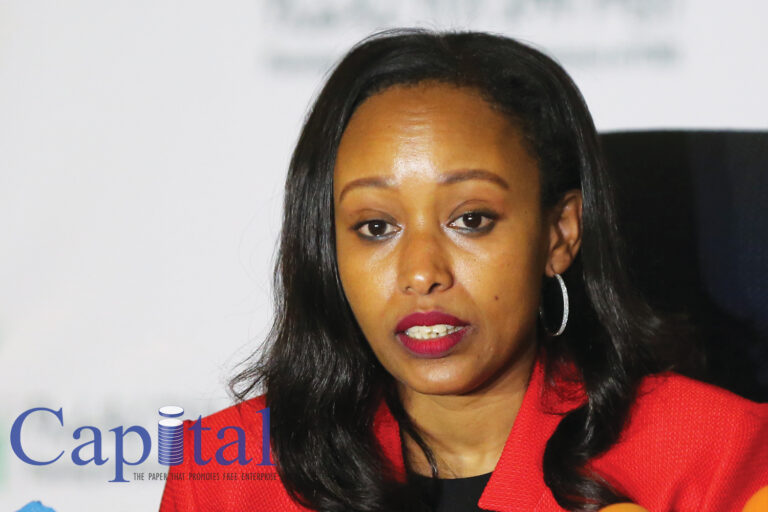
Fitsum Assefa, Commissioner of PDC, disclosed that the ten year plan would have 10 pillars set to achieve its targets. This plan will be tabled to the Council of Ministers at the end of October or the first week of November for evaluation which will later be followed by approval for implementation.
She remarked that even though the ten year plan had not received ratification by the council, public offices as from the onset of the budget year {July 2020} had designed their year’s target with respect to the framework of the ten year plan.
“The public consultations have contributed significantly in the inputs towards the development plan. Initially the plan had six pillars but a further four have been added from quality inputs provided at the consultations,” Fitsum said.
Covid-19 not only delayed the consultation but also redefined the commission’s strategy. “In every plan we are forced to redefine our targets. For instance we gave emphasis on technology and innovation, research and development, and development of a resilient system,” she added.
The ten-year Perspective Development Plan will be different from past similar plans. This is because this development plan looks at failures from the past and uses its setbacks as stepping stones for a better growth. For the past two years, 12 different studies have been conducted as an input for the ten year development plan.
Sectors augmented by PDC have also been engaged in coming up with their own plan in alignment to the development plan. To this effect, several discussions with stakeholders from every sector were undertaken from inception level to drafting the ten year development strategy.
Fitsum vocalized that basic infrastructure development which was also part and parcel of previous plans is still at the heart of the ten-year plan.
“The ten year plan will also give priority to expand productivity in the agriculture and manufacturing industries sector to fill the growing demands,” she keenly expressed at the press conference held at Hilton Hotel on the 8th of October, 2020.
She emphasized that quality economic growth and fair distribution of growth are crucial for the public. In order to realize this goal, PDC has introduced a Monitoring and Evaluation System to centralize the evaluation and performance of federal offices in the first quarter of the budget year.
PDC to finally table its development plan
Banks bolstering the “Dine for Ethiopia” call
Ever since the Prime Minister’s call to join ‘dine for the nation (Ethiopia)’ event that will be hosted to raise funds for the rehabilitation of three tourist destinations, banks have shown their solidarity in supporting the project.
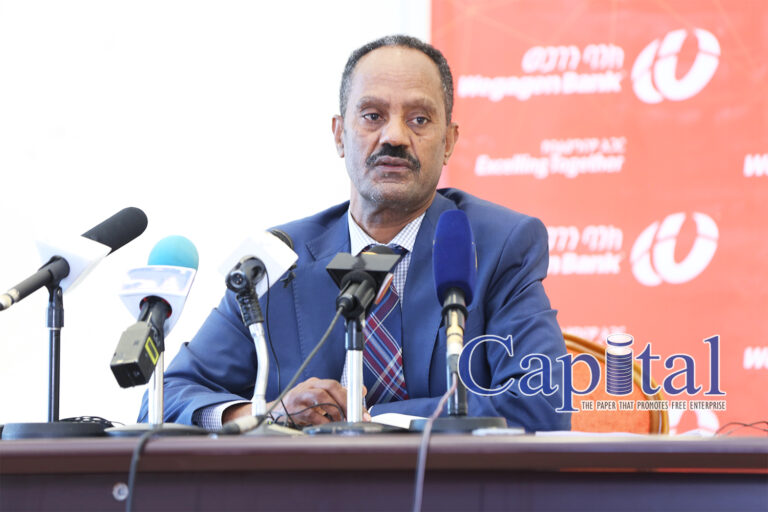
This week alone three private banks have announced their support to the project. Two of the three banks on Wednesday, October 7, 2020 namely; Wegagen and Birhan bank have announced their support to the project. On behalf of Wegagen Bank, Abay Mehari, president of the bank, informed journalists that the bank has decided to give 10 million birr to support the project. 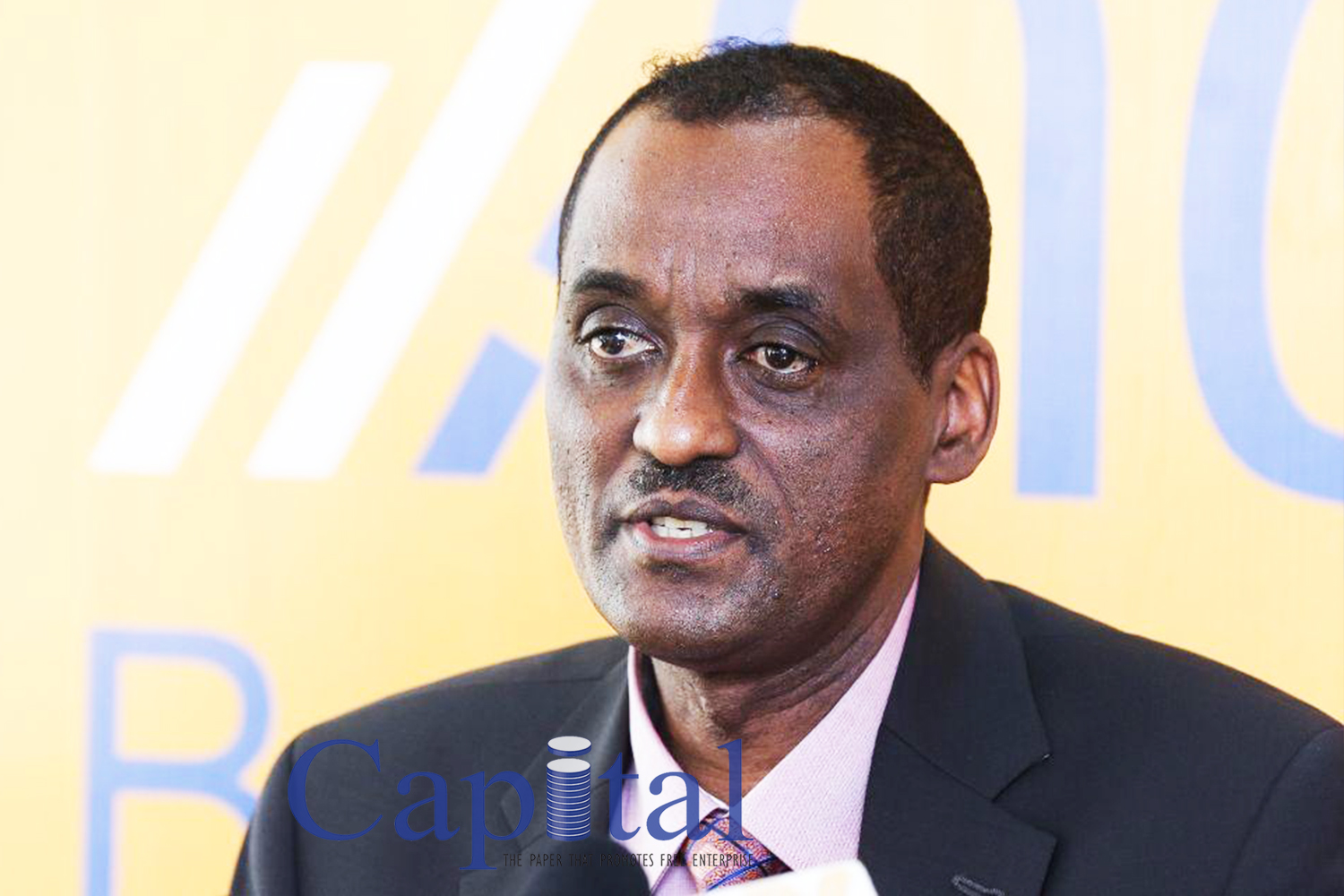
Birhan Bank also announced that the bank has allocated 20 million birr to attend the gala dinner in support of the project
Oromia International Bank, the third of the lot, has announced on Thursday the 8th of October that it will contribute 10 million birr to the cause.
“This pledge will go a long way in supporting the beautification of the project, widening of the tourist sites, restoring natural resources and creation of attractive recreational options across the country. Furthermore, it will create job opportunities as well as income opportunities to the society at large,” stated Abraham Alaro, President of Birhan Bank. The same sentiments were also echoed by Teferi Mekonnen, president of Oromia international Bank.
The three rehabilitation tourist destinations are located at Gorogora in Amhara Regional State, Wonchi in Oromia Regional State and Koisha in Southern Nations, Nationalities & People’s Regional State. The fundraising activity to finance the development of the three major greenery and beatification projects is under an organized committee, which is responsible in mobilizing resources for the construction of the projects.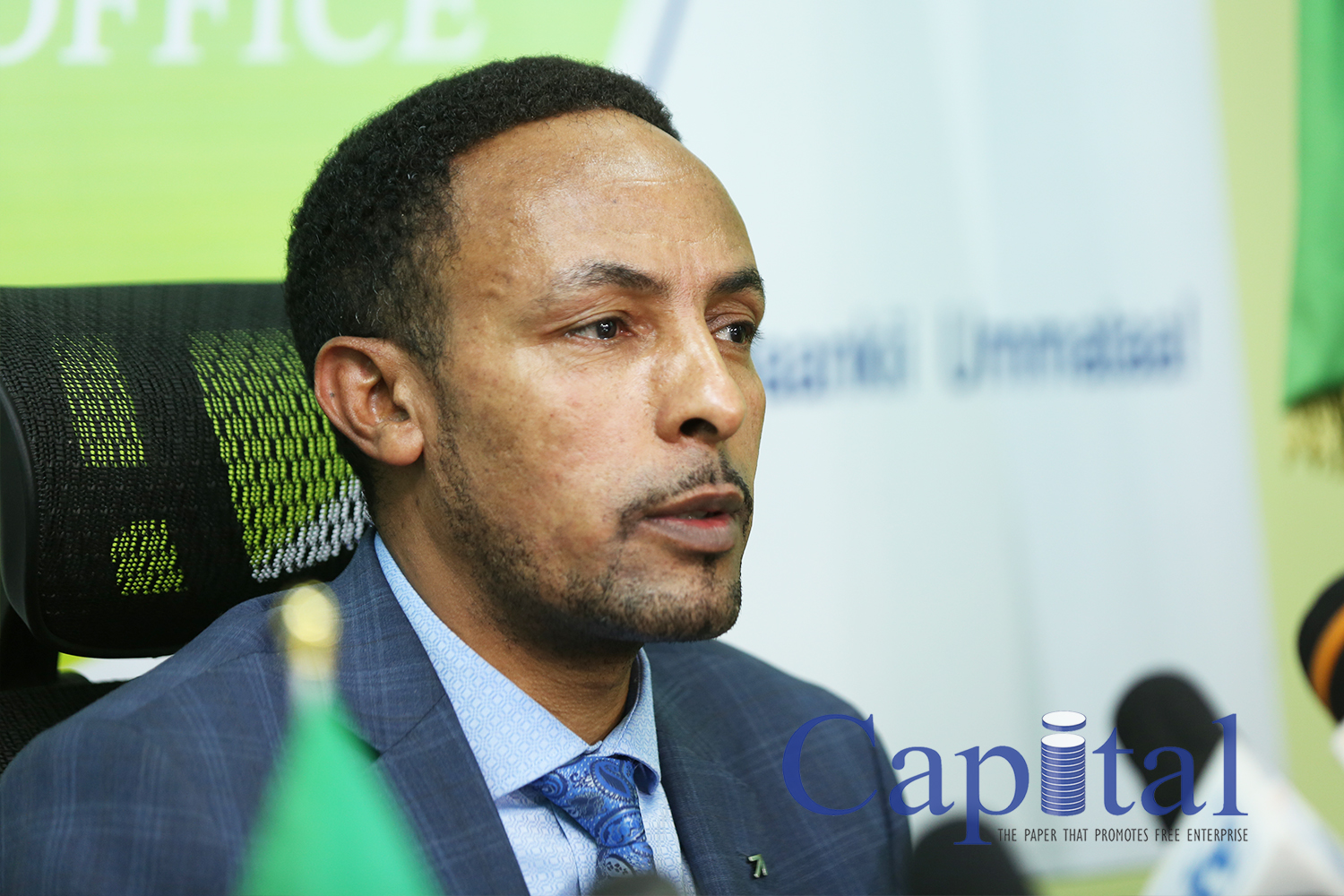
Different investors, enterprise, financial institutions have purchased tickets to attend the event. The diaspora communities have also started depositing to forex accounts to support the projects. Moreover, government employees at different levels have been committing their monthly salary for the cause. Recently, Ethiopian insurance company also supported the cause by offering 30 million birr to the project.
The Prime Minister clearly stated that the resource mobilization will continue until the target of 3 billion birr is achieved. Last year the Prime Minister served the “Dine for Sheger” event which was a project that was successful in the beautification of Addis Ababa.
Government to re-employ inactive, retired teachers
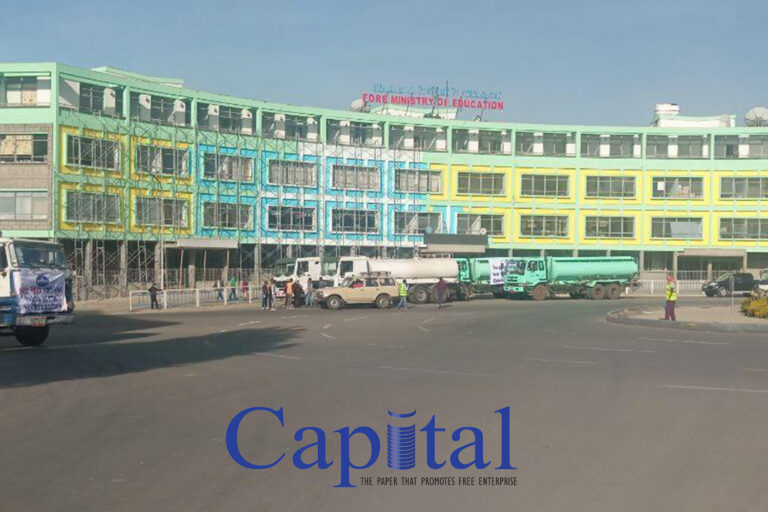
The Ethiopian government has called back inactive and retired teachers to help cope with the pandemic crisis that has affected the education system.
According to the Ministry of Education, as of from Monday October 12, 2020, retired or inactive teachers can start applying for these positions. This is an aim from the Ministry to ensure that there are sufficient teachers as schools re-open following months of closure caused by Covid-19.
Hareguwa Mamo, Communications Director at the Ministry, highlighted that teachers responding to this national call can register at their regional education offices. This new employment will also not make them lose their retirement income. The Communication Director also emphasized that the Ministry has not stipulated how long this program will stay active.
Academic institutions have been closed for about 7 months now due to the fear of transmission of the pandemic. As these institutions resume, the Ministry has put in place strict guidelines that fall in line with the Ministry of Health to prevent the surge of the pandemic through the schools. In the coming three weeks schools and academic institutions will be preparing to resume classes.
Upon re-opening, schools are expected to adhere to the Ministry of Health guidelines by; Wearing face masks, cleaning and disinfecting classrooms and maintaining the maximum capacity to students per classroom to 25 and one student per desk to maintain social distancing.
In preparation, the Ministry has started the distribution of protective equipment to students and staff. The Ministry is acquiring the facemasks from the local industry parks including, Hawassa industrial park. The facemasks are reusable and are per the standards set by WHO.
The Ministry is also taking different awareness creation measures at different levels with different stakeholders. These measures are to take into account the capacity of the prevention of spread of the virus. The Ministry’s committee, which comprises of members from different sectors, is set to counter check on the adequate preparation and the learning process.
Ethiopia has about 26 million students. Schools up to high school level are about 45,000. On a tertiary level, public universities are 50 whereas private academic institutions are 250. Close to a million learners obtain education from these tertiary institutions.
Of the 45,000 schools however, 34,000 lack access to proper water systems. This will prove to be a bottleneck for the Ministry.
As disclosed by the Ministry, schools in Addis Ababa and around Addis Ababa will start on November 10, 2020; however, schools out of Addis Ababa will start class on October 19 and October 26. Recently, the World Health Organization and UNICEF have been recommending countries to reopen schools and Ethiopia is aligning itself towards these recommendations.
Inflation rate continues to soar
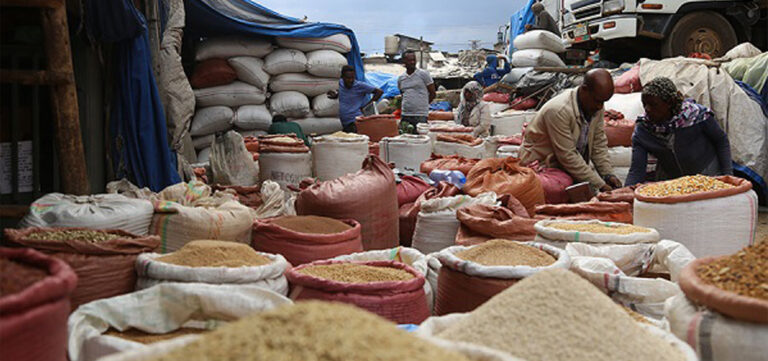
Measured by the consumer price index, the annual inflation rate as of September 2020 stood at 18.7 percent.
According to the latest consumer price index report from the Central Statistical Agency, despite the figure reducing from the preceding months, the figure in comparison to last year’s exact month still shows increase. That is from 18.6 percent to 18.7 percent. It is worth noting that throughout the months of 2020 the inflation rate mostly stood above 20 percent. This main upward pressure came from both food and non-food components.
Food component prices with a special focus on teff, maize, and sorghum have shown massive price increase in comparison to last year. This comes in a critical time as the country continues to struggle with the effect of the locust swarms, the COVID-19 pandemic and flooding. The bombarding effect of heavy rainfall has led to floods which has destroyed crops as well as livestock whereas the swarm of locusts has destroyed pasture and crops. On similar lines the pandemic outbreak has reduced the population’s income and has restricted movement.
On a slight shed of light, the food components have shown progressive decrease from July through September 2020 (that is from 24.9 to 22.0 to currently 21.2 percent). This is also comparatively lower than 2019 September figures of 23.3 percent. In 2019, the rise in price of red pepper had significantly contributed to the inflation both then and now. However, the report also reads that some food items including fruits and pulse have shown decrease which has resulted in current decrease in this section of inflation.
The other contributor to inflation, that is, the non-food items, has shown a considerable increase in comparison to September of 2019. The percentage of inflation is up from 13.1 to 15.5.
“The rise in the price of nonfood products including the soaring price of alcohol and tobacco, khat, housing repair and maintenance, energy, and medical care are factors that have played a role in the growth of the inflation rate,” the agency explained. Additionally, the inflation has been caused by the hike in gold and other ornaments.
With regards to combating the inflation the government is playing an instrumental role in cleaning up informal mining by channeling gold sales through the central bank thus attracting more investors in the process. The Central Bank is also offering higher prices in order to mop up gold to control illegal smuggling. Similarly, on nonfood items the government is working on stabilizing the Cement market which is an integral component in the construction industry.
On the food-items front, the government is working aggressively on the domestic production of items such teff and wheat, so that the public gets enough production at a lower cost. The government is also striving to remove tax and duties from imported edible oils.
The annual inflation rate from July 2018 – June 2019 and July 2019 – June 2020 stood at 12.6 and 19.9 percent respectively. This sharp rise will continue to soar until drastic and effective implementations are undertaken, so it seems.
