Sunday, October 11, 2026
Home Blog Page 3625

Global starts Takaful Insurance service

0

Global Insurance Company has become a pioneer to introduce Takaful Insurance service in the country that aims to address those who were excluded from the insurance sector.
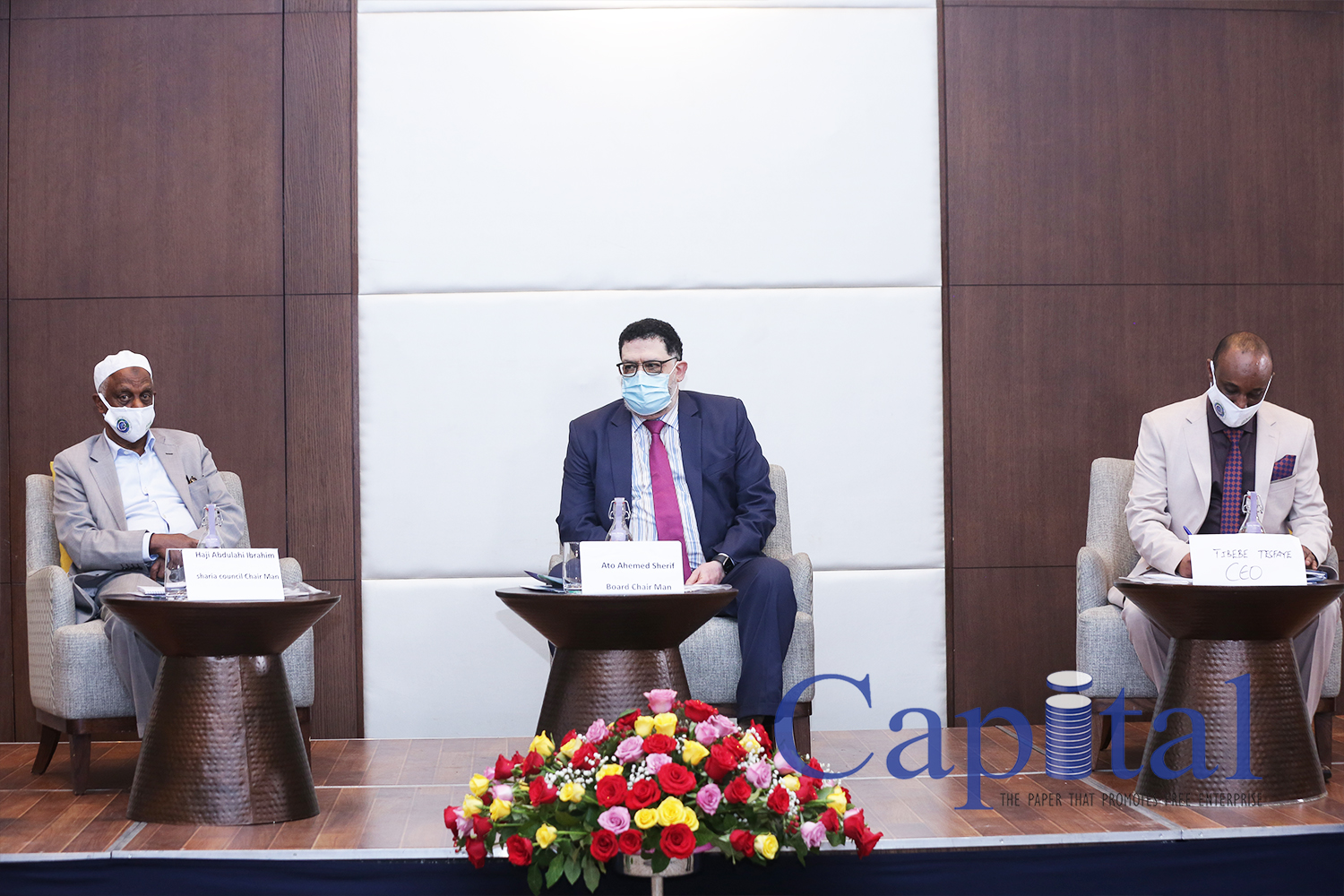
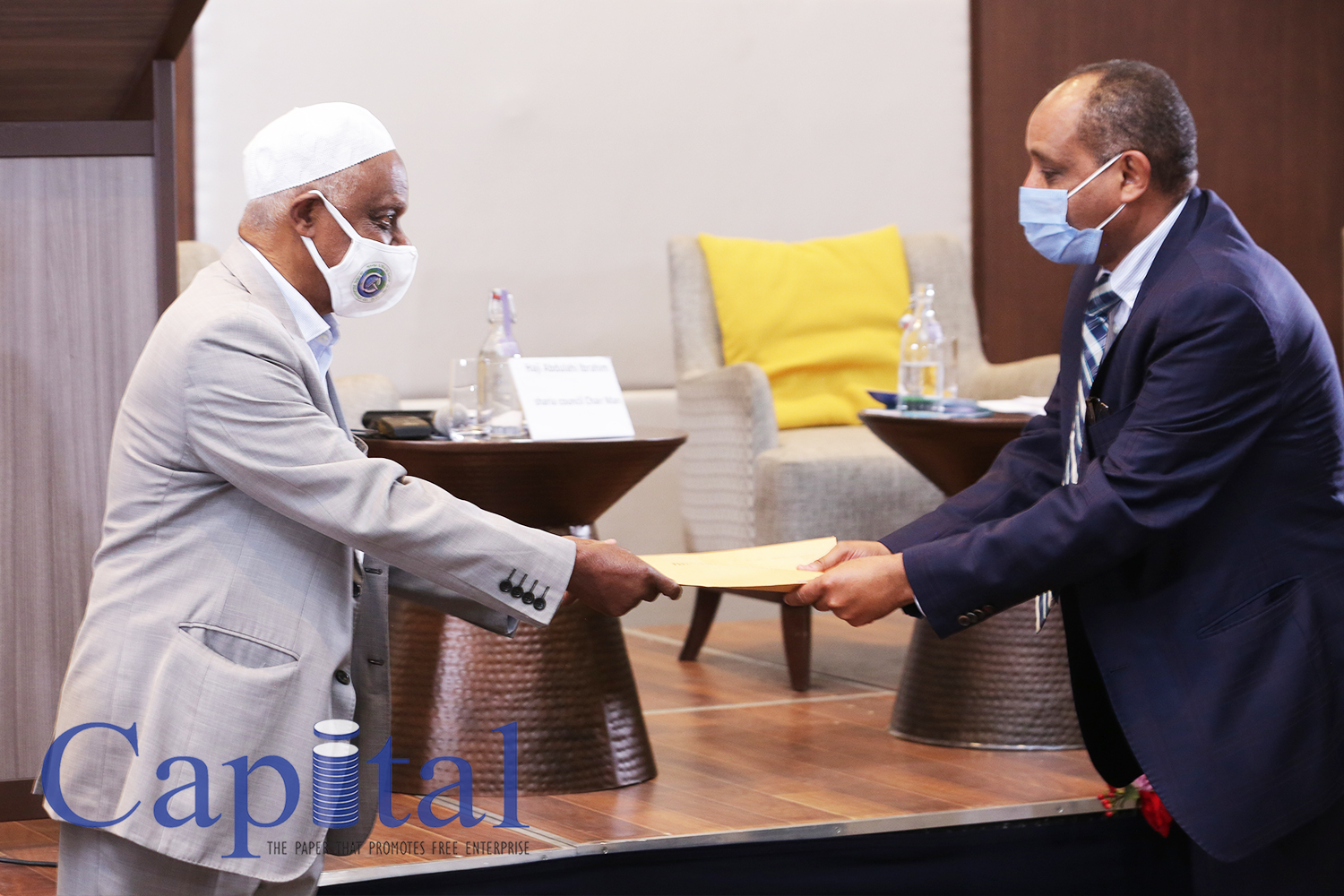
Despite the industry has been opened for Takaful insurance after the amendment of the Insurance Businesses proclamation early this year that followed by a directive issued in June, Global Insurance, which is one of the oldest insurers since the free market was introduced in the country about 25 years, becomes the first insurer to introduce this service that goes with Islamic principles.
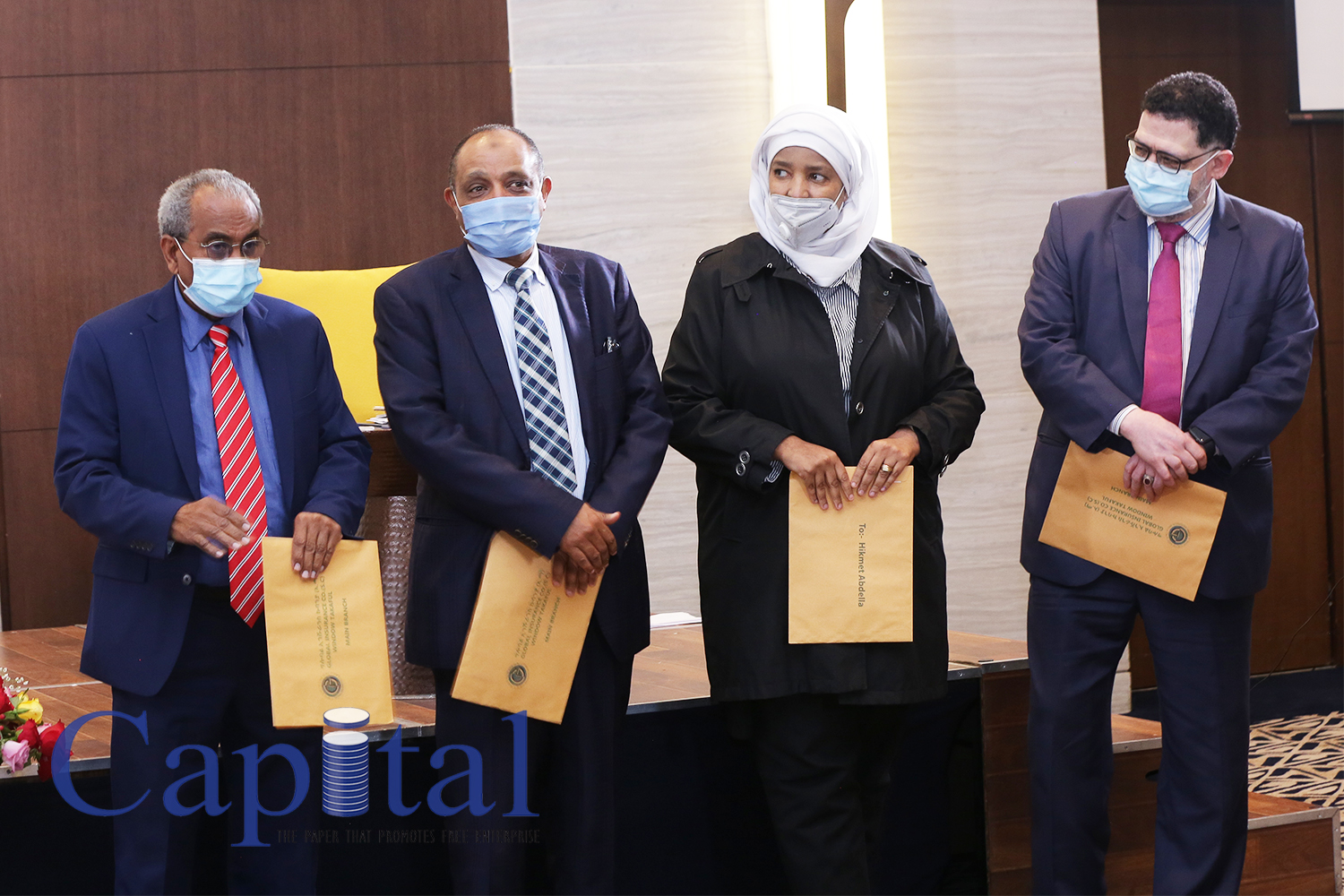
(Photo: Anteneh Aklilu)

The company that was formed in 1997 said that Global Takaful plan is designed to provide once marginalized business community and individuals with financial flexibility based on their affordability and needs.
According to Ahmed Sherief, Chair of Board of Directors at Global the new service is an instrument for realization of financial inclusion and included those who were idle because of religious reasons.
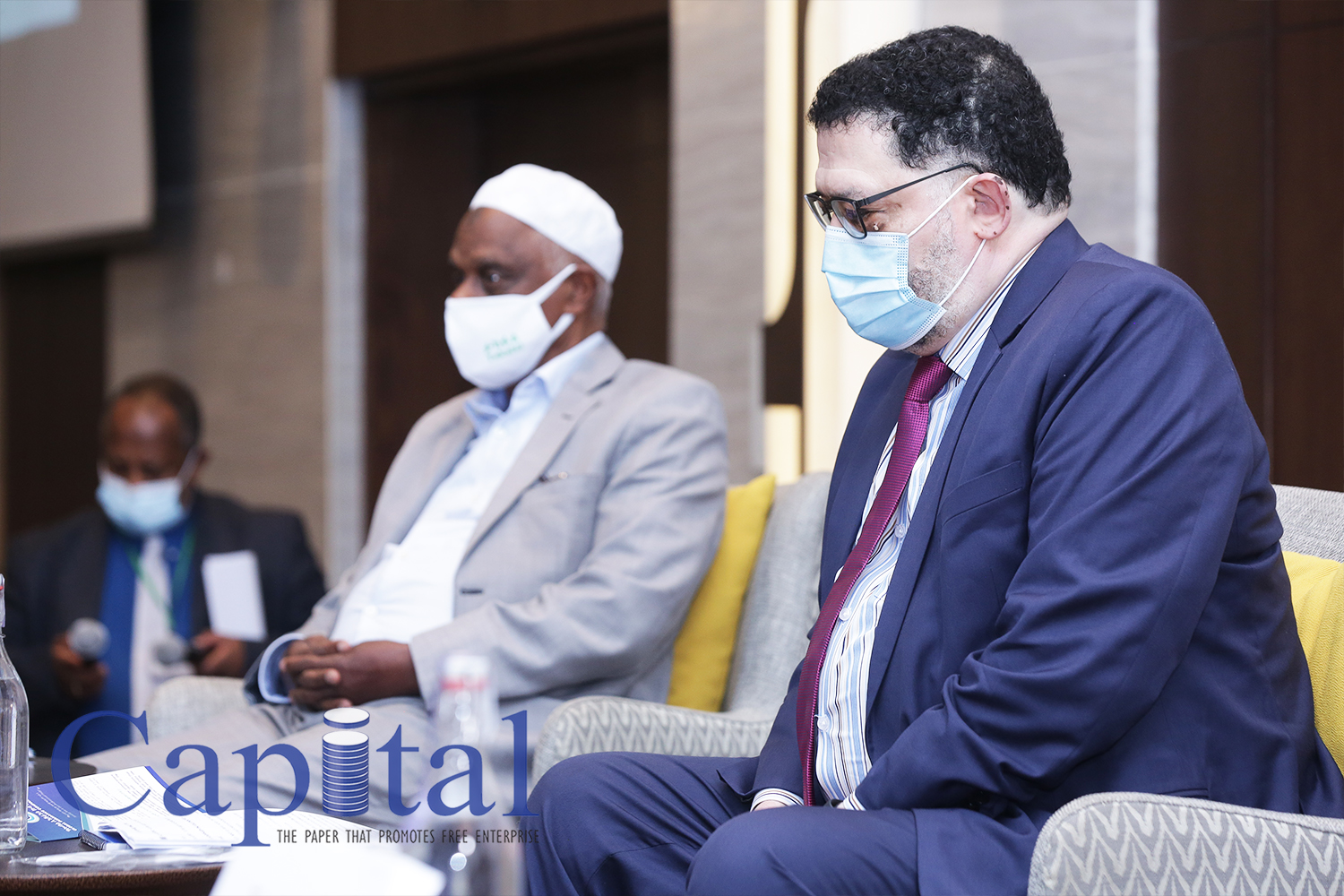
According to Munir Adem, who is a Board of Director at Global, the insurance company has been considering to introduce the business to address the segregated group of the society but it was not fruitful because of different reasons including legal frame works.
He told Capital that since the board decided to undertake the project about a year and half ago the feasibility study has been conducted.
“Under the study we have understand that significant number of the society in the Muslim community does not have a clue about such kind of insurance besides that we identify that huge amount of finance deposited under interest free banking (IFB) at banks could not be able to be disbursed as a loan because there is not Takaful insurance, which is relevant to give guarantee for interest free based credit,” he added.
(Photo: Anteneh Aklilu)

Currently under IFB, which was allowed about a decade ago to operate on window but now opened to run independently, about 46 billion birr is deposited.
“Now our Takaful will support the financing sector,” Munir says “the latent demand will be performing because of introducing such operation that is expected to be grown with short period.”
Experts in the insurance sector and financing business in Islamic principles stated that such kind of business is a tool to accelerate the financing business under the scheme of IFB.
Ahmed said that the introduction of Takaful will have significant role for economic development because it is related with IFB.
He underlined that the government and relevant stakeholders should focus on Islamic finance education to produce ample professionals for the sector.
Global Insurance Company is working with Africa Re’s Retakaful and others for its Retakaful operators as partnership.
In the first year the company has targeted to mobilize close to 30 million birr as a fund from participants.
In the Takaful business policyholders (participants) agree to guarantee each other and, instead of paying premiums, they make contributions to a mutual fund or pool. The pool of collected contributions creates the Takaful fund.
(Photo: Anteneh Aklilu)

The amount of contribution that each participant makes is based on the type of cover they require, and on their personal circumstances. As in conventional insurance, the policy (Takaful Contract) specifies the nature of the risk and period of cover.
The Takaful fund is managed and administered on behalf of the participants by a Takaful Operator who charges an agreed fee to cover costs.
Any claims made by participants are paid out of the Takaful fund. But differently from conventional insurance business remained surpluses fund under Takaful insurance after making provisions may be distributed to the participants in the form of cash dividends or distributions, alternatively in reduction in future contributions.
(Photo: Anteneh Aklilu)

Ethiopia’s COVID-19 testing experience

0

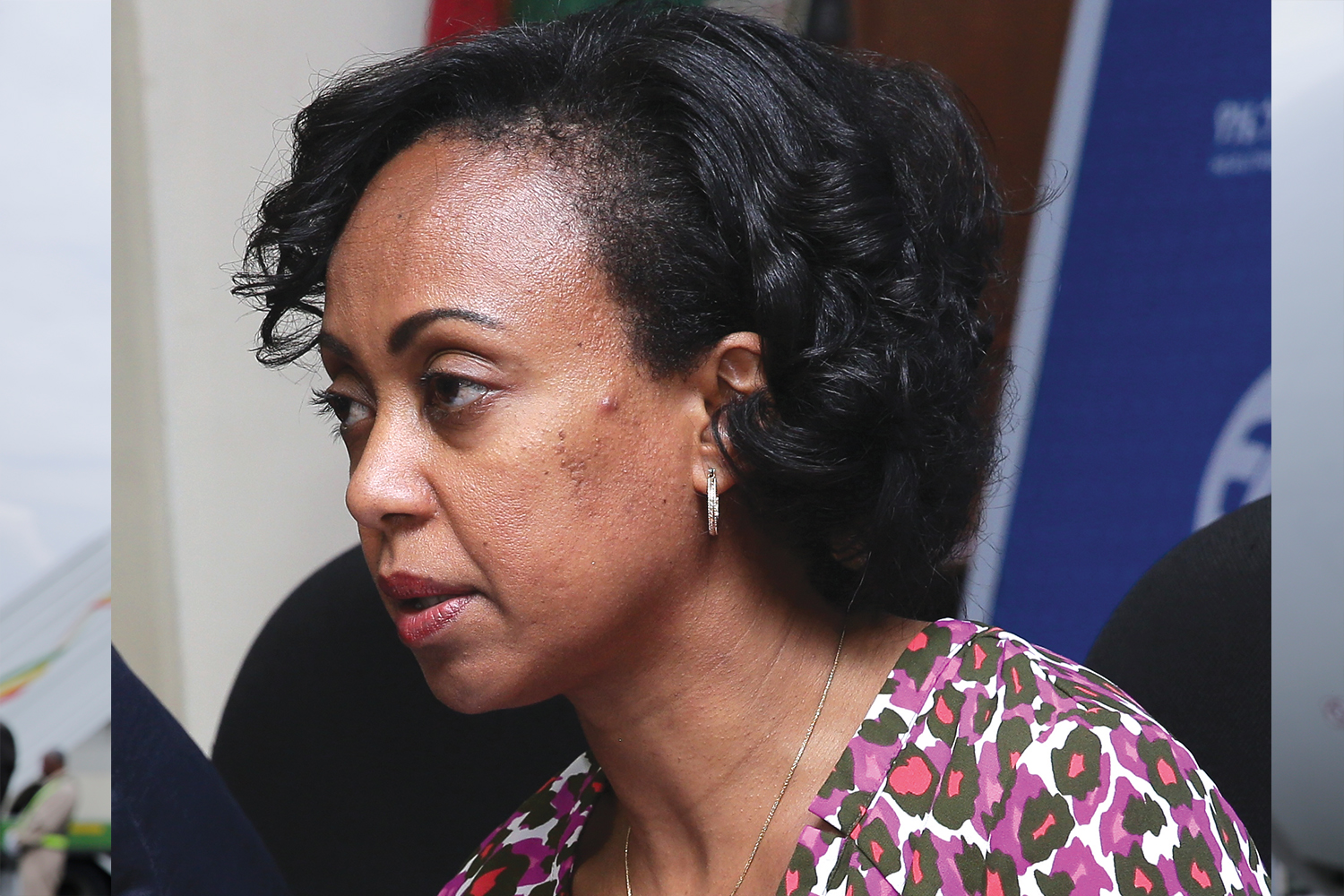
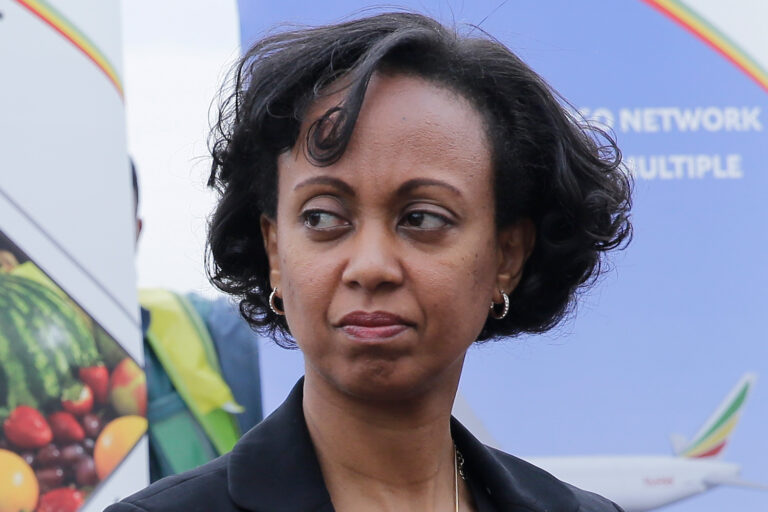
Interview with Dr Lia Tadesse, Minister of Health, on the country’s COVID-19 testing experience (best practice) with World Health Organization (WHO)

Q: How is COVID-19 testing organized in Ethiopia?
Dr Lia Tadesse: COVID-19 testing is coordinated by the Ministry of Health and the Ethiopian Public Health Institute (EPHI) under the laboratory pillar which consists of four sections: laboratory logistics and supplies, COVID-19 test laboratory expansion and quality assurance; sample collection and reception; and laboratory data management.
Ethiopia has made notable strides in its testing capacity for COVID-19. While the initial samples were shipped to the Regional Reference Laboratory in South Africa (National Institute for Communicable Diseases -NICD), the country began testing on 8th February 2020 at the EPHI national influenza laboratory WHO Ethiopia worked with the national authorities to set up Real Time PCR molecular testing capacity by way of providing the first supplies of testing kits, consumables and capacity building to conduct COVID-19 testing, evaluation and validation. The capacity at the beginning was 200 tests per day. Over the response period, there has been a continuous effort to increase this capacity throughout the country
It became clear early in the response that there was a need to decentralize the testing capacity and identify additional sites. This began with an initial assessment of Regional laboratories, research and academic institutions, Public Health Institutes and referral hospitals across the country, to take stock of the existing laboratory testing capabilities and the additional support that would be required. Following this, the identified laboratories were capacitated specifically for COVID-19 testing, sample collection, transport, sample storage, waste management through in-person and virtual training conducted by the Ethiopian Public Health Institute and WHO. The capacity for testing has gradually increased. As of 22nd August 2020, over 50 laboratories are now testing for COVID-19 with 64 manual and automated PCR machines located in all 12 regions of the country.
In terms of how we target testing this has evolved over time. We initially started by screening for travelers coming from abroad then included suspected cases and contacts of all positive cases once the outbreak took hold in the country. We then expanded COVID-19 testing to in Influenza sentinel surveillance sites and high risk groups such as healthcare workers, drivers, prisoners, law enforcement agents, elderly persons, market people, airports/flight crews etc. to ensure that we are able to identify and isolate all cases. In addition, Ethiopia houses roughly 3.3 million combined population of refugees and IDPs across the country. Given the proximity the refugee camps to external borders, testing has also been expanded to include this population given the cross-border movements.

Q: What is the objective of ComBAT (Community-based Activities and Testing) strategy? How has it improved COVID-19 testing?
Dr Lia Tadesse: The recently rolled out campaign called ComBAT (Community-based activities and testing), has further enhanced testing capacity, with the objectives of further decentralizing surveillance and testing to district and woreda levels. It also aims to slow down the transmission by improving case detection, enhancing protection of frontline health care workers and protecting the poor as well as expanding risk communication and community engagement down to woreda levels. Each region is also expected to identify the most at risk and vulnerable populations to better target testing. As of 22nd August 2020, over 20,000 tests are being conducted daily and the results were submitted to the National Emergency Operating Center at EPHI.

Q: How many tests have been conducted in the country to date?
Dr Lia Tadesse: Cumulatively as of 23rd August 2020, 736,904 tests have been conducted in the country.

Q: How has WHO contributed to strengthening Ethiopia’s testing capacity?
Dr Lia Tadesse: As mentioned above, WHO capacitated selected laboratories for COVID-19 testing, sample collection, transport, sample storage, waste management through in-person and virtual training.
WHO is also supporting the process of External quality assessment (EQA) for testing conducted in Ethiopia, through transportation of positive and negative samples to the Regional Reference Laboratory at NICD, South Africa. Ethiopian laboratories are also taking part in continental EQA activities supported by WHO AFRO and Africa CDC. National External Quality Assurance panel distribution to all the laboratories have been undertaken.
The Ministry of Health recognizes WHO’s support to increasing capacity for testing in the country. With WHO support, the country has been able to procure and distribute sample collection VTM and Swabs, testing kits and consumables for COVID-19 diagnosis throughout the regions. There has been continuous capacity building for laboratory technicians, sample collectors, and their respective supervisors to ensure the reliability and accuracy of the testing. Forecasting and stock management at national and regional levels are also supported by the WHO colleagues working, with regular monitoring and reporting from the regions to the central level.
I am confident that WHO will continue to stand with us through technical and material support as we work to strengthen and improve our testing capacity.

Poliomyelitis Eradication

0

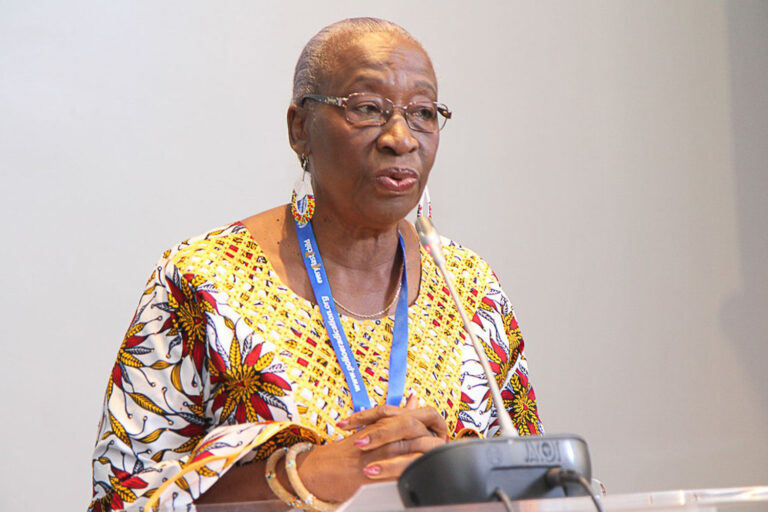
Interview with Rose Leke, Chairperson of the Africa Regional Commission for the Certification of Poliomyelitis Eradication

Q: The year 2020 marks the certification of interruption of indigenous wild poliovirus transmission in the African Region. Do you feel that you have achieved something great?
Rose Leke: Let me take you back to when it all started. In 1988, there were 350000 cases of polio annually in 125 countries. Today there are 104 cases in two countries.
It was in 1988 that the WHA took the resolution to eradicate the wild Polio virus from the world, and the Polio Eradication Initiative was launched. And then in the AFRO Region in 1996 the Organization of the African Unity had a meeting in Yaounde and came up with the Yaounde Declaration in that same light, followed by Nelson Mandela launching the Kick Polio out of Africa Campaign. The ARCC was put in place by the then Regional Director, Dr. Ibrahima Malik Samba of Blessed memory in 1998. The Heads of States and Governments in our Region, and the partners and donors, working with the communities: traditional leaders, health workers, community health workers, community informants, volunteers and polio survivors, etc have gone through these years, with breakthroughs and set backs on this turbulent and long journey. Today we see the Region free of the WILD POLIO VIRUS for four years and the ARCC can certify that transmission of the WPV has ceased in our Region. That is a very good feeling, it is HISTORY, and all those involved now see the fruits of their efforts. So, when you say it is something great, for me it is a milestone achievement for the world, for Africa especially.

Q: As Chairperson of the African Regional Commission for the Certification of Poliomyelitis Eradication, you certainly have some good and not-so-good memories to share over the years.
Rose Leke: Yes, there are good memories. After going through the whole process of preparing and reviewing documentation with countries, conduct country visits, When we finally receive complete documentations from the country showing high quality standard surveillance with evidence of at least 3 years without wild poliovirus with evidence they are going to continue with sustain quality surveillance and improved routine immunization, it is always very heartwarming to announce to the country that they have a polio free status. You should see their joy, our joy. Those are the good memories.
Then there have been enormous challenges, especially reaching children in inaccessible areas. In the Region we have had a lot of set-backs. Remember like in 2009, when the Region had repeated outbreaks in after the vaccination refusal in Nigeria that affected so many countries, the Commission discontinued certification activities, so that was a draw-back. And in July 2014, we were almost counting 2 years without wild poliovirus in Nigeria, in Africa, when in August 2016, four (4) cases of wild poliovirus were reported in Borno state in Nigeria. So that was a real set back.

Q: What would you advise as the next steps for polio in Africa?
Rose Leke: May I first of all thank all Heads of States and Governments, the partners and donors, traditional leaders, community health workers, communities and frontline workers, parents, polio survivors, everyone that has been involved in this long journey, for their efforts to get us to where we are today.
For the next steps, the most important is sustaining polio surveillance which should be heightened in all countries (especially at subnational levels). A highly sensitive surveillance system has to be maintained in the 47 countries of the region. We need to improve routine immunization programme. We need in all countries an increased population immunity. There are still 2 countries that have circulating wild poliovirus, Afghanistan and Pakistan, and we can have importation any at time in the African region. It is very important that we raise and sustain very high population immunity. This is also necessary, to enable us to close the cVDVP2 outbreaks that we are having because of low population immunity. To achieve this, we need high quality response SIAs to these cVDVP2 outbreaks so we can really finish completely with them (cVDVP2) in the Region. Lastly you know that most of our polio surveillance workers are now working on COVID-19 pandemic, it will be good that countries follow strictly the mitigation measures prescribed very seriously so that we bring to zero the cases of COVID-19 which has turned our world upside down.

COVID 19 and corruption

0

All the rivers of corruption are rising and flowing with increasing speed into the global sea of corruption. If you think corruption is bad today, then get ready for far more challenging times ahead, thanks to the impact of the COVID 19 pandemic and the responses to it from governments. The consequences, beyond the impact that increased money laundering has on global financial stability are clear. They include heightened threats to democracy, further curbs on freedom, independent journalism and civil society activism as well as mounting risks to global security.
Rising corruption is the explicit result of the most severe economic crisis embracing most middle-and low-income countries in our lifetimes. As the World Bank’s new Global Economic Prospects report states: “It will also do lasting damage to labor productivity and potential output. The immediate policy priorities are to alleviate the human costs and attenuate the near-term economic losses.”
The International Center for Not-for-Profit Law’s Freedom Tracker reports that, due to the COVID 19 crisis, 86 governments have issued emergency declarations and 35 governments have taken measures to curb freedom of expression. Meanwhile, a total of 112 countries have acted to restrict freedom of assembly. While many actions may be understandable as governments strive to curb the spread of the virus, the acute danger is that the so-called emergency powers may be long-lasting.
The International Center for Not-for-Profit Law also notes, for example, that Egypt has expanded the military’s legal authority in emergencies, while Serbia, Lebanon, the Philippines and others have deployed the military to enforce emergency measures. This matters all the more so as these are countries that have long had high levels of corruption and the outlook now is far from encouraging.
The failures of the multilateral cooperative system, and the retreat from global leadership by the United States, have created new opportunities for the Chinese and the Russians to expand their global influence. As Transparency International notes in an excellent, comprehensive report on the corruption impact of COVID 19, Getting Ahead of the Curve, both China and Russia do not include anti-corruption clauses in their trade and aid deals. This means that both countries’ current exports to Africa carry with them a high risk of corruption. The organization adds: “China may use the pandemic crisis to expand its foreign policy and start deals with new countries, positioning itself as a leading global power. It has already announced assistance to 82 countries, the WHO and the African Union. Russia is also increasing its presence in Africa.
China is renegotiating some of its massive loans to middle and low-income countries, possibly totaling over $380 billion, and no doubt obtaining greater control over mineral and other assets as a result. These developments are unfolding against a background of what a group of respected United States academics call “strategic corruption.” They argue that there has been a concerning increase in recent years by both Russia and China in “weaponizing graft” to boost their global power. There is a distinct prospect that this security issue will become still more prominent in coming years.
Unquestionably, the COVID 19-induced global recession will add to poverty in many of the middle-and low-income countries and increase income inequality as well, as the new Transparency International report details. The world’s poor will face mounting difficulties obtaining basic healthcare and food aid, which will increase opportunities for officials and businessmen to extort bribes from the poor. And, the powerful in many of these countries, will have even greater control over allocating scarce resources.
Alexei Bayer, New York based Economic Analyst noted that the role of social media companies to spread “fake news” and add to public information confusion appears to be rising in this global crisis. New technologies, says Transparency International, have accelerated the ability of fraudsters and propagandists to produce highly convincing fake audio-visual content (known as “deep fakes”) intended to deceive audiences.”
This kind of activity is thriving in the current COVID 19 crisis and may very well persist long after. More generally, as IMF Managing Director Kristalina Georgieva noted in a recent speech to the United States Chamber of Commerce, the world economy is undergoing a digital transformation. This will yield many benefits but will also significantly increase the divide between rich and poor. In many of the poorest countries, she noted, up to 60% of the population does not have Internet connections, without which they will be cut off even more from the mainstream economy.
The challenge will also embrace global finance. Former United States Treasury Secretary Larry Summers believes that the sound management of international debts from middle- and low-income countries “may be the most profound problem we have to face in the post-COVID world.” In the 1990s, through global cooperation by G7 governments and when the structure of international debt was simpler, the crisis that many countries faced in servicing their foreign debts were resolved with huge debt forgiveness programs. Now, as Summers notes, there are vast outstanding international debts in the global markets on account of governments, state-controlled enterprises and private corporations.
Frank Vogl, Co-founder of Transparency International and author of “Waging War on Corruption: Inside the Movement Fighting the Abuse of Power” states that many of the debtors will face mounting difficulties servicing their debts thanks to the global economic conditions that now prevail. In addition, they will also have severe problems securing sound debt restructuring terms from private investors who in many cases should never have loaned funds in the first place to many governments widely seen as corrupt. That is why there are mounting demands for massive funding by these borrowing governments in coming years from the IMF, World Bank and other institutions. This may open new opportunities for kleptocratic regimes to steal, while challenging the stability of the financial system.
Pro-democracy, human rights, anti-corruption and press freedom organizations across the world need to find ways to build unprecedented levels of cooperation across the world to counter the mounting corruption challenges. The simple truth is that they cannot rely on the United Nations and official multilateral institutions to act. Corrupt officials, politicians and businessmen around the world are provided with new opportunities to feed their personal financial greed. Satisfying their illicit financial appetite is made easier by the new powers recently issued which are bound to also govern the post-COVID 19 era. Thus, can we interrupt the vicious cycle best described as: Power corrupts, absolute COVID-propelled power, corrupts absolutely?