Sunday, October 11, 2026
Home Blog Page 3624

Despite grave challenges Haile inaugurates yet another hotel

0

Haile Gebreselassie, the prominent athlete and businessman, calls the government to compensate the damages that destroyed his Hotel in Shashemene after the instability following the killing of the singer Hachalu Hundessa.
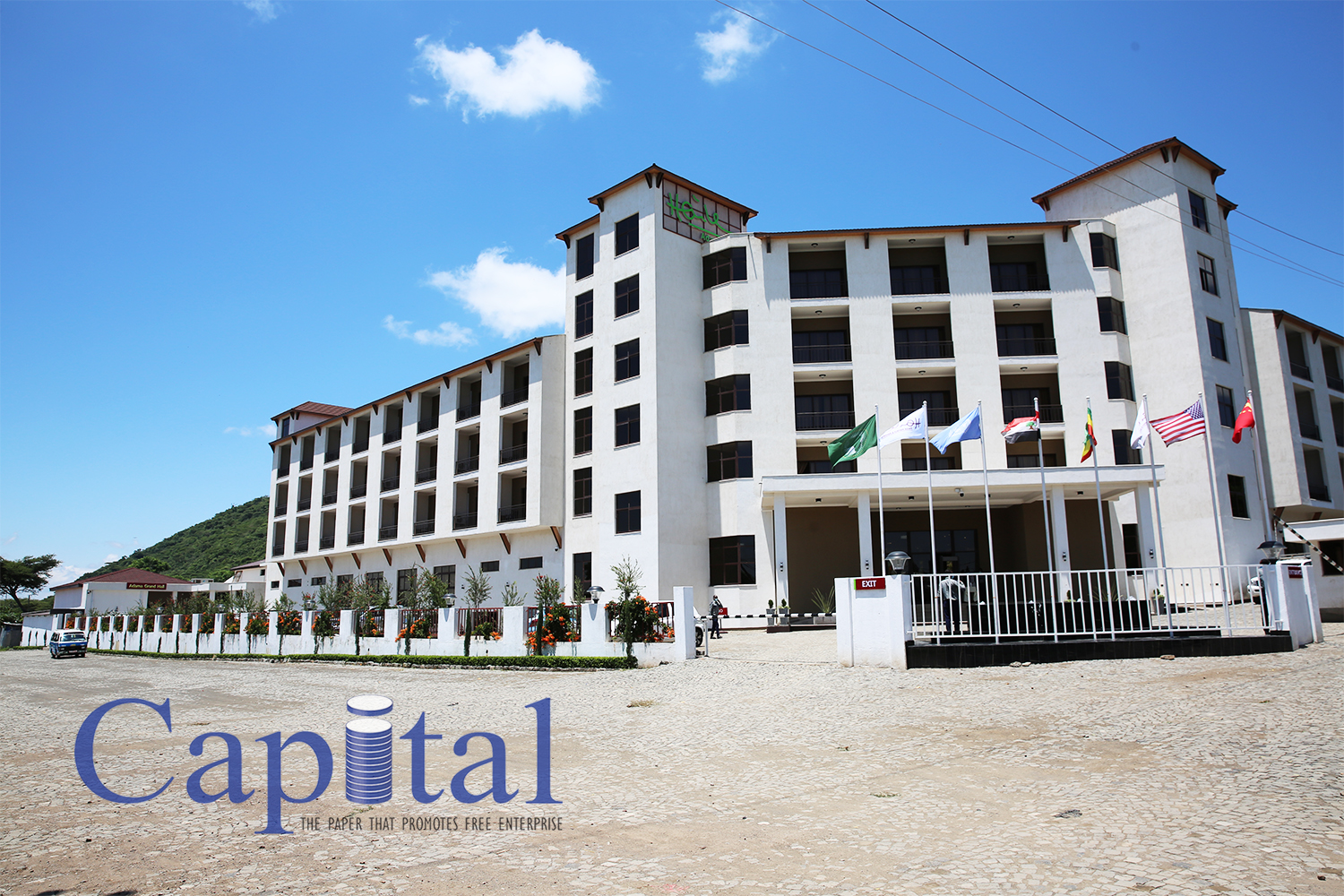
He made the statement while inaugurating its seventh chain of Haile Hotels and Resorts Group at Adama, 80km southeast of Addis Ababa.
At the press conference held during a media visit at the new five star hotel at Adama, Haile, a double Olympic Gold Medalist, said that the responsibility to cover the damage at Shashemene is the government.

(Photo: Anteneh Aklilu)

“We invested in the country because we thought there is rule of law in the country due to that the government is responsible to the damages that occurred last June,” he said.
According to the Haile Hospitality Group that has more than 1,500 employees, the investment destroyed at Shashemene and Batu is about 295 million birr.
“Such kinds of damages are mostly covered by the government, which we don’t prefer but we don’t have any option,” he said.
“There is no such kind of insurance coverage and I will not get any insurance in the future for such kind of distraction. It is the responsibility of the government to keep the safety of lives and properties,” he added.
He said that currently his company is working to revamp the Batu Hotel to return back to operation, while the Shashemene facility that was vandalized and destroyed could not become functional easily.

(Photo: Anteneh Aklilu)

Haile Hotels and Resorts Group starts the hospitality business a decade ago when it opened a hotel in the lake side of Hawassa town and now it operates seven facilities and three more will join in the near future. Recently it has also announced that it will invest one billion birr at Gorgora, the northern coast of Lake Tana, to add more chain.
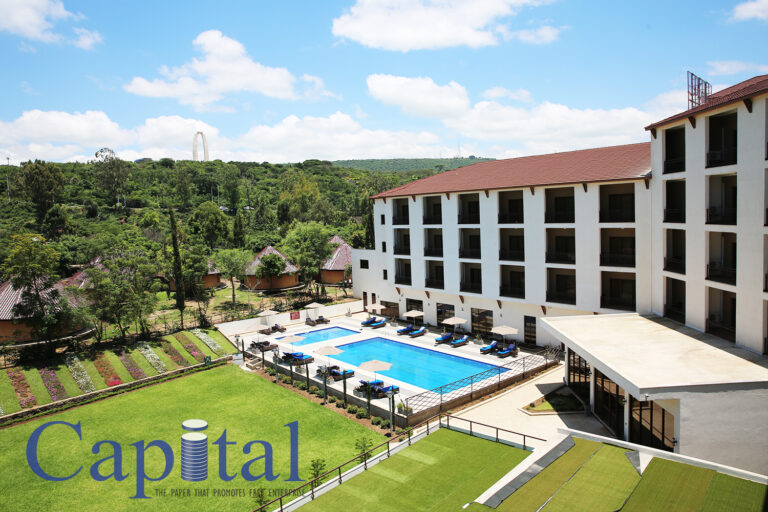
The facility that was opened a few weeks ago at Adama consumed 400 million birr and lies on 1.2 hectare. The new hotel creates 300 jobs and has 110 guest rooms, 2 bars, 2 restaurants, swimming pool, fitness center, spa, seven conference rooms and children play ground.

The deep-rooted challenge of lake weeds

0

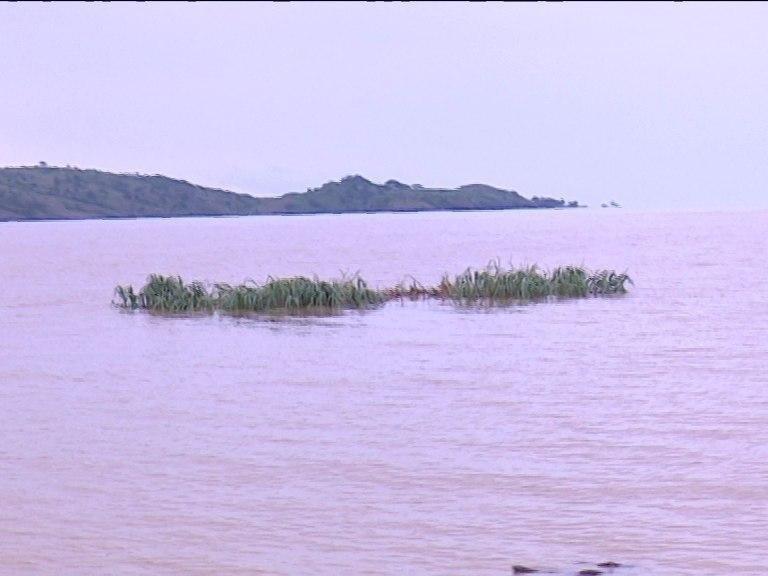
The rainy season bring with it challenges to hydropower plants. Lake Weed commonly referred to as Enboch, buoyant grass and lack of spare parts are resulting in power interruptions.
Last week, Ethiopian Electric Power had disclosed that Awash 1 and 2 hydro power plants had stopped operations because of ‘Enboch’ and high waters. Apart from Awash according to EEP, Tana Beles hydro power plant is also facing the same fate.
According to the Ethiopian electric power, the spread of water hyacinth which is commonly known as Enboch on Lake Tana is also presenting a challenge to Tana Beles – the second largest hydro-electric power plant in the country with an installed capacity of 460 MW.
As the office disclosed the problem needs an immediate solution and if not properly tackled the hydro-electric plant would stop its operation. As a result of this, Tana Beles had been temporarily closed for three days from August 16-18.
“Even if the power plant has Taff boom-which is an equipment that offers protection during operation from buoyant grass, the increasing average of the grass is making the situation difficult.
Beles hydroelectric power plant is located on Lake Tana which has been affected by ‘Enboch’ for about ten years. Beside the effect brought about the buoyant grass, Enboch, is also adding more risk to the power plant. According to Moges Mekonnen, PR of Ethiopian electric power, describes the situation as daunting. This is because when trials are made to control the spread of one side of the lake, the weed begins to sprout on the other end and their spread are propagated by wind and storm.
As Moges informed capital to control the spread and the effects on the plant there are activities such as leasing boats to prune the weed. However for sustainable solution he suggested that the activity should be strengthened in terms of the efforts made to control the spread.
The COVID-19 pandemic has further added fuel to the fire since human labor was required to reduce the infestation of Water Hyacinth on Lake Tana.
Starting from 2011 the lake has been affected by the infestation which is the most dangerous weed affecting lakes around the world.
This deep-rooted issue actually started in 2011, and infestation has continued its spread since. Hyacinth is the most dangerous weed affecting lakes around the world to date.
On September 2019 the government formed an agency tasked with the protection and development of water resources to control the spread of the weed. Three methods being used to control the spread of the weed are; using chemicals, using biological means, and lastly is removing it physically by using both machines and human resource. Despite these efforts, the infestation has persisted and even got worse.
The infestation still poses a serious threat to the lake, the surrounding community, and the Nile basin.
Enboch directly threatens both the lake and its inhabitants. It deprives aquatic plants and animals of sunlight and oxygen. It also restricts water flow and is an obstacle to all kinds of economic activities including fishing, navigation, power generation and irrigation.

DStv introduces Amharic content, affordable packages

0

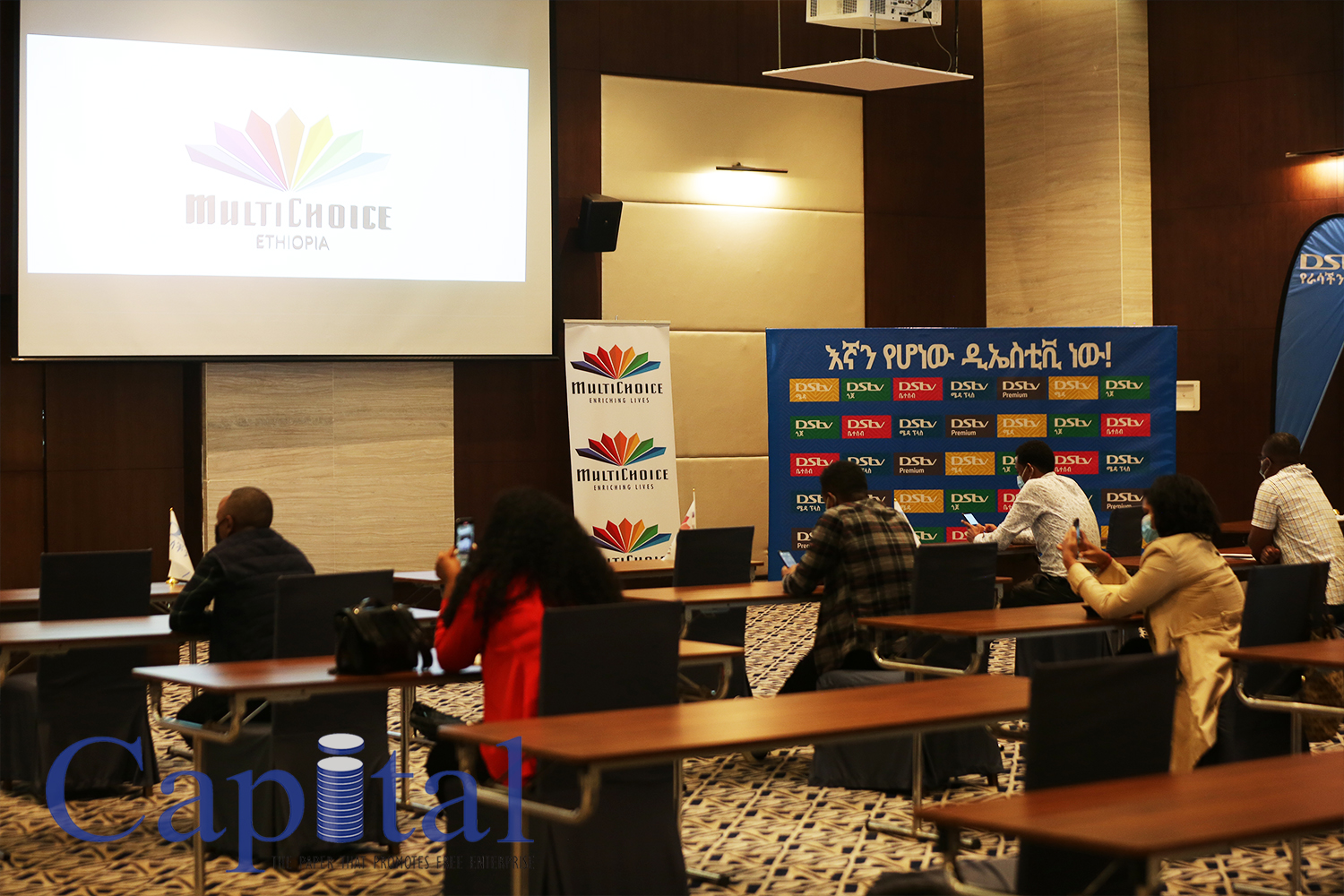
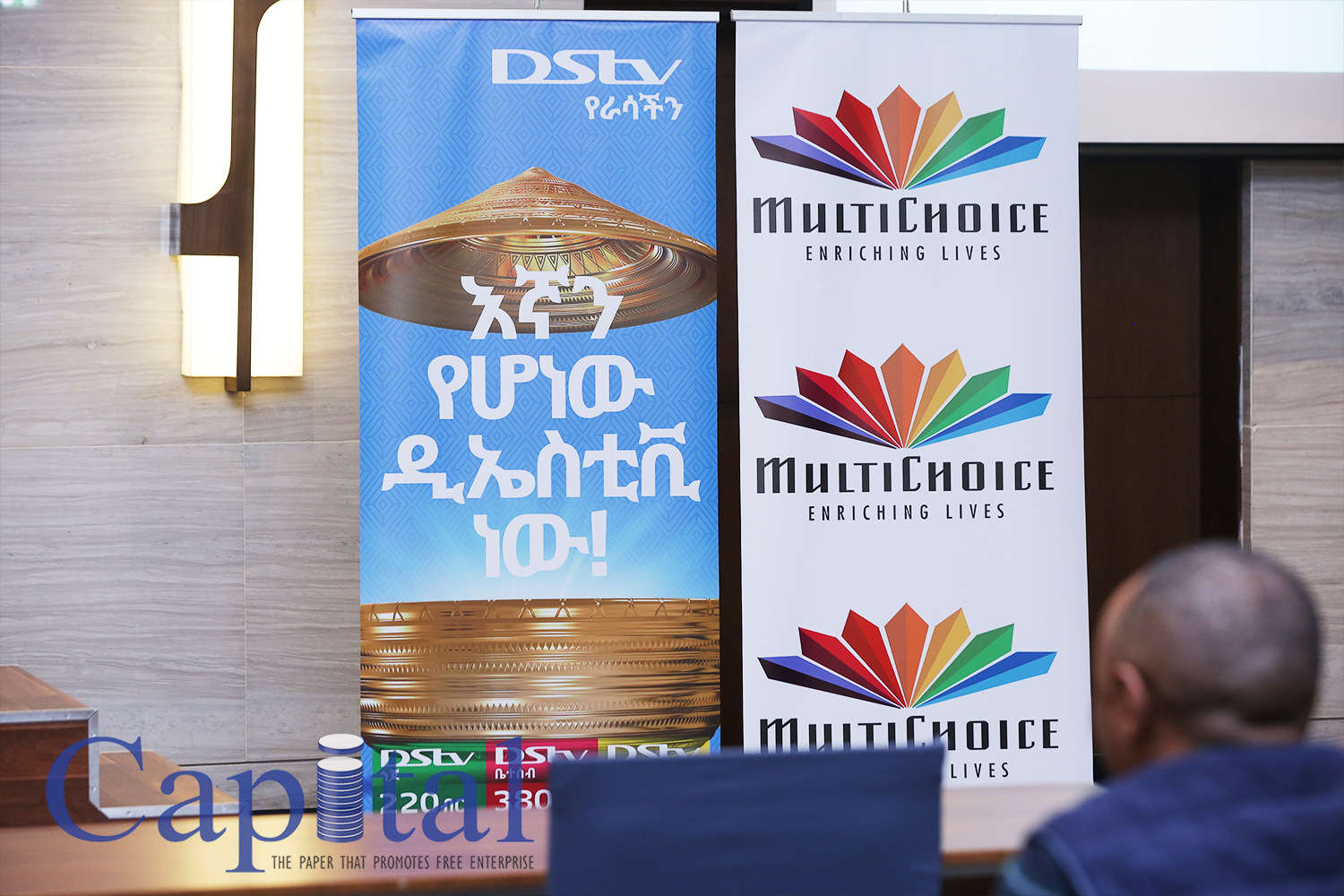
MultiChoice Ethiopia has introduced new Ethiopian and international programs and TV packages.
Aiming to capture the Ethiopian audience by assessing the desire of its customers DStv has released new packages containing Amharic content line programs. DStv has introduced three new packages DStv Gojo, DStv family /DStv Beteseb/ and DStv Meda with affordable price tags.
DStv Gojo package offers more than 70 packages including PBs kids mind set pop, da vinci kids, mindset, and national geography with a payment rate of 220 birr a month.

(Photo: Anteneh Aklilu)

DStv family /Beteseb/ offers more than 100 family programs with 380 birr payment rate and is set to include Trace music, a dedicated 24 hours Ethiopian music channel, educational, pre-school channels from Nickelodeon, Bollywood movies translated in Amharic, European football league /Serie A and la liga/ channels with Amharic commentators.
DStv Meda presents more than 130 programs at a payment rate of 550 birr and it is set to include the premier league, cartoon network, Disney channel and others.
MultiChoice which has been operating in Ethiopia for the last 25 years aims to add more value to Ethiopian customers. DStv has also recently added ten local television channels and two radio channels to its broadcast services. The list includes; Oromia Broadcasting Network, the Amhara Mass Media Agency, Tigray Mass Media Agency, Arts, LTV, Walta, Nahoo TV, Asham TV, Ethiopian Broadcasting Corporate (EBC), Ethiopian Broadcasting Service (EBS) and Fana Television television channels under its DSTV packages.
The MultiChoice Group is one of the leading Tv broadcasters in Africa, which provides access to 19.5million households throughout the continent.

African countries engaging in ground-breaking COVID-19 vaccine initiative

0

While the race to find safe and effective COVID-19 vaccines continues, African countries are signing up to a ground-breaking initiative, which aims to secure at least 220 million doses of the vaccine for the continent, once licensed and approved.
All 54 countries on the continent have expressed interest in COVAX, a global initiative which is co-led by the Coalition for Epidemic Preparedness Innovations (CEPI), Gavi, the Vaccine Alliance (Gavi) and the World Health Organization (WHO). The partners are working with governments and manufacturers to procure enough vaccine doses to protect the most vulnerable populations on the continent. Through the Gavi-coordinated COVAX Facility, the initiative seeks to ensure access for all: both higher and middle-income countries which will self-finance their own participation, and lower-middle income and low-income countries which will have their participation supported by the COVAX Advance Market Commitment (AMC).
There are eight countries in Africa that have agreed to self-finance their vaccine doses through the COVAX Facility. This expression of interest will turn into binding commitments to join the initiative by 18 September, with upfront payments to follow no later than 9 October 2020.
“Equatorial Guinea has signed up to COVAX as it’s the most effective way to ensure that our people can access COVID-19 vaccines,” said Mitoha Ondo’O Ayekaba, Vice Minister for Health and Social Welfare, Equatorial Guinea. “We are concerned as some wealthier countries have made moves to secure their own interests. We believe that through this initiative we can access successfully tested vaccines in a timely manner and at lower cost.”
In addition, 46 countries in Africa are eligible for support from the financing instrument, the COVAX AMC which has raised approximately US$ 700 million against an initial target of securing US$ 2 billion seed funding from high-income donor countries, as well as private sector and philanthropists by the end of 2020.
“COVAX is a ground-breaking global initiative which will include African countries and ensure they are not left at the back of the queue for COVID-19 vaccines,” said Dr Matshidiso Moeti, WHO Regional Director for Africa. “By reaching beyond the continent to work together with other governments and manufacturers on a global scale and pooling buying power, countries can protect the people most vulnerable to the disease in Africa.”
CEPI is leading COVAX vaccine research and aims to develop up to three safe and effective vaccines which will be made available to countries participating in the COVAX Facility. Nine candidate vaccines are currently being supported by CEPI; two are currently being tested in South Africa, in addition to other regions around the world.
“It’s critical that countries in Africa participate in vaccine trials, in addition to the clinical trials taking place in other regions of the world,” said Dr Richard Hatchett, Chief Executive Officer, CEPI. “Testing vaccines on the continent ensures that sufficient data is generated on the safety and efficacy of the most promising vaccine candidates for the African population so they can be confidently rolled out in Africa once vaccines are approved. CEPI is investing in the research and development of a diverse range of vaccine candidates, with the aim of delivering safe and effective vaccines to those who need them most through COVAX.”
Through COVAX, vaccines that have passed regulatory approval or WHO prequalification will be delivered equally to all participating countries, proportional to their populations. Health workers and other vulnerable populations will be prioritized and then vaccine availability will expand to cover additional priority populations in participating countries.
African countries will need to have in place the right systems and infrastructure to define the regulatory and ethical pathways for a quick approval of a candidate vaccine. They will need to have logistics and supply chain systems which can reach not only the traditional target populations for routine immunizations and campaigns but be ready to vaccinate a much larger target population.
“To roll out a vaccine effectively across countries in Africa, it is critical that communities are engaged and understand the need for vaccination,” said Dr Richard Mihigo, Programme Area Manager, Immunization and Vaccine Development, Programme Area Manager, Immunization and Vaccine Development, WHO Regional Office for Africa. “It is important to already start working with communities to prepare the way for one of the largest vaccination campaigns Africa has ever experienced.”