

More and more foreign companies are said to be now using the black market causing the price of foreign currency to rise even higher and the difference between the legal exchange rate at banks and the black market to be over 10 birr.
According to sources the rate changes every day on the black market. The current estimation is 45 birr per USD while it is about 35 birr at banks. One British Pound is 55.50 birr and one Euro is 50 birr.
In the past years for some time illegal foreign currency market rates went down closer to bank prices. Over the last few months they resembled a roller coaster but during the last couple of weeks they have skyrocketed again and now are much more different than the legal market.
Sources say that this is happening because there are many foreign companies investing in Ethiopia but not registered at the international level, attempting to obtain foreign currency.
These people said that at present, foreign industries investing in Ethiopia are dominant players in the black market. They often are producing just as much as local investors but have better access to hard currency through the suppliers’ credit scheme to import inputs than similar but locally owned businesses.
Experts explained that currently foreign companies are able to manage huge liquidity since their business is the dominant player in terms of production throughout the year and they have a lower production cost than those who get a smaller portion of LC for their businesses.
Experts said that these investors should wait a long period to wire their foreign currency via banks to their home country since the country is in hard currency crunch.
They said that sometimes the investor collects the foreign currency locally but mainly focuses on the remittances sent by diaspora for family here.
The long waiting at banks to transfer their money to home countries pushes foreign investors to become a major player in the illegal currency market, a sales person working with foreign company told Capital. “They are collecting the foreign currency illegally here,” he added. He expressed his speculation that the current increase in the rate of the parallel market may be related with this new and growing demand.
Foreign companies contribute to black market money spike

Rotary joins Ethiopia’s Green Legacy Initiative
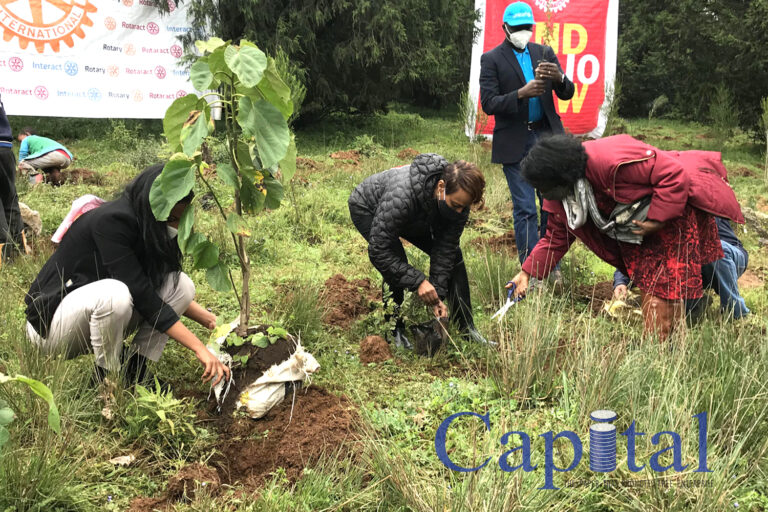
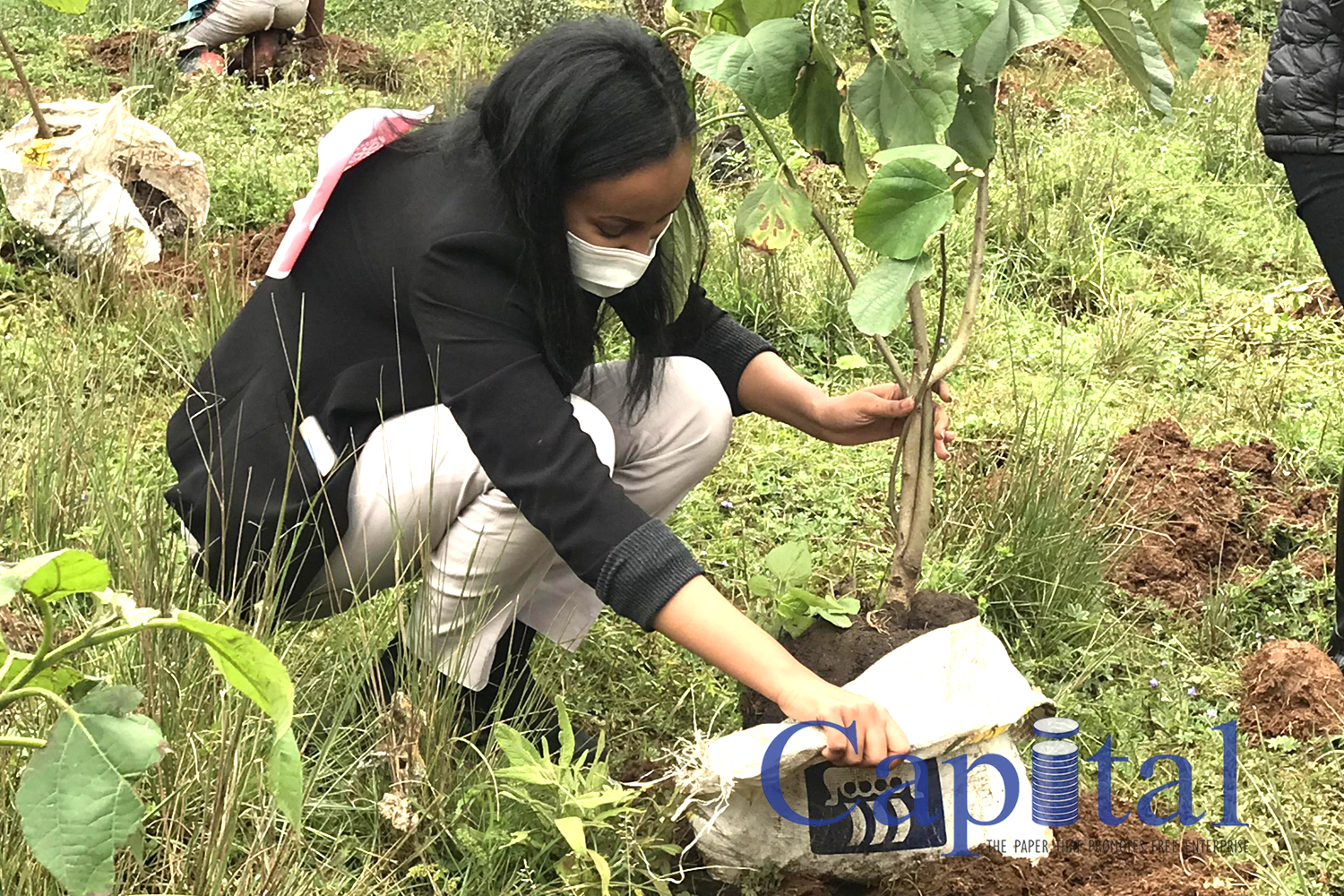
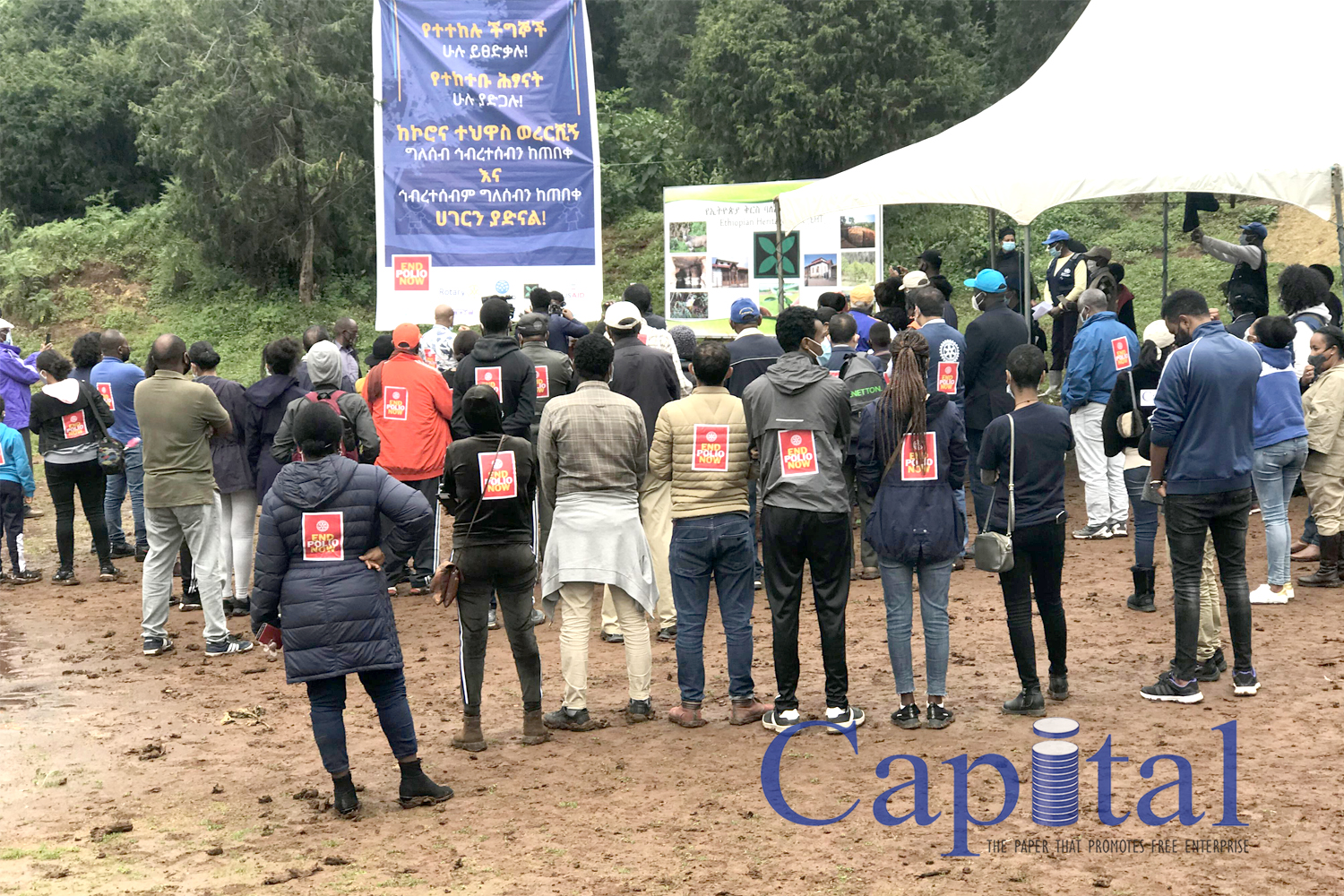
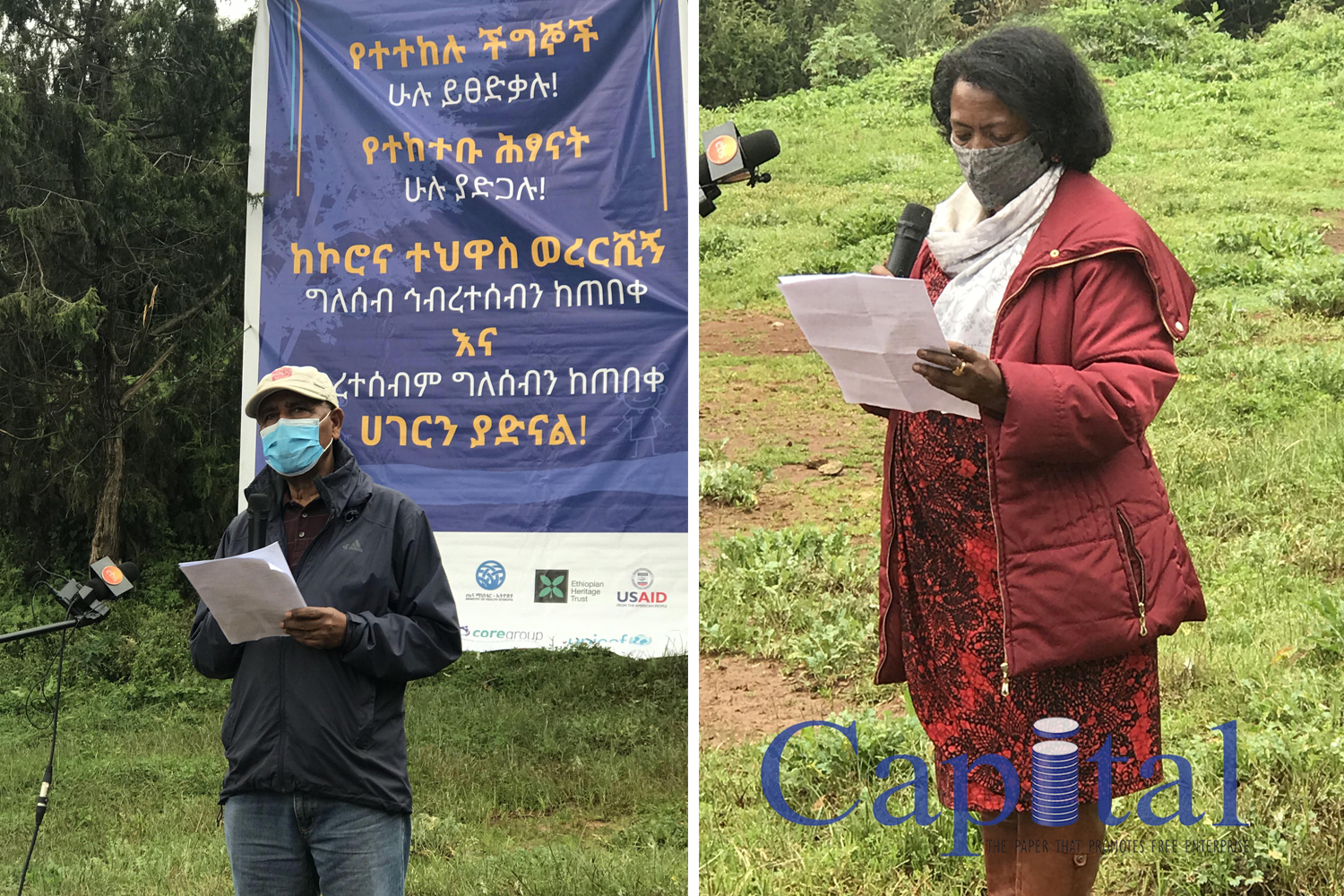
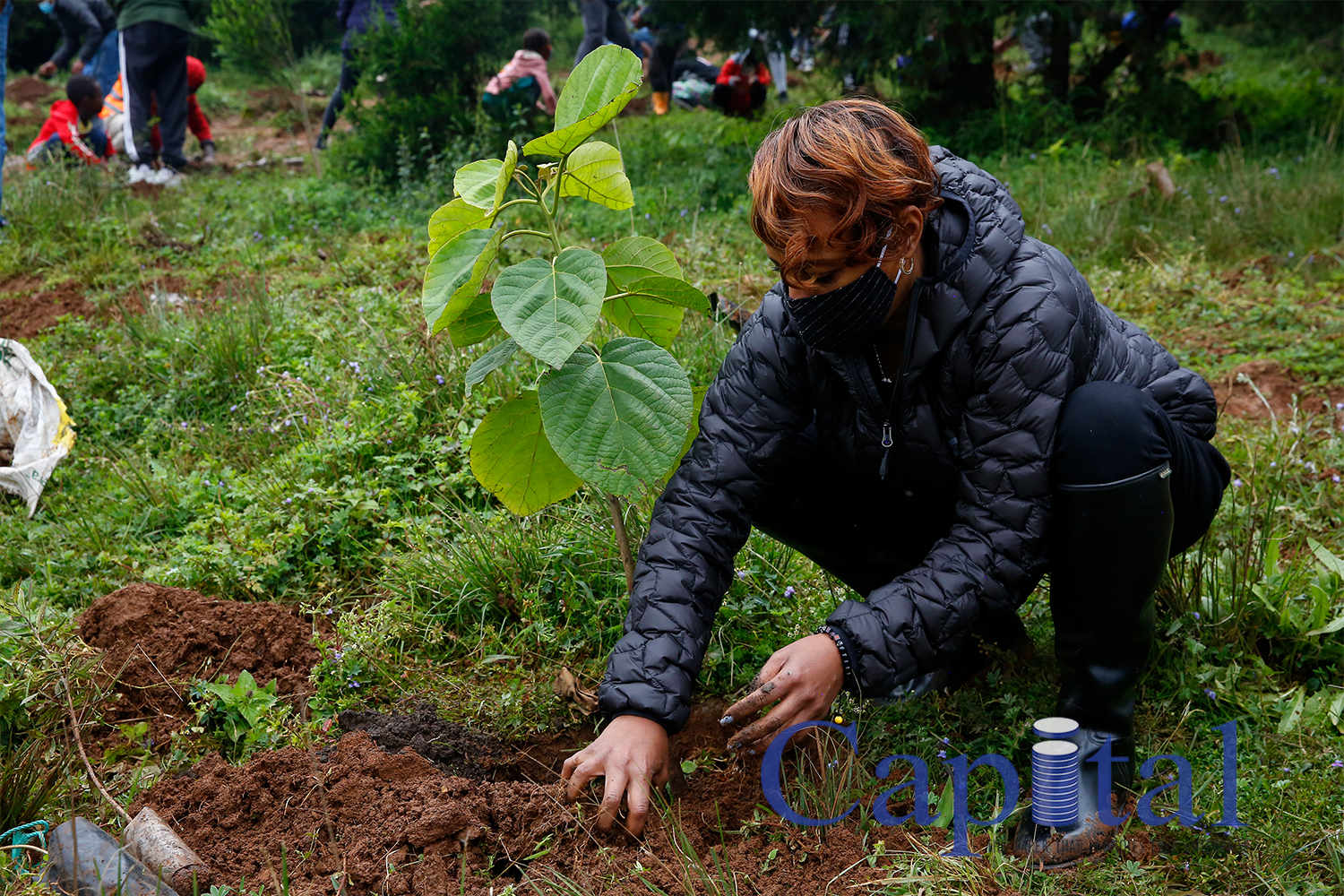
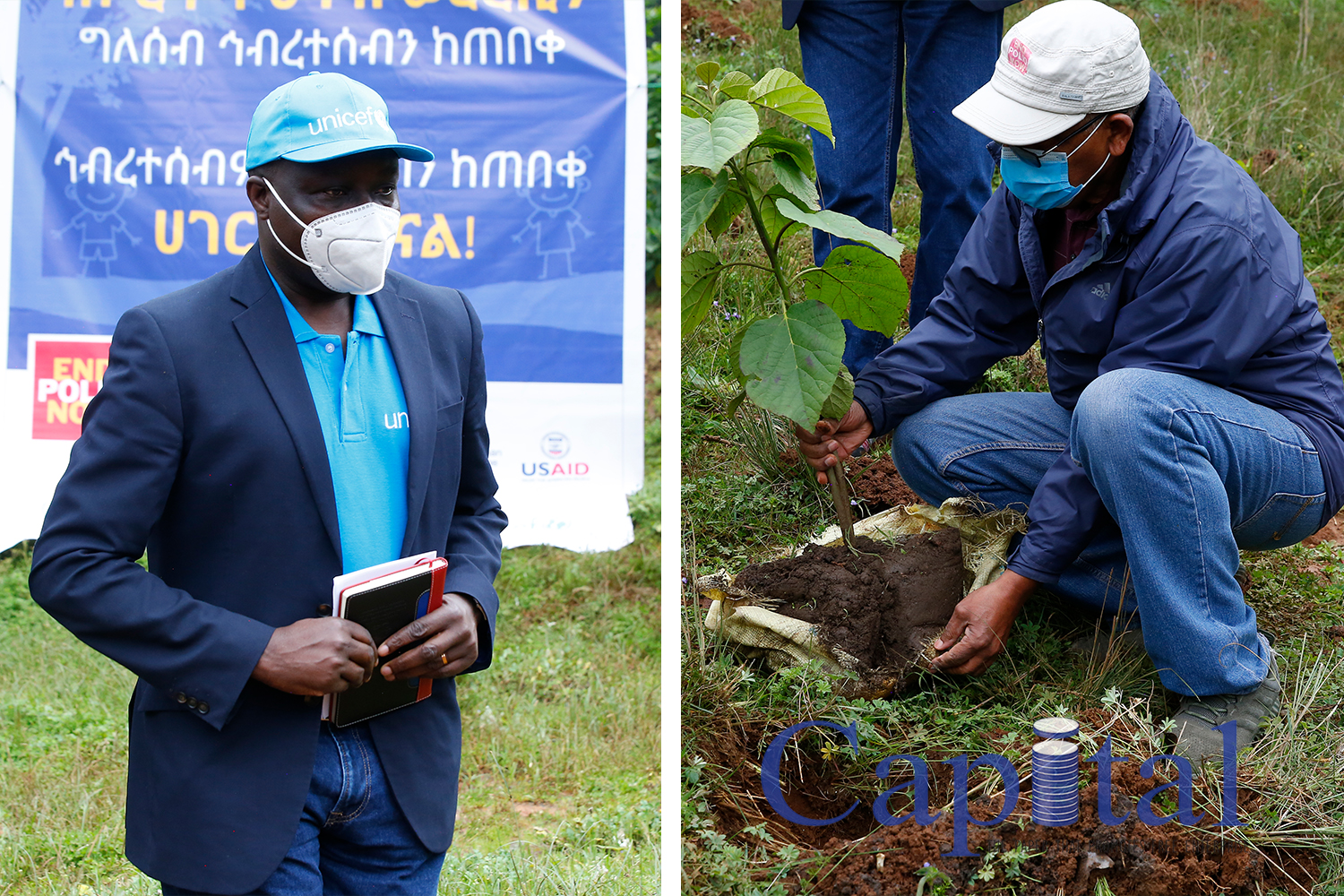
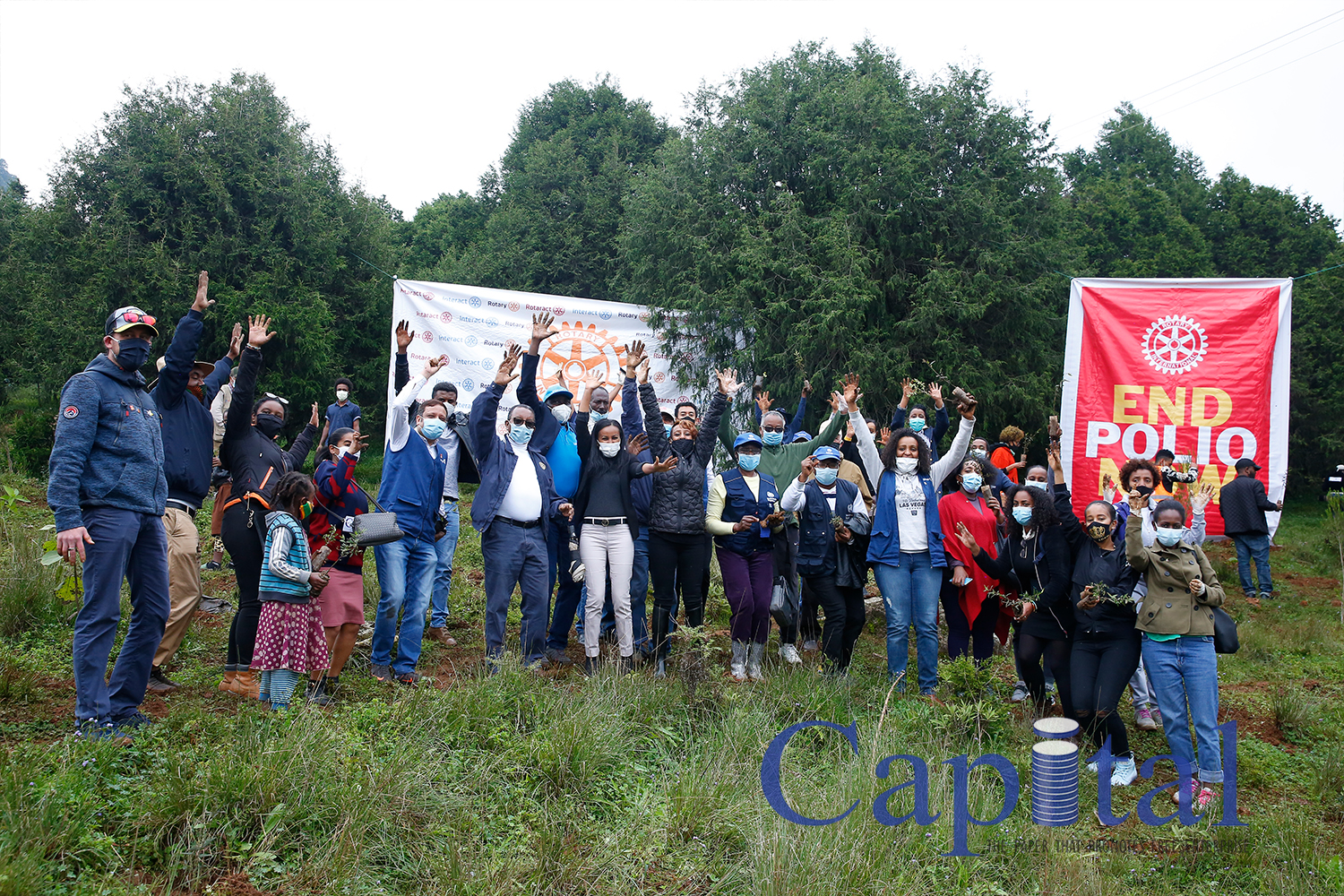
Rotary Ethiopia has planted over 5,000 trees under the National Green Legacy Initiative on Saturday, August 14, at the Kusquam, Entoto, Polio Eradication Initiative Memorial Park.
Apart from the National Green Legacy Initiative, the tree planting also signifies the success of COVID -19 prevention, building routine immunization culture & polio eradication initiatives. Rotary Ethiopia’s initiative planting trees is their second time. Last year they planted over 5,000 trees.
Ethiopia’s Green Legacy Initiative, a grand activity is seeking to plant up to 20 billion tree seedlings over a four-year period.
On Wednesday Prime Minister Abiy Ahmed announced the successful finalization of planting of 5 billion trees this rainy season as per the Green Legacy Initiative.
PM Abiy has taken part in the closing session of the planting campaign held at Mount Bezawit, Bahir Dar City.
On the occasion, the premier said the country has achieved its plan set to plant 5 billion trees ahead of the remaining one month rainy season time.
He expressed gratitude to all Ethiopians for actively responding to the call for the greening campaign and placing their finger prints in the green legacy initiative.
Ethiopia is set to plant 6 billion trees in 2021 rainy season.


Government drops tax, tariffs on all edible oil products
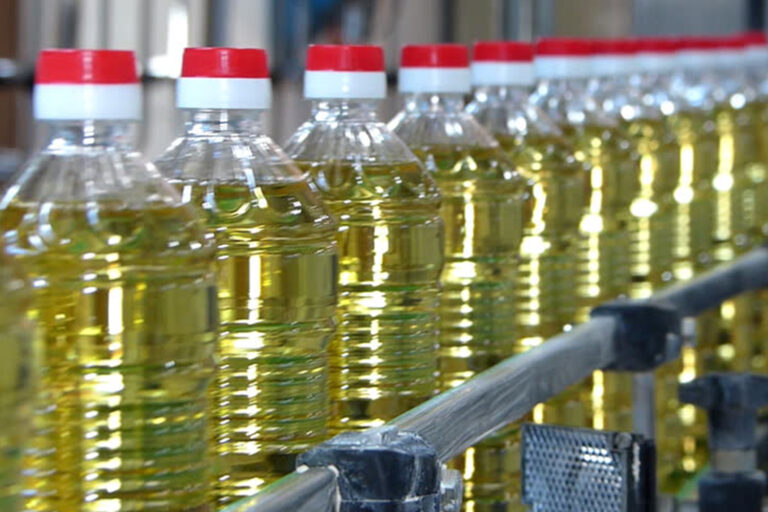
To stabilize the market and minimize economic effects of COVID 19 on households the government has decided to remove tax and tariffs posed on all kinds of imported edible oil products.
“The government is working to fulfill basic needs of the people in helping them to pass the time, to increase the supply to meet the demand in all different kinds of oil products,” said Eshete Asfaw, State Minister of Trade and Industry, adding that available capacity to expand production could make oil turn into one of the engines of economic growth of the country.
There are over 900 companies importing different kinds of cooking oil mainly from Dubai, Netherlands, Indonesia, China and other Middle East countries. Also there are over 1,000 companies that are registered by the Ministry of Trade and Industry to process oil in the country. However, despite the price the supply has never met the demand.
Following the decision of the government the oil market has seen a massive reduction on price including sun flower and other refined standard oil products. Usually one liter of sunflower imported oil was sold 90 birr, however after the statement the market dropped to 70 birr per liter on average. 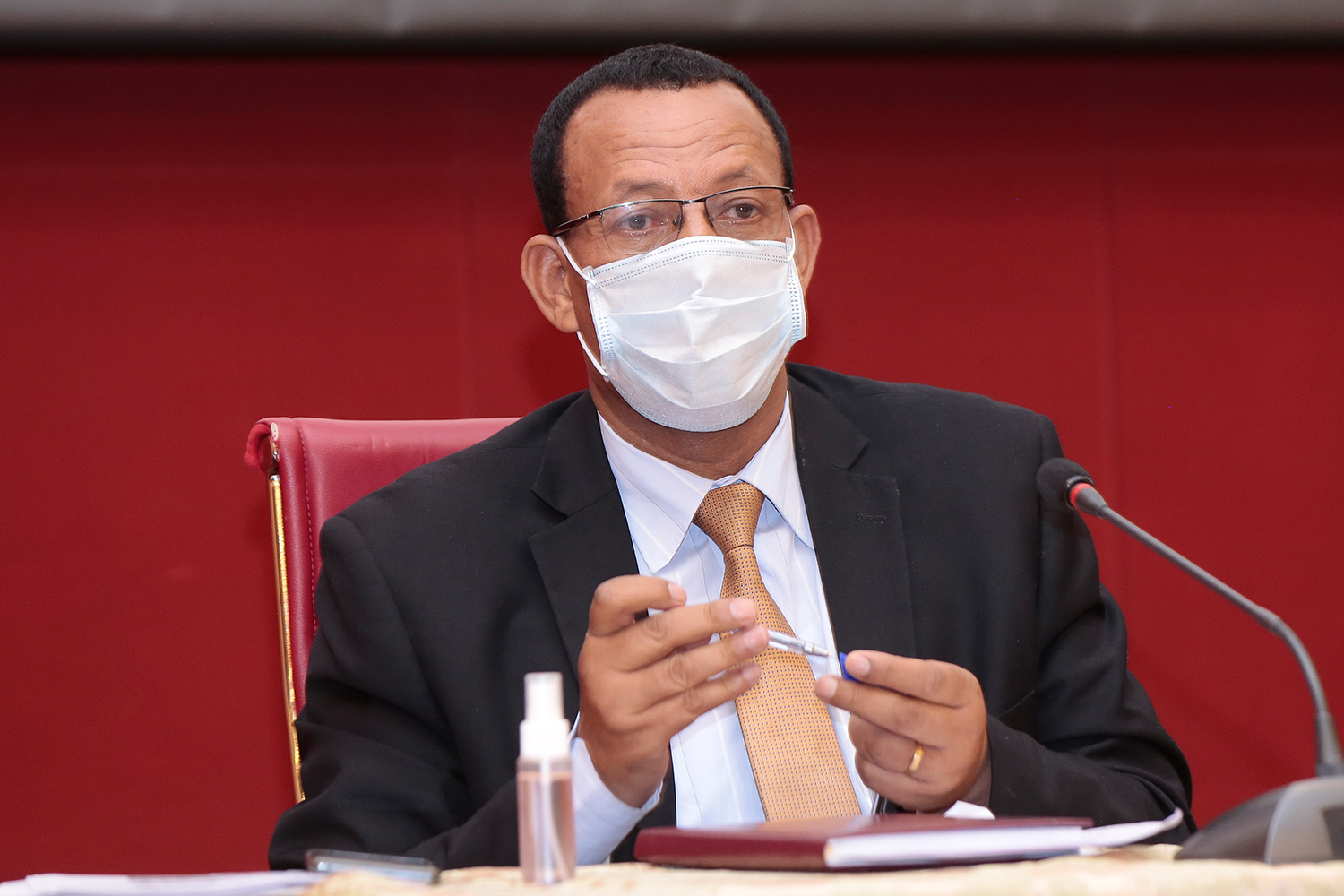
From the beginning of the next Ethiopian New Year the government is planning a crucial shift to suspend import of edible oil and focus to locally produce oil.
Eshete Assfaw, said that under the government’s plan as of October 10 the country will fully stop oil import. And the government will support local producers to increase their capacity and to begin their operation as soon as possible.
Currently the country imports 40 million liters of palm edible oil every month through 24 selected importers to distribute it with affordable price.
Recently Prime Minister Abiy Ahmed said that the government is working to substitute the import of basic commodities like wheat and edible oil by local production. He said that the wheat production that expanded in these two years will enable the government to stop the import of wheat fully that consume close to a billion dollar every year. The country allocates about half a billion dollar for oil import per annum.
Ethiopia’s donkeys need urgent re-evaluation
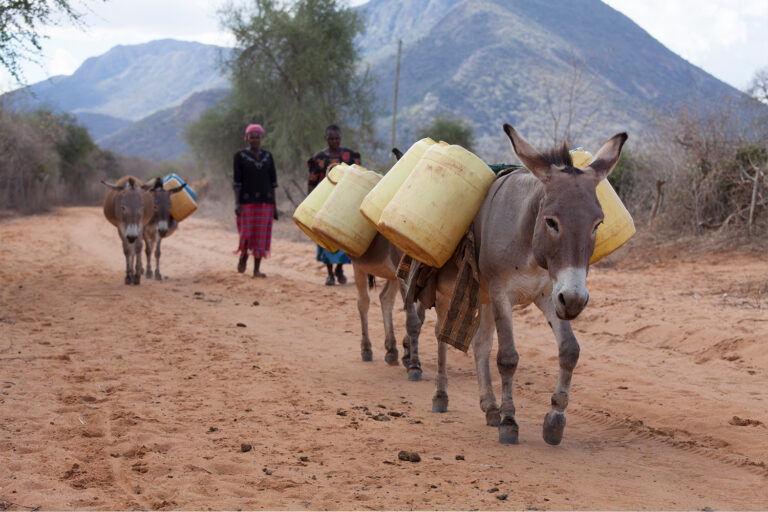
Ethiopia’s national donkey herd is critically undervalued and faces a significant threat from the global skin trade, according to a new research carried out by international animal welfare charity, The Donkey Sanctuary.
The Donkey Sanctuary collaborated with researchers from Bristol University’s Veterinary School and the London School of Economics on the project.
Research focused on four locations in the Oromia region, investigating the role donkeys play in shaping human livelihoods. The research found that donkeys develop and sustain livelihoods and generate income for the most marginalised communities; it also found that their economic contribution is overlooked in development policy and needs urgent revaluation. The research highlights the need to include donkeys in livestock and food security frameworks.
Ethiopia has approximately 8.8 million donkeys, the largest population in Africa. These animals are often visible in rural areas – on roadsides carrying vital supplies of clean water and firewood for homesteads or pulling carts with goods to trade at market.
Less visible is the contribution they make to the development and support of people’s livelihoods in semi-urban and urban environments. In these areas, they provide transport, food security and income generation as well as freeing up women for work and enabling their children to go to school.
There is a common saying in Ethiopia:” A farmer or woman without a donkey becomes the donkey.” Having access to the traditional beast of burden, gives women the opportunity for a less marginalised, more productive role in society.
Zoe Raw, Head of Global Research at The Donkey Sanctuary said “working donkeys and mules are the backbone of rural economies in Ethiopia. They play a central and critical role in supporting poor and rural communities, providing people with a means to earn a living, transport goods, collect water or enable their children to access education. Unfortunately, the remote and marginalised nature of these communities means that they are often overlooked by national or global policy. This piece of work provides robust, scientific evidence to demonstrate the value that working donkeys and mules provide in Ethiopia, and strengthens our message that working animals have a critical role to play in human livelihoods and in development.”
Martha Geiger, Centre Manager, Firoz Lalji Centre for Africa at The London School of Economics and Political Science also said “our research reveals donkeys are pivotal actors in shaping and supporting community livelihoods in rural, peri-urban and urban areas of Ethiopia. Not only are they important at community level, they also hold individual value to their owners providing people with a sense of kinship, relief, and pride. Yet, the socio-economic contributions made by donkeys are often ignored in government processes, which favours ruminant livestock. As a result of their lack of protection, they are now more vulnerable to the skin trade, which could see their population decimated in the coming years. Consequently, those who depend on donkeys would find themselves in precarious positions with their livelihoods in question”.
The skin trade is an additional challenge for these undervalued animals with the escalating demand for their skins as raw material in the production of a traditional Chinese medicine called ejiao. The medicine claims to promote health and vitality as well as treat various conditions such as anaemia.
The research, focusing on direct contact with local community groups, revealed donkeys to be a critical source of support to households, creating economic security, empowerment to marginalised groups – including women and the very poor – as well as providing a sense of companionship to their owners.
Research highlighted several key themes on why working animals should be included in policy making in Ethiopia and across African countries: donkeys are generators of income; donkeys can enhance social status; working with and owning donkeys empowers women in particular and helps address gender imbalance; donkeys reduce social vulnerability and encourage resilience; donkeys provide companionship as sentient beings.
The research concludes that donkeys are not included in livestock development programmes or economic policies in Ethiopia. Owners are thus left exposed and often fall victim to the escalating skin trade and global demand for raw materials to make a traditional Chinese medicine called ejiao.
