

Tech entrepreneurs from nine African countries will be competing for up to $50,000 USD in equity investment from the comfort of their homes in this year’s MEST Africa Challenge. Following extensive feedback from entrepreneurs, conversations with tech ecosystem players, and the developments of COVID-19 in Africa, the MEST Africa Challenge has announced that this year’s competition will be virtual for the first time since its inception three years ago.
In light of this uncertain time, MEST is expanding the 2020 MEST Africa Challenge to target a larger number of tech startups in need of funding. This means the application deadline for the 2020 MEST Africa Challenge has been extended to May 13th. Additionally, each country final will take place in its own week, during which MEST will be curating and creating conversations and resources specific to their particular local contexts.
“We realize that the MEST Africa Challenge and funding opportunities for African tech startups are now more important than ever,” says Jorn Lyseggen, CEO of MEST. “MEST is committed to support the African tech ecosystem through these difficult times. Through the MEST Africa Challenge, we will help promising startups across the continent get visibility, access to networks, and funding”.
Participating entrepreneurs will take part in country-wide competitions where they’ll pitch virtually to a panel of expert judges. Finalists from each country will go on to compete on a global stage in front of entrepreneurs, investors, corporate partners and ecosystem players for the chance to win $50k in investment from the MEST, and the opportunity to join the MEST incubator community.
For the second year running, the online competition will stand strong in partnership with leading technological giant and headline partner, Microsoft. They will be key to the success of the MEST Africa Challenge as it goes virtual. When asked about the collaboration, Senior Director of Partnerships for Microsoft Africa, Chris Lwanga, said, “Innovation is the birthright of every human being. We believe in empowering every person and organization, like MEST, to do more through our Microsoft for start-ups program.”
Africa’s biggest tech software pitch competition goes virtual due to COVID-19
Korean community donates test kits, PPE and cash
On May 12, the Korean community in Ethiopia including the Embassy, businesses, NGOs and development agencies conveyed medical supplies as humanitarian assistance to the Ministry of Health and the Ethiopian Public Health Institute (EPHI) in order to support the Ethiopian government’s effort in the fight against the COVID-19. The Korean government supported the supply of 25,000 portions of the Korean diagnostic test kits. Other supplies and monetary donations were delivered together by KOICA (Korea International Cooperation Agency); Korean companies based in Ethiopia including EKOS, LG, Daewoo; non-governmental organizations based in Ethiopia such as Good Neighbors, World Share, Sarangbat. The Korean companies and NGOs voluntarily and actively participated in the Korean government’s decisions regarding humanitarian assistance, which shows Korea’s willingness to cooperate with Ethiopia in overcoming the COVID-19 crisis. During the ceremony, Ambassador Lim said “to beat COVID-19 and to recover from the devastation it has wrought, an unprecedented level of global solidarity and coordinated action is needed. The Korean government is prepared to fully share all information and insight garnered in our ongoing fight against COVID-19 with the partners in the international community. In particular, it will strengthen cooperation with Ethiopia, the only country in Africa that had dispatched a ground troop during the Korean War.” He added that Korea will not forget the partnership which Ethiopia showed to protect peace and freedom, and both countries have currently been working towards a joint effort to fight the new enemy, COVID-19, to emerge victorious. Minister Lia Tadesse expressed her gratitude for the continuous support and solidarity by the Korean government and the Korean community in Ethiopia. The Minister added that “Ethiopia is proud of Korea, a close partner, that it has successfully overcome the COVID-19 crisis,” and that “we hope Korea to play a crucial role in response to the COVID-19 in Africa, and especially in Ethiopia.”
VALUING REMITTANCES AND RESOURCES FOR AFRICA
“COVID19 has generated an unintended consequence of speeding up the digital innovation in Africa led by the youthful population with the common market as their reach and the returning diaspora as the icing on the cake…” Eric M.K. Osiakwan, Africa.com
Most on the continent are familiar with the term “remittance – a payment or amount of money sent as a gift,” often used in relation to the financial contributions of Africans Diaspora sent back home to families from Algeria to Zimbabwe. But remittances are much more than that according to the African Union who states, “The African Institute of Remittances develops the capacity of Member States of the African Union, remittance senders and recipients and other stakeholders to implement concrete strategies and operational instruments to use remittances as development tools for poverty reduction.” But regardless of these lofty goals, as of 2020 remittances have been markedly reduced based on subsequent economic effects caused by the pandemic. Though the crisis is felt in all countries, affects on African are immense. And for the typical sender, who may live a few paychecks away from scarcity, the problem is compounded and the near future numbers are bleak according to Yinka Adegoke, qz.com Africa Editor who writes, “African countries will see remittance flows drop by 23.1% to $37 billion in 2020 in the wake of the Covid-19 economic crisis according to a World Bank forecast.”
I have been thinking about the reconciliation of remittances and resources for over a decade, frankly incensed by the notion that African Diaspora was “valued” by the amount of $’s contributed with minimal accounting for overall contributions based on resources we bring to the table in Africa, beyond bank accounts. Resource, as opposed to remittance, is defined as “stock or supply of money, materials, staff, and other assets that can be drawn on by a person or organization in order to function effectively.” In these difficult times, it is the resources that should be both quantified and qualified and certainly valued. Hence I share for the purpose of encouraging and hopefully shifting the narrative of value exclusively from remittance to include resources.
The Association of Nigerian Physicians in America, 4,000 strong, has pivoted their annual visit to West Africa where care was provided to collecting and sending Personal Protective Equipment (PPE) and providing telemedicine care and training. While in Ghana, Eric M.K. Osiakwan, presents the silver lining around the dark covid19 cloud in his Africa.com article, sharing four major trends helping Africa address and overcome the pandemic. “COVID19 has generated an unintended consequence of speeding up the digital innovation in Africa led by the (the four major trends) youthful population with the common market as their reach and the returning diaspora as the icing on the cake… . Dr. Marcus Manns moved to Ghana in June 2000 to start his chiropractic and wellness center which is now a successful business and in the process met his wife – they now live between Accra and the US with their five kids. Ingrid LaFleur who once ran for the mayor of Detroit could not return after her “Year of Return” visit…has gone on to launch The Afrofuture Strategies Institute (TASI) with a triangulated location in Accra, Kigali and Johannesburg. Derrick Ashong and Lucia Brawley, co-founders of Amp Global Technologies, moved from Los Angeles to Mauritius to launch The Mic: Africa, the first multi-platform TV format created in Africa to be exported around the world, all powered by their Take Back The Mic (TBTM) app.” Ethiopia and her Diaspora are also moving the needle on social responsibility from the Diaspora with US based Ethiopian physicians actively engaged with the country’s health head honcho, Dr. Lia Tadesse and Ethiopian Diaspora High-Level Advisory Council on COVID-19 and Ethiopian Health Professionals Advisory Council on COVID-19 hosting zoom meetings in Partnership with the Ministry of Health and Ethiopian Public Health Institute addressing topics from policies to preparedness. Additionally, the recently launched “Prints for Ethiopia” by German based Ethiopian artist, Gelane Dissassa and US based filmmaker Edelawit Hussien is an initiative to raise awareness and funds through art to help feed homeless children in Addis Abeba.
Too often the Diaspora discourse has been narrowed to remittances or entitlement, with little to no regard for the resources at hand including education, experience, access and opportunities for development and the list goes on. However, as we prepare to create our “new normal” in Africa it is my hope that the Diaspora will be credited for taking action on our burning desire to help build Mother Africa, full stop. Our loyalty to the land which historically was robbed of the best, so we could build the west; combined with 20th century stories of migration, resulting in success stories, create a powerhouse. Time for recognition and reintegration of Africans at home and abroad, the best way to build Africa.
Dr. Desta Meghoo is a Jamaican born
Creative Consultant, Curator and cultural promoter based in Ethiopia since 2005. She also serves as Liaison to the AU for the Ghana based, Diaspora African Forum.
Africa’s fight against COVID 19
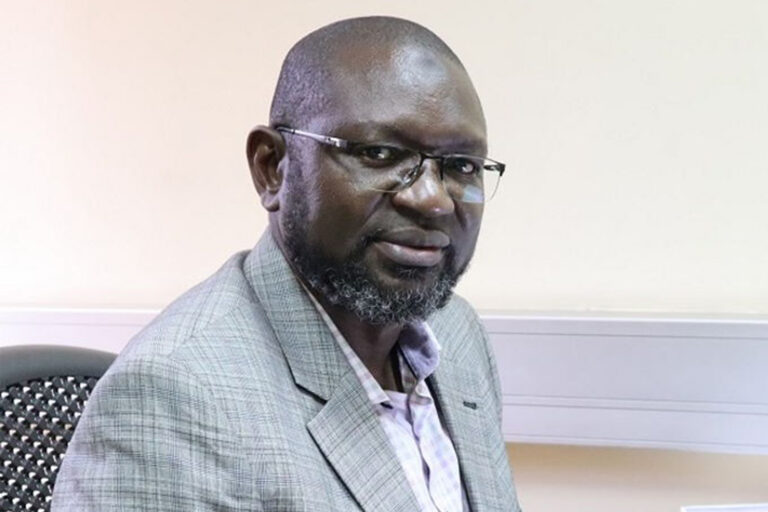
Africa Centres for Disease Control and Prevention (Africa CDC) is a specialized technical institution of the African Union established to support public health initiatives of Member States and strengthen the capacity of their public health institutions to detect, prevent, control and respond quickly and effectively to disease threats. Africa CDC supports African Union Member States in providing coordinated and integrated solutions to the inadequacies in their public health infrastructure, human resource capacity, disease surveillance, laboratory diagnostics, and preparedness and response to health emergencies and disasters.
Established in January 2016 by the 26th Ordinary Assembly of Heads of State and Government and officially launched in January 2017, Africa CDC is guided by the principles of leadership, credibility, ownership, delegated authority, timely dissemination of information, and transparency in carrying out its day-to-day activities. The institution serves as a platform for Member States to share and exchange knowledge and lessons from public health interventions. Africa CDC Deputy Director, Dr. Ahmed E. Ogwell talked to Capital about his institutions activities and the current fight against covid 19. Excerpts;
Capital: How well are African countries prepared to respond to the covid 19 compared to the rest of the world?
Ahmed E. Ogwell: To respond to the covid 19 in a better way is to prepare. We did not compare ourselves with other parts of the world but I can share with you how we are prepared so that you can have a better understanding. The first thing we did when we got the information this virus has been identified in China is we started to develop the capacity of Africa CDC that we secured our health system health expertise and experiment that will enable us to respond.
The second thing is, we started doing capacity development at all the 55 identified African member states. We have been building their capacity in preparing for the arrival of the virus, we have been doing things starting from January up to now. If we see where Africa was in January and where Africa is today in terms of preparation to respond to this covid 19 pandemic we can say that we have improved our ability and we are now confident that we can quickly identify people who has the virus, we are able to quickly test them and has prepared quarantines and isolation centers depending on the laboratory result.
Although if we have compared to the other parts of the world and the number we can say Africa is doing something right. Because the number of the cases in the rest of the world are increasing very fast but the number in Africa is rising but not fast so it mean that we are doing something good and it is because of the preparation that we have made when the covid 19 was identified in China.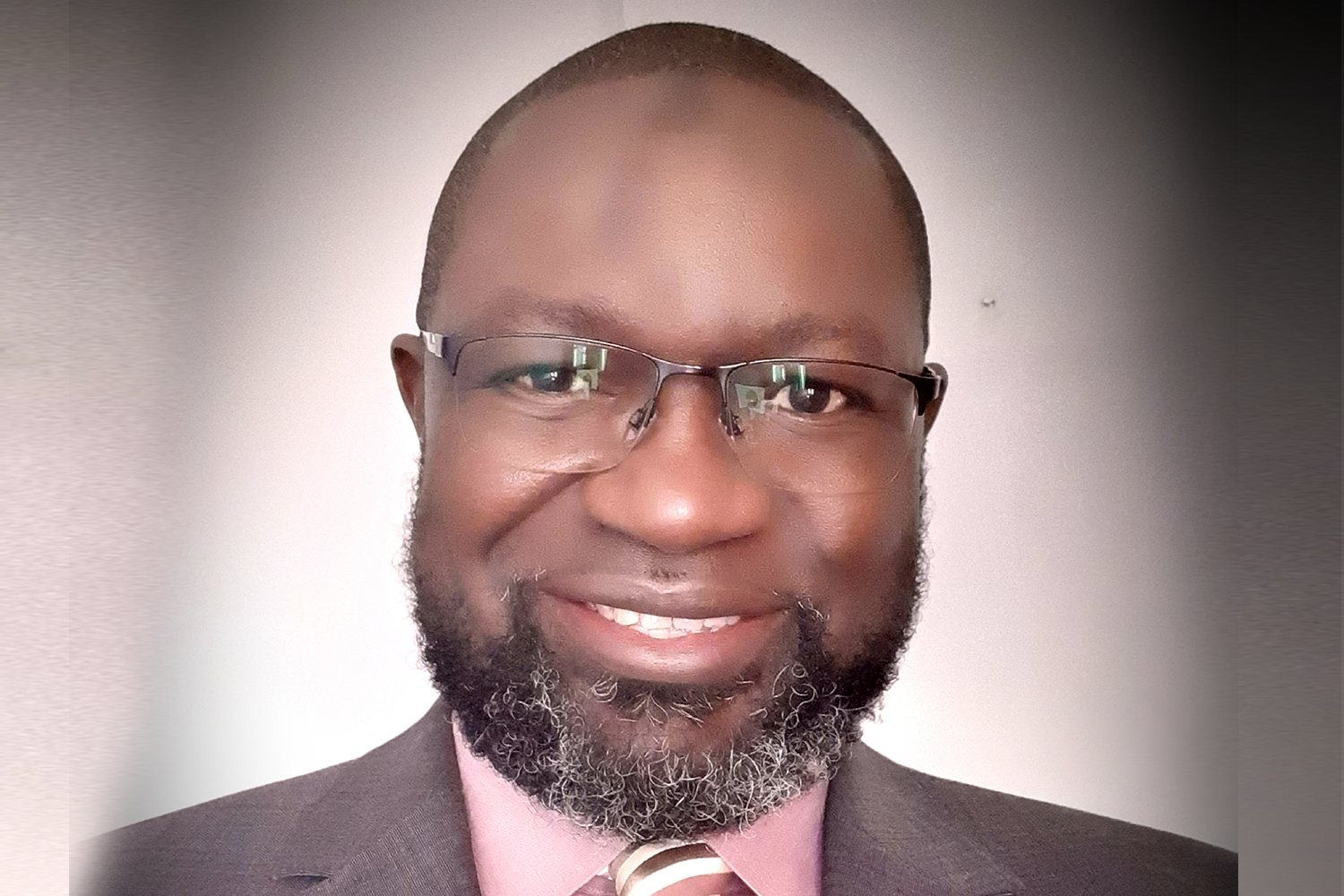
Capital: what are the main challenges facing Africa so far in the fight against the virus?
Ahmed: The challenges are several. The first main challenge is that our health system is weak that means our health experts are few, our hospitals are few also that we don’t have enough capacity to reach the community that are affected so one of the challenge is out health system. The second challenge is that the test kits that are used to test the Covid 19 are manufactured out of Africa and taking hold of them are becoming very difficult as every country wants the test kits so we have been working to find companies which can be able to work with us to be able to secure test kits for Africa.
The other challenge is the protective equipment that our health workers need. Most of the personal protective equipment like face mask, hand gloves and coverings that health workers use in the hospital are manufactured In Europe, China or America and because they also have the same disease they are not able to release to the world competitively. We need a lot of protective equipment.
The other challenge is resource. We need people to prepare, to prepare our hospitals, our health workers and to be able to communicate with the public resource are our challenge so we are trying to mobilize resources from governments, African countries and other parts of the world.
The final challenge I like to share is wrong information, there are so many rumors outside that is causing fear and panic to the public. We are trying very hard to identify the rumors and we are trying to provide the correct information to the public. But nevertheless wrong information has become a very big challenge in managing the covid 19.
Capital: There are some stories that Chinese made test kits failed in some parts of the world, how are you coping with this as most test kits in Africa came from China?
Ahmed: I think it is important to know as CDC Africa we have a protocol when we buy our test kits. We don’t go to the open market that you may be able to find test kits that would fail. We have our usual supplier that we have been working with from the beginning and all the test kits that are coming to Africa through Africa CDC are good in quality and no country is complaining that they have problems in our test kits. At a time like this when demand is very high and supply is very low we find somebody who will be going to that space with our standard and as African CDC and African Union we have suppliers we know who give good products and we don’t go to unverified supplier unless they are being verified and known.
Capital: How is the African CDC and African Union providing support?
Ahmed: The African Union and the African CDC are providing support to member states in several ways. One is we have develop a continental studies on covid 19 outbreak and we are using to support our member states. So all countries in Africa are aligned and using the study, the second thing we have is a platform for the African Union member states meet in two weeks and provide directives to us as African Union and Africa CDC. So every action that we take is as a group and this helped assuring that there are law measurement and guide. The third thing is the Ministries of Health, Finance and Transport in Africa are coordinating to the platform and are giving guidelines on the activities that we are doing.
Capital: How is the CDC Africa collaborating with the WHO and other international organizations?
Ahmed: Through the task force Africa CDC is coordinating and closely working with the WHO and other organizations such as the ILO, UNDP, UNICEF and other organizations. It is part of the task force over the mitigation of the covid 19. We are working closely with aligned plans.
Capital: What is the worst case scenario expected?
Ahmed: We are preparing for the current situation our planning our support and all our activities are for the current scenario. We did not give room for the worst scenario. We are doing everything we can to respond at this stage. We are not planning to any other scenario.
Capital: Locust swarm, malaria, polio and hunger are looming again in Africa do you have any plans to tackle these?
Ahmed: In fact we are talking a lot about covid that the reality is all other disease are still popping up in the continent. In Africa CDC we have been working with our member states to respond on the other diseases to ensure that the health system still remains functional to address the diseases and covid is providing special case by identifying specific cases while the rest of the health system continue to functional and to address all the other diseases.
Lastly I have two comments. One is that the response is going to be effective when member of the public get correct information and following government directions. This discipline is the one that is going to ensure the number of the case in Africa to remain low. The second thing I have is that we have to protect our health workers because they are the ones who are looking after the patients who have the virus. So we have to make sure that we give them the correct motivation to continue to work.
