Friday, November 27, 2026
Home Blog Page 375

Fuel shortage slows Djibouti trucking — Railway cuts turnaround by 28%

0

Djibouti City, Djibouti

Fuel shortage in Ethiopia is disrupting truck flows and slowing cargo movement from Djibouti’s ports, officials reported. In response, the Ethio-Djibouti Railway (EDR) has announced that it is actively working to meet the rising demand.
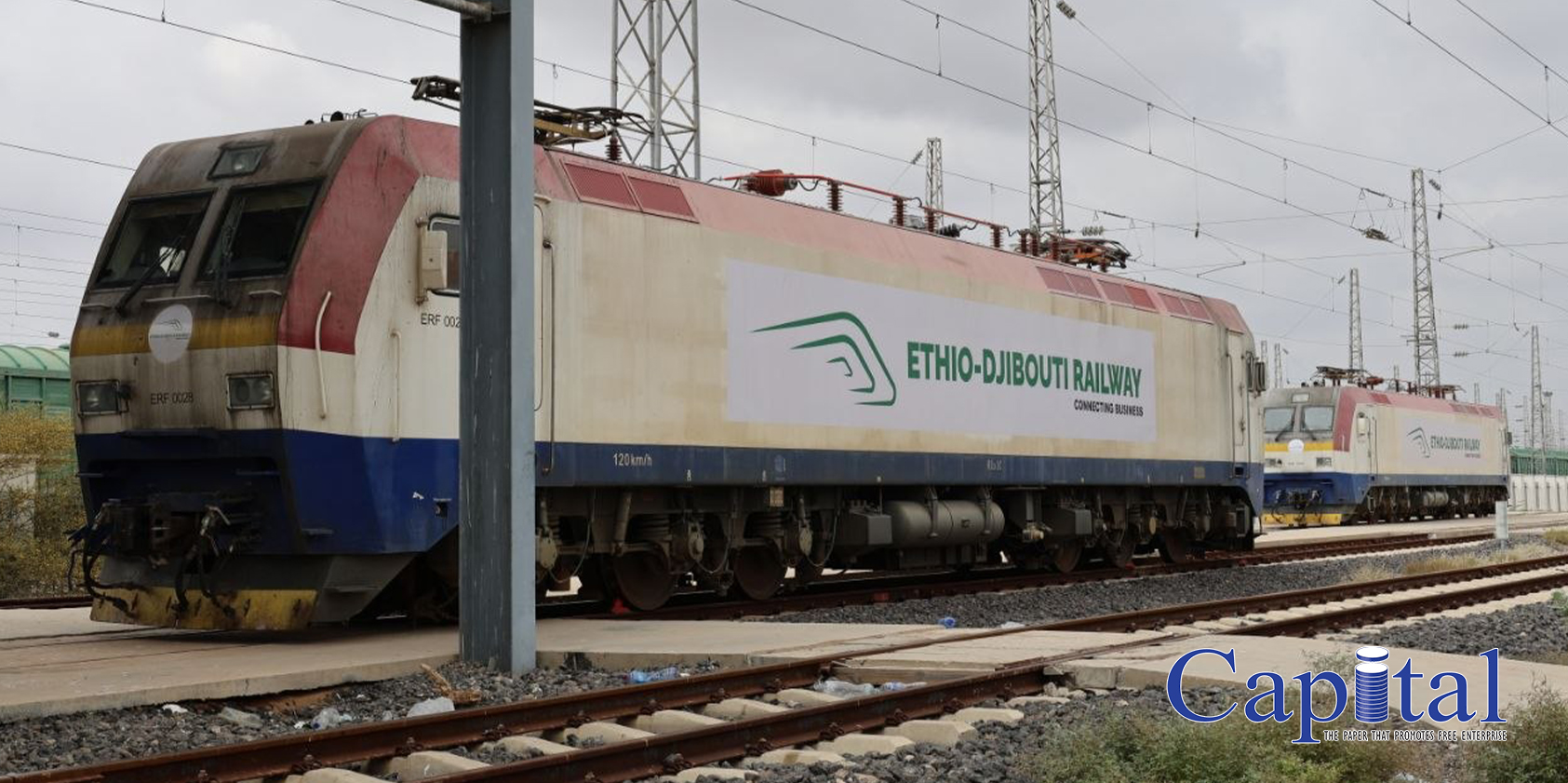
The fuel disruption, linked to a sudden outbreak of conflict at the Strait of Hormuz, has hindered trucks from refueling quickly and maintaining regular operations. Long queues have been observed throughout Ethiopia, including in the capital, Addis Ababa.

Port officials at Djibouti’s Doraleh Multipurpose Port (DMP) noted a significant decline in the number of trucks arriving from Ethiopia to collect cargo due to the shortage, causing scheduled cargo transport to be delayed for days.
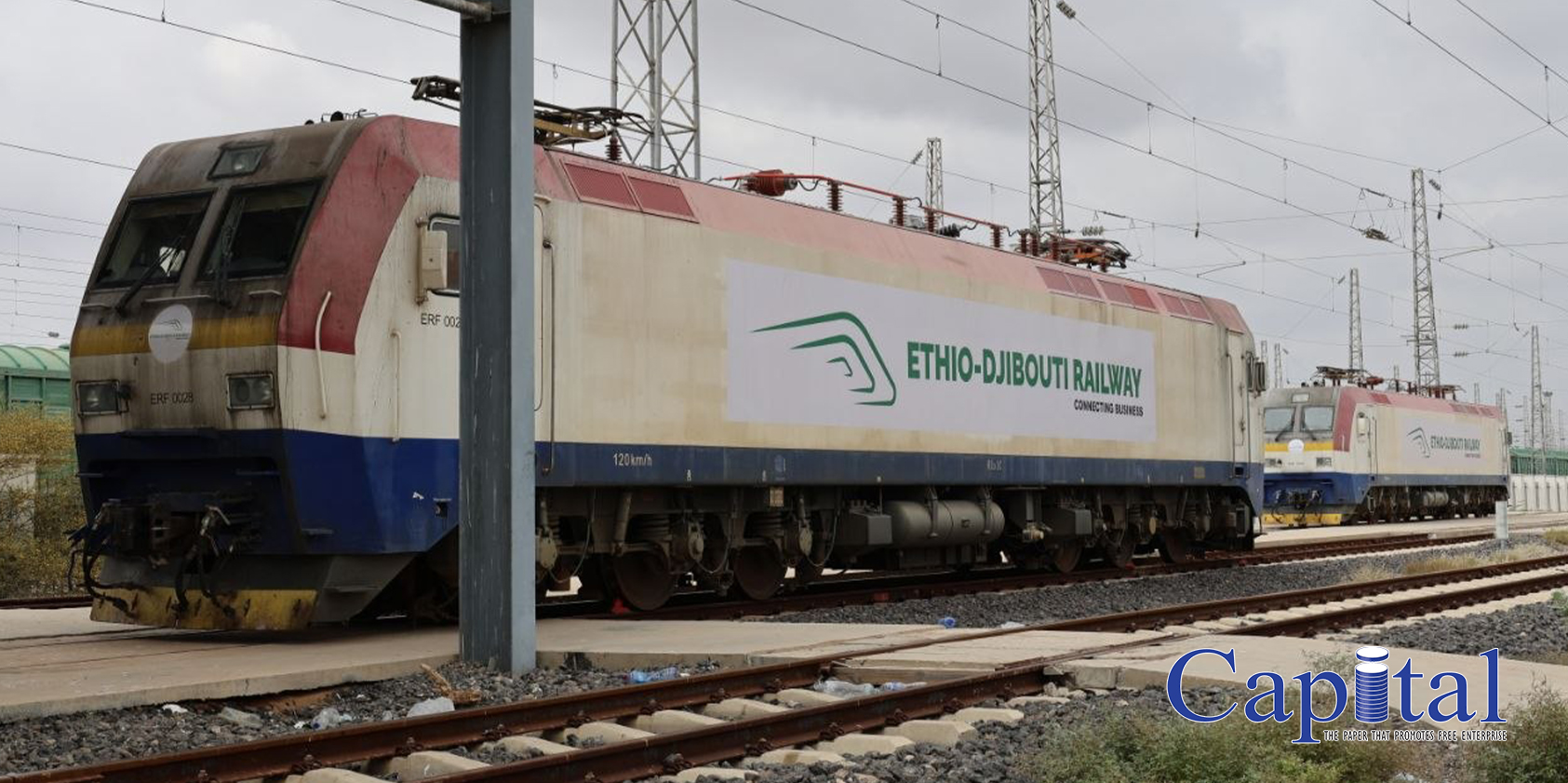
Despite this slowdown, officials emphasized that there is no congestion at the port, which has ample storage capacity. The facility spans 192 hectares and includes a dedicated yard within the Free Zone.

“Our berths are operating at full capacity, with up to five vessels simultaneously loading or unloading cargo. Therefore, we are experiencing no congestion at the anchorage,” DMP officials told Capital. They added that only seven vessels are currently waiting to dock at one of Djibouti’s deep-sea ports.

DMP features a silo with an 85,000-ton capacity for grain and another 185,000-ton silo for fertilizer, along with a large warehouse for bagged cargo. The port’s bulk terminal has three quays dedicated to handling wheat, fertilizer, and other commodities.
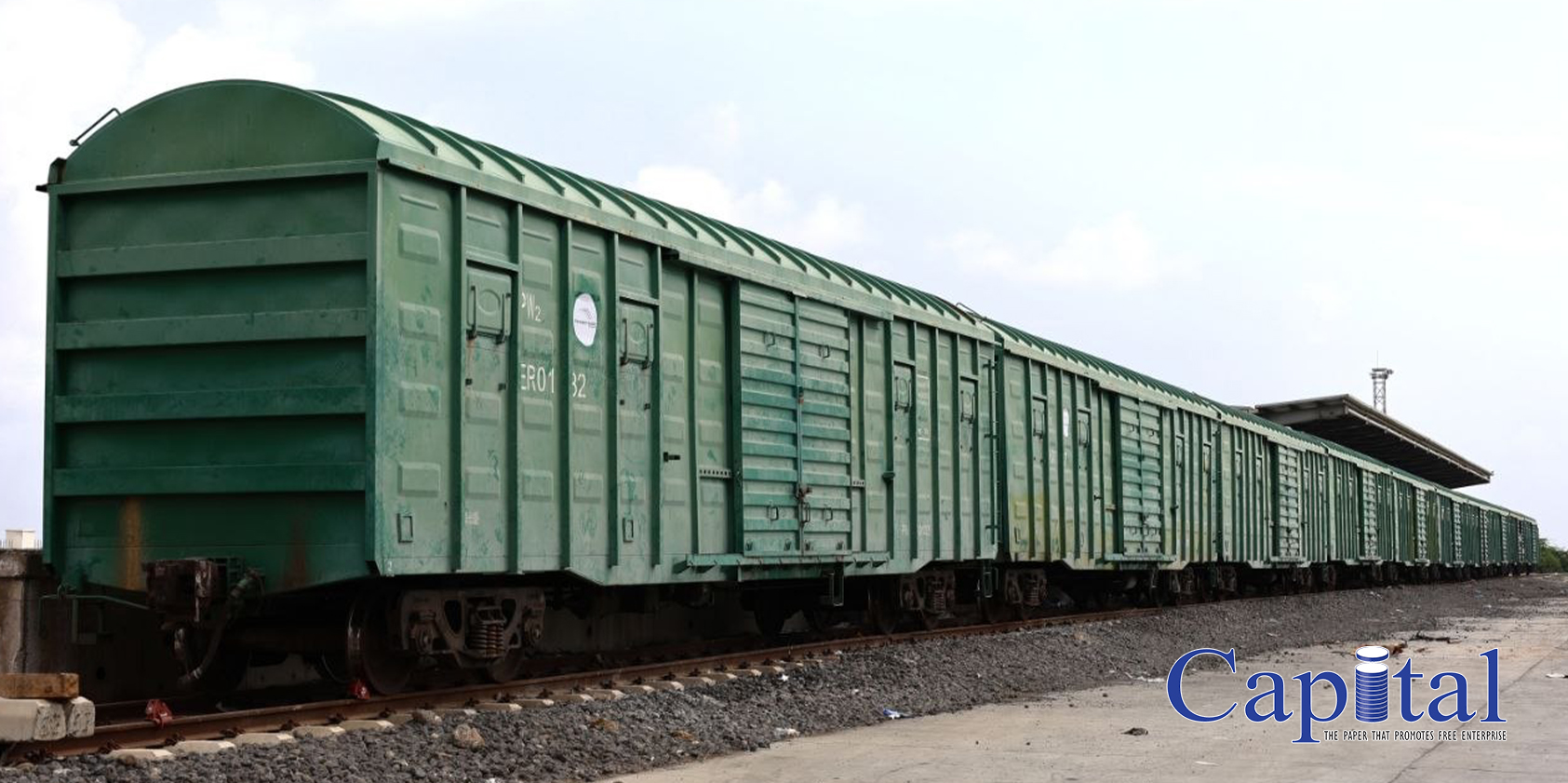
Officials indicated that due to the truck slowdown, strategic commodities such as fertilizer are being transported primarily via the EDR railway. Although the EDR line does not yet connect directly to DMP, trucks cover the initial 800 meters to transport cargo to central Ethiopia.

Brikti Solomon, EDR’s Operations Head in Djibouti, stated that customer demand for cargo handling—particularly for machinery and containerized imports—is steadily increasing. “Incoming machinery cargo at DMP is on the rise, and we are managing the transport,” she said.
She further explained that the joint railway company, operated by both nations, is coordinating closely with the ports. “Due to the fuel shortage in Ethiopia, we are committed to serving the market by transporting cargo on time at fair rates,” Brikti informed media at Nagad, the main railway station in Djibouti, located 21 kilometers southwest of the capital.

For bulk cargo, the electric railway primarily transports fertilizer, wheat, and barley using box wagons. Currently, EDR dispatches up to five trains daily to Endode, Mojo, and Adama stations.

The railway operator has also reduced turnaround time by 28 percent, now taking 52 hours instead of three days to accelerate operations and handling. “This year, operational tonnage will double, and we will also utilize idle wagons to transport consignments like billets and rebar,” Brikti added.
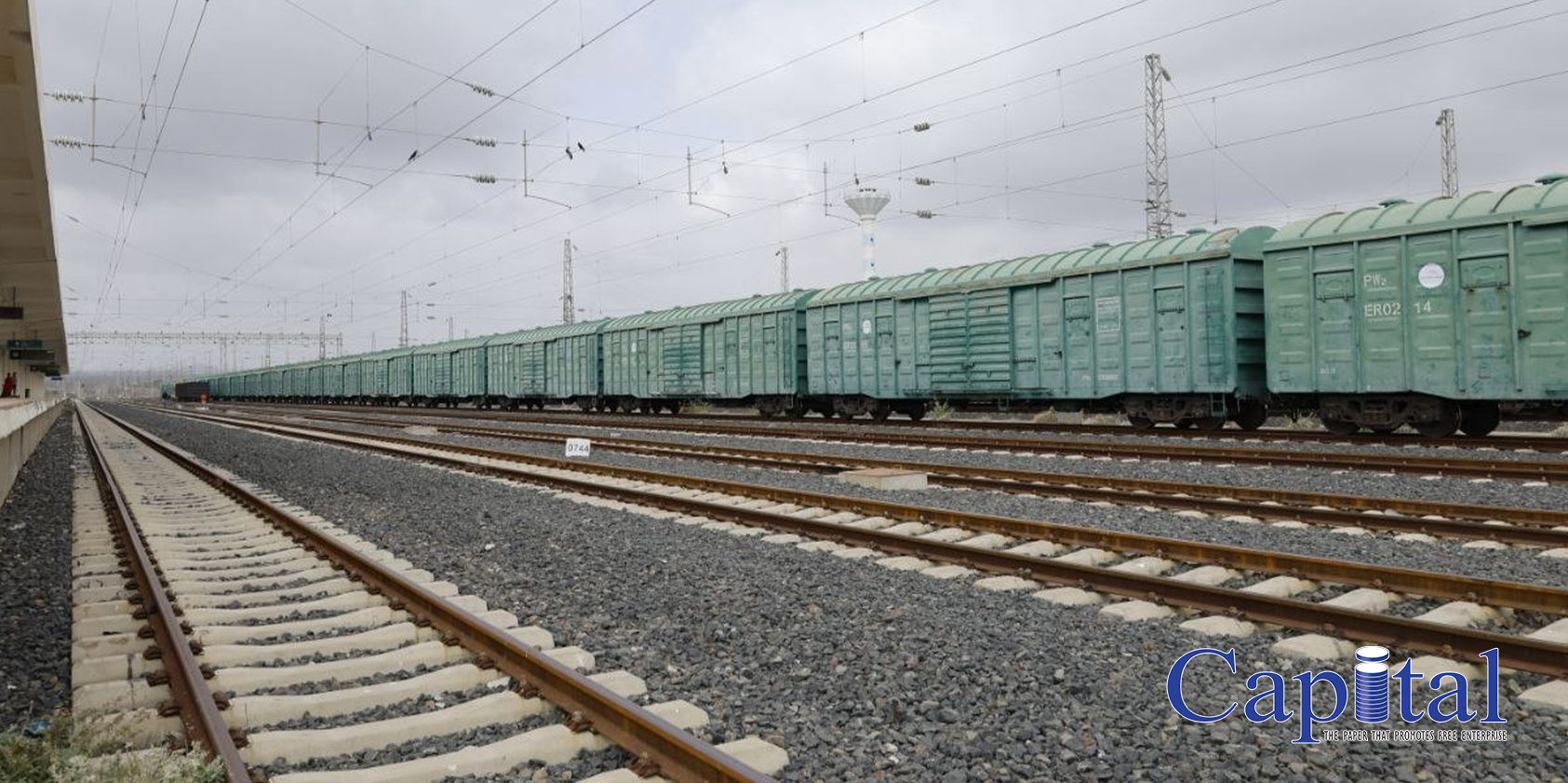
“Regarding locomotive operations, we are now at full capacity. Due to the truck shortage in Ethiopia, we are also providing last-mile service with our trucks,” she said.

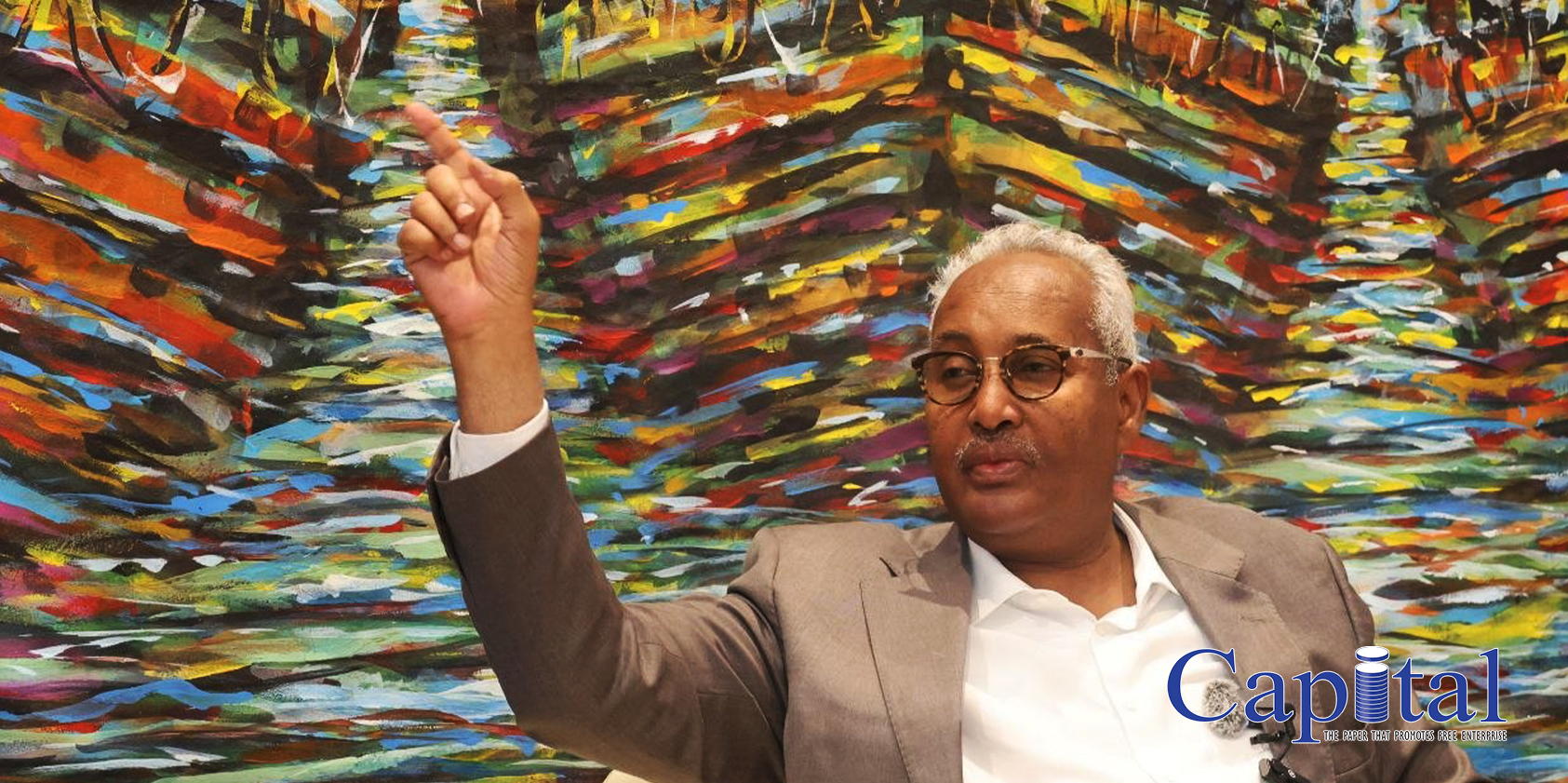
On Monday, Aboubakar Omar Hadi, chairman of the Djibouti Ports and Free Zones Authority (DPFZA), stated that as the major agricultural season approaches, cargo shipments to Ethiopia remain a priority.

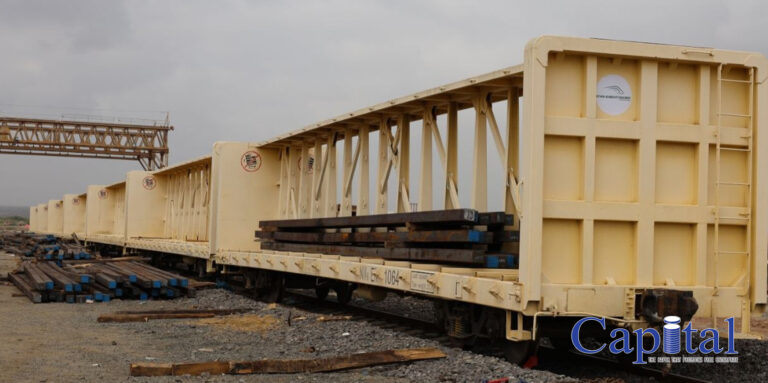
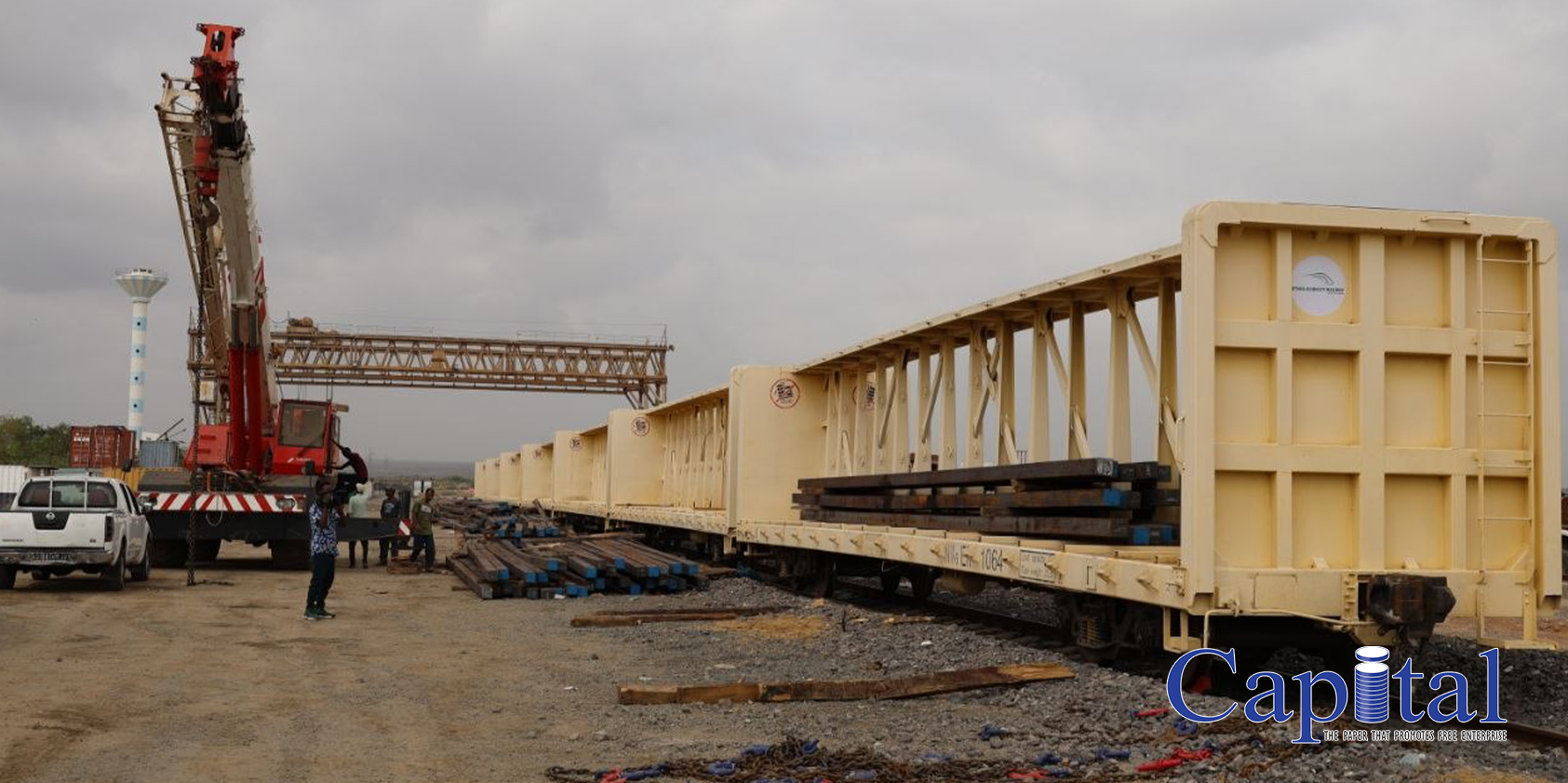
In related developments, the Ethio-Djibouti Railway (EDR), a bilateral venture owned by Ethiopia and Djibouti, has introduced special open-top gondola wagons into its cargo operations to help address capacity gaps exacerbated by Ethiopia’s ongoing fuel shortage.

In a letter addressed to the Customs Commission and dated April 8, EDR Chief Executive Officer (CEO) Takele Uma disclosed that the railway is now utilizing gondola wagons—designated as types CW3 and CW4—to strengthen freight movement.

In the letter, the CEO noted that, unlike conventional rolling stock, these wagons are open at the top and cannot be sealed for transportation.

Due to this design limitation, the letter requests the commission’s authorization to transport certain cargoes using green seals, as well as goods of exclusive public interest, on these specialized wagons. “The commission was requested to transport cargoes with green seals and exclusively public interest goods on these unique wagons,” the correspondence states.

The letter also highlights a significant increase in demand for containerized freight. “Based on this, we have determined that transporting 40-foot containers on top of the gondola cargoes is the best solution,” the CEO wrote.

To streamline logistics, EDR has requested that the Customs Commission grant advance passes for such consignments—particularly government shipments—allowing them to bypass Dewale Station.

Under the proposed arrangement, inspections would take place at the final destination instead. The letter also includes a list of the side numbers for 24 gondola wagons dedicated to the new railway shipment service.

Djibouti says Ethiopia rejected port stake, preferring corridor access

0

Djibouti City, Djibouti

Djibouti has announced that Ethiopia declined an offer to acquire a majority stake in one of its ports, instead requesting a corridor arrangement along with the proposed equity.

On Monday, the Djibouti Ports and Free Zones Authority (DPFZA) revealed that the Djiboutian government had offered Ethiopia a 60 percent stake in the port of Tadjoura.

DPFZA Chairman Aboubakar Omar Hadi stated that Ethiopian officials did not accept the proposal and instead sought a corridor arrangement in addition to the equity stake.

“We are clear and transparent—our offer was a 60 percent share in Tadjoura,” Hadi said during a press conference in Djibouti. “The Ethiopian government declined the proposal, seeking a corridor on top of the equity stake.”

Hadi emphasized that Djibouti remains open to collaborating with Ethiopia, highlighting the existing facilities available for Ethiopian trade. He noted that Djibouti has consistently provided port access and proposed equity participation as part of its engagement strategy. “We are working well with the government and offering them all the facilities they need to use our ports. We are very open to Ethiopia,” he stated.

Ethiopia has been landlocked since the early 1990s, following Eritrea’s independence, which resulted in the loss of direct access to the Red Sea. Critics have accused the previous ruling coalition, the Ethiopian People’s Revolutionary Democratic Front (EPRDF), of failing to secure a Red Sea outlet during negotiations when Eritrea seceded with all coastal territories. Today, Ethiopia is the world’s most populous landlocked country.

In recent years, Addis Ababa, viewing the loss of sea access as historically unjust, has intensified efforts to secure maritime access. On January 1, 2024, Ethiopia signed a memorandum of understanding with Somaliland to gain access to a port on the Gulf of Aden in exchange for a stake in state-owned enterprises—a deal that has heightened regional tensions.

In response, Djibouti proposed alternative arrangements along its coastline, including access through Tadjoura. However, Ethiopia’s reported request for a corridor—potentially involving special administrative or transit rights—appears to have stalled negotiations.

Separately, in October 2025, Djibouti entered a 30-year concession agreement with Red Sea Gateway Terminal International (RSGTI), a subsidiary of Saudi Arabia’s Jeddah-based Red Sea Gateway Terminal (RSGT), to operate port facilities on the Red Sea.

Increased tensions in the Gulf have led to a rise in vessel traffic at Djibouti’s ports, as some shipments have been redirected from regional hubs such as Jebel Ali.

Hadi assured that Djibouti has the capacity to manage this increase. “We have around six deep-sea ports, so we do not expect congestion,” he remarked, noting that while inland transport may pose challenges, they can be addressed through transshipment operations—ship to ship.

He also confirmed that Ethiopian cargo would be prioritized. “We will give priority to cargo destined for Ethiopia,” Hadi emphasized, particularly highlighting fertilizer shipments.

Regarding security, Hadi downplayed risks associated with Yemen’s Houthi forces, stating that Djibouti’s ports are located south of the Bab el-Mandeb Strait. Djibouti also hosts a significant United States military installation.

On March 10, DPFZA issued a notice instructing shipping agents not to impose additional surcharges on cargo loaded prior to the onset of the Gulf crisis.

The authority stated that this measure aims to ensure fairness and prevent retroactive charges, warning that violations would lead to administrative action under port regulations.

Mastercard expands footprint through dual strategic partnerships

0

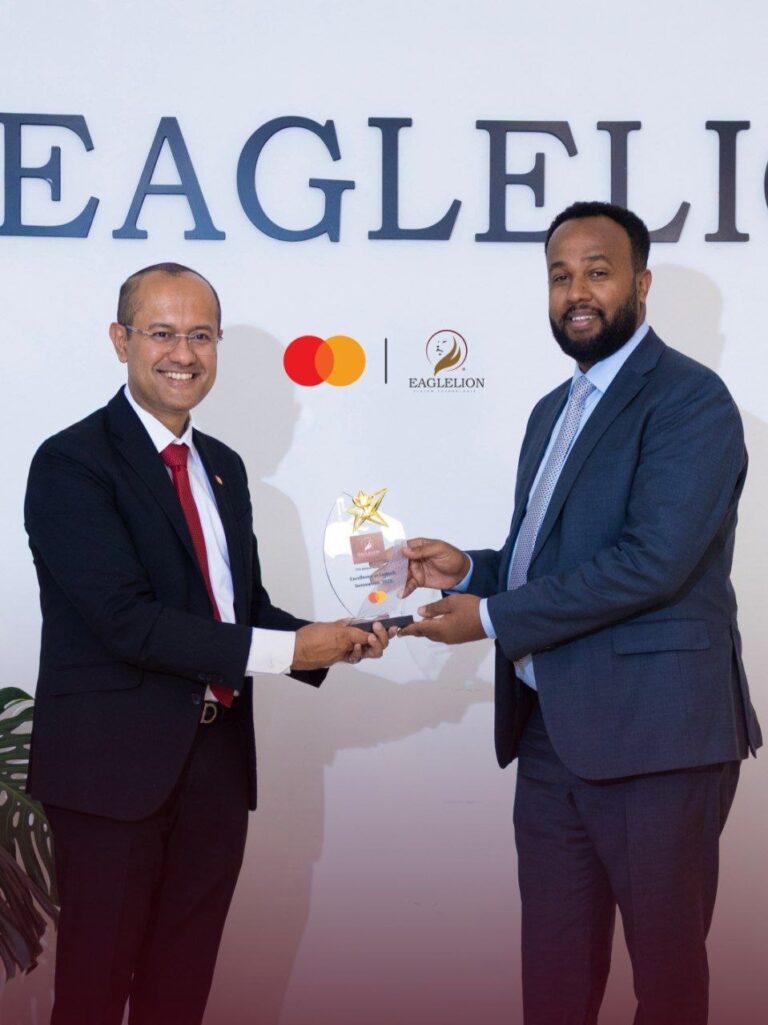
Mastercard has announced a dual-layered strategic partnership with StarPay Financial Services S.C. and Choice Microfinance Institution S.C., both subsidiaries of the innovative EagleLion System Technology group.

This collaboration, which saw EagleLion’s CEO Bersufekad Getachew Amare honored with the Mastercard Excellence in Fintech Award, aims to bridge the gap between global payment infrastructure and local market needs.

Under the new agreements, StarPay will serve as a specialized reseller and distributor of Mastercard’s advanced payment technologies, enabling Ethiopian merchants to adopt seamless digital and cross-border transaction tools.

Simultaneously, Choice Microfinance has committed to a five-year roadmap to expand digital credit and inclusive banking services, specifically targeting small businesses and underserved populations at the base of the economic pyramid.

By integrating Mastercard’s global network with StarPay’s regional expertise, these partnerships are set to transform the merchant ecosystem and accelerate financial inclusion, marking a pivotal step in Ethiopia’s journey toward a more connected and technology-driven financial future.

Djibouti votes in high-stakes presidential election

0

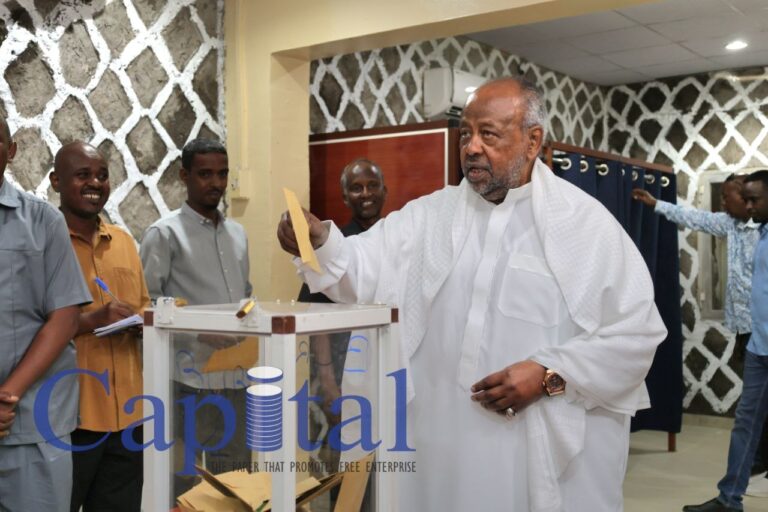
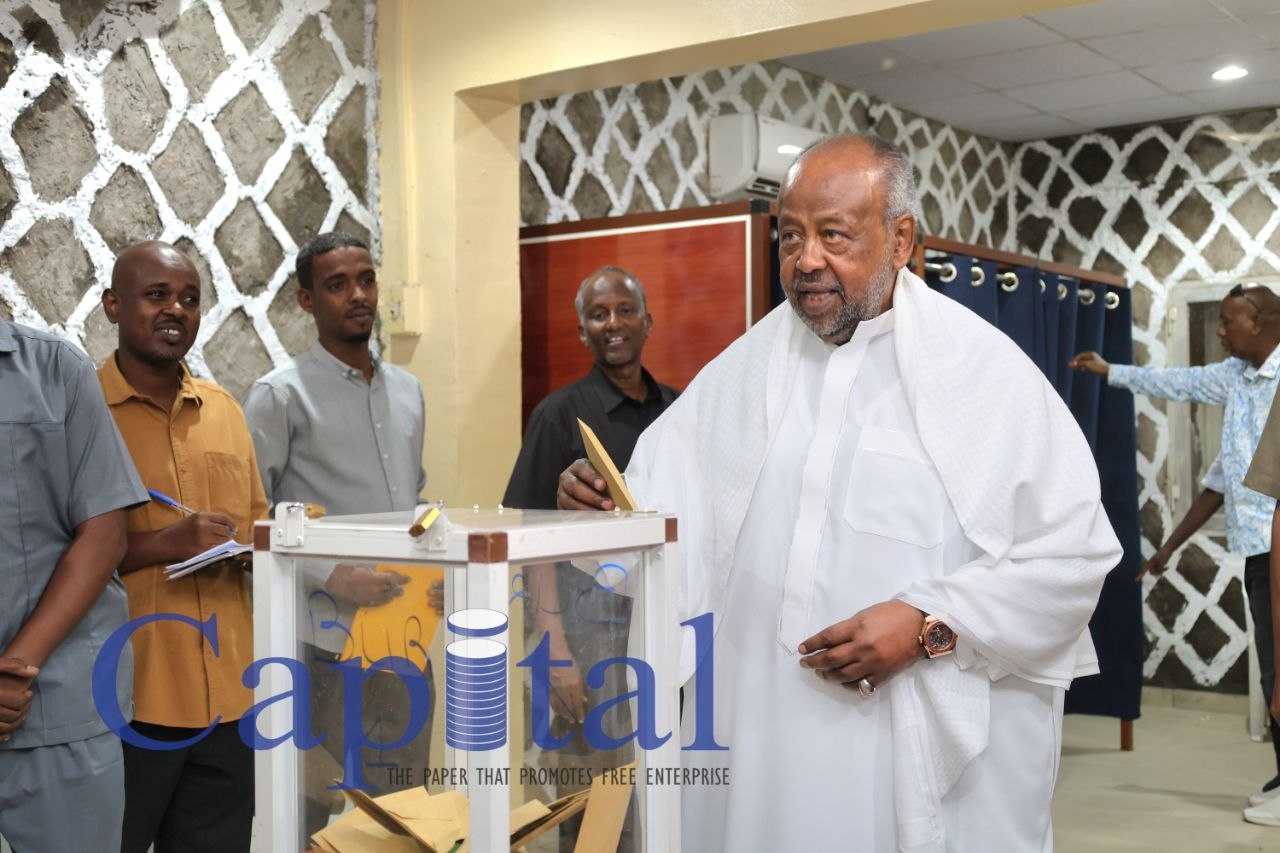
Citizens of Djibouti headed to the polls on Friday in a pivotal election expected to determine the country’s political direction for the next five years.

Voting began early across the Red Sea nation, with reports from the Ethiopian News Agency indicating a strong turnout as voters gathered in large numbers at polling stations nationwide.

Incumbent President Ismaïl Omar Guelleh is seeking a sixth term in office, running under the banner of the ruling Union for the Presidential Majority (UMP). He faces competition from opposition parties, including the Unified Democratic Center (CDU) and the Union for Democracy and Justice (UDJ).