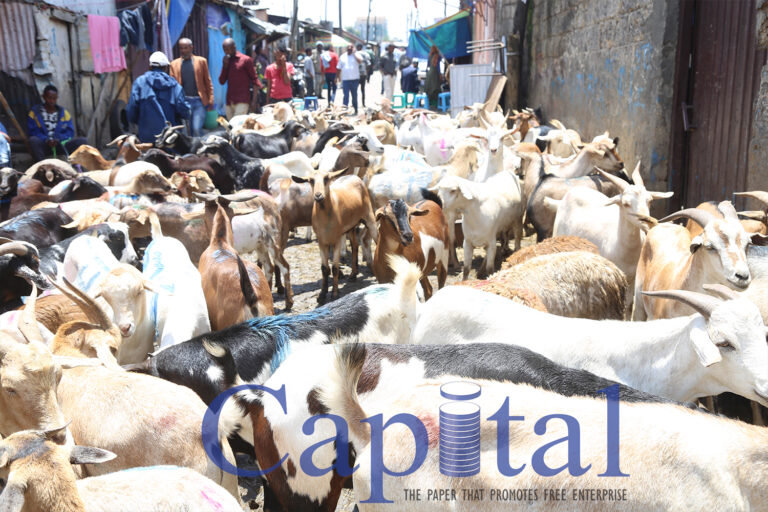
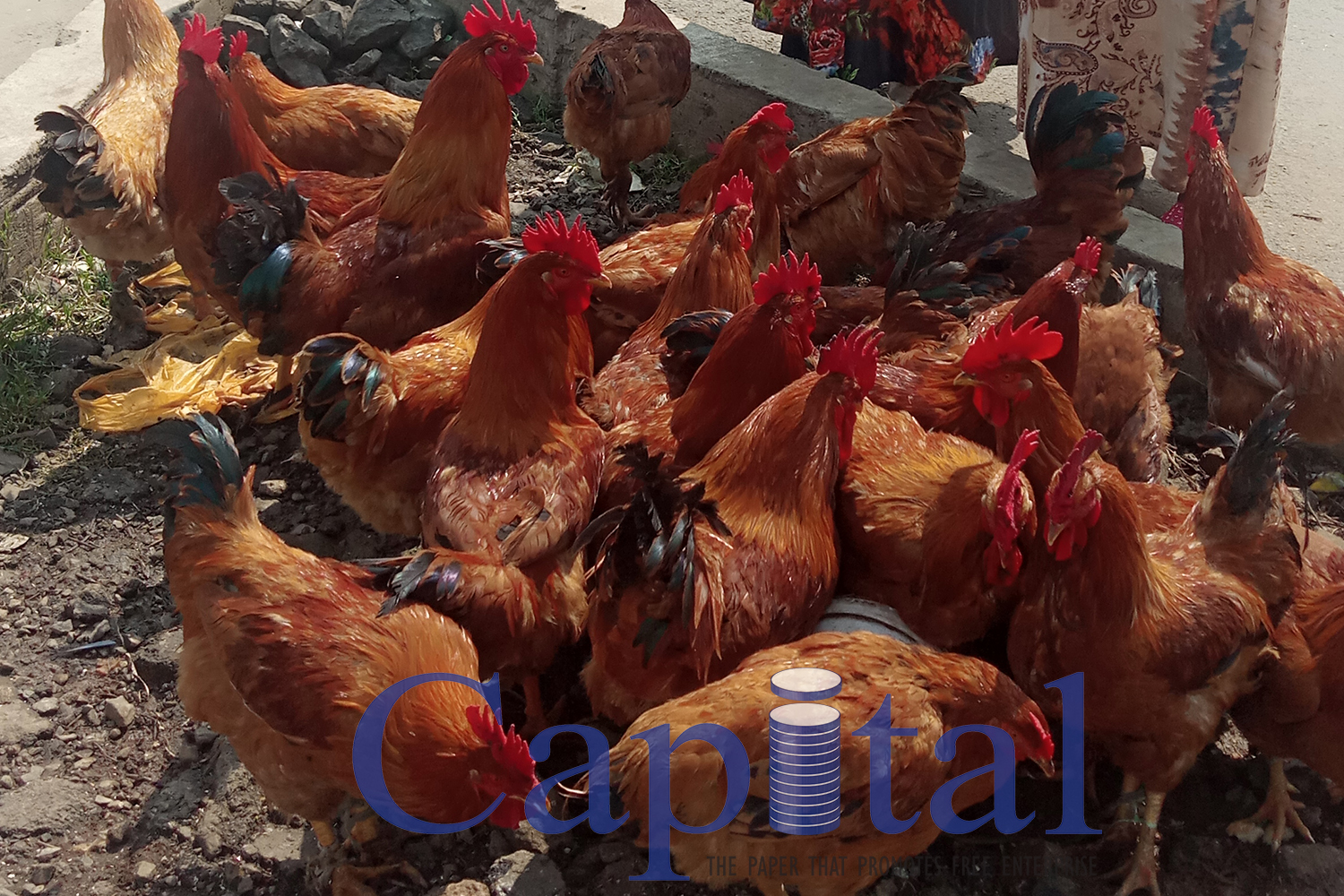
Seble Hagos was going out holiday shopping at merkato with a list over a meal on Tuesday. The list included many dishes which would require beef and vegetables, but her family’s special request was for doro wot (chicken stew). For this delicacy, she needed onion, butter and chicken among other ingredients.
Since Ethiopia still retains the ancient Julian calendar it has a holiday season in which Christmas falls on 7 January (of the Gregorian calendar) and Ethiopian epiphany January 19 (of the Gregorian calendar). The fast of advent is carried out to cleanse the body and soul in preparation for the day of the birth of Christ. It is celebrated after 43 days of fasting known as Tsome Gahad. Christmas is quietly shared and celebrated in groups of friends and family
by eating the meat of chicken or lamb or beef accompanied with injera and the traditional drinks. The joy of giving and sharing extends beyond religious beliefs and spreads the spirit of peace on earth and goodwill to all mankind throughout the world.
Unlike sable, many Ethiopians consider the three days before the festival as the best time for shopping, especially for food items, however the preparation for the festival begins before one or two weeks before. As shoppers begin their spree in many markets of the Addis, home to 3.4 million people, the sight was overwhelming. With many rushing to get their last-minute shopping done, some were feeling the burden of seasonal expenses, others exhausted
“The market is doing pretty good this holiday,” for sable a mother of 3 who was shopping for various food items for four hours in merkato and “the prices of butter, eggs, vegetables, red pepper powder and onions have not shown much increase.”
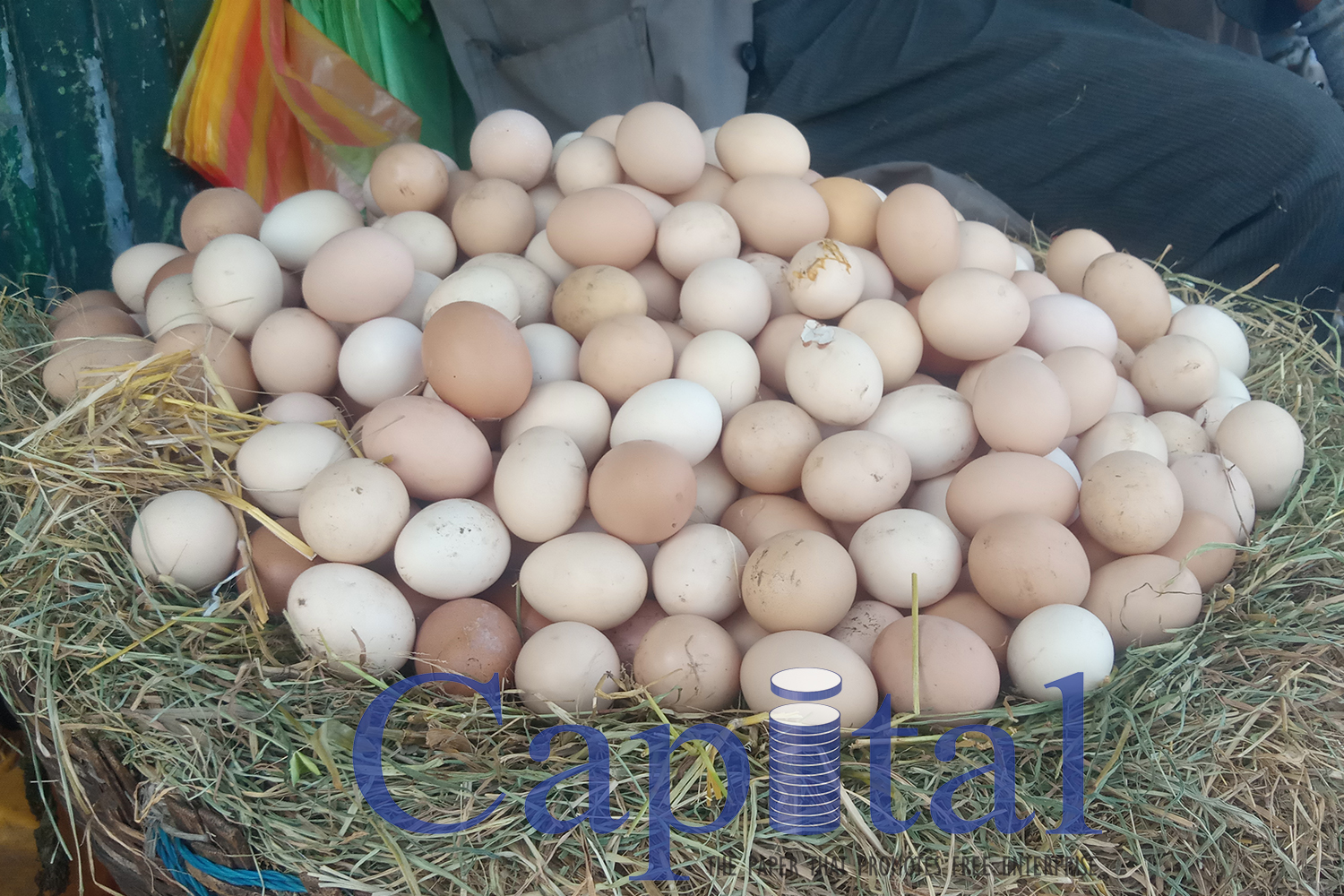
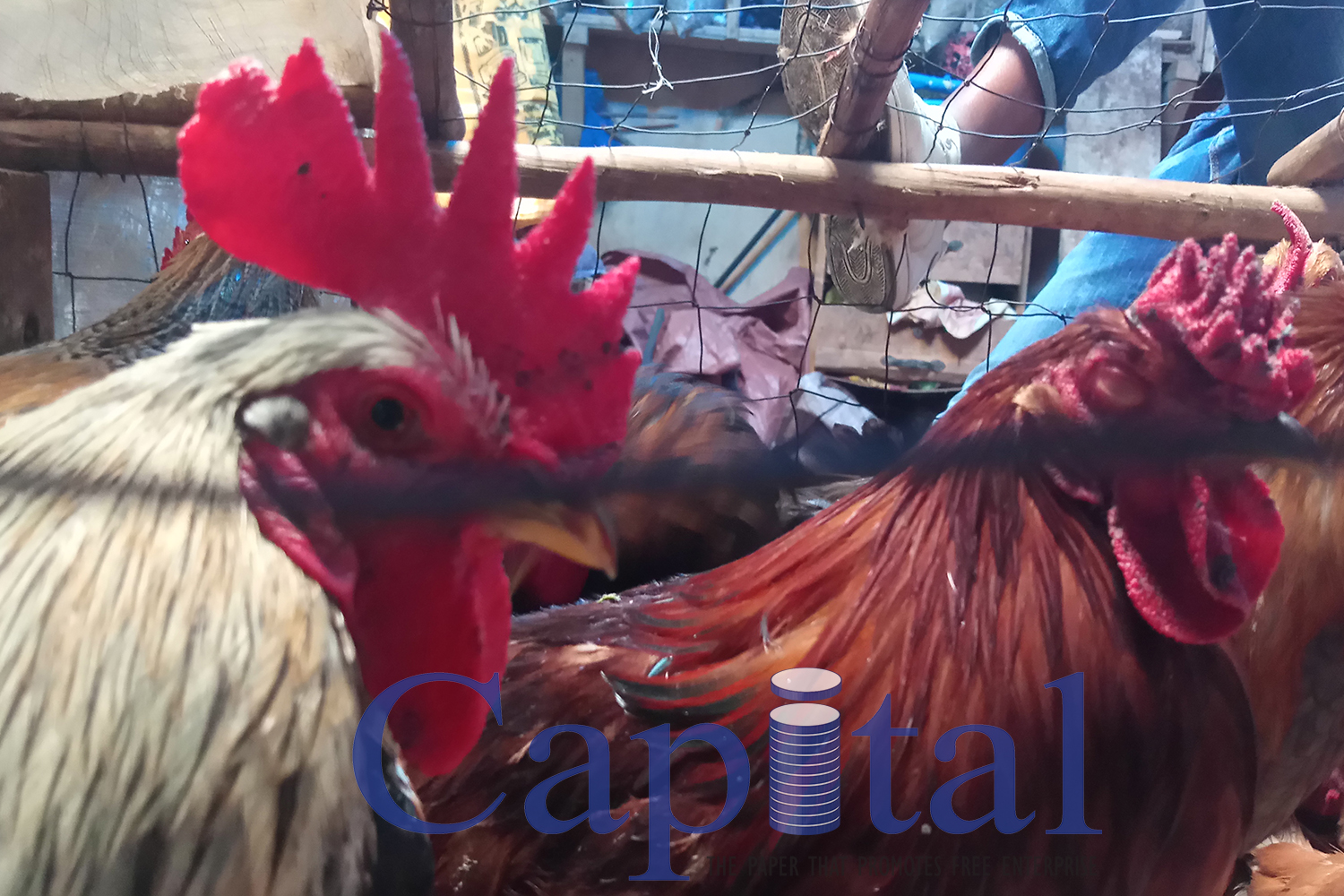
She bought these items from retailers, like Semahegn Yalew, who was preparing his shop in merkato for the holiday market. Suppliers like him get butter, eggs and chicken from various parts of the country, mainly from Harer, Gojjam, Arbaminch and Jimma. He sells an egg for 5.50-6.00 br- similar to the price during the Ethiopian New Year holiday, whereas a chicken would set consumers back between 380 br and 550 br at his shop. Semahegn said “this holiday, the prices, the supply as well as the demand are better.” 
Anyone who passes through merkato on holidays will visit the traditional place butter market, commonly known as qibe tera, a part of merkato, for a traditional butter retailer like Alemayehu, who was selling a kilo of butter for 250 br and 320 br- lots of even if lots of customers complain about the price of the butter there are still lots of customers who specifically look for this because of the quality of the butter.
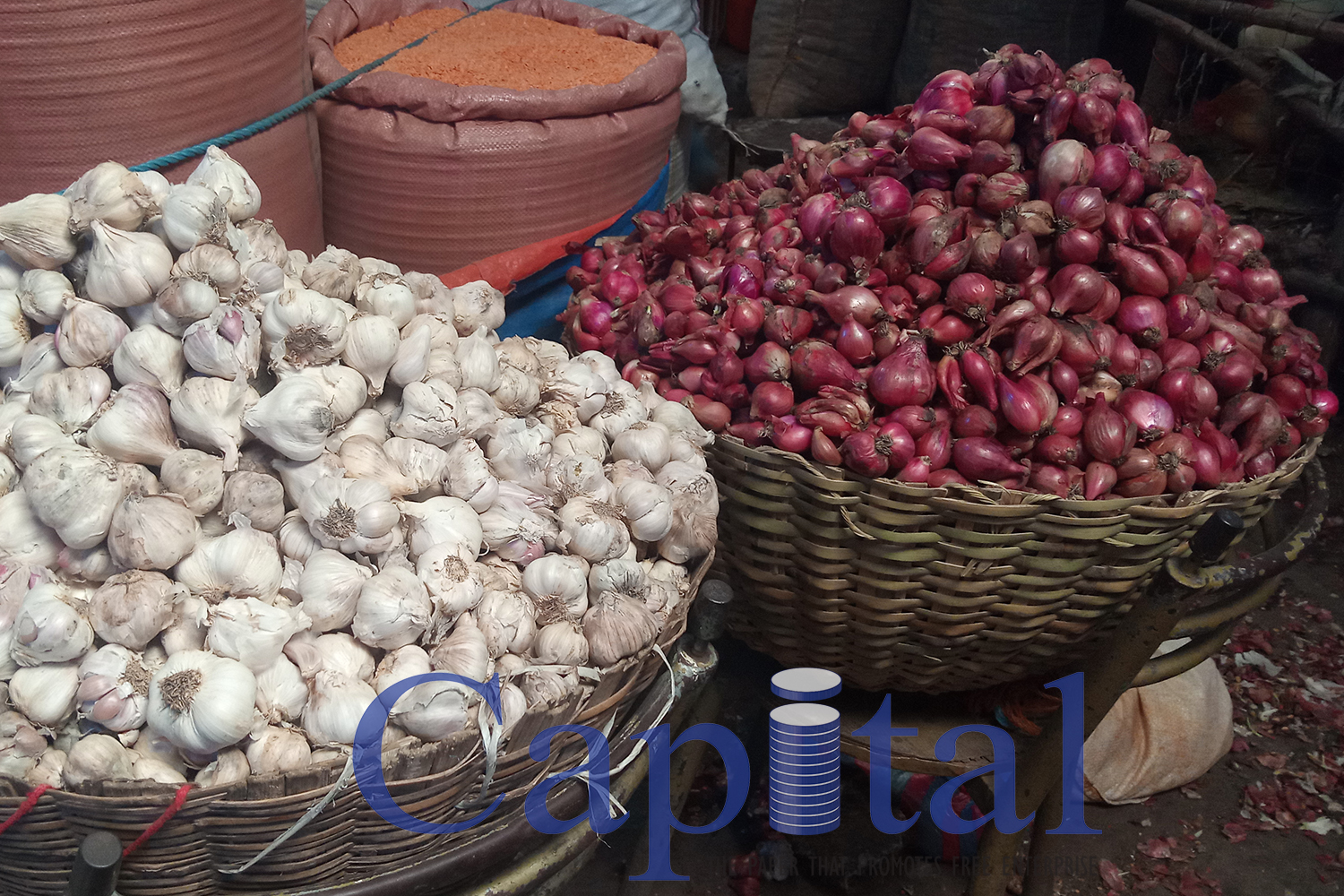
Stores in Atkilt Tera, the biggest open vegetable market in Addis, was flooded with consumers like Rediet, who came to buy onions. A kilo of onions was sold for 13 br to 16 br almost similar compared to the price last year as well as during the past three holidays. “I believe the price is fair, unlike other times when it soars as the holidays approach,” said rediet, who bought 10 kilos of onions to make her families favorite, doro wot.
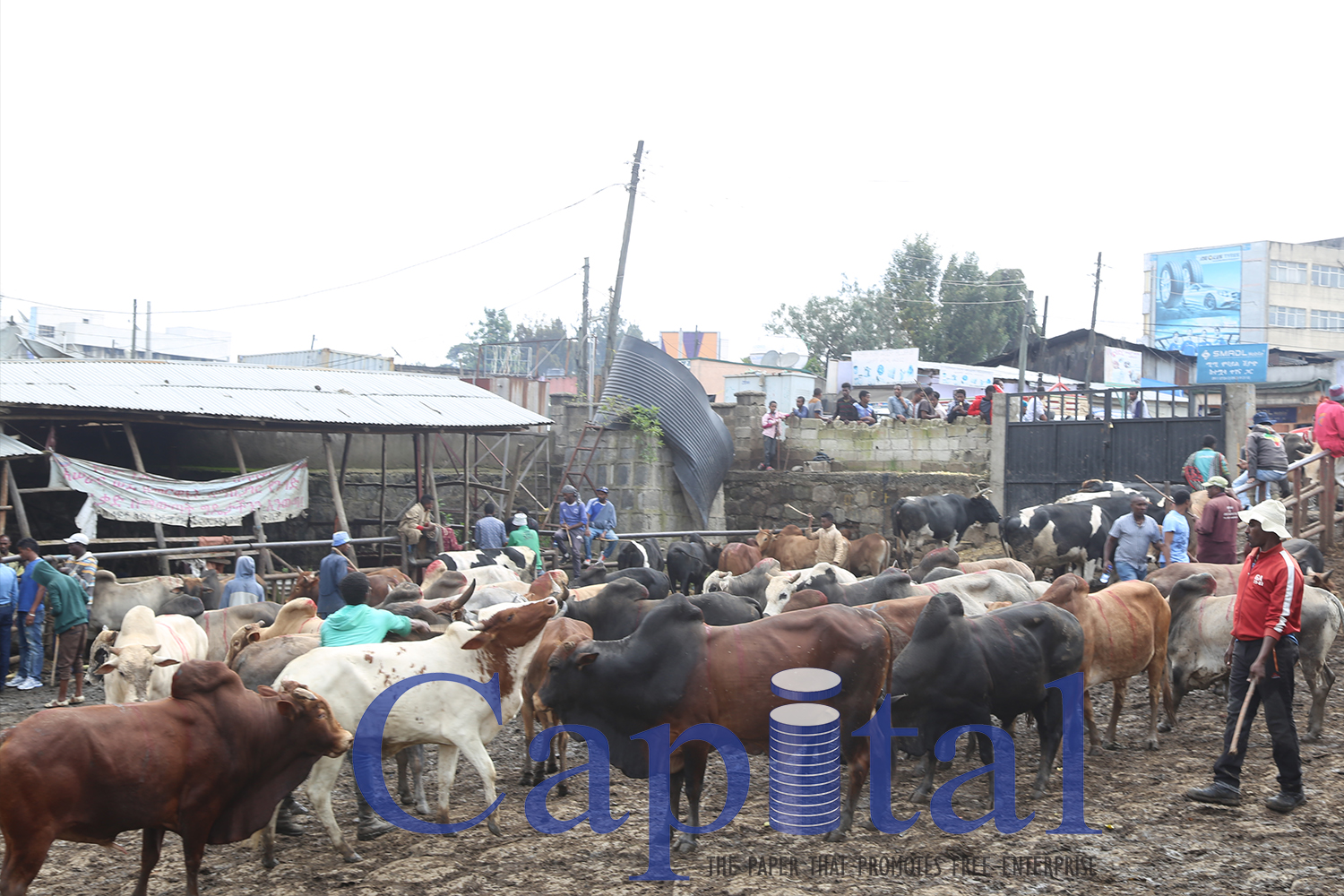
Like the onion market, a similar trend was also observed in capital’s biggest cattle markets. Addis Andualem one of the cattle traders at Kera, one of the largest cattle market is waiting the last days of the holiday to warm up the market.
Kera was built almost half century ago. It is now one of the five major cattle markets in Addis Ababa including Kara, akaki, shegole, bercheko cattle markets. It hosts all sorts of customers including those who own butcher houses as well as individual customers.
Even if the market center at Kera has the capacity to accommodate an average of 2,500 cattle and 3,000 sheep and goats at a time according to Addis it is receiving only cattle from different parts of the country, mainly from Harer, Wellega, Bahirdar, Jimma, Gonder and Wolayita among others.
Usually, sale of livestock inside the center reflects significant seasonal variations on demand and supply. According to the traders, usually, the price is based on the type, size and origin of the cattle. In this respect, cattle from the Harari region come up with the highest price with about 35,000 -50,000 birr, while those from jimma and gonder fetches -15,000 birr to 20,000 birr and that of wollega ranges between 20,000 birr to 30,000 birr bahirdar 25,000-40,000 and cattle from wolayta costs the least price in the market between 15,000-20,000.
Fitsum, a friend of Addis says the market is showing 1500 to 3500 birr increase in price in comparison to similar holidays over the years. This is because of decline in supply of the cattle related with the political unrest of the country and even if the situation seems changing quite the price doesn’t.
As Addis said, this season has better supply and demand of cattle will have a direct impact in the price even if the price seems stable and show a downward trend it will boom in the last two days of the holiday until the eve of festivities. Kidane who spent more than 20 years on the cattle trade, he is looking for much profit in compression with recent holidays as he stated the in 43 fasting days the market to cattle shows decline than before so there is better supply of cattle. 
Demand and supply are heavily influenced by the consumer habits connected to religious practices and festivities. According to the traders the kera cattle market is prefabbed because it is close to the Addis Ababa abattoirs enterprise which operates service facilities related to slaughter for meat production with safe, hygienic and efficient livestock slaughter for butchers. According to Shewalefa Yetbarek, director at the enterprise, they are expecting about 3500-4000 cattle and 2500-3000 goat and sheep’s for the slaughtering service on Christmas day. When it compares with last holidays the slaughtering service is declining because of the extent of illegal slaughtering in the city is becoming one of the big challenges causing health damage and damages on the waste product of the cattle’s that the city’s officials choose to remain silent. According to Shewa, the illegal slaughtering shares about 60 percent of the overall slaughtering in the city. Onions, chicken, butter as well as cattle is a welcome sign as the food inflation showed a slight decline, to 20.8 percent in November 2019 from 18.6 percent in the prior month.
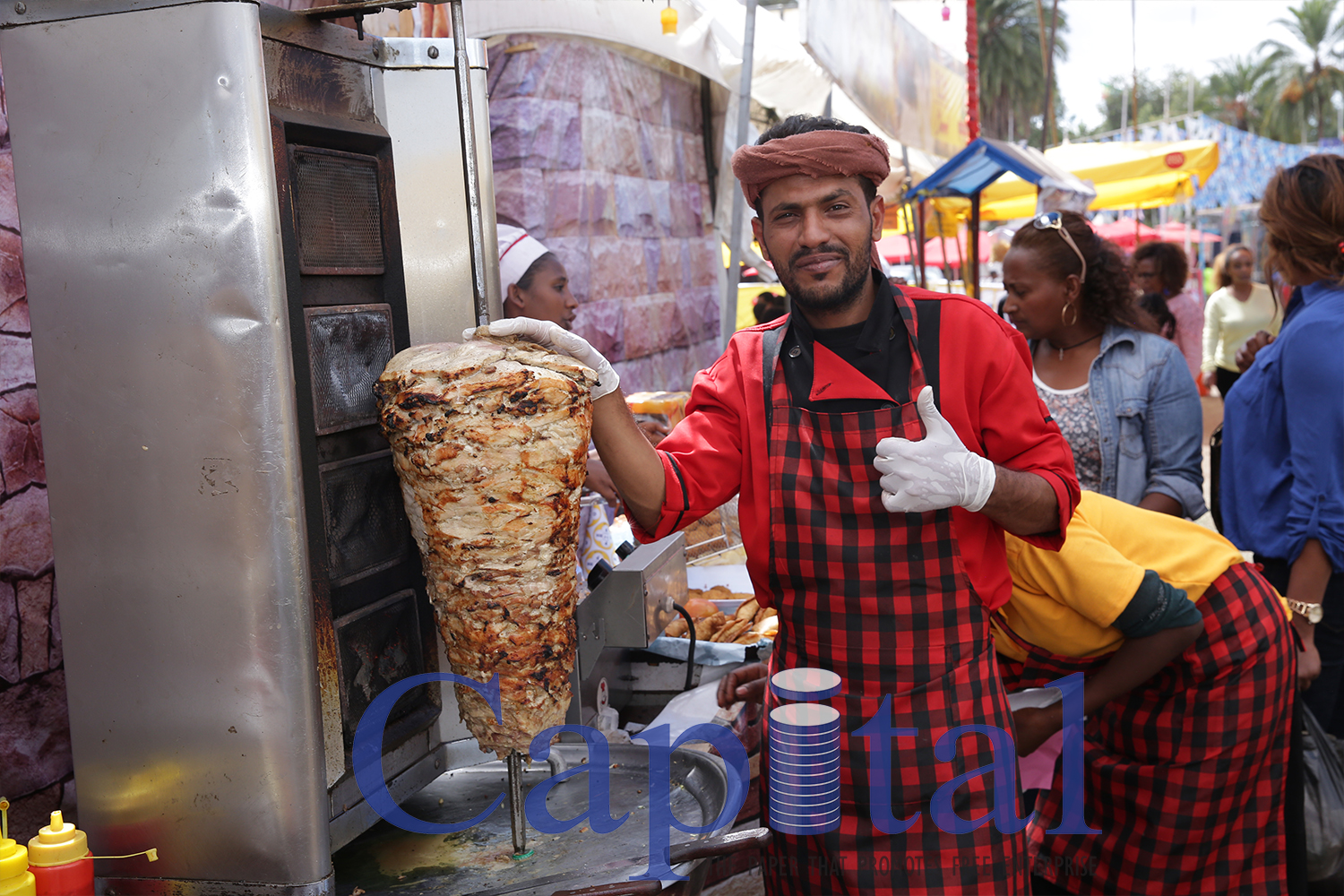
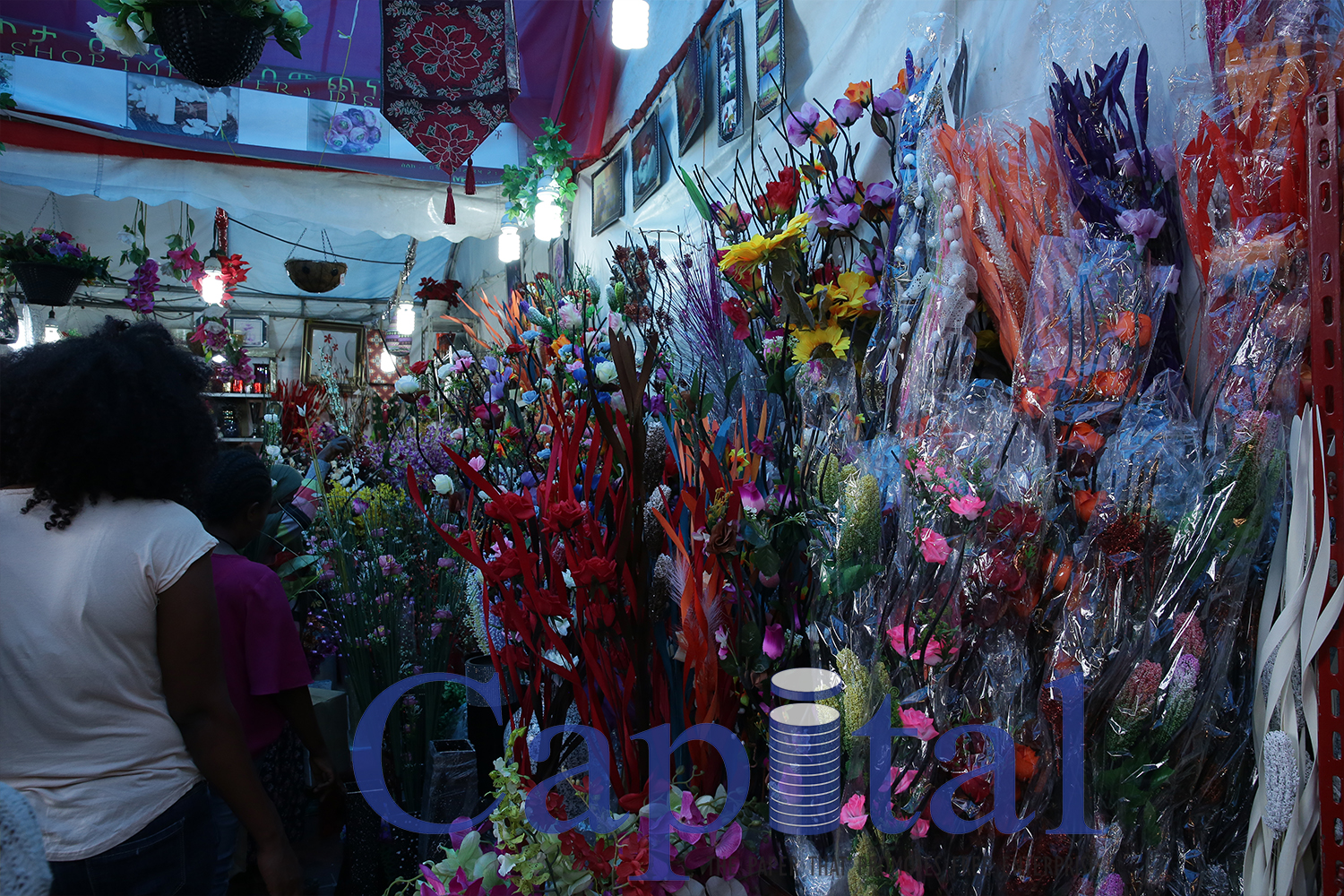
Beside the normal markets in recent times huge exhibitions and bazaars are becoming relatives to the city in times of holidays; two exhibitions have been opened three weeks before the holiday; one at millennium hall and one at exhibition center. According to Awgichew Abiye financial & non-financial service manager at commercial nominees and coordinator of the exhibition, more than 290 international and national suppliers and producers are participating on the 20 day exhibition with their different products and more than 600,000 consumers are expected to visit until the eve of the holiday. Beside their price this kinds of exhibitions are use full since they gather consumers, retailers and producers together, said Awgichew. 
Biruk and his friend Chobe where at the center on the evening of Tuesday December 31, to buy a clothes and gifts for their relatives, even if gift giving is a very small part of Christmas festivities in Ethiopia small gifts are exchanged amongst family and friends at home. The steady prices of products used for gift shows increase in such season. According to the two friends, the price of products at the exhibition is much lower than the outside market “we have bought cotton shirts by 350 birr which is sold more than 650 birr out side.”
Holiday Market stable
A pencil for change
By Ruth Brook
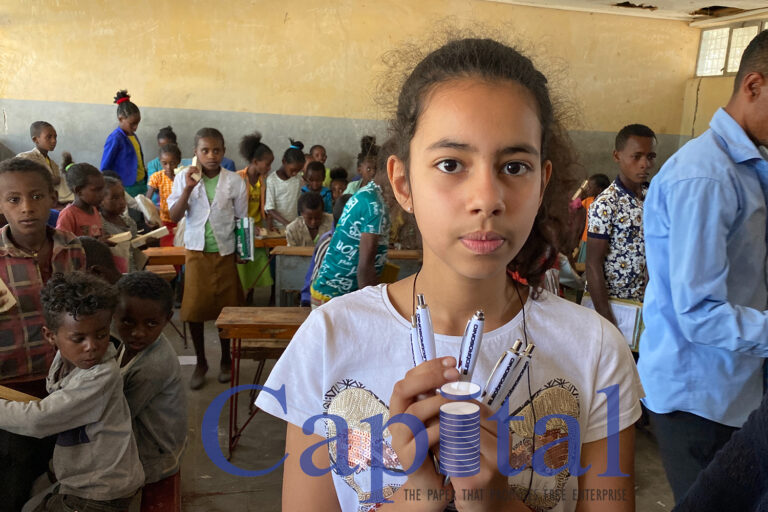
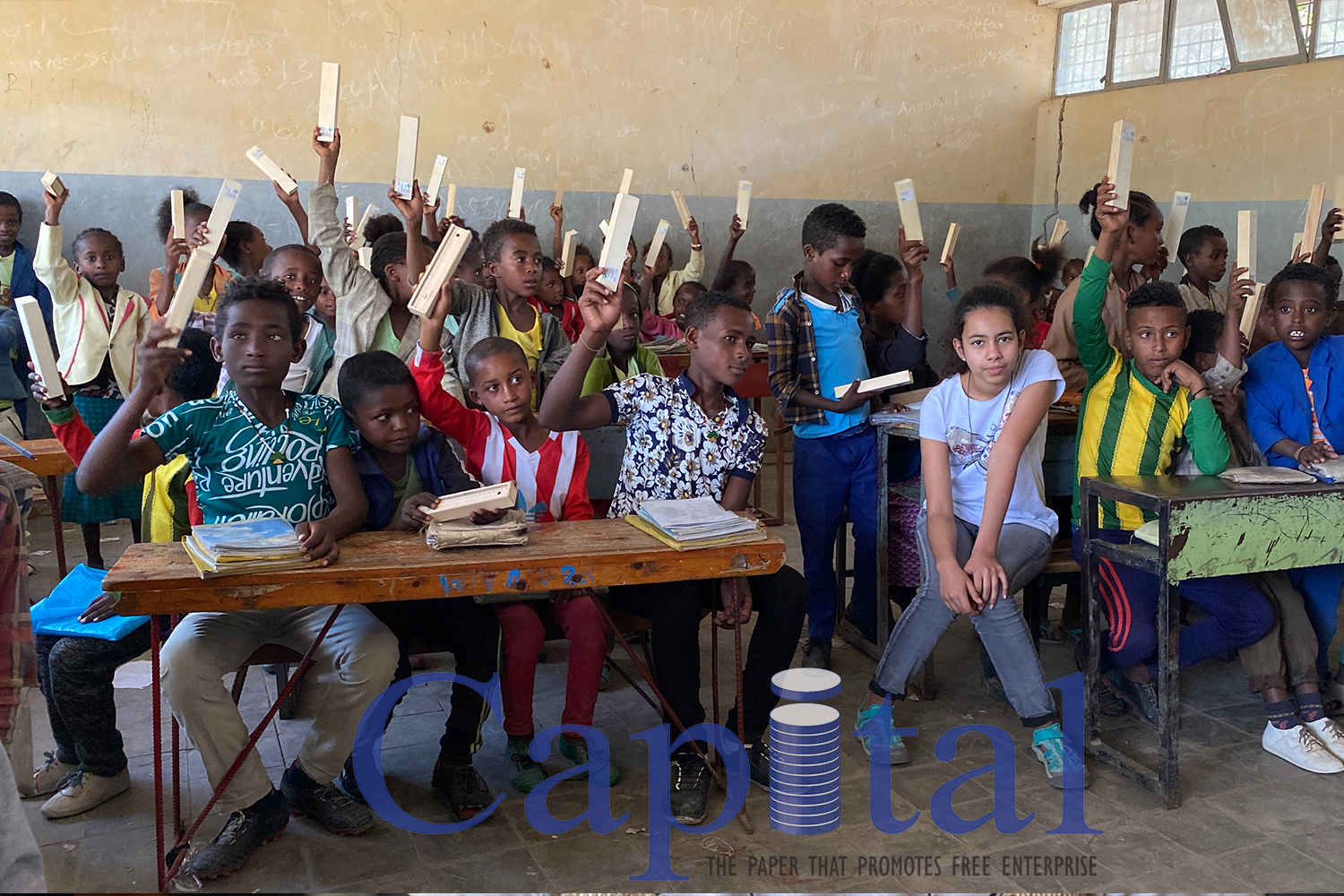
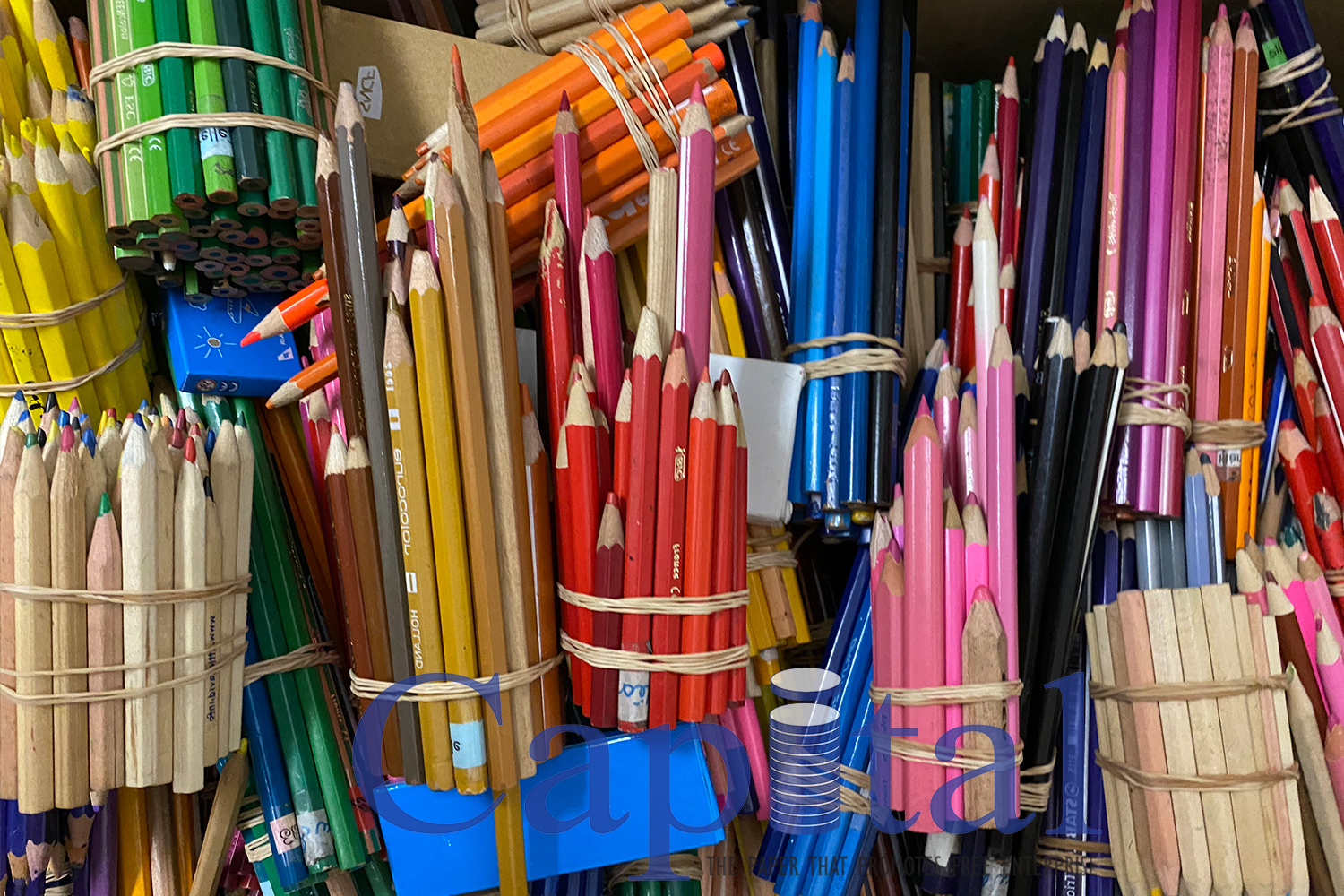
The saying goes; you are never too young to make a difference. For twelve year old Makéda Delvaux, that difference began with a pencil. Spearheading a project to provide students in Ethiopia with stationary supplies, Makéda collected more than 35 kilograms of pencils in Belgium to redistribute to school children in Ethiopia. The project entitled, “Les Crayons de Makéda” or “The Pencils of Makéda” was inspired by an everyday occurrence for the young student – homework.
“It all started one night when I was doing my homework. I looked at my pencil and the idea came to me,” Makéda recounted.
Born to an Ethiopian mother and a Belgian father, Makéda attributes this idea in part, to the stories her mother shared with her of life growing up in Ethiopia. Moved by her mother’s stories, Makéda took matters into her own hands and thus “The Pencils of Makéda” was born. 
She recruited her classmates, teachers and principal; garnering both their support and admiration. So much so, that her friend Alyssa made a short video on the project encouraging their peers to contribute to the more than worthy cause.
“It’s partially this video that woke me up and opened my eyes to the potential of the project.”
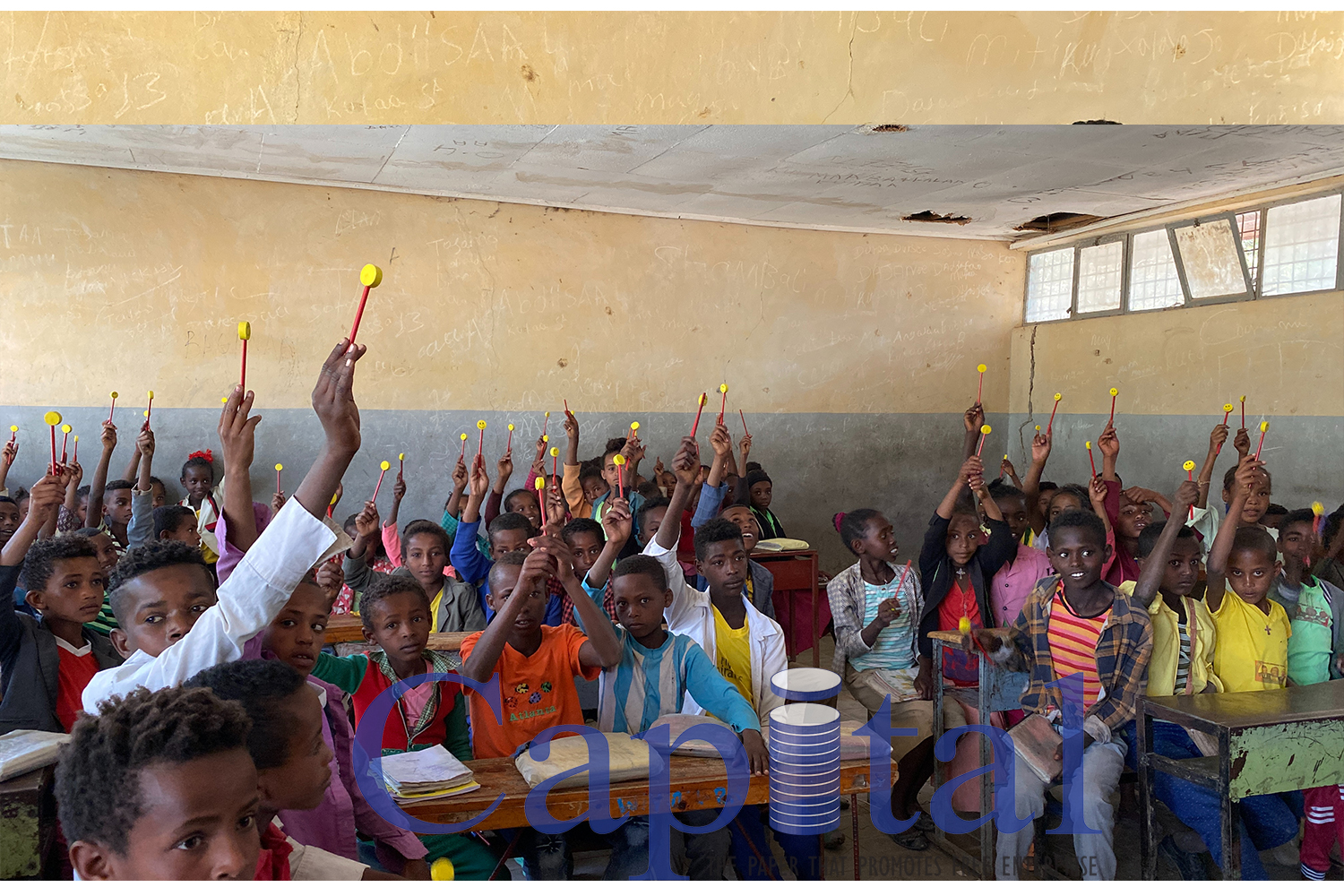
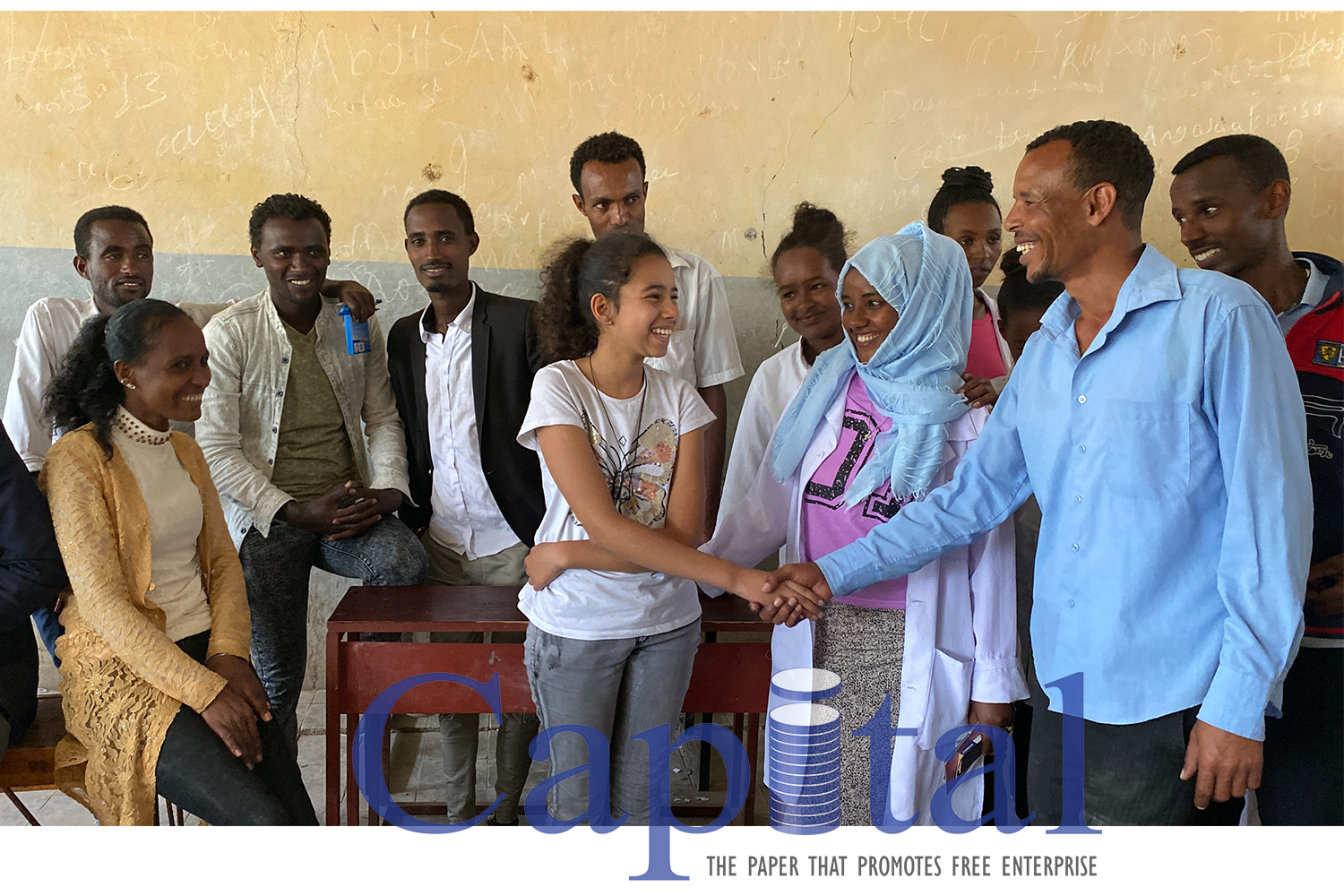
It only took seeing her vehement efforts and drive to get her family on board. After receiving a message from Makéda’s Dutch teacher asking what supplies were needed for the collection, Makéda’s father understood his daughter’s dedication. Five people and ten suitcases later, the Delvaux family was in Ethiopia; distributing pencils to a rural school of 1,500 students in Tefki, in the village of Makéda’s maternal grandparents. Along with her two younger brothers, Makéda issued all the pencils by hand in four Level 1 classes and four Level 2 classes.
What ensued was a domino effect of success for the then eleven year old Makéda. In May 2019, she was recognized for her efforts by the Rotary Club of Braine L’Alleud with their first-ever citizenship award, as well as a cheque for one thousand euros. The following day, she appeared as the “Star of the Day” during the show “It’s Almost Serious” on the Radio and Television Broadcasting Company of the French Community of Belgium (RBTF), where she received 500 ballpoint pens. Closing off the month, three municipal schools in Braine-le-Château, Belgium, joined the distribution project.
A few months later, Belgian band “Les Binocs” reached out to Makéda to donate the proceeds of their concert to her project. The lead singer composed a song solely for this project. 
“I didn’t think that it would turn out like this, I thought I would just distribute the pencils and that’s it. But it has grown so much and I am so happy.” Makéda said.
Following the success of the first distribution, further needs were discussed with the school director in Tefki; what began as 35 kilograms of pencils took on a new life and transformed into a large scale endeavor to provide students with writing pencils, coloured pencils, erases, pencil sharpeners, ballpoints, notebooks, paint and chalks in 2020.
“I would like to thank the schools that supported us, everyone who participated, especially my dad, he did so much. My friend Alyssa, if she hadn’t made the video, I wouldn’t have been able to reach the other classes. I also want to thank my mother, it’s her who gave me the idea, she supported me and this project, along with my father and my friends as well.”
A year after the first distribution, Makéda is back in Addis with her family, to continue their efforts together.
“Have I changed after the project? Yes, definitely. I have always been close to my family but this project brought us closer together.”
More information on the project and ways to contribute can be found on the Facebook page, The Pencils of Makeda.
ADDIS VIDEO ART FESTIVAL 3rd Edition
Addis Video Art Festival held its 3rd edition in Addis Ababa from December 27 2019 to January 1, 2020 with the theme ‘MUTUAL PERIPHERY.’ Eighteen international artists have been participating from 11 countries.
Addis Video Art Festival intends to provide a platform for innovative video art. The seven day art festival had screen throughout the city in a variety of public centers and art centers including Alliance Ethio Francaise and the closing was at Jimma Tej Bet. The festival has been sharing video art in both conventional and non-conventional settings to reach both the artist community and the everyday passerby which aims to create a dialogue between local, and international artists by encouraging digital media culture.
According to the founder Ezra Wube, the theme ‘Mutual periphery’ intends to reflect the reopened of the border between Ethiopia and Eritrea after 20 years of shutdown following a war with more than 70,000 fatalities. These sister countries were once a unified nation, sharing history, culture and language, the only two countries in the world to follow the thirteen month Julian calendar, he added. In response to this historic moment the festival seeks videos shorts that examine ideas and interpretations of ‘Mutual Periphery’.

Merry Christmas
It is important for any business owner to have a vision and to have clear goals. All activities being carried out in the business should contribute to these goals. Organizing, planning, managing, production and budgeting are all done to achieve the goals of the company. If you have no clear vision and goal for your business, chances are that you will not be successful. Developing a vision and goals is not easy though and often they are derived from the values we have. Values represent what we find really important in life and surprisingly enough very few people will find it easy to define exactly what their values are. But most people act according to their values even if they are not very conscious about it. After all, where your treasure is, there your heart will be. If someone finds it very important to have a car (s)he will try and get one. Those of you, who have built a house, will know how difficult it was to complete the project, but it was worth it because it was very important. Other people find it important to be around their family and because of it hesitate to take on a job that will separate them from their family. Other examples of values are to have respect for each other, to be honest, integrity, etc. We can also know what people do not find important as we observe their behaviour. Somebody who finds it important to get rich quick but does not value honesty or hard work for example will find other innovative ways to get the money. In other words, our values guide our behaviour for a great deal. Do you know what your values are? Try to list and write them down and you will discover that it is not so easy to have a deeper look into your inner self. But if you can, it will help you in getting more clarity about your do’s and don’ts. Now, what has all this to do with doing business? Let me try and explain. Personal goals and values will transpire in the way somebody goes about running a business as well. Somebody who values honesty is likely to run the business in an honest way, avoiding short cuts and kick backs. Personal values can thus become corporate values and it is actually very important and helpful to make corporate values explicit like so many organizations do these days. Examples of corporate values are:
We esteem our customers.
We produce high quality.
We deliver in time.
We keep our promises.
In trying to achieve the goals it is therefore important that the corporate values are adhered to. Here it becomes now tricky though. Because the corporate values may be clear to the business owner or the board of directors, that does not at all mean that they are understood, let alone internalised by the employees. And where this is not so, performance of workers may be disappointing, not contributing to achieving results and sometimes even be counterproductive. This in its turn will lead to much frustration for the business owner, who just cannot understand the behaviour of the workers and has run out of ideas to motivate them. As a result, the company is not effective in achieving its goals. For a company to be effective it is important that the goals and values are shared and internalised by all staff and time and energy needs to be invested in this by management. But this is not all that needs to be done. Subscribing to the corporate values helps but is not enough to become effective. To be effective requires being proactive and that is what most people are not, also not in Ethiopia. Most people here are reactive. They react to what is coming their way. They don’t plan ahead and blame others for things gone wrong. They say: “I don’t have time.” They are busy repairing the damage that has been done and they are constantly in the crisis management mode.
Proactive people on the other hand plan ahead and take responsibility. They say: “How can I help?” They prevent problems from happening and set the right priorities. Reactive people allow circumstances to dictate their agenda while proactive people set the agenda. And they do that using their personal values as a point of departure. To take it a step further, for employees to be effective in their work it is important that there is a match between their personal and the corporate values. Where there is no such match, workers will not make significant contributions to corporate effectiveness.
Yes, somebody with an accounting diploma or degree can work in any company or organization. But whether or not (s)he will make significant effective contributions depends on how excited that accountant is about the products that the company makes and in how far (s)he subscribes to the corporate values. If “high quality” is one of the corporate values, then delivering high quality and timely financial reports to management will be expected. If a company says that it esteems its customers, then the sales persons are expected to be polite and give competent advice to the clients.
In conclusion I’d like to suggest that next time you need to hire somebody, you take values and potential to be proactive into consideration.
Now, with only a few days to go before Christmas, it is a good time to reflect a bit on our personal and corporate values and goals. In doing so, try and complete the following exercise:
Define your personal values.
Do they match the corporate values?
What can you do to increase the match between your personal and the corporate values?
In which areas of your work can you become more proactive and thus more effective?
Write this down and share with management.
Agree on a time frame to evaluate progress.
Merry Christmas!
ton.haverkort@gmail.com