Thursday, November 26, 2026
Home Blog Page 560

Steering the Horn of Africa away from chaos

0

The Horn of Africa stands precariously at the edge of escalating chaos amid a complex web of conflict, political strife, and external interference. With Somalia embroiled in conflict, Sudan in turmoil, South Sudan teetering on the brink of all-out war, and Yemen engulfed in a protracted conflict, the region faces a crisis that threatens its stability and future. In this volatile context, Ethiopia’s role takes on critical significance. How Ethiopia navigates its territorial defense, diplomatic engagements, and regional relationships will shape peace or further destabilization in the Horn of Africa.

Ethiopia finds itself in a highly sensitive and strategic position. It is the largest country in the region, with a historical sense of territorial sovereignty deeply ingrained in its national identity. The recent official inauguration of the Grand Ethiopian Renaissance Dam (GERD) has not only asserted Ethiopia’s right to harness its natural resources but has also become a flashpoint in its relations with Egypt. Ethiopia’s Ministry of Foreign Affairs recently delivered a scathing diplomatic rebuke to Cairo, accusing Egypt of destabilizing the region by clinging to a “colonial” monopoly over the Nile waters.

This rhetoric highlights the underlying tension between Ethiopia and Egypt, and by extension, the broader Horn of Africa. Ethiopia portrays Egypt’s stance on the Nile as anchored in an outdated “colonial era mentality,” reflecting Cairo’s insistence on “historical rights” to the river, which runs through multiple sovereign states. Ethiopia argues that this mentality seeks to keep its neighbors fragmented and submissive, effectively prolonging regional underdevelopment and conflict to serve Cairo’s interests.

This harsh diplomatic exchange comes amid fears that the situation could spiral into outright conflict. The Horn is already a powder keg, with multiple ongoing conflicts allowing room for external powers to meddle, complicating peace efforts. Ethiopia must tread carefully: while it must adamantly defend its sovereign rights and territorial integrity, it cannot afford to escalate tensions into war with neighbors like Eritrea or Egypt. Such a war would only deepen regional instability and offer no winners.

Instead, Ethiopia should adopt a firm but measured approach, balancing territorial defense with proactive diplomacy. It should harness the leverage of the GERD as a symbol of national pride and progress but remain open to sincere, inclusive dialogue that respects the rights and concerns of all Nile basin countries. Facilitating equitable Nile water sharing is essential, not only to avoid conflict but also to foster regional cooperation.

Moreover, Ethiopia’s handling of its relationships with its neighbors must be informed by strategic patience and realism. Historical grievances and political rivalries should not escalate into open conflict. Eritrea’s own challenges and the fragile political landscape of the region require that Ethiopia avoid unnecessary aggression, focusing instead on building confidence-building measures and preventing armed confrontations.

The role of external actors is equally vital. The involvement of global powers like the United States, China, Russia, and the European Union can influence the Horn’s trajectory, for better or worse. These powers often pursue their interests under the guise of regional stability, but their interventions can inflame local tensions or exacerbate divisions.

To stabilize the region, external players should act as impartial mediators supporting dialogue and cooperation based on mutual benefit and respect. Their efforts should focus on conflict resolution, infrastructure development, and economic integration rather than power projection or proxy conflicts. For Ethiopia and its neighbors, partnerships with these global powers should be pursued with caution and sovereignty firmly in mind to avoid becoming pawns in larger geopolitical rivalries.

Ethiopia’s ability to maintain peace while asserting itself as a regional power is crucial not only for its own future but for the Horn of Africa at large. If Ethiopia stands firm in defending its territorial and developmental rights without triggering new wars, it can become a stabilizing force amid regional upheaval. This would send a powerful message that sovereignty and progress can coexist with peace and cooperative diplomacy.

In this light, the future of the Horn of Africa hinges on Ethiopia’s strategic choices: to choose a path of responsible assertiveness, prioritizing dialogue over conflict; to resist the colonial-era approaches of dominance over natural resources; and to encourage inclusive regional cooperation while cautiously managing external involvement.

The Horn of Africa could either slip into deeper chaos or move toward a new horizon of stability and shared prosperity. Ethiopia’s stance in the coming months and years will be pivotal. It must remain vigilant yet diplomatic, strong yet measured, defending its land and rights without igniting war. Failure to do so risks perpetuating a cycle of conflict that will engulf not just Ethiopia but the entire fragile region. The opportunity for peace is within reach, but it demands courage, wisdom, and strategic restraint from all Horn of Africa nations—above all from Ethiopia, the region’s cornerstone.

Tech Partnerships at Addis Defense Summit

0

Following the 2024 visit of several African Chiefs of Staff of the Army to France, General Pierre Schill, Chief of Staff of the French Army (CEMAT), launched the inaugural Rencontre Capacitaires Afrique. Designed as a platform for dialogue and collaboration, the event brings together African land forces and the French defense industrial and technological base (BITD) to explore co-development opportunities that can support the ongoing transformation of armies across the continent.

This year’s seminar focuses on a central and timely question: “Facing the challenges of the 21st century—how can states strengthen their sovereignty through national security, border protection, and support to civilian populations?”

On the sidelines of the Addis Ababa meeting, held on 27–28 November at the Sheraton Addis Hotel, General Schill spoke exclusively with Capital’s Groum Abate. The Defense B2B Forum—organized by GICAT and COGES as part of the event—brought together African army chiefs, including from Benin, Ivory Coast and Cameroon while other countries were represented by high-level delegations, and Rwanda was represented by its Army Directorate, as well as 19 French defense companies. Their discussions centered on emerging opportunities in equipment, software solutions, and deeper strategic partnerships. Excerpts;

Capital: Could you share the primary objectives of this event and what France aims to achieve through it?

General Pierre Schill: This event brought together army chiefs of staff from African countries and representatives from the defense industry, most of whom are from France.

The goal was to foster dialogue between military leaders and industry professionals to discuss future opportunities for the armed forces.

Capital: What is the significance of meeting the evolving security needs of African countries?

General Pierre Schill: Every army worldwide is currently grappling with procurement and capacity challenges. The needs of land forces differ from those of air and naval forces. A military requires a variety of equipment—both large and small—to be prepared for combat. Therefore, procurement is crucial. Whether a country is in Europe or Africa, rapid technological innovation raises questions about what to prioritize in terms of purchases.

Capital: Were there specific categories of military equipment or software that garnered significant interest from the delegates?

General Pierre Schill: Yes, the delegates, including army chiefs of staff, are keenly interested in new technologies, including drones, anti-drone systems, command and control (C2) digital systems, and AI capabilities to support decision-making. They also focus on ammunition, main vehicles, and logistics. These areas are of global interest, including in Africa. Each African nation has unique needs based on its specific circumstances, military status, and threats, such as terrorism or border security.

Capital: Many African countries are heavily invested in human capital and technology.

General Pierre Schill: It’s often thought that new technologies or webinars are expensive. However, many new technologies allow for the procurement of cost-effective, rapidly deployable equipment with significant impact. For instance, command and control capabilities can be achieved at a relatively low cost, and inexpensive drones can provide valuable intelligence, protection, or even offensive capabilities. I believe it’s beneficial for African countries to focus on these effective and affordable solutions. Additionally, developing or industrializing these capabilities domestically is essential for many African nations, just as it is for my own country to have local manufacturers.

Capital: How does France balance the need to support African security forces with concerns related to the ethical use and transfer of military technology?

General Pierre Schill: France aims to establish partnerships that address both operational needs and reinforce collaboration through shared capabilities or joint procurement of military resources. These partnerships encompass political, military, and industrial dimensions.

Capital: Can you highlight any new technologies or innovations presented at the event that could be game changers for African forces?

General Pierre Schill: I previously mentioned command and control (C2) systems. These systems have the potential to revolutionize armies worldwide, including those in Africa. With advancements in AI and the ability to analyze vast amounts of intelligence from multiple sources, C2 systems can significantly aid military decision-making. Additionally, the increasing use of drones in warfare and defense is remarkable. Four years ago, we recognized the role of drones, but their evolution as both a threat and a vital tool for all armies—African forces included—has been transformative for intelligence gathering, protection, and offensive operations.

Capital: Did the event include discussions or initiatives focused on military training, capacity building, or joint exercises alongside equipment procurement?

General Pierre Schill: Yes, the discussions encompassed procurement, but as army chiefs know, the need extends beyond simply acquiring equipment. It’s about developing operational capacity, which requires not only the right tools but also trained personnel to operate and maintain that equipment. The conversations during this meeting addressed all these aspects, including the effective use of equipment and how it can be integrated with other capabilities.

Capital: Were any contracts signed or feasibility studies conducted?

General Pierre Schill: I don’t know if any contracts were signed, as the relationship between the armies and the industries is complex. However, I don’t believe the primary purpose of this meeting was to finalize contracts. Instead, it was an opportunity for mutual exchange. The industry representatives had the chance to inform the military leaders about what they could offer.

Conversely, the military chiefs were able to express their needs. I view this as an initial discussion that could potentially lead to commercial agreements in the future. The immediate goal was not to sign contracts. The next steps may involve one-on-one discussions; some military chiefs or their delegations who attended could have initiated contacts with industry representatives. Depending on the outcomes of these discussions, further conversations may arise, especially regarding the upcoming meeting of army chiefs of staff. I understand that a forum for the army chiefs of staff in Africa is planned for next year, following a similar event organized two months ago in Kigali by the Rwandan forces. This could serve as a next step in fostering dialogue among the army chiefs.

Capital: In your opinion, how important are partnerships and collaboration in technology development between French companies and African nations?

General Pierre Schill: I would say that the primary aim and most critical aspect is operational cooperation between the French army and various armies on the continent. This is not merely a question of cooperation between France and Africa; it involves collaboration between France and individual countries.

Operational cooperation is essential to address the growing threats. For instance, we are currently in Ethiopia, a country surrounded by regions facing significant threats, including terrorism and internal conflicts, as seen in Sudan.

Thus, it is vital to establish strong operational cooperation, which can be further enhanced through tactical and industrial collaboration.

Capital: What message do you want to convey to African military chiefs and the broader African public about France’s commitment to security collaboration?

General Pierre Schill: The key message is one of confidence. I want my counterparts in Africa to see me as a genuine partner. This partnership should be characterized by long-term cooperation rather than just transactional exchanges of buying and selling equipment. It should encompass a wide range of collaborative efforts, including joint operations when necessary, peacekeeping missions, training exchanges, discussions on military doctrine, and industrial cooperation. I have much to learn from many African armies, particularly the Ethiopian army, which is large, operational, and actively engaged in various peacekeeping missions both domestically and abroad.

While I believe the French army is strong and has much to contribute, true partnership hinges on dialogue—particularly discussions that focus on the needs of both sides. We must engage in tough conversations to pragmatically determine our collaborative goals and follow through on our plans. Today’s meeting exemplified this commitment, showcasing an industrial capacity that exceeded previous discussions and reinforcing our global partnership.

Capital: How can French companies compete with cheaper product manufacturers like China and Russia?

General Pierre Schill: I do not claim that French companies are always the most effective in every domain; effectiveness varies based on the unique needs and uses of each army.

However, I can confidently say that most of the equipment in the French army comes from French companies, and I believe it is quite efficient. If it meets our needs effectively, it is likely to meet the needs of other countries as well. I procure equipment from French industries at competitive prices, balancing cost, timing, and effectiveness. Therefore, I am confident that when comparing French equipment to others, some of it can provide the right price, at the right time, with the right effectiveness.

Ethswitch awaits NBE approval to launch International Settlement Account for Global Card Transactions

0

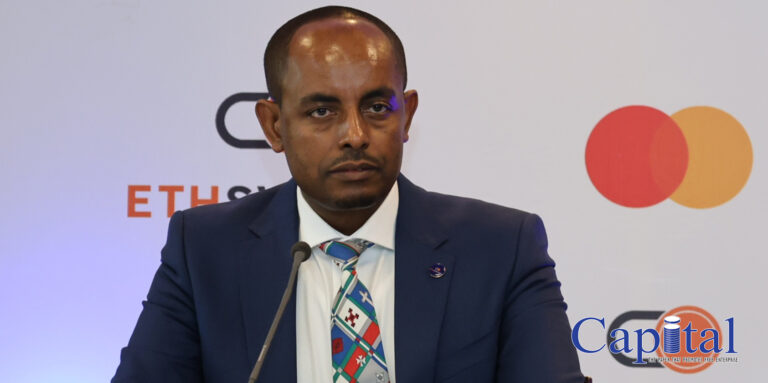
Ethswitch, the company managing Ethiopia’s payment system infrastructure, announced it has reached the final stage of connecting its domestic card schemes with 32 international card systems, including India’s rupee-based network, through a partnership with the Discover Global Network. To operationalize this major advancement in cross-border payments, Ethswitch has submitted a proposal to the National Bank of Ethiopia (NBE) to open a new “International Settlement Account” (ISA) and is awaiting approval.

Yilebes Addis, CEO of Ethswitch, told Capital in an exclusive interview that after more than a year of technical preparations, the linkage with international card schemes is ready to go live once the NBE approves the ISA. “We are currently waiting to open the International Settlement Account. As soon as we open the ISA, we will go live,” he said.

The ISA will enable Ethiopian payment cards to function seamlessly in India and 31 other countries connected through Discover’s network, while also allowing foreign currencies such as the Indian rupee to be accepted within Ethiopia. Currently, only a limited number of Ethiopian banks or institutions operating abroad can open correspondent or offshore accounts; Ethswitch’s proposal aims to establish a dedicated settlement account specifically for international card transactions.

“The new settlement account will allow for settlement of cross-border payments directly, whether received by card or other means, into an account opened in a foreign country,” explained Yilebes. The proposal, being a pioneering arrangement, is under evaluation by the National Bank.

This integration aligns with broader regional ambitions to enhance payment systems interoperability. The recent 2025 State of Inclusive Instant Payment Systems (SIIPS) report by the African Nanda Foundation cites ongoing discussions to integrate Ethswitch with continental projects such as the Pan-African Payment and Settlement System (PAPSS) and Ghana’s Interbank Payment and Settlement Systems (GhiPSS), along with an active card integration project involving the Central Bank of the United Arab Emirates.

Previously, Ethswitch signed a memorandum of understanding with India’s National Payment Corporation (NPCI) to enable digital payment interoperability through platforms like the Unified Payment Interface (UPI) and the Instant Payment Platform. Capital reported in November 2023 that Indian financial institutions and individuals with NPCI cards could already transact or withdraw funds using UPI in Ethiopia, and vice versa.

According to Yilebes, the National Payment Gateway approach will leverage Ethiopia’s developing digital payment ecosystem by linking bank accounts, credit and debit cards, and mobile money services. Opening the ISA will further facilitate the transfer of foreign currency funds into Ethiopian accounts through card and other payment channels, streamlining international trade, tourism, and investment.

China-Africa partnership celebrates training program milestone aligned with AU Agenda 2063

0

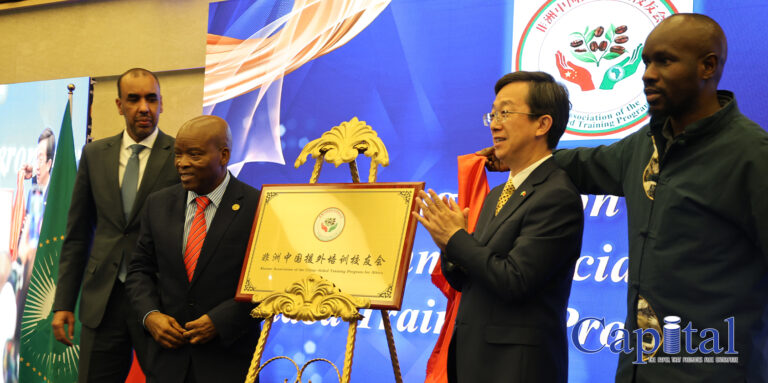
The strategic partnership between China and the African Union (AU) marked a new milestone this week with a joint reception ceremony at the AU Headquarters, celebrating the achievements of a Chinese-sponsored training program for Africa and inaugurating the African Training Program Trainees Association.

The event, attended by nearly 300 representatives from AU institutions, the United Nations system, and African countries, underscored the critical role of the training programs in developing human capital across the continent. Its curriculum is closely aligned with the African Union’s transformative Agenda 2063, which envisions Africa’s emergence as a global powerhouse by mid-century through governance reform, public health improvements, agricultural modernization, and technological innovation.

Ambassador Jiang Feng, Head of the Chinese Mission to the AU, highlighted that the training programs fuse China’s modernization experience with Africa’s development needs. “China-Africa relations are now stronger than ever, evolving into a community for a new era with a shared future,” said Ambassador Feng.

The training initiative aims to equip African professionals with skills and knowledge vital to realizing Agenda 2063’s vision, using China’s expertise, market advantages, and technological advancements. Key sectors emphasized include artificial intelligence, digital transformation, and sustainable rural development.

Moses Vilakati, head of the AU’s Agriculture, Rural Development, Blue Economy and Sustainable Environment (ARBE), praised the tangible benefits of the training program for institutions across Africa. Nouhou Thiam, President of the AU Staff Association, noted over 100 AU staff members completed short-term courses last year, enhancing their capacities to support institutional growth.

A highlight of the event was the official launch of the Chinese-assisted African Training Program Trainees Association. This association is designed as a lasting platform to foster continuous knowledge exchange, collaboration, and networking among the expanding pool of trained African professionals. Ambassador Feng emphasized the association’s role in ensuring acquired skills generate measurable development impacts continent-wide, transcending individual achievements.

This milestone ceremony reinforces the mutual respect and shared international goals underpinning China-Africa cooperation. By empowering Africa’s workforce and nurturing future leaders, the partnership is a cornerstone in advancing the aspirations of Agenda 2063, ultimately aiming for a stronger, healthier, and more cohesive African future.