Rising savings, increasing cross-border payment activity and growing participation in formal financial systems are emerging as some of the clearest indicators yet of substantial pent-up demand for economic activity across the continent.
The latest numbers from Standard Bank show a buildup of deposits by 12% to R2.5 trillion, while the value of domestic electronic payments grew by 11% and cross-border payment values increased by 7%. Serving 19.5 million active clients across 21 African countries, the bank says these trends point to a continent where households are saving more, businesses are transacting more and trade corridors are becoming increasingly active.
As the African Continental Free Trade Area (AfCFTA) gathers momentum and digital connectivity continues to expand, payment flows and savings behaviour are increasingly reflecting the emergence of deeper and more integrated African economies.
Ethiopia is rapidly stepping up preparations to host the 102nd International Federation of Freight Forwarders Associations (FIATA) World Congress in 2027, with the formation of joint organizing committees now near completion to ensure the seamless execution of the global event.
The groundwork was laid on January 2026, following the signing of a Memorandum of Understanding (MoU) between the Ethiopian Freight Forwarders and Shipping Agents Association (EFFSAA) and FIATA.
Signed by EFFSAA President Dawit Woubishet and FIATA Director General Stéphane Graber—in the presence of Minister of Transport and Logistics Alemu Sime and State Minister Denge Boru—the agreement paved the way for Addis Ababa to host the flagship international logistics forum.
Reinforcing progress, FIATA Director General Stéphane Graber and event representative André visited Ethiopia in early September 2026 to conduct a second phase of audits and evaluations. The assessment successfully covered the selection of venue hotels, conference facilities, event organizers, as well as sites for gala dinners and cultural programming.
The upcoming congress will feature over 40 panel discussions, each incorporating at least one Ethiopian expert to foster knowledge transfer, local capacity building, and international networking. Organizers also highlighted a dedicated panel focused on climate action, strategically linked to the upcoming COP climate summit scheduled just one month after the congress.
With one year remaining until the event, task forces comprising representatives from government agencies, the private sector, and logistics operators are expected to officially launch operations within the coming weeks.
Furthermore, an Ethiopian delegation will attend FIATA’s centenary celebration in Milan, Italy, on October 6 to promote Addis Ababa and kick off global outreach for the 2027 World Congress.
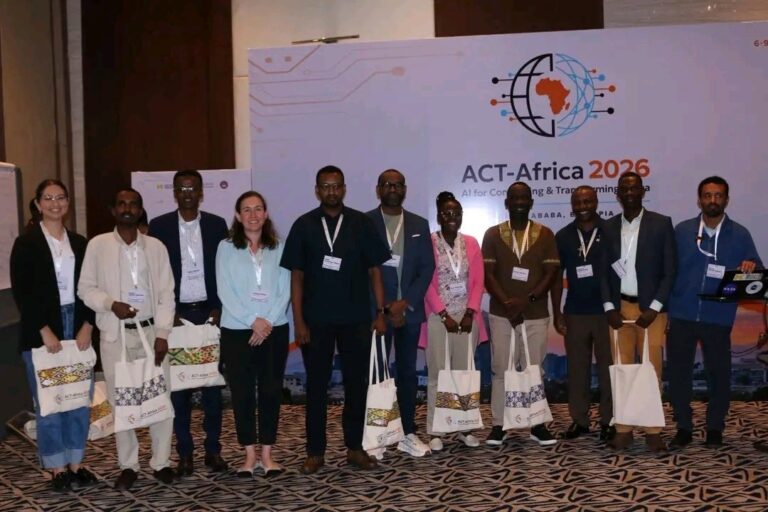
Researchers and leaders across Africa have been urged to move beyond passive adoption of foreign artificial intelligence (AI) technologies and build sovereign foundation models tailored to the continent’s contextual realities, languages, and developmental priorities.
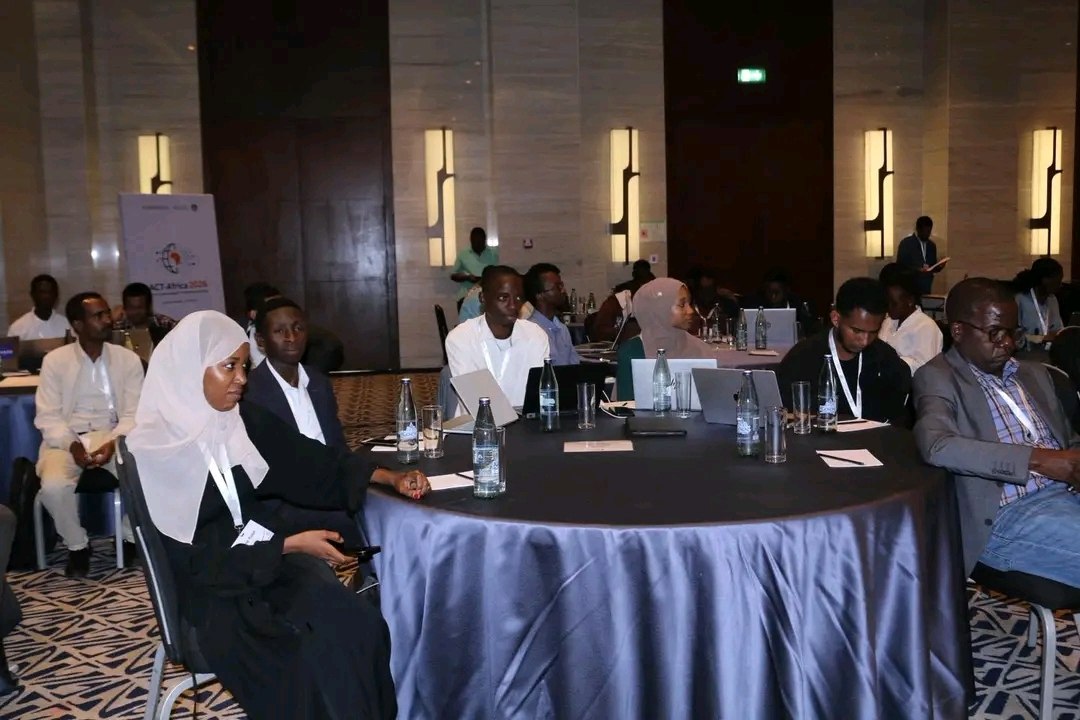
The call came following the conclusion of the ACT-Africa workshop in Addis Ababa, which ran under the theme “Foundation Model Solutions for African Societal Challenges.”
Jointly organized by the Michigan Institute for Data and AI in Society (MIDAS) at the University of Michigan and Addis Ababa University, with funding from Schmidt Sciences, the multidisciplinary platform convened researchers, data scientists, and policy architects from Ethiopia, Uganda, Kenya, and international partner institutions.
Yonas Minalu (phd) and Dessalegn Wageso (phd), researchers at Addis Ababa University’s College of Technology and Built Environment and co-organizers of the event, emphasized that the platform is engineered to foster cross-border knowledge transfer and synergistic ecosystems.
“The initiative is designed to anchor multi-institutional AI research networks, bridge capability gaps, and build resilient domestic ecosystems capable of weathering systemic technological dependency,” said Minalu.
Transitioning participants from foundational theory to empirical deployment, the technical track focused on responsible AI frameworks and core model mechanics.
Joan Otieno Nyango of Jomo Kenyatta University of Agriculture and Technology told Capital that continental readiness remains unevenly distributed, identifying the primary bottleneck not as a deficit of raw talent, but as an execution gap regarding how and why organizations deploy customized AI systems.
Speakers underscored that while localized AI innovations span the tech corridor from Nairobi to Addis Ababa, fragmentation continues to constrain collective impact.
The Addis Ababa Transport Bureau has announced the deployment of digital monitoring applications to track ambient air quality levels across the city, marking a pivotal step forward in the capital’s strategy to curb vehicle emissions.
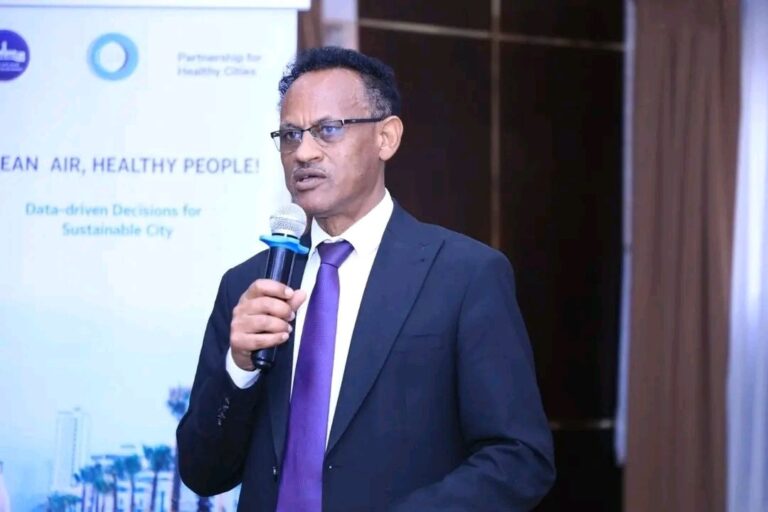
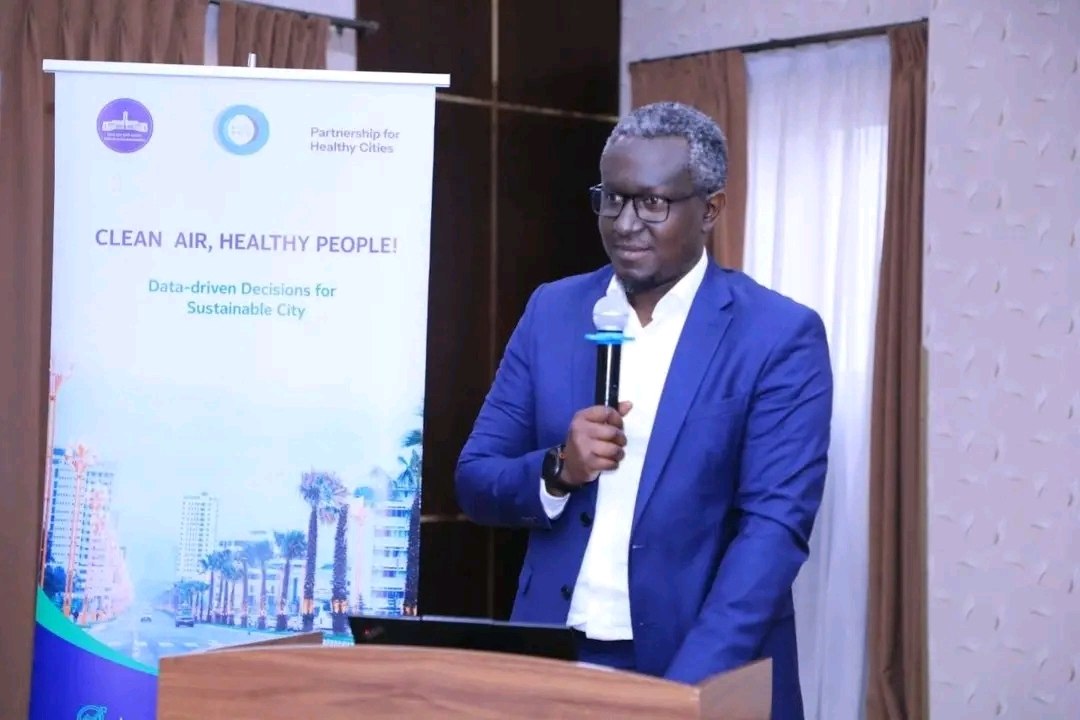
Speaking at a media workshop organized in collaboration with Vital Strategies and the Partnership for Healthy Cities, officials revealed that specialized organizational frameworks and regulatory guidelines have been established to measure pollution levels and enforce environmental standards.
According to Worku Desta, Deputy Director of the Addis Ababa Transport Bureau, motor vehicles represent the second-largest source of air pollution in the capital. A primary driver of this trend is the city’s aging fleet, with numerous vehicles dating back several decades—including to the Imperial era—still operating on urban roadways.
These legacy vehicles discharge high concentrations of pollutants, posing severe long-term risks to public health, particularly for vulnerable groups such as children, the elderly, and individuals with pre-existing health conditions, Mr. Worku noted.
To mitigate this environmental challenge, the newly introduced monitoring applications enable authorities to identify high-pollution hotspots and evaluate baseline air quality across Addis Ababa. “This mechanism integrates data collection, regulatory framework development, vehicle emission testing, and legal enforcement,” the official stated.
However, city authorities stressed that rigorous legal enforcement must be preceded by broad public awareness initiatives to ensure community engagement.
Joseph Ngamije, Deputy Director for Africa and the Middle East at Vital Strategies and representative of the Partnership for Healthy Cities, emphasized that air quality monitoring tools and technical interventions achieve their full potential only when the public understands the urgency of the problem and the necessity of the solutions.
The deployment of digital tracking technology aligns with Addis Ababa’s broader urban transformation, including corridor development and green economy initiatives aimed at reducing urban emissions. Following initial data collection and public awareness campaigns, the Transport Bureau plans to transition into full enforcement, requiring all motorists to strictly comply with established emission standards.