Friday, April 3, 2026
Home Blog Page 672

Transforming Ethiopia’s Pharmaceutical Supply Chain: The Success Story of EPSS

0

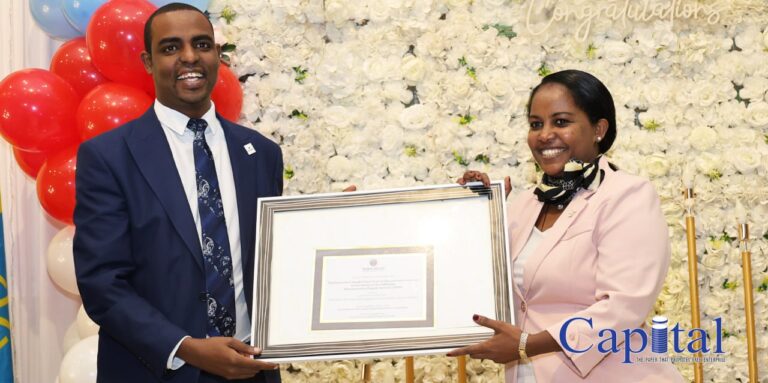
The Ethiopian Pharmaceutical Supply Service (EPSS) has made remarkable strides in revolutionizing the country’s pharmaceutical supply chain, culminating in its recognition as the Grand Prize winner at the 2024 Global Health Supply Chain Summit held in Lagos, Nigeria. This prestigious award reflects years of dedicated effort, strategic planning, and a commitment to delivering essential medicines efficiently and affordably to millions of Ethiopians.

A Vision for Change

EPSS embarked on its transformative journey with a clear objective: to address systemic challenges within the pharmaceutical supply chain and implement tangible improvements across its operations. Central to this transformation has been the adoption of the KAIZEN philosophy, which emphasizes continuous improvement through collaborative daily work management. This approach has led to breakthrough innovations targeting critical bottlenecks in supply chain processes and systematic engagement of leadership for effective change management and sustainability.

One of the most significant achievements during this transformation has been the dramatic improvement in inventory accuracy, which surged from 90% to an impressive 99.8%. This enhancement not only streamlined warehouse operations but also ensured that life-saving medicines are available when and where they are needed most. Additionally, distribution costs have decreased from 0.9% to 0.5%, while proof of delivery rates improved from 89% to 98%.

Streamlining Operations

The reduction in order processing lead times has been particularly noteworthy, with some hubs experiencing a decrease from six days to just eight hours. This remarkable enhancement has significantly increased the responsiveness of the supply chain to customer demand, ensuring that healthcare providers have timely access to essential medications.

Another transformative milestone was the optimization of warehouse layouts. By redesigning storage spaces and implementing advanced racking systems, EPSS achieved full utilization of its facilities, freeing up approximately 744 square meters of valuable space. This redesign not only created safer working environments but also reduced the distance workers traveled within warehouses from 77 kilometers to just 17 kilometers per month. Such improvements have saved time and boosted productivity.

Embracing Digital Transformation

Digital transformation has been at the core of EPSS’s journey towards operational excellence. By leveraging advanced digital dashboards and data visualization tools, EPSS has revolutionized its decision-making processes, providing real-time insights into supply chain performance. These tools have enhanced visibility across operations, enabling the organization to proactively respond to emerging challenges and maintain a steady flow of essential commodities.

For instance, the introduction of innovative near-expiry visualization systems has helped reduce wastage rates from 1.8% to under 0.8%. This initiative not only saved resources but also strengthened trust with stakeholders and partners by ensuring that valuable medicines do not go unused due to expiration.

Building a Culture of Continuous Improvement

Beyond operational achievements, EPSS has fostered a cultural transformation within its workforce. By training over 1,500 employees in Lean and KAIZEN principles as well as supply chain fundamentals, EPSS has built a culture characterized by accountability, teamwork, and continuous learning. Daily KAIZEN boards and project governance systems have become integral in maintaining momentum for improvements and ensuring that successes are scaled across all operational hubs.

The establishment of an Improvement and Skilling Center at EPSS headquarters and selected hubs has further institutionalized this culture of continuous improvement. These centers focus on integrated project management, enhancing accountability across the organization, knowledge management, and facilitating reward and recognition systems for outstanding performance.

Commitment to Sustainability

Sustainability has remained a cornerstone of EPSS’s transformation journey. The organization is committed to ensuring that its improvements are not only effective but also sustainable in the long term. The addition of an Enterprise Resource Planning (ERP) system based on SAP S/4HANA is expected to further reinforce EPSS’s capabilities in sustaining improvements while adapting to future challenges.

Dr. Abdulkadir Gegelo, Director General of EPSS, emphasized that winning the Grand Prize at the Global Health Supply Chain Summit is a testament to the relentless pursuit of excellence by his team. He noted that this recognition reflects their commitment to transforming challenges into opportunities for better service delivery in Ethiopia’s healthcare sector.

Future Prospects

As EPSS looks forward, it remains steadfast in its mission to build on these accomplishments. With robust systems in place, an empowered workforce, and forward-looking strategies, EPSS is well-positioned not only to continue driving impactful change within Ethiopia but also to serve as an inspiration for healthcare systems worldwide.

Ethiopia’s healthcare landscape is evolving rapidly, with increasing demands for high-quality pharmaceuticals driven by population growth and urbanization. The successful transformation of EPSS serves as a model for other organizations aiming to improve their supply chains amidst similar challenges.

In conclusion, the journey of the Ethiopian Pharmaceutical Supply Service exemplifies how strategic focus on continuous improvement can lead to significant advancements in public health infrastructure. By prioritizing efficiency, embracing technology, and fostering a culture of accountability and learning, EPSS is not just enhancing its operations but is also making a profound impact on the health outcomes of millions of Ethiopians. As it continues on this path, EPSS stands as a beacon of innovation in the global health supply chain landscape.


Resisting the new aristocracy

0

The last three decades of market-oriented policies in Ethiopia have led to a society where the relationship between cause and effect has become increasingly distorted. Traditionally, hard work—particularly creative and productive labor—has been viewed as the cornerstone of wealth accumulation. However, this principle seems to have eroded in the context of Ethiopia’s evolving economy. In fully monetized economies, wealth is often generated through the accumulation of capital (money creating more money), rather than through labor alone. In contrast, Ethiopia appears to be leapfrogging essential phases of capitalist economic development, inadvertently fostering a new aristocracy that thrives on unearned income without establishing a broad base of productive workers.

The anomaly within Ethiopia’s modern sector can be traced back to an economic orientation that prioritizes rent-seeking behaviors over sustainable growth. Despite the government’s rhetoric about promoting investment and development, what exists today is a rentier system that benefits a select few while marginalizing the majority. Land, capital, and even labor are predominantly controlled by political elites who exploit their positions for personal gain. The federal model and market-oriented policies implemented by the Prosperity Party have effectively dismantled previous land proclamations that designated land as collective property, leading to a situation where regional authorities wield disproportionate control over land allocation.

The current system has created an environment where those connected to power are favored in land distribution, while ordinary citizens are left to navigate a convoluted bureaucratic landscape. The lack of transparency in land allocation processes has enabled the emergence of a landed aristocracy, exacerbating inequality and social unrest.

In addition to land access issues, administrative officials—both private and state—have been granted significant power to allocate credit without considering the broader economic implications. This lack of oversight has resulted in an accumulation of uncollectible debts within the banking system, primarily due to misallocated investments in sectors such as manufacturing, agriculture, and real estate. The absence of critical thinking in policy-making has stifled constructive dialogue about these pressing issues.

For many capable individuals, conforming to flawed policies has become less mentally taxing than challenging the status quo. Those with a stronger moral compass often find themselves at a crossroads: either disengage from the prevailing narrative or risk facing repercussions for their dissent. Meanwhile, those connected to financial resources continue to amass wealth at the expense of the broader populace.

The consequences of this economic malpractice are becoming increasingly evident. The so-called wealthy elite have been artificially created through dubious financial practices that prioritize short-term gains over sustainable development. As corruption flourishes, it becomes clear that when accountability is required, it is often the ordinary citizens—the “sheeple”—who bear the brunt of these failures.

It is evident that this new aristocracy will not relinquish its privileges easily. At the same time, there is growing discontent among the populace regarding the empty promises made by political leaders. The Prosperity Party seems entrenched in outdated practices that fail to address contemporary challenges. There is an urgent need for dynamic leadership grounded in critical thought and analytical reasoning—qualities that appear lacking in today’s political landscape.

Despite ongoing challenges, there remains hope for reform. The Prosperity Party must commit to dismantling the entrenched rentier system it has perpetuated. This requires establishing an effective nationwide integrity system that actively involves citizens in governance processes. Economic policies must be scrutinized rigorously by knowledgeable individuals who prioritize sustainable development over bureaucratic inertia.

To combat the rise of this new aristocracy effectively, it is crucial for Ethiopia to adopt a governance model that emphasizes inclusivity and accountability. The current structure must be reformed to eliminate rent-seeking behaviors and promote equitable access to resources for all citizens. This includes re-evaluating how land is allocated and ensuring that credit distribution aligns with national development goals.

Furthermore, fostering an environment where critical discourse is encouraged will empower citizens to engage meaningfully with their government. Transparency must be prioritized at all levels of decision-making, allowing for public scrutiny of policies that impact everyday lives.

Resisting the new aristocracy in Ethiopia requires collective action from all sectors of society. The Prosperity Party must take bold steps toward reforming its policies and practices while engaging with citizens to build a more equitable future. Only through genuine commitment to change can Ethiopia hope to dismantle the structures that have led to widespread disenfranchisement and create an economy that works for everyone—not just a privileged few.

Name: Ekram Ahmad

0

Education: BA in Social Studies

Company Name: Eku Crafts Plc

Founded in: 2022

What it does: Making different crafts

Head quarter: Addis Ababa

Startup capital: 150,000 birr

Current capital: 500,000 birr

Number of the Employees: None

Reasons for starting the business: Personal interest in weaving, pottery and basketry

Biggest perk of ownership: Freedom

Biggest strength: Being faithful to the work I do

Biggest challenge: Raw material

Plan: To expand more

First Career: None

Most interested in meeting: Abiy Ahmed

Most admired person: My Brother

Stress reducer: Watching movies

Favorite book: Qur’an

Favorite past time: Spending time with my friends

Favorite destination: Dubai

Favorite automobile: None

Driving Change

0

In a recent interview with Capital’s Groum Abate, Francis Agbonlahor, Managing Director of Inchcape Africa and the Motor & Engineering Company of Ethiopia Limited (MOENCO), shared insights into the company’s six-decade legacy in Ethiopia’s automotive industry. As a subsidiary of Inchcape PLC, a prominent global player in premium automotive distribution, MOENCO has navigated various challenges, particularly in the face of foreign exchange constraints impacting the sector. Agbonlahor discussed the company’s strategic initiatives to adapt to these economic hurdles, its commitment to sustainability through the introduction of electric vehicles, and the significant contributions MOENCO has made to Ethiopia’s socio-economic development. This conversation sheds light on the evolving landscape of the automotive market in Ethiopia and MOENCO’s pivotal role in shaping its future.

Capital: Can you describe the current challenges MOENCO is facing regarding foreign exchange availability for importing vehicles and parts?

Francis Agbonlahor: MOENCO, a company of Inchcape, the leading independent global automotive Distributor, has been a trusted and longstanding partner in the Ethiopian automotive market for over 60 years. Our scale and long-term experience enable MOENCO to navigate complex macroeconomic environments, including the foreign exchange challenges. We have consistently maintained strong partnerships with financial institutions and external stakeholders, enabling us to respond to market opportunities and challenges. Our deep market expertise and proactive approach have allowed us to stay resilient, mitigating the impact of currency constraints. By leveraging our extensive local knowledge and operational capabilities, MOENCO continues to utilize available resources efficiently, to deliver value and excellence for our customers.

Capital: How have foreign exchange shortages affected MOENCO’s operations and ability to meet customer demand?

Francis: The foreign exchange challenges impact the entire economy including the automotive industry, but we’re encouraged by key policy changes and interventions aimed at improving the availability of foreign exchange that would support local businesses and broadly create positive impact on the overall economy. MOENCO’s robust operational framework and strong market presence have been pivotal in meeting the needs of customers. We own and operate ten strategically located branches across Ethiopia, complemented by an extensive network of about 20 authorized dealers. This expansive coverage enables us to serve a wide range of customers, even in remote areas, ensuring a consistent and reliable supply of vehicles, service and genuine spare parts. Through our strategic partnerships and agile response to market dynamics, we have continued to meet customer and stakeholder needs, strengthening our position as market leader in the Ethiopia market.

Capital: What strategies is MOENCO implementing to mitigate the impact of foreign exchange constraints on its business?

Francis: MOENCO’s strategy to counter foreign exchange constraints is centered around working within the regulatory framework, optimizing available resources, leveraging our long-term strategic partnerships, driving operational efficiency and maximizing our extensive distribution network. Additionally, our strategic foresight enables us to make data-driven decisions, ensuring we continue to deliver value to our customers and stakeholders, even in challenging economic conditions. Our aim is to continue to explore re-investing part of our long term earnings in key strategic sectors of the economy.

Capital: How do you perceive the government’s role in addressing foreign exchange challenges for businesses like MOENCO?

Francis: MOENCO fully acknowledges the government’s pivotal role in shaping the economic framework and implementing policies to address foreign exchange shortages. As a key player in Ethiopia’s automotive industry, we are committed to complying with regulatory and economic policies, working in alignment with the government’s efforts to stabilize the economy. Our focus remains on continuing to contribute positively to the socio-economic development of Ethiopia and in providing mobility solutions, ensuring that we operate responsibly within the regulatory guidelines, as we do in every market where Inchcape operates.

Capital: What long-term solutions do you believe could stabilize foreign exchange availability for the automotive sector in Ethiopia?

Francis: As a trusted, long-term player in the Ethiopian market, MOENCO believes in fostering sustainable, long-term solutions that align with Ethiopia’s economic policies. We recognize the efforts made by the government in addressing macroeconomic challenges, including foreign exchange shortages, and we continue to operate within this framework. Our focus is on maintaining strong relationships with our partners, leveraging our expertise to navigate the complexities of the market. This enables us to continue to bring mobility solutions to communities, which enables social inclusion and economic development. As we look to the future, we will continue to align our strategies with the policies set forth by the government, reinforcing our dedication to contributing positively to the growth of Ethiopia.

Capital: Can you provide an overview of the new electric-powered car policy and how it aligns with MOENCO’s business strategy?

Francis: MOENCO fully supports the Ethiopian government’s transformational initiative to move towards electric-powered vehicles (EVs), and in our view, this is a progressive step towards sustainable energy efficient transportation. Our business strategy is aligned with this transition, as we continue to expand our portfolio to include New Energy Vehicles (NEVs), reflecting our commitment to innovation and responsible business practices. We are leveraging Inchcape’s global scale and extensive experiences in multiple markets where we have pioneered the introduction of EVs and low carbon vehicles. Few months ago, MOENCO launched Toyota range of hybrid vehicles alongside the opening of our ultra model Hybrid and Electric Vehicles Service Center. Two weeks ago, we also formally announced our strategic partnership with BYD (‘Build Your Dreams’) as the official distributor in Ethiopia. These bold moves mark significant steps by MOENCO to play pivotal and leading roles towards energy efficient, technological advanced and greener transportation solutions in Ethiopia.

Capital: How has the market responded to the introduction of electric-powered vehicles, and what feedback have you received from consumers?

Francis: The Ethiopian market has shown an enthusiastic response to the introduction of electric and hybrid vehicles. Consumers have demonstrated a growing interest in sustainable mobility solutions, driven by increased environmental awareness and the desire for cost-efficient alternative mobility solutions. Feedback from our customers has been overwhelmingly positive, highlighting the high demand for innovative and more eco-friendly vehicles. We anticipate this trend will continue to grow, and we are well-positioned to meet the evolving needs of the market by expanding our New Energy Vehicle (NEV) offerings.

Capital: In what ways do you believe the shift to electric cars will impact Ethiopia’s environmental goals?

Francis: The transition to electric cars is a significant stride towards achieving Ethiopia’s environmental and economic objectives, particularly in reducing carbon emissions, enhancing air quality and in cost efficiency. MOENCO, as part of Inchcape’s Accelerate+ strategy, is committed to being at the forefront of this transition by leveraging our scale, highly skilled human capital, technology and data-driven insights. By expanding our NEV portfolio, we are contributing to the global ambition of attaining net zero emissions. Our focus on sustainable mobility aligns with the Ethiopian government’s environmental goals and demonstrates our enhanced commitment to sustainability, as we aim to lead the automotive distribution sector in environmentally and socially responsible practices.

Capital: What challenges do you foresee in implementing this new policy within the Ethiopian automotive market?

Francis: The mobility transition happens at different paces and is inherently local, influenced by factors such as geography, economy, energy mix, local policy, culture and social preference. While the shift to green energy may present initial challenges, such as EV related infrastructure development and consumer adaptation, MOENCO views this evolution as a strategic opportunity for growth of the automotive sector. Our focus on reducing carbon emissions and advancing towards net zero aligns with both global and local priorities. We are proud to be a part of this laudable transition, positioning Ethiopia at the forefront of the shift to New Energy Vehicles (NEVs) in Africa. This evolution aligns with our mission to enable a sustainable mobility transition that is inclusive and long-lasting, supporting the country’s long term environmental and economic goals.

Capital: What is your affiliation with Red Sea Automotive?

Francis: Inchcape PLC, our parent company, is the World’s Leading Automotive Independent distributor, listed on the London Stock Exchange and operating in over 40 countries representing more than 50 global automotive brands. In Africa, we have a strong presence across Ethiopia, Kenya, Djibouti, Tanzania, and Uganda, where we own and operate subsidiaries of Inchcape PLC, including Red Sea Automotive operating from Djibouti Free Zone. This extensive footprint reflects Inchcape’s commitment to delivering comprehensive mobility solutions across diverse markets, reinforcing our leadership position in the region.

Capital: What is the contribution of MOENCO to the Ethiopian economy?

Francis: MOENCO has made significant contributions to the Ethiopian economy, playing a vital role in the socio-economic development of the country for over 60 years. We have over the years facilitated knowledge and technology transfer, created good quality employment opportunities, and developed skills, benefiting hundreds of individuals and partners. Our significant investments in community development projects and our recognition as a six-time consecutive Platinum Award-winning taxpayer underscore our commitment to national socio-economic growth. Through our comprehensive mobility solutions across B2B and B2C segments, we continue to support various sectors of the economy, reinforcing our role as a key driver of economic progress. This aligns with our purpose, of “Bringing Mobility to the world’s Communities for Today, for Tomorrow and for the better”.

Capital: Do you have plans to open an assembly plant here in Ethiopia?

Francis: We are continually assessing opportunities alongside our global automotive manufacturing partners for end-to-end investment in Ethiopia’s automotive sector, including the potential to establish local assembly plant. MOENCO’s strategic focus is on creating a robust and sustainable mobility ecosystem. This forward-looking approach reflects our commitment to building a stronger, more resilient automotive market in Ethiopia.
