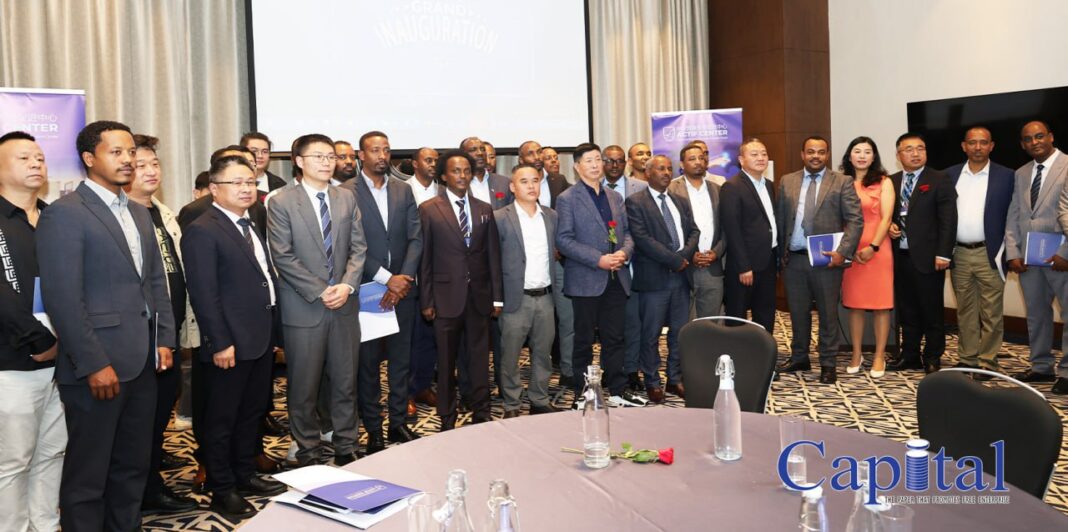
Chinese investors, who have significantly contributed to Ethiopia’s economy with investments totaling approximately $5 billion across more than 2,000 projects, are increasingly relocating their operations to neighboring countries such as Kenya, Uganda, and Tanzania. This trend is attributed to a multitude of challenges that have arisen in Ethiopia, prompting concerns from both the Chinese Embassy and local officials about the implications for the country’s economic development.
As of May 2024, Chinese enterprises have created around 610,000 job opportunities in Ethiopia, playing an irreplaceable role in the nation’s modernization efforts. However, the representative from the Chinese Embassy in Ethiopia expressed alarm over the recent shift in investment patterns. “For many reasons, Chinese investors have turned their business in Ethiopia to neighboring countries,” the representative stated. “This is a great concern not only for the embassy but also for the country, because our mission is to facilitate cooperation between the two countries.”

Hanna Arayaselassie, Commissioner of the Ethiopian Investment Commission (EIC), acknowledged these challenges during the second Ethio-China Friendship Cooperation Forum held two months back. She noted that efforts to strengthen trade and investment partnerships between Ethiopia and China are yielding tangible results. Despite this optimism, many investors remain apprehensive about the current business climate.
Andy Wu, a representative of Chinese investors in Ethiopia, highlighted several pressing issues affecting their operations. “Currently, Ethiopia faces significant challenges,” he said. “The security crisis, hard-currency shortages, and narrowing marketing opportunities are major concerns.” He further elaborated on the tax challenges that investors encounter: “We always face headaches with the customs bureau. Once production arrives, customers are often not happy or excited; it’s only complaints.”
The broader context reveals that international trade is also being hindered by various complex factors. The ongoing security crisis has led to increased difficulties in international ocean freight and logistics, further complicating the investment landscape for foreign businesses.
Despite these hurdles, Wu emphasized the importance of fostering understanding between Chinese investors and Ethiopian stakeholders. “We want Ethiopians—not only the government but also scholars and the general public—to understand our business mindset and recognize what we bring to Ethiopia,” he stated.
While some Chinese businesses continue to operate in Ethiopia, they face an increasingly uncertain environment. The Ethiopian government must prioritize addressing these investment-related issues to retain Chinese interests and bolster economic growth. Currently, Chinese investments represent a significant portion of foreign direct investment (FDI) in Ethiopia—more than any other country—followed by Saudi Arabia and Turkey.
The ongoing insecurity and political instability stemming from ethnic conflicts have adversely affected investment sentiment. The conflict in northern Ethiopia that ended in November 2022 and ongoing violence in regions like Oromia and Amhara have led to a decline in foreign direct investment.
While Chinese investors have played a vital role in Ethiopia’s economic development over the past few decades, their recent shift toward neighboring countries underscores significant challenges that must be addressed. By prioritizing security, easing bureaucratic hurdles, and fostering open communication with foreign investors, Ethiopia can work towards creating a more stable and attractive investment climate that benefits both local communities and international partners alike.