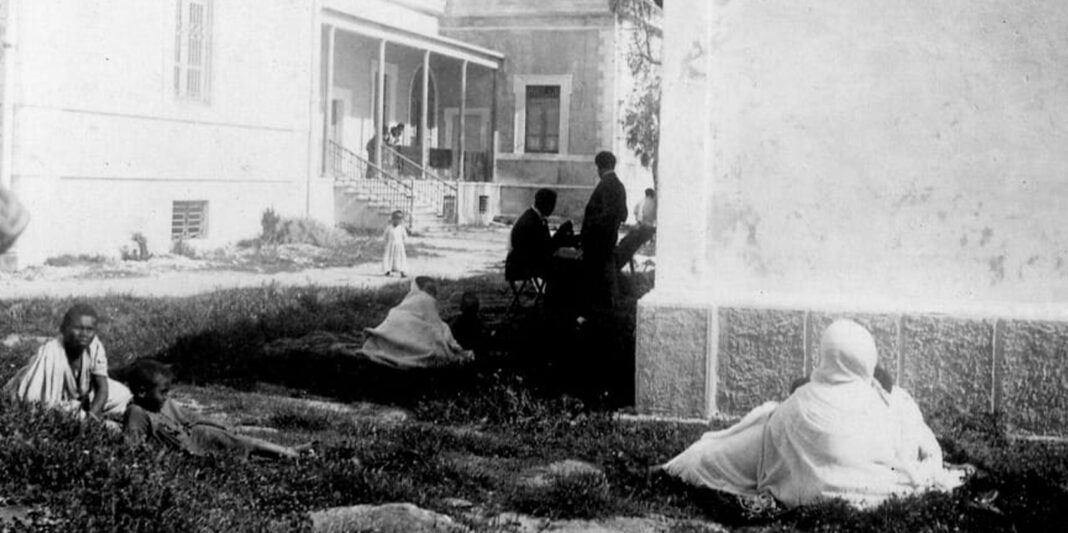
In the shadow of a history often whispered but seldom reckoned with, a new international initiative is working to ensure the world never forgets the blood spilled on the streets of the capital 89 years ago.
Family members and descendants of the victims are raising their voices, demanding that this history be openly acknowledged and that the fallen receive the honor they deserve.
In February 1937, Addis Ababa witnessed one of the most horrific colonial atrocities in African history. What began as an act of resistance against the fascist occupation triggered several days of mass killings that claimed the lives of thousands of citizens and devastated the country’s intelligentsia.
The catalyst for this brutal massacre was a grenade attack on February 19, 1937 (Yekatit 12, 1929 Ethiopian Calendar), during a public ceremony at the historical imperial palace, Genete Leul Palace, situated near Sidist Kilo.
Although two young resistance fighters, Abreha Deboch and Moges Asgedom, targeted the Italian Viceroy Rodolfo Graziani, he survived the attack. However, the response from the Italian occupying forces was calculated and genocidal in its severity.
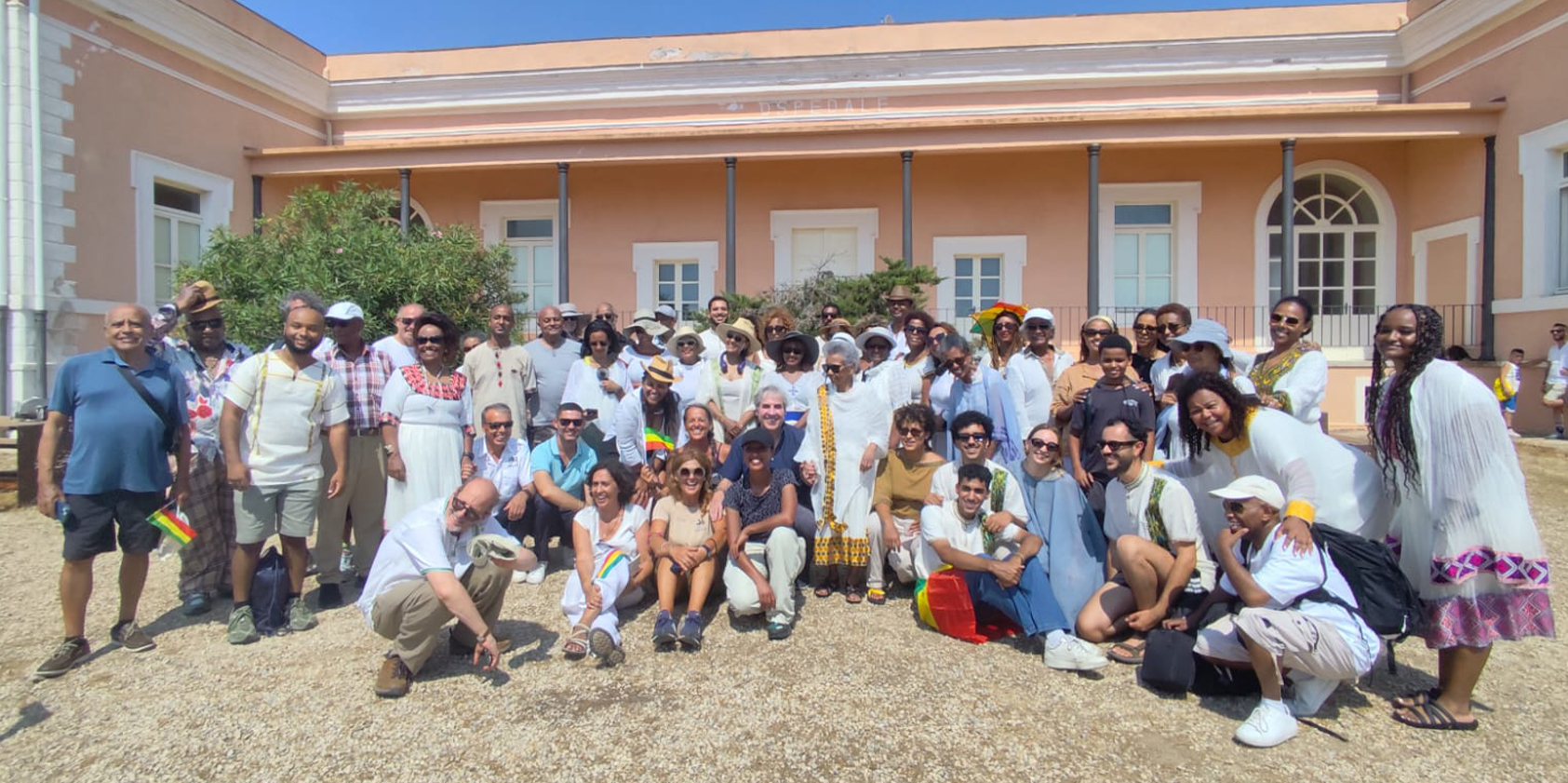
Over the following three days, Italian “Blackshirts” and colonial soldiers engaged in indiscriminate mass killings across the city. Historians estimate that between 19,000 and 30,000 Ethiopians were murdered.
The cruelty was not limited to the capital; in May of that year, over 400 monks and pilgrims were executed at the Debre Libanos monastery, situated 110 km north of Addis Ababa, as part of a systematic campaign targeting the educated class to leave the country without leadership for future uprisings.
Despite the scale of this atrocity, descendants of the victims argue that the international community and domestic education systems have allowed this history to fade.
The association From Oblivion to Memory (FOM) is an international initiative bringing together descendants, historians, researchers, and educators.
The group highlights a painful irony: while Ethiopia struggles to memorialize its martyrs, Rodolfo Graziani—known for his cruelty as the “Butcher of Fezzan”—was honored in 2012 with a monument in his hometown of Affile, Italy, funded by the public budget.
Descendants insist that “the sacrifices and suffering Ethiopians endured to protect their independence should not be ignored; acknowledging this history of pain is crucial to creating a just future for the next generation.”
Rather than breaking the Ethiopian spirit, this massacre ignited the heroic patriot movement that eventually led to the expulsion of the Italians in 1941. However, “it must be clarified that Ethiopian political prisoners and members of the educated elite were deported not only to remote islands such as Asinara, but also to other detention sites in Italy under fascist rule,” say the descendants. “The psychological scars of this mass imprisonment, displacement, and exile remain unhealed for many families.”
Consequently, through their new publication, descendants are calling for the collection of oral histories from victims’ families, official recognition of the massacre by international institutions, and the inclusion of the occupation’s history in global educational curricula.
PIC
Abreha Deboch and Moges Asgedom