Ethiopia was among the fastest-growing economies globally in 2025, with the International Monetary Fund saying the country’s reform momentum helped support strong growth, improve external balances and attract investor confidence. The IMF, however, warned that fuel supply pressures, aid cuts and wider regional risks could still weigh on the outlook in 2026 and beyond.
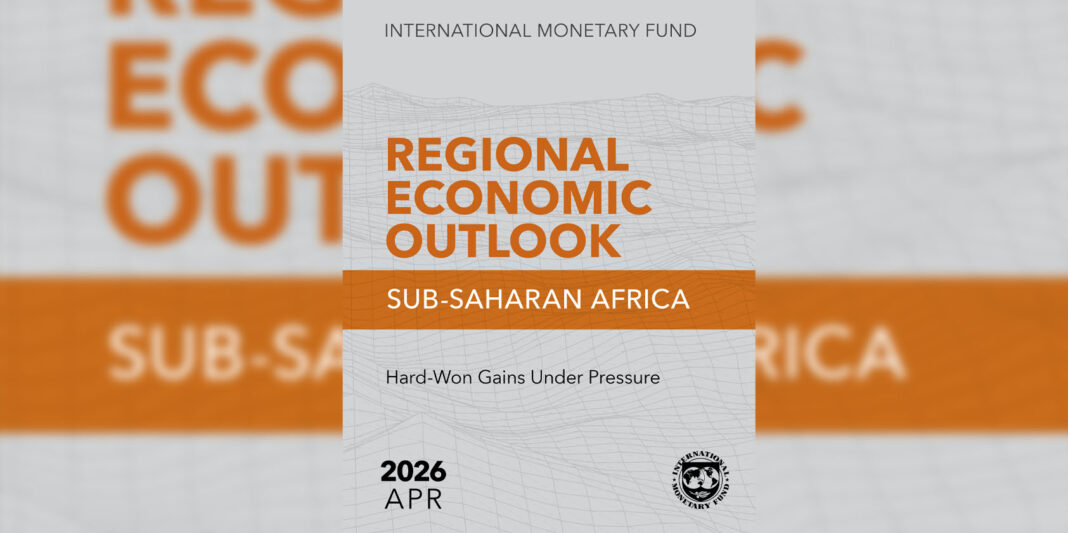
In its April 2026 Regional Economic Outlook for sub-Saharan Africa, the IMF said economic activity across the region expanded at the fastest pace in more than a decade in 2025, with Ethiopia named among a group of countries whose stronger performance reflected “sound domestic policy choices.” The report also highlighted Ethiopia’s macroeconomic reforms, exchange-rate adjustments and reductions in fuel subsidies as measures that are beginning to pay off through improved external balances and a clearer path for private investment.
The Fund said Ethiopia remains one of the region’s standout reform cases, alongside countries such as Benin, Côte d’Ivoire, Rwanda and Uganda, but added that the country still faces important vulnerabilities. The report noted that the war in the Middle East has tightened fuel availability in Ethiopia and other fuel-importing economies, adding pressure to electricity generation, transport and food inflation.
The IMF said Ethiopia’s recent macroeconomic reforms have helped improve the investment climate and support stronger growth. It linked the country’s progress to broader regional evidence that governance, business regulation and external-sector reforms can raise output substantially over time if macroeconomic stability is maintained.
According to the report, closing only part of the structural gap with emerging markets could significantly increase regional output, with the biggest gains likely to come from countries that start from a lower base and face wider reform gaps. Ethiopia was cited in the report’s reform tables as a country with room to deepen improvements in governance and the business environment.
Despite the growth momentum, Ethiopia is exposed to several near-term risks, particularly from fuel price volatility and supply disruptions. The IMF said such shocks can affect transport, mining and electricity generation, while also pushing up fertilizer costs and threatening agricultural output and food security.
The report also warned that aid cuts across sub-Saharan Africa are creating added strain on low-income and fragile economies, including Ethiopia. It said countries are being forced to reconsider spending, borrowing and domestic revenue measures to offset the effects of declining external support.
The IMF argued that the region, including Ethiopia, now needs to pivot more decisively toward private-sector-led growth. It said future progress depends on stronger governance, simpler regulation, better external-sector policies and reforms that improve the business climate and unlock productivity.
For Ethiopia, the report suggests the next phase of reform will be less about announcing new plans and more about implementation, consistency and resilience. It said the gains from earlier reforms are visible, but sustaining them will require continued policy discipline and deeper institutional change.