In a significant operational recovery, state-owned Ethiopian Shipping and Logistics (ESL) has resumed handling the country’s petroleum imports, including from new international suppliers. This marks a historic first, as Ethiopia has now sourced fuel from within Africa.
The Ethiopian government has diversified its procurement strategy to include West Asian markets and ports in western India. This shift comes amid disruptions to traditional oil supply routes and rising domestic demand, particularly for jet fuel. The demand for jet fuel is largely driven by Bole International Airport’s role as a major African aviation hub and the extensive operations of Ethiopian Airlines, a leading carrier on the continent.
A recent breakthrough saw Ethiopia import jet fuel from a terminal in Nigeria, operated by the Dangote Petroleum Refinery at Dangote Quays, Lekki, owned by billionaire Aliko Dangote.
This development represents a dual milestone: it is Ethiopia’s first import of African oil for jet fuel and other domestic purposes since halting imports from neighboring Sudan, and it signals a departure from the importing practices observed over the past four decades.
Notably, ESL has not imported oil on behalf of its customers since approximately 1986. For the past 40 years, the state oil importer, the Ethiopian Petroleum Supply Enterprise (EPSE) — which was the sole importer until last year — relied on its own arrangements to bring in this strategic commodity, despite Ethiopia owning two medium-sized tanker vessels a few years ago.
“There was a perception that ESL lacked the capacity to handle oil imports,” stated Demissew Benti, head of the Market Department at ESL. “This latest development is part of our effort to correct that misunderstanding and establish a new operational precedent.”
Lensa Geremew, head of the Chartering Division within ESL’s Commercial Directorate, confirmed the successful execution of a fuel import from Nigeria. She highlighted that conflict and travel restrictions in the Strait of Hormuz — a critical waterway through which approximately 20 percent of the world’s oil supply and a significant portion of Ethiopia’s fuel imports transit — had created substantial supply challenges.
“In response to favorable conditions created by the government, the company was able to import 120,000 metric tons of aviation fuel and diesel fuel for the first time in four decades,” she said.
ESL officials added that vessel operators successfully transported the petroleum products, helping to alleviate global fuel shortages resulting from shipping disruptions in the Strait of Hormuz following the conflict involving the United States, Israel, and Iran, which began on February 28.
The liquid cargo originated from the Dangote Terminal in Nigeria and was delivered in three voyages via the vessels MV Kokolight, MT Mostar, and MT Explorer.
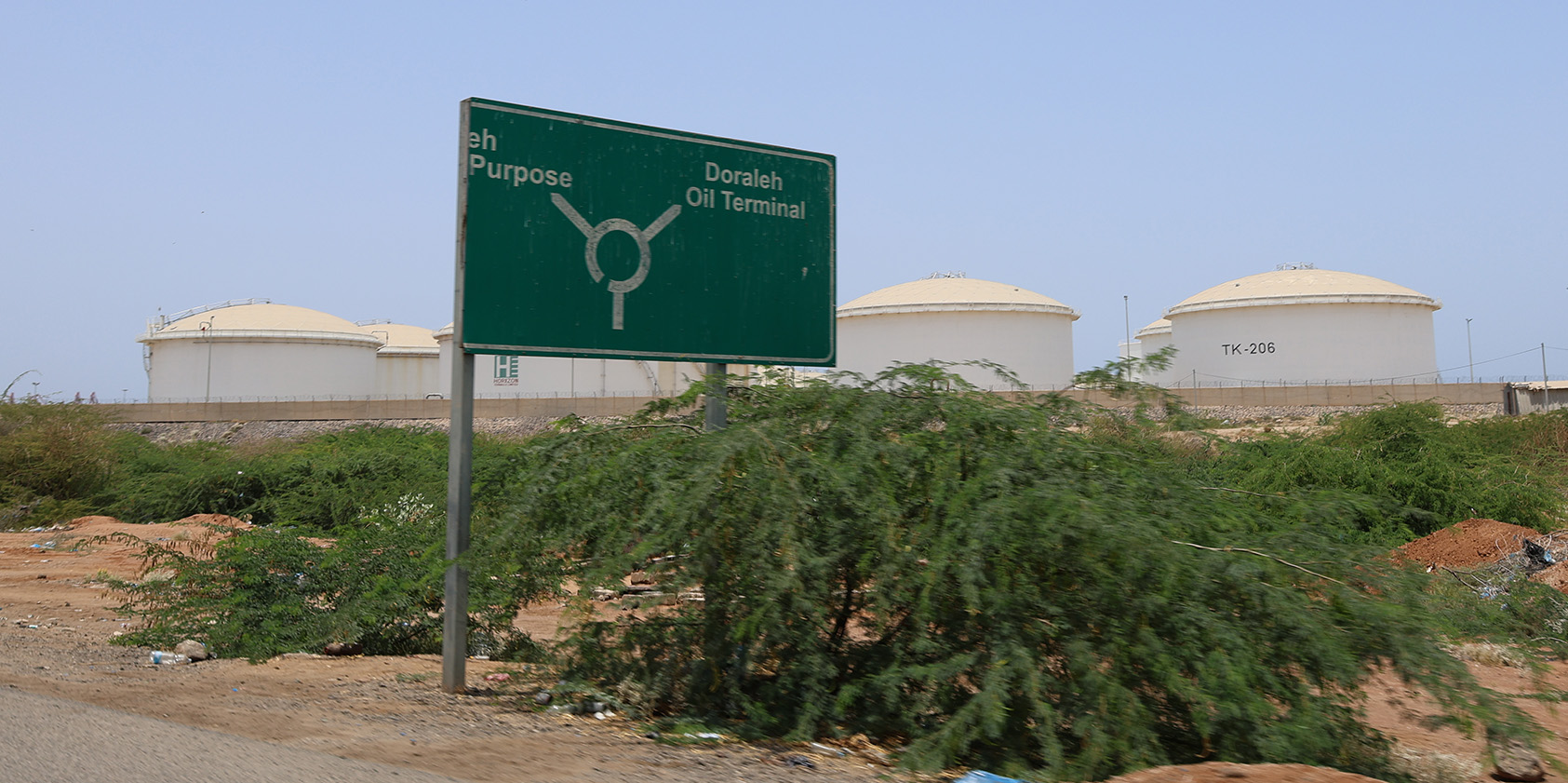
Through these chartered ships, ESL transported 80,000 metric tons of jet fuel and 40,000 metric tons of diesel fuel to the Horizon Oil Terminal in Djibouti, a key hub for Ethiopian fuel imports.
Jet fuel imports have been a priority since the Hormuz crisis began. Experts note that the primary challenge with aviation fuel is not only the substantial demand from Ethiopian Airlines but also the country’s insufficient storage infrastructure for jet fuel, unlike that for diesel and gasoline.
Owned by Dangote Industries, the Dangote Petroleum Refinery in Lagos State’s Lekki Free Zone began operations in 2024. It currently processes about 650,000 barrels of crude oil per day, with plans to double this capacity soon.
Ethiopia, a nation that does not produce oil, spends at least a quarter of its total goods-import budget on oil. For the 2024/25 budget year, oil imports were estimated at USD 3.7 billion and are expected to increase by 8.9 percent by the end of the current budget year, which concludes in less than three weeks.
The ongoing situation in the Strait of Hormuz is projected to further escalate import costs. According to Finance Minister Ahmed Shide, who presented the figures to parliament this week during his budget speech, the central bank anticipates fuel imports could reach up to USD 6 billion in the upcoming budget year. This increase is primarily due to price hikes linked to the regional conflict.
Ahmed announced a proposed capital injection for the Ethiopian Petroleum Supply Enterprise (EPSE) for the upcoming budget year, starting July 8. Until last year, EPSE was the sole importer of this strategic commodity. The minister stated that this proposed capital, amounting to 116.4 billion birr, will be disbursed from central government coffers as part of the recurrent budget throughout the year.
In parallel, the government has liberalized the oil import sector, allowing private entities to participate. A week ago, the National Bank of Ethiopia issued a directive permitting foreign direct investors, the diplomatic community, and international non-governmental organizations to import fuel using their own foreign currency.
This move aims to reduce the foreign currency allocated for oil imports and exclude entities that should not benefit from oil subsidies. Ethiopia hosts numerous international organizations and embassies, making it a continental hub.
The government has acknowledged that its oil subsidy historically covered parties that should not have been included. Under the four-year macroeconomic reform program launched in July 2024, the oil sector is expected to become a source of profit for EPSE and generate tax revenue for the government.
Consequently, the subsidy has been revised to target specific communities. However, experts note that the excise and value-added taxes, which were scheduled for imposition last December, have not been fully applied.
Although the government initially aimed for a 100 billion birr fuel subsidy for the 2025/26 budget year (ending July 7), Trade and Regional Integration Minister Kassahun Gofe reported in a late-March social media post that the actual subsidy for that year was 272 billion birr.
For the coming budget year, the government has proposed a 20 billion birr subsidy for the sector, a significant reduction from the previous year’s figure, reflecting a planned gradual decrease in subsidies.