
Ethiopia is set to establish a comprehensive agricultural finance system that will be fully implemented in the coming year. The Ministry of Agriculture announced that the Ethiopian government is launching this system to bring about structural transformation in the agricultural sector and to sustainably resolve the financial constraints faced by smallholder farmers. This new framework is designed to bridge the disconnected relationship between Ethiopian banks and farmers, facilitating direct access to credit and insurance for producers.
Minister of Agriculture, Addisu Arega, stated that this initiative marks a departure from the traditional banking practices that have historically marginalized rural producers. To ensure a successful transition, a specialized financial structure called NAFIR (National Agricultural Finance Implementation Roadmap) will be piloted in 18 selected districts starting in July. Operating within existing commercial banks, NAFIR is designed to function like an agricultural bank, offering tailored credit and insurance products to meet farmers’ needs.
Government officials acknowledged the long-standing structural imbalance in Ethiopia’s financial system, which has disproportionately favored urban commerce over the rural sector. This initiative, detailed in the National Agricultural Finance Implementation Roadmap (2025–2030), aims to correct this legacy. Although agriculture is the cornerstone of Ethiopia’s economy—contributing 32% to GDP, creating 64% of employment, and generating 79% of foreign exchange earnings—it receives less than 10% of total credit. The roadmap reveals that during the 2023/24 credit crunch, private banks allocated only 1–3% of their loans to agriculture, and current studies indicate that existing supply meets only 2% of farmers’ actual demand, or up to 5% when including fertilizer loans.
Minister Addisu emphasized, “We acknowledge that neither the Ethiopian economy nor Ethiopian banks have historically been true friends to farmers. The practice of collecting savings from farmers to lend to urban importers, exporters, and contractors is no longer deemed correct, and this will be sustainably changed.”

The roadmap introduces critical strategic pillars, including the National Agricultural Finance Accelerator (NAFA) to mobilize capital for concessional lending and credit guarantees; the Farmers’ Agricultural Service Transformation (FAST), which links to the national ID (Fayda) to enable automated credit scoring; and the Agricultural Finance Center of Excellence (CoE) to build capacity in credit, interest-free banking, and crop/livestock insurance. Under the direct guidance of the Prime Minister’s Office, a policy note has been prepared to align financial supply with the macroeconomic contributions of the manufacturing and agricultural sectors.
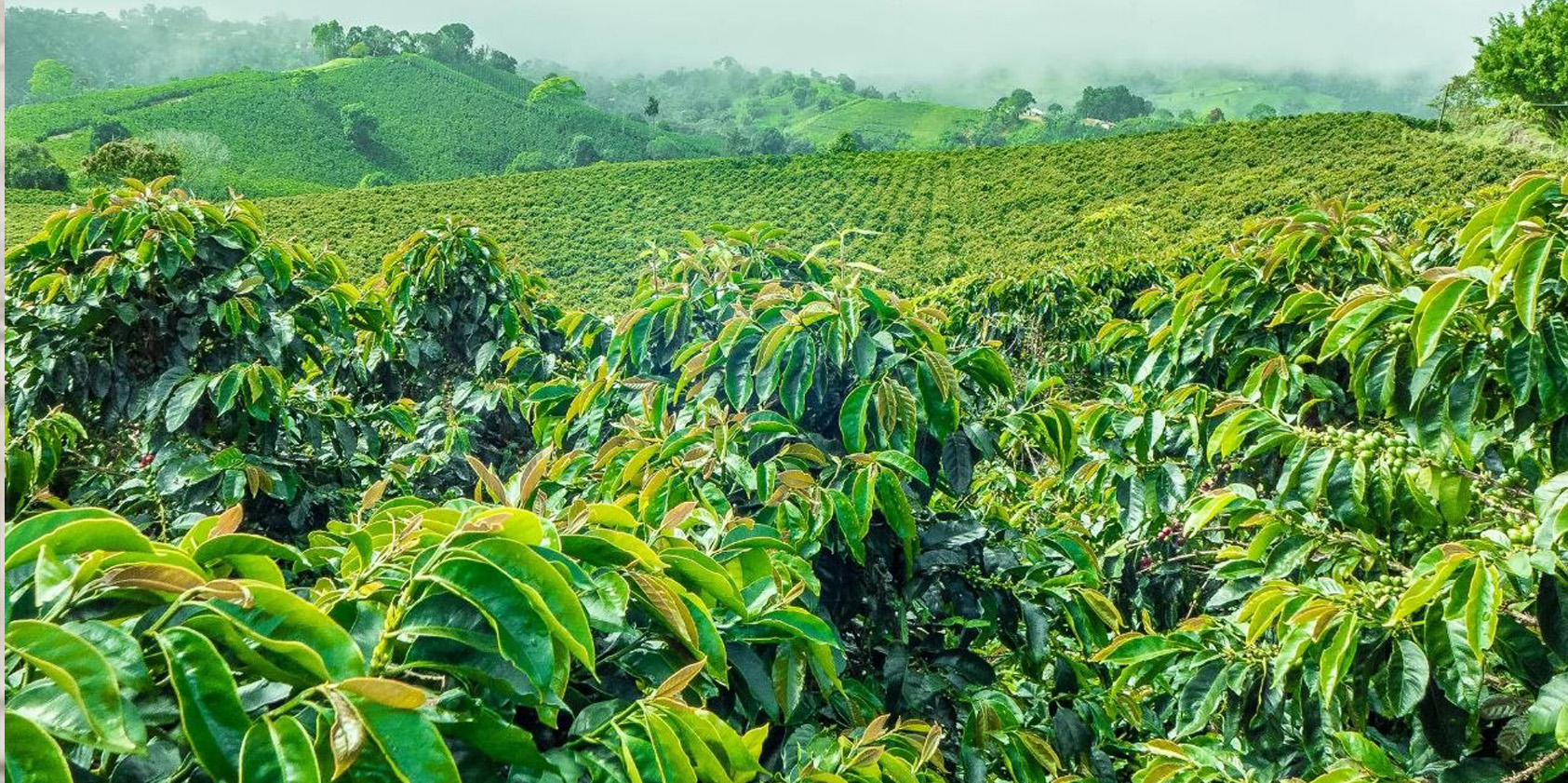
This new ecosystem aims to reduce risks and encourage long-term investment for smallholder farmers. Furthermore, the coffee sector—a pillar of Ethiopia’s export economy—is expected to be a primary beneficiary of this financial revolution. The government has designed a strategy to significantly increase production volumes to compete with global giants like Brazil and Vietnam. Regarding the debate between traditional and organic farming, officials clarified that while the premium market for organic coffee is valuable, the government’s primary focus is increasing total production volume through scientific inputs.
To support this, the Ministry of Agriculture, in collaboration with the Agricultural Transformation Institute (ATI), is conducting soil testing to provide site-specific fertilizers tailored to local agro-ecological conditions, with these methods to be first tested by model farmers before wider scaling.