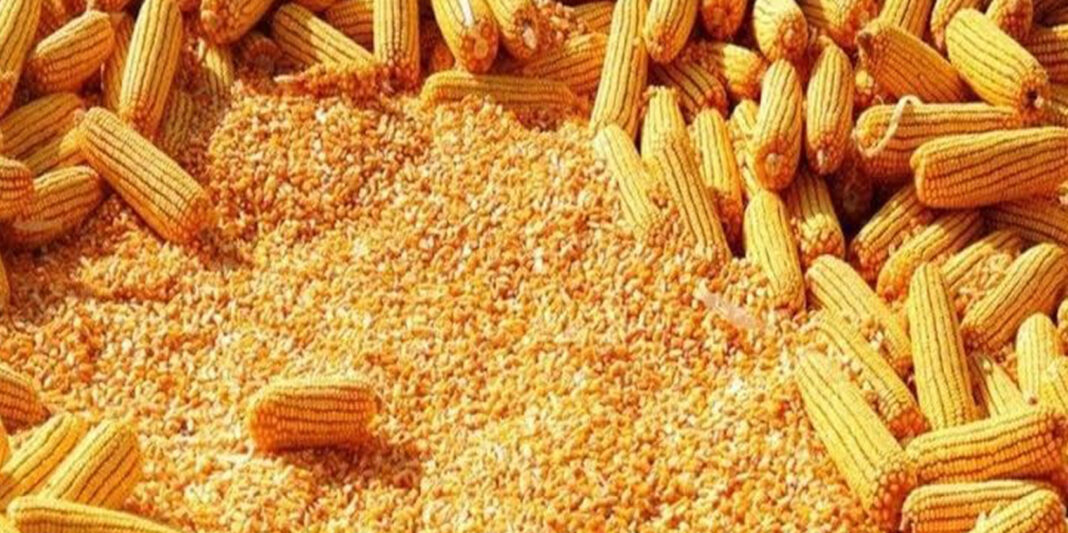
Prices of locally produced maize in Ethiopia have surged by between 70 and 90 percent over the past nine months, reaching record-high levels as concerns grow over the performance of the 2026 main harvest following El Nino-related rainfall shortages.
The sharp increase in maize prices is adding pressure to household food security at a time when agricultural production in several parts of the country has been affected by irregular rainfall, prolonged dry conditions and crop damage, according to a new assessment by the United Nations Food and Agriculture Organization (FAO).
In its Global Information and Early Warning System (GIEWS) Country Brief, the FAO reported that wholesale prices of locally produced maize increased by 70 to 90 percent between December 2025 and September 2026, reaching unprecedented levels.
The organisation attributed the price surge to a combination of seasonal market trends, the continued depreciation of the Ethiopian birr, elevated fuel prices and associated transportation costs.
More recently, concerns over the performance of the 2026 Meher harvest have exerted additional upward pressure on maize prices, raising concerns about the availability and affordability of staple foods.
Maize is among Ethiopia’s major cereal crops and an important component of the country’s food supply. Consequently, the continued increase in its price could further complicate the food security situation, particularly in areas experiencing agricultural production shortfalls.
The FAO assessment identified rainfall deficits associated with the ongoing El Nino event as a major factor affecting the country’s 2026 main agricultural season.
The June-September Kiremt rainy season, which supports the production of the main Meher crops, experienced significant rainfall shortages, particularly in Tigray, eastern Amhara and eastern Oromia.
In these areas, dry weather conditions severely affected crop germination and development, resulting in substantial production losses in the worst-affected locations.
Although rainfall improved towards the end of the season in some areas, the recovery came too late to reverse much of the damage already sustained by crops.
The 2026 Meher crops, planted during June and July, began harvesting in October, with the process expected to continue until December.
The FAO warned that food security improvements following the beginning of the main harvest could be limited and short-lived in areas affected by significant production shortfalls.
The challenges facing the Meher season have also been accompanied by irregular rainfall during the 2026 secondary Belg agricultural season.
According to the FAO, harvesting of Belg crops was completed in July in southern Tigray, eastern Amhara, southeastern Oromia and the former Southern Nations, Nationalities and Peoples’ region.
Although cumulative rainfall between February and May was generally average to above average, its distribution was highly irregular.
Below-average rainfall in February was followed by torrential rainfall in March, which accounted for nearly half of the seasonal rainfall total.
However, rainfall declined again in April and May, restricting soil moisture availability during critical stages of crop development.
The early-season rainfall surplus was insufficient to compensate for subsequent moisture shortages, resulting in localised production losses across several areas.
These developments have increased concerns about agricultural output and the availability of food in communities that depend heavily on seasonal crop production.
Despite the challenges facing the 2026 agricultural season, the FAO’s cereal production estimates show that Ethiopia recorded modest growth in overall cereal output in 2025.
The report’s production figures indicate that total cereal production reached approximately 30.266 million tonnes in 2025, compared with 29.875 million tonnes in 2024, representing a 1.3 percent increase.
Maize production was estimated at 10.3 million tonnes in 2025, up one percent from 10.2 million tonnes in the previous year.
Wheat production increased by 4.8 percent, reaching 6.5 million tonnes compared with 6.2 million tonnes in 2024.
Meanwhile, production of other cereals, excluding maize and wheat, remained unchanged at approximately 5.55 million tonnes.
Although the figures indicate growth in cereal production in 2025, the FAO’s latest assessment highlights the risks that weather-related disruptions could pose to agricultural production and food availability in 2026.
The report also identified differing developments in Ethiopia’s pastoral areas, where rainfall conditions have improved in some regions but remain unfavourable in others.
In southern and southeastern pastoral areas of southern Oromia and southern Somali regions, the October-December 2026 Deyr/Hageya rainy season started on time.
Rainfall recorded in October reached between two and three times the long-term average, improving pasture regeneration and water availability.
The favourable conditions are expected to support livestock grazing, improve animal body conditions and contribute to better reproduction and milk production.
However, the FAO warned that above-average rainfall could also increase the risk of flooding in flood-prone areas.
In northern Afar, the situation remains concerning following poor rainfall during the June-September 2026 Karan/Karma rainy season.
Limited rainfall restricted pasture regeneration and the replenishment of water resources, leaving livestock in below-average body condition as they entered the ongoing dry season.
The organisation warned that livestock conditions could deteriorate further before the expected March-May 2027 Diraac/Sugum rainy season, potentially affecting livestock productivity, reproduction and milk availability.