A new chapter of economic diplomacy has reportedly begun, aiming to tap into the potential of two of the largest economies in East and Southern Africa. Officials from Ethiopia and South Africa stated that the two nations are transitioning from their historical political cooperation toward a robust and comprehensive strategic partnership.
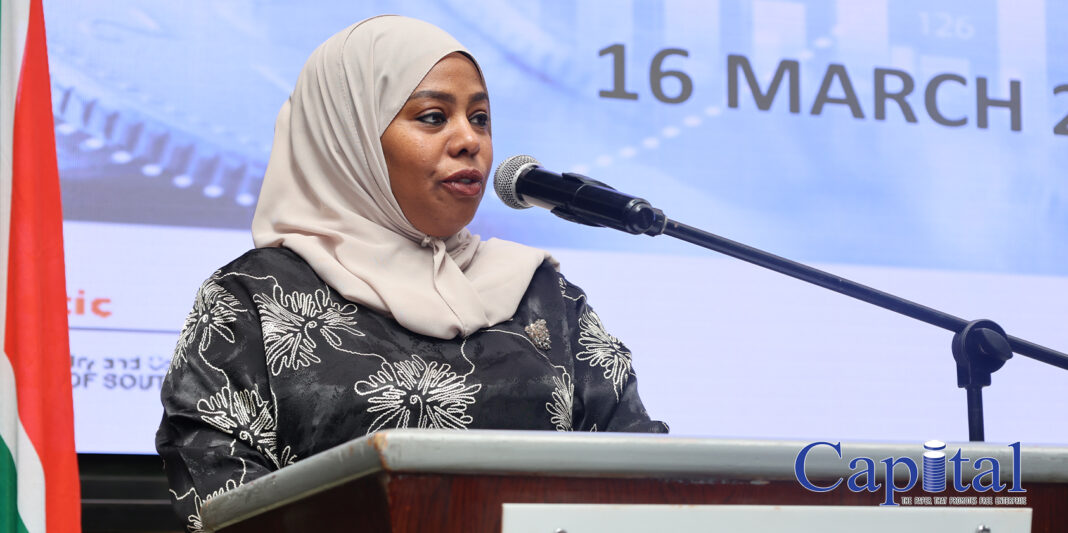
Yasmin Wohabrebbi, State Minister for Trade and Regional Integration, noted that the focus of this relationship extends beyond mutual respect to “accelerating Africa’s economic transformation.” It was highlighted that the foundation for major trade expansion has already been laid, as South Africa is currently Ethiopia’s 5th largest export destination and 4th largest source of imports within the continent.
These remarks were made during a Business-to-Business (B2B) networking forum held in Addis Ababa. The event was organized by the Embassy of the Republic of South Africa in collaboration with the Department of Trade, Industry, and Competition (DTIC) to strengthen trade and investment ties between the two countries.
Led by the DTIC, the South African trade delegation focused on Information and Communication Technology (ICT), agro-processing, and metals fabrication. It was noted that these sectors will significantly bolster African trade integration. While trade between the two nations averaged $154 million between 2020 and 2025, recent data indicates a major shift. In the 2024-2025 fiscal year, Ethiopia doubled its performance from the previous year, generating $3.8 billion in total export revenue.
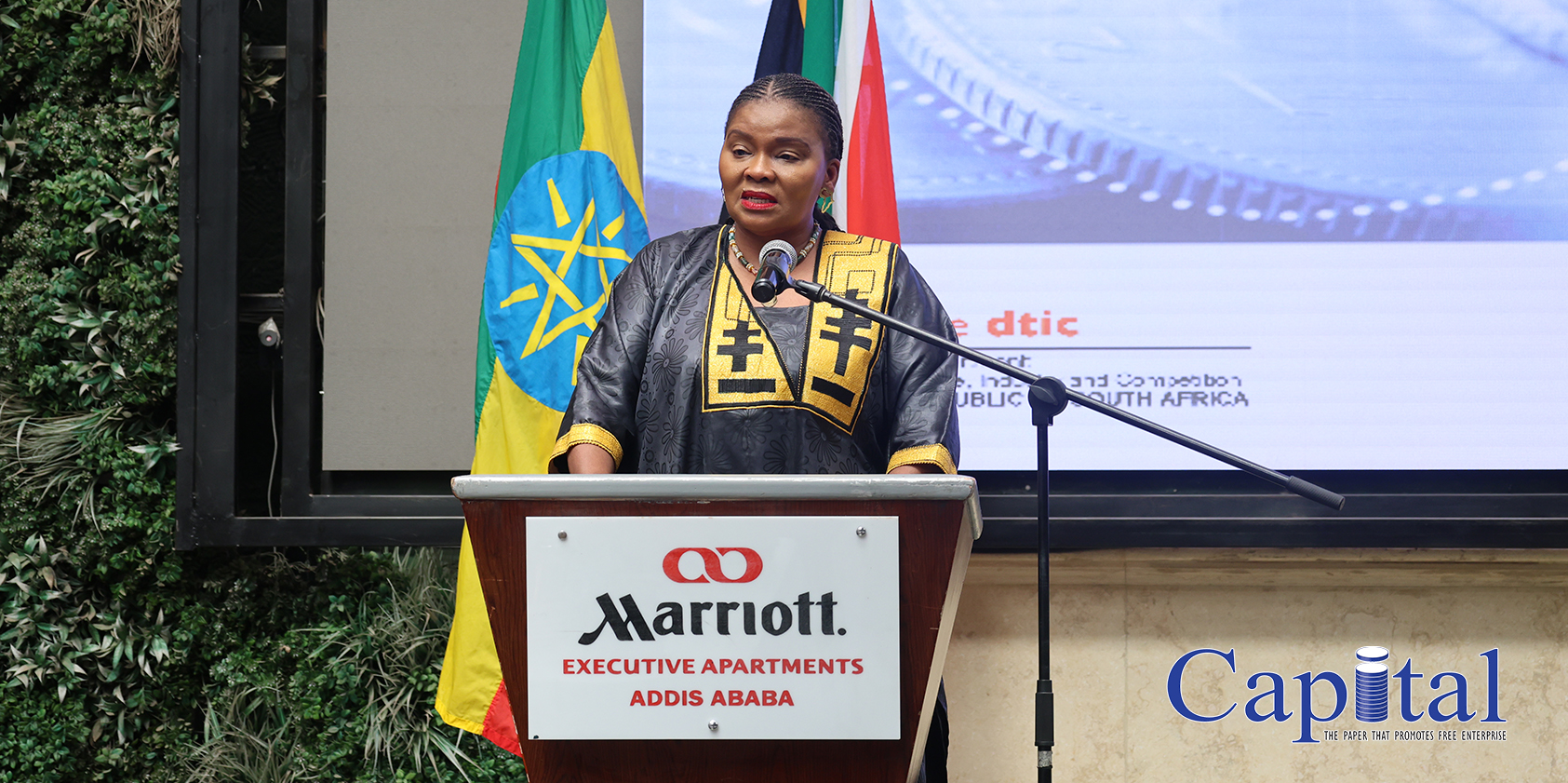
“In the first seven months of the current fiscal year, we have reached $5.9 billion,” Yasmin stated, adding that the country is on the right track to achieve its annual goal of $9 billion. This growth is attributed to the “Homegrown Economic Reform Program,” which focuses on streamlining customs procedures, reducing trade barriers, and improving logistics corridors.
The South African delegation expressed a strong interest in participating in Ethiopia’s rapidly growing digital and agricultural sectors. In the ICT sector, South African innovators aim to create platforms for connectivity and capacity building, with a specific interest in collaborative work using Artificial Intelligence (AI) to solve continental challenges.
In the agro-processing sector, both countries share a goal of transforming the agricultural value chain to ensure food security and create job opportunities. While Ethiopia is well-known in the South African market for its specialty coffee, it is now diversifying its exports to include products such as kidney beans, floral products, strawberries, and oilseeds.
In return, South Africa continues to supply essential goods to the Ethiopian economy, including machinery, electrical equipment, and base metals. This partnership is anchored within the framework of the African Continental Free Trade Area (AfCFTA). South Africa began trading under the AfCFTA in January 2024, and Ethiopia has completed its domestic process for publishing its specific tariff offers according to the agreement.
Additionally, Ethiopia’s massive infrastructure developments were a major topic at the forum. It was noted that in January 2026, Ethiopia officially began construction on what will be the largest airport in Africa within the next five years. This project is expected to create significant opportunities for South African companies in logistics, hospitality, and the aviation sector.