Ethiopia is planning to build a local satellite assembly, integration and testing center with Russian support in a move officials say could help shift the country from relying on foreign technology to becoming a regional space hub.
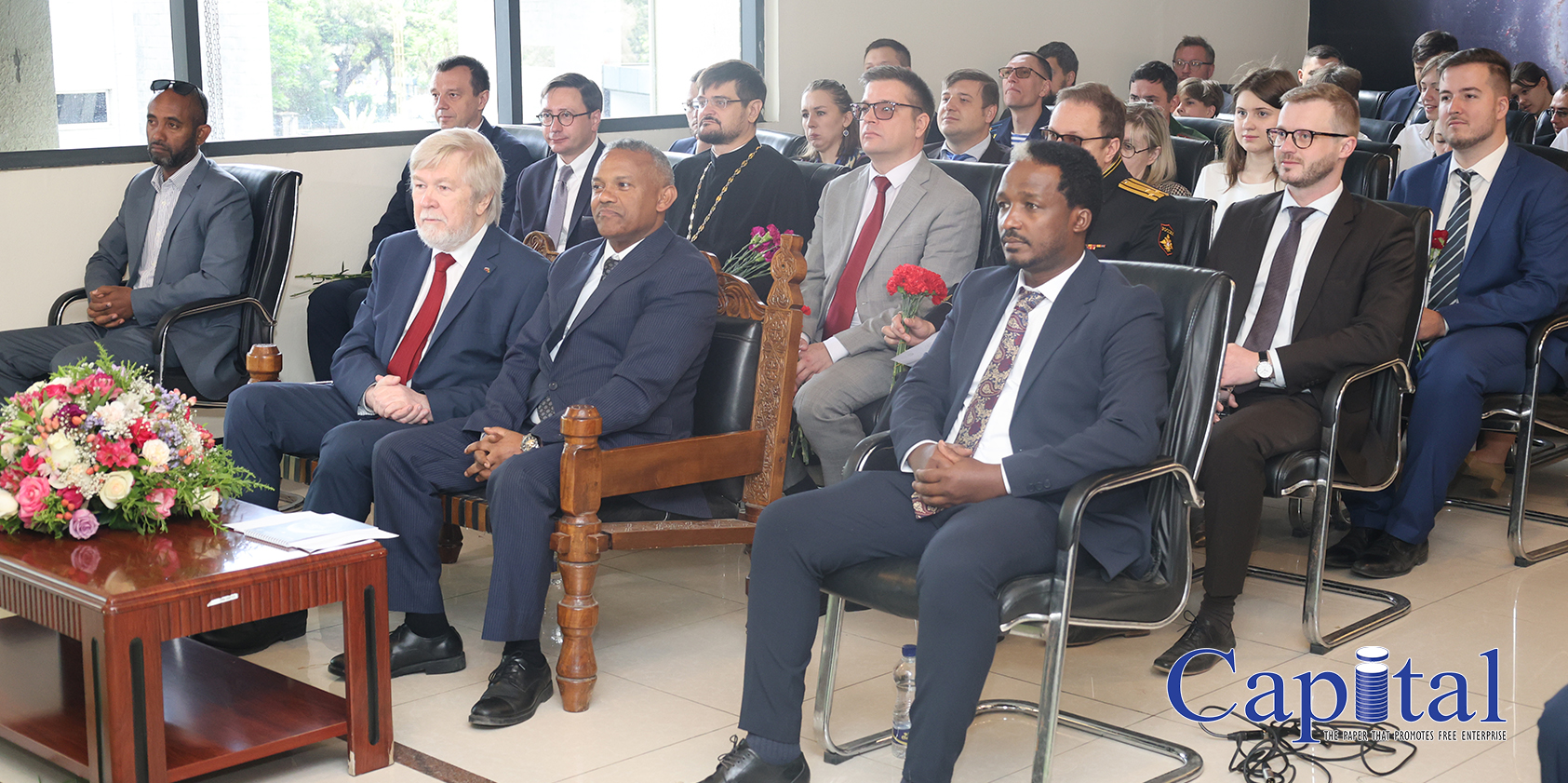
The Ethiopian Space Science and Geospatial Institute said the proposed facility would enable Ethiopian engineers to design, assemble and test satellites on home soil, reducing the need to send equipment abroad for critical technical work. The announcement was made during a Cosmonautics Day commemoration held with the Russian Embassy in Addis Ababa.
Institute Director General Abdisa Yilma said the project forms part of Ethiopia’s wider ambition to expand its role in space science and aerospace technology over the next decade. He said the country does not want only to use satellites, but to build and verify them locally.
Ethiopia has already entered the space sector with its first satellite, ETRSS-1, launched in 2019. But officials say the next phase of the program will focus on local capacity-building and the development of domestic expertise in satellite technology.
The planned center is expected to be developed in cooperation with the Russian government, with discussions ongoing between the Ethiopian institute and Russia’s state space corporation, Roscosmos, on technical and financial arrangements. Officials say the facility would combine Russian technical experience with Ethiopian scientific capacity.
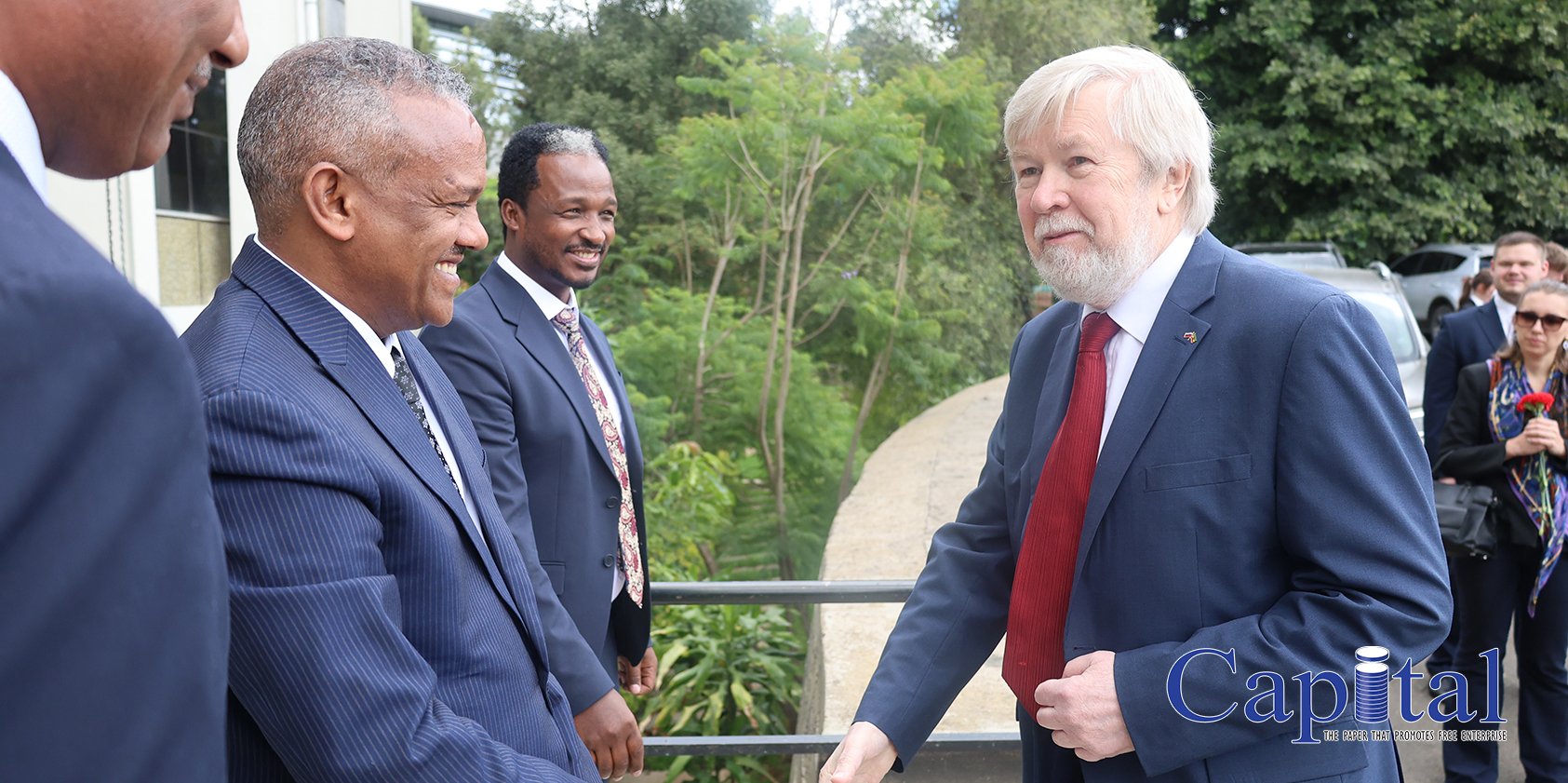
Russian Ambassador to Ethiopia Evgeny Terekhin said Moscow is ready to share its experience in space science and technology. He said the partnership reflects a broader spirit of cooperation and pointed to Russia’s long history in space exploration as a source of expertise for Ethiopia.
Officials said the proposed center could deliver both scientific and economic benefits. Ethiopia plans to launch ten new satellites by 2035, and local assembly would reduce foreign currency spending while strengthening national capabilities in areas such as crop monitoring, disaster prevention, climate data and communication systems.
The facility could also open a new revenue stream by offering satellite services and testing capacity to neighboring countries. In addition, Russia has pledged support for training Ethiopian professionals in advanced scientific and technical fields.
The event was held to mark Cosmonautics Day, which commemorates Yuri Gagarin’s historic 1961 flight as the first human in space. Officials said the anniversary serves as an inspiration for younger generations and reflects the ambition behind the proposed Ethio-Russian partnership in space technology.