The state-owned Ethiopian Electric Utility (EEU) announced it has collected USD 13.4 million in foreign currency over the concluded fiscal year, propelled by international electricity sales and payments from high-voltage industrial clients.
Presenting the annual performance report, EEU CEO Getu Geremmew highlighted a strong financial year, noting that energy-sales revenue reached 76.53 billion Birr against a target of 75.17 billion Birr.
“This achievement represents a performance rate of 101.8 percent and marks a 74.3 percent increase compared to the previous fiscal year,” CEO Getu stated, adding that the figures incorporate export earnings and foreign currency tariffs from seven high-voltage industrial consumers.
In an effort to expand energy access, EEU successfully electrified 26 remote rural kebeles and towns—previously lacking grid connectivity—through off-grid solar energy solutions.
During the fiscal year, overall 205 rural kebeles and villages gained electricity access for the first time this fiscal year—a 32.3% increase from the 155 areas reached the previous year—bringing the cumulative total of electrified rural towns and villages to 7,908.
EEU reporterd that, it had planned to connect 800,000 new customers, successfully linking 664,505 households to the grid to achieve an 83.1% performance rate. This milestone marks a 32.5% increase—adding 162,917 more customers—over the corresponding period last year. Of the new connections, 56.8% received postpaid meters and 43.2% received prepaid meters, lifting EEU’s total customer base past the 5.88 million mark.

Previously, in the 2024/25 fiscal year, the EEU collected a total revenue of 63.12 billion Birr, with 43.9 billion Birr generated directly from electricity sales. During that preceding period, the utility purchased 15,000 gigawatt-hours (GWh) of electricity from Ethiopian Electric Power (EEP), successfully delivering 97.7% of that supply to consumers and achieving a collection efficiency of 96.7%.
To satisfy growing domestic and international demand, EEU planned to purchase 18,323 gigawatt-hours (GWh) of bulk power from EEP. “The utility successfully procured and distributed 18,319 GWh, achieving a 100.5% performance rate as overall power demand grew by 15.5% year-on-year” the CEO stated.
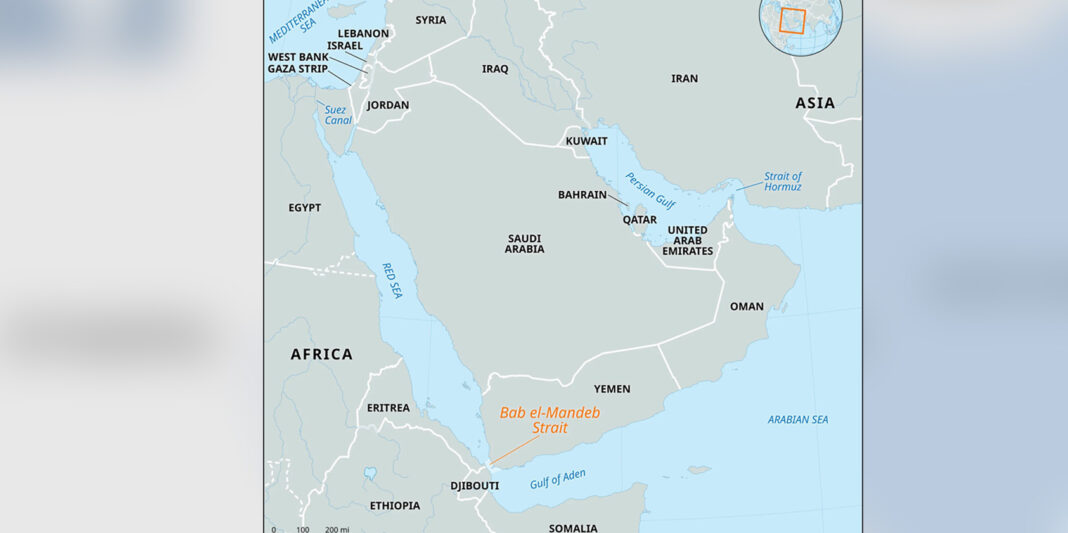
According to the report, EEU supplied 497 GWh out of its 500 GWh export target to Kenya, marking a 99% performance rate. Facilitated through the Ethiopia-Kenya 500 kV HVDC converter station—a USD 1.26 billion transmission line spanning 1,060 kilometers with a 2,000 MW capacity, primarily financed by the World Bank and African Development Bank—EEU currently supplies 265 megawatts (MW) of electricity daily to Kenya under a bilateral power purchase agreement.
Kenya has significantly escalated its power imports from Ethiopia, reaching 1,274.42 GWh by June 2025. This surge is largely driven by cost efficiency: Nairobi has increasingly favored Ethiopia’s competitively priced hydropower—costing roughly USD 0.066 per kilowatt-hour—over thermal power alternatives that can soar up to USD 0.23 per kilowatt-hour.
Meanwhile, revenue generated from new customer connection services reached 39.23 billion Birr, surpassing the 37.74 billion Birr target for a 103.9% performance rate.
Out of total power sales revenues, EEU disbursed 48.42 billion Birr to EEP for bulk energy procurement. Standard operational expenditures stood at 19.59 billion Birr, or 87.4% of the targeted 22.42 billion Birr. Notably, the utility fully covered 100% of its regular budgetary expenditures using internal revenues.
Getu emphasized that, the utility capital expenditure utilization reached 65.58 billion Birr (71% of the 92.25 billion Birr target), reflecting a 38.5% year-on-year increase. Combined standard and capital expenditures totaled 133.59 billion Birr, financed primarily through internal revenues (80.6%), government allocations (2%), foreign grants (16.2%), and foreign loans (1.2%).