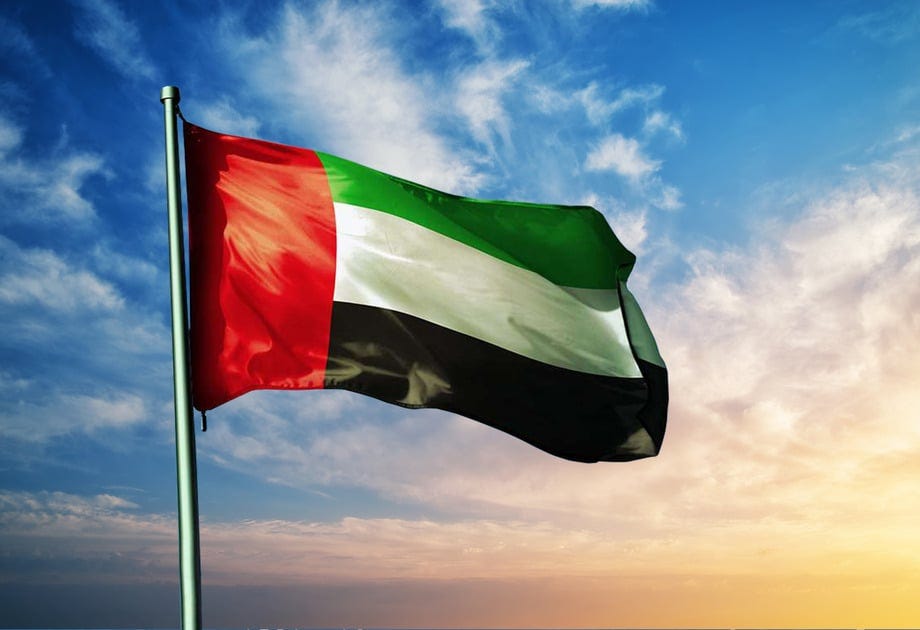
The geopolitical and economic architecture of the twenty-first century is being reconfigured toward South-South partnerships built on mutual prosperity. At the centre of that shift is the expanding relationship between the United Arab Emirates and the African continent — one that has moved well beyond historical trade routes and commodity exchange into capital deployment, logistical integration and next-generation innovation.
Speaking to Capital in an exclusive interview, HE Dr. Thani bin Ahmed Al Zeyoudi, UAE Minister of Foreign Trade, put the trajectory plainly: “The state of UAE-Africa relations is the strongest it has ever been. Ethiopia is a powerful illustration: bilateral non-oil trade surged threefold to US$6.2 billion in 2025.”
For Ethiopia, that figure sits alongside a wider set of commitments in capital, connectivity, energy and skills, the four areas where the partnership is now being tested.
Capital and commercial frameworks
Between 2012 and 2022, Foreign Direct Investment from Gulf Cooperation Council states into Africa totaled $101.9 billion across 628 projects, with the UAE capturing the lion’s share. Between 2020 and 2024, UAE investment commitments surged past historical averages, establishing the Emirates among the continent’s premier economic partners.
That capital is anchored by institutional frameworks designed to facilitate commerce, including Comprehensive Economic Partnership Agreements forged with key nations across Africa to streamline market access and deepen commercial integration. For Ethiopia, which maintains a multifaceted and rapidly deepening relationship with the UAE, these mechanisms have translated into economic momentum.
Connectivity and trade corridors
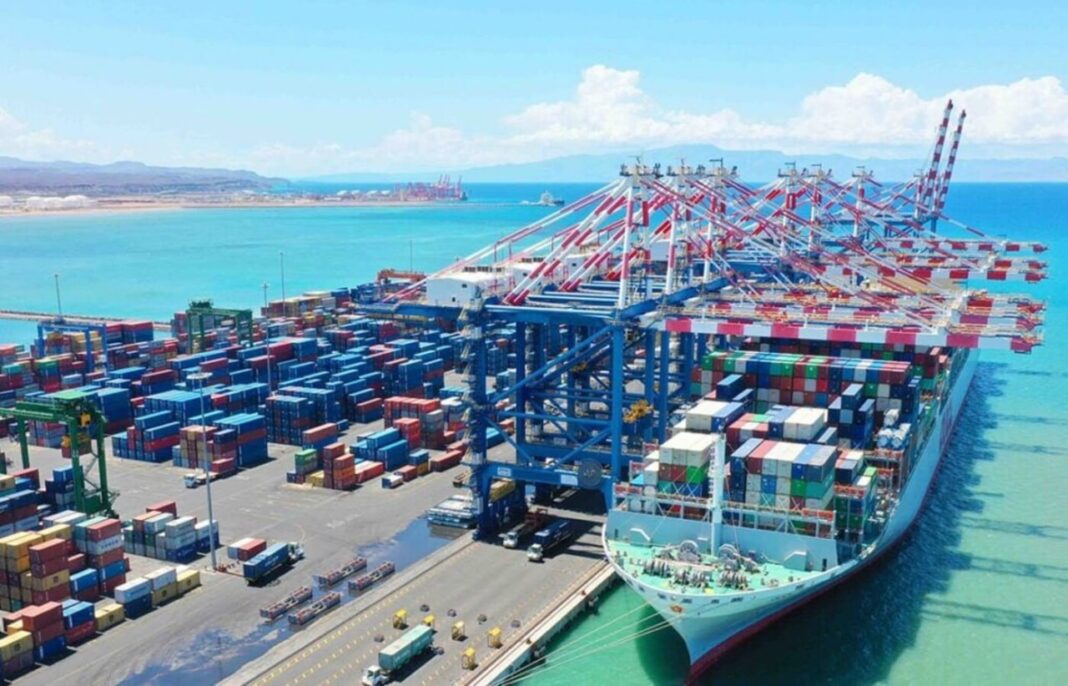
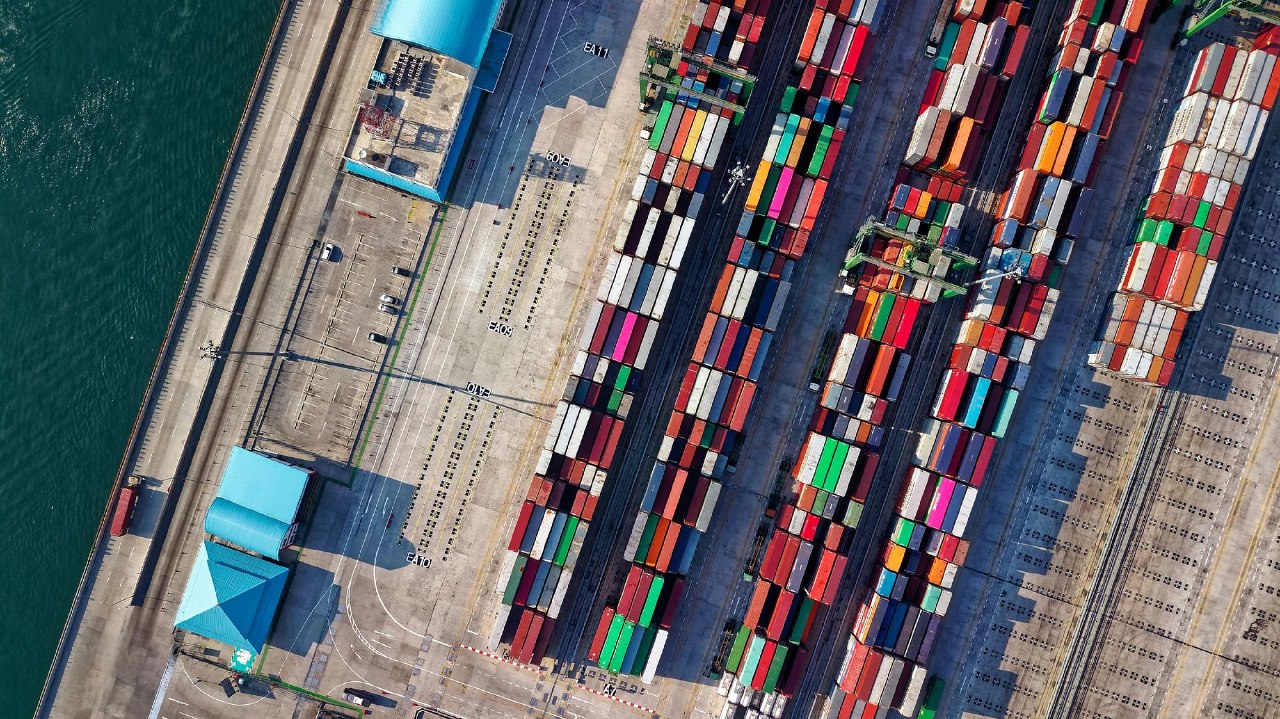
Economic potential relies on physical connectivity, and infrastructure remains a key pillar of Africa’s participation in global value chains. Emirati state-linked logistics groups, specifically DP World and AD Ports Group — have led modernization projects across maritime and overland corridors, operating multiple strategic ports across the continent.
Supply chain security is central to keeping those corridors open. Dr. Thani described the approach: “The UAE has invested in a distributed logistics model: multiple ports, multiple modes, and multiple corridors, ensuring no single chokepoint can significantly disrupt connectivity.”
For landlocked economies such as Ethiopia, expanded corridors and diversified routes reduce transit costs, improve export competitiveness and strengthen regional integration.
Energy and green industrialisation
Africa possesses roughly 60% of the world’s premier solar potential, alongside substantial wind, hydro and geothermal reserves. The UAE is bridging generation capacity gaps through clean energy operators including Masdar and AMEA Power, backed by the $10 billion Masdar clean energy deployment program and the $4.5 billion Africa Green Investment Initiative.
In Ethiopia, that is already materializing through AMEA Power’s wind project in the Somali region. Beyond supplying power, these projects lay the groundwork for green industrialisation, enabling African economies to process their own resources rather than export them raw.
Skills and digital capability
Sustained growth requires investment in minds as much as in infrastructure. With artificial intelligence and digital transformation set to shape future competitiveness, the UAE and its African partners are aligning around a knowledge-based model. Africa accounts for a growing share of global innovation investment, and digital innovation could contribute significantly to the continent’s economy over the decade.
In Ethiopia, where the vast majority of the population is under 25, this is a demographic question as much as an economic one. Programs focused on digital skills offer a scalable route to equipping that generation with advanced technological capability.
A partnership built to last
The relationship has matured into a multi-dimensional strategic axis. Combining capital, technology and logistics with Africa’s demography, resources and reform-driven economies, the UAE and African nations are building a cooperative model for the long term. For Ethiopia and the wider continent, anchoring that cooperation in economic transformation, energy security and digital innovation offers a pragmatic pathway to shared prosperity.