Platform aims to expand beyond digital identification to include certificates, licences and land records
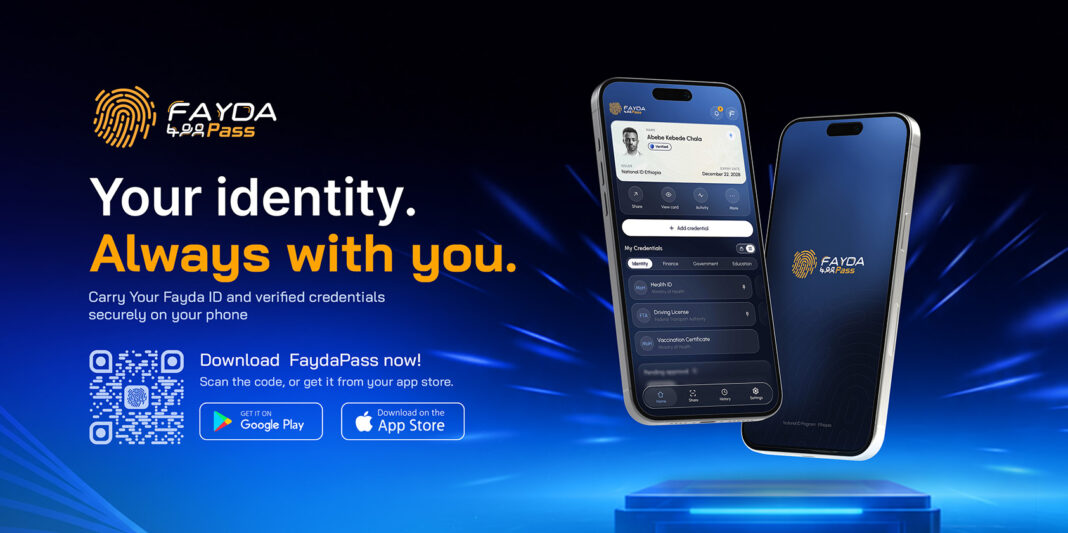
Faydaverse is seeking to expand its FaydaPass digital wallet to include more government-issued documents, allowing Ethiopians to access, store and verify official credentials through a single platform.
The initiative aims to move beyond digital identification by incorporating educational certificates, driving licences, land records and other official documents into the national digital credential ecosystem.
Abiy Solomon, senior communications and media specialist at Faydaverse, told Capital that the platform is intended to become a central hub for citizens’ official documents, reducing reliance on paper records and simplifying access to public services.
FaydaPass connects three main participants: institutions that issue credentials, individuals who hold them and service providers that verify their authenticity. The system is designed to integrate with federal and regional institutions, allowing authorised organisations to issue and authenticate documents digitally.
Through the application, citizens would be able to access, renew and verify their credentials remotely, without repeatedly visiting offices to obtain or submit physical documents, Solomon said.
Oli Yemane, FaydaPass project manager, said the platform would reduce the need for citizens to visit government offices repeatedly to collect documents or submit physical copies.
Faydaverse said nine government institutions have joined the initiative, including those responsible for trade and transport, while discussions are under way with institutions in education, agriculture and land administration. The traffic administration sector is also working towards integrating its services.
The project is working with public institutions that provide services directly to citizens, with the aim of reducing administrative procedures and the need for physical visits.
The expansion is expected to enable citizens to present verifiable digital qualifications, licences and other official records when accessing government and private-sector services, reducing opportunities for document forgery.
Beyond document storage, the platform is designed to support secure credential sharing, digital authentication and privacy-conscious information exchange. Planned capabilities include electronic signatures, delegated access and consent management, giving users greater control over how their credentials are shared.
Faydaverse is also seeking to expand the platform’s use among businesses, financial institutions, employers and educational organisations.
Citizens currently access FaydaPass using their Fayda digital ID, and the service is free of charge, according to Solomon.
However, the wider rollout will depend on government institutions and other service providers integrating their systems and beginning to issue and verify digital credentials through the platform.