The development partners’ disbursement during the 2019/20 fiscal year increased by 20 percent compared to the preceding year, a new report of Ministry of Finance (MoF) reveals. Because of the debt burden, the infrastructure sector disbursement has declined in the second Growth and Transformation Plan (GTP II).
During the stated period development partners disbursed a total amount of USD 4.7 billion for 317 projects/programs implemented with the government, which resulted in the achievement of international commitments, 2030 agenda of Sustainable Development in general, and home grown economic reform agenda.
Meanwhile, there was the amount mentioned on the above during the period in total USD 5.5 billion was disbursed by development partners to several ongoing projects/programs.
However, as per Ethiopia’s SDG Need Assessment (2019), between 2020-2025 official development assistance (ODA) amounts of USD 8 billion per year (on average) is required to meet the Sustainable Development Goal (SDG) financing need, according to MoF report.
The disbursement during the reporting period increased by 20 percent when compared to 2018/19 fiscal year (USD 3.9 billion) and by 75 percent when compared to 2010/11 fiscal year (USD 2 billion).
The 9th annual development cooperation report of MoF indicated that generally, during the GTP II period disbursement increased on average to USD 3.6 billion from of USD 2.8 billion an average disbursement during the GTP I period.
It added that during the GTP II period, the economic sector disbursements has doubled, which is mainly due to support to the economy through policy reform program from International Development Association (IDA), France, Germany, and USD 3.38 billion disbursement for 110 agriculture sector’s new programs/ projects.
“Additionally, disbursement to one of the core drivers of the economy, the industry sector, also increased by three-fold. During this period, disbursement to the service sector (water, health, and education) overall increased by 7 percent when compared to GTP I,” it explained.
On the other hand, the disbursements made to the infrastructure sector (energy and transport) decreased, which is mainly due to a decline in China’s disbursement to the energy sector programs especially between 2016/17 and 2018/19 fiscal year.
This decrease in disbursement was due to Ethiopia’s debt burden to China. But while that remains true, all multilateral maintained their disbursement for the sector during this period.
In terms of fragmentation of development cooperation, Herfindahl Index indicated that aid to Ethiopia is fragmented that Ahmed Shide, Minister of Finance, underscored on his message at the report that development partners to support to ease the fragmentation on the aim to attain reduce unnecessary costs and to focus on achievement of execution on higher level.
The report said that aid fragmentation has been slightly improving from 0.13 in 2010/11 fiscal year until it reaches 0.23 in 2017/18 despite a decline to 0.15 in 2019/20, which is the last year of GTP II.
Similarly, the composite index indicates that, agriculture sector is the most fragmented sector. “It shows agriculture sector is the sector with the highest number of intervention and development partners since it maintained 103 programs and 24 development partners, during the reporting period,” it explains “Therefore, a great effort is required to ensure lower program transaction costs if development cooperation funds are to be effectively utilized and deliver results.”
During the 2019/20 fiscal year, twenty-five development partners signed a new program and project financing agreement with the government to implement 115 programs/projects with a total amount of USD 3.6 billion.
Among those 77 projects with USD 3.2 billion were new while 37 projects/programs with USD 506 million were additional financing for ongoing programs and projects. Out of the total commitment, 53 percent was a grant, 43 percent loan and the rest 4 percent was technical assistance.
Multilateral and Bilateral institutions provided 56 percent and 44 percent of the total commitments respectively.
During the period, USD 5.5 billion was disbursed by development partners to several ongoing projects/ programs.
Out of that total amount, USD 4.7 billion was for 317 projects/ programs implemented by the government along with 36 bilateral and multilateral development partners. While the rest of USD 0.8 billion was disbursed through NGOs and state actors of humanitarian activities like National Disaster Risk Management Commission.
Disbursements, which channeled through the government, were 4.4 percent of the GDP. The report explained that the increase in disbursement during the fiscal year was mainly due to the disbursements made to the development policy reform financing from the World Bank (WB), France and, Germany, as well as due to the disbursements for COVID-19 policy responses made from International Monetary Fund and WB.
Out of the total development assistance channeled through the government (USD 4.7 billion), USD 2.6 billion or 52 percent was channeled through the government treasury. Out of the total development assistance channeled through treasury (USD 2.6 billion), USD 1.4 billion was direct budgetary support for the second Development Policy Financing and COVID-19 policy response from multilateral and bilateral partners mentioned above. The remaining USD 1.2 million was for 13 channel one programs.
Multilateral and Bilateral development partners disbursed a total of USD 3.5 billion (74 percent) and USD 1.3 billion (26 percent) for the implementation of 167 and 216 programs/projects respectively.
It said that bilateral development partners’ disbursement has increased by 20% when compared to that of the previous year. This is mainly due to an increase in disbursement for Chinese programs/projects, which were held back due to Ethiopia’s debt burden. And also due to new disbursements from France and Germany for policy reform financing.
International Financial Institutions (IFIs) disbursement similarly shows an increase of 22 percent when compared to 2018/19 fiscal year, while UN agencies and EU contributes 4.4 percent and 2.4 percent respectively.
Deciphering Ethiopia’s growth and transformation
The urgency for crude palm oil
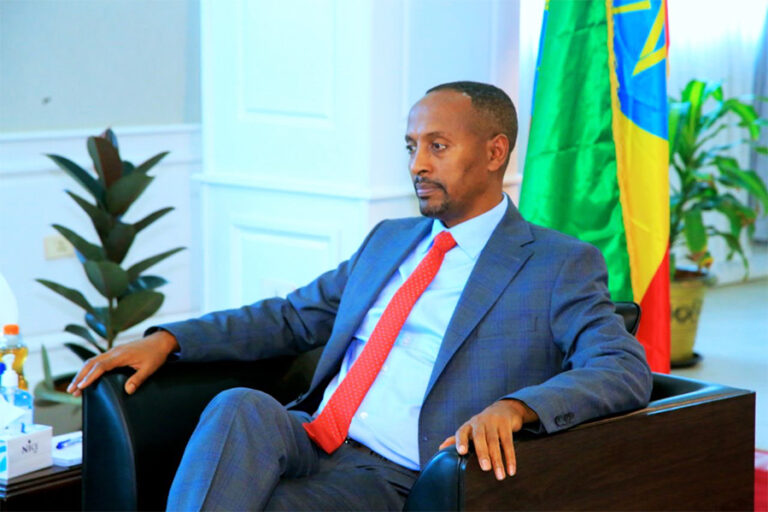
Ministry of Trade and Industry has asked the National Bank of Ethiopia to provide foreign currency to crude palm oil importers as priority. There are two industries importing crude palm oil in the country and according to Melaku Alebel, Minister of Trade and Industry, there is a plan to increase the number to five.
“Currently, 232 oil industries in the country are using 37 percent of input material crude palm oil, however there is huge shortage of input of materials which exacerbates the shortage of oil in the market,” said Melaku, adding, “As a short term plan to stabilize the market, the ministry has planned to increase importing palm crude edible oil.”
As Melaku said, government subsidizes crude palm oil imports as palm oil to make it more affordable to the majority of the population.
“We focused on the crude because it is less costly from the processed one,” said the minister adding that, “Producing crude edible oil here is our big vision which will create more jobs for many people in addition to stabilizing the market for edible oil which is currently dependent on imports.”
According to the ministry of trade there are 232 oil industries in the country, 26 big industries and 206 medium and small industries. Together the industries have capacity to produce 1.25 billion liters of oil annually where the national consumption is 906 million metric ton annually, however as a result of shortage of input most of the industries are working under their capacity can’t meet the demand. Meanwhile only 40 percent of the total demand is currently covered by local edible product.
The minister speaking this week at a forum that focused on the country’s edible oil related issues explained that the total number of active edible factories in Ethiopia has doubled in the past few years.
“Since some are under construction, when all of these edible oil factories become operational in a few years, the country is likely to substitute cooking oil imports more and more with local production and in the long-term, it should drive increased production of oilseeds locally,” insisted the minister.
Also local production of oilseeds cannot meet raw materials demand for the local food processing industry, and this is stated as one of the challenges in the local production of edible oils. The Ministry of Trade and Industry and the Ministry of Agriculture have also promised to give land within one month to oil producers to cultivate oilseeds in collaboration with regional governments. The ministries plan to do so before the rainy season ends.
“The government is assisting farmers in planting large pulse and oilseed plants on suitable land to reduce edible oil imports,” said Umer Husen, Minister of Agriculture, adding that, “The country has huge capacity on producing oilseeds, there are huge industries but still there is huge oil shortage problem in the country, thus it requires an integrated work of all stakeholders.”
Oilseed production covers only 2.7 percent of the total production which is 6.61 percent of cultivated land from the total cultivated lands. Similarly, both new and old factories are facing challenges with input material. Local production of edible oils in fiscal year 2020/21 (July to June) is forecasted at 63,000 MT. Niger seed, cottonseed, soybeans, and sunflower seeds are used mainly to locally produce cooking oils.
Total edible oil consumption in fiscal year 2020/21 (July to June) is projected at 630,000 MT, of which 90 percent is imported. Most of the oil consumed is palm oil. To this end, the country is encouraging investment in the edible oil manufacturing sector to expand productions and substitute imports with local production.
OFAG spots irregularities in administering public resources
The Office of the Federal Auditor General (OFAG) has come up with another finding on mismanagement of public resources at public offices.
The finding on the 2019/20 budget year that OFAG presented in parliament early this week shows that there are several irregularities related with administering public resources.
Accrued tax and duty that supposed to be collected by branch offices of Ministry of Revenue and Customs Commission has found on the audit investigation. It stated that the amount that is not connected is over 7.7 billion birr.
It added that 390 million birr revenue from different tax sources is not amassed as per the requirement given by law for the tax collection authority.
OFAG also identified that there are areas that Customs Commission to improve on contraband administration and establishment of well organized information data base on the operation to control the illegal business.
In related with the law enforcement measure on contrabandists there is also gaps that should be correct.
According to the audit finding, 7.5 billion birr is not accounted for from 90 public offices and 11 branches in the stated budget year. National Disaster Risk Management Commission, Ministry of Health and Ministry of Innovation and Technology stood at the top this gap.
On its finding OFAG underlined that 60 public offices and nine branches have conducted procurement worth 1.2 billion birr that is against the procedure stated on the procurement proclamation. Of the stated amount over 753 million birr is aligned with Ministry of Technology and Innovation, and the 254.8 million birr is connected with Public Procurement Property Disposal Service.
62 offices and 11 branches have settled close to 97 million birr payments against regulation and directives. It has also shown that about 29 million birr has been paid without evidence.
On its 61 page report OFAG has mentioned several audit gaps including those related with performance audit.
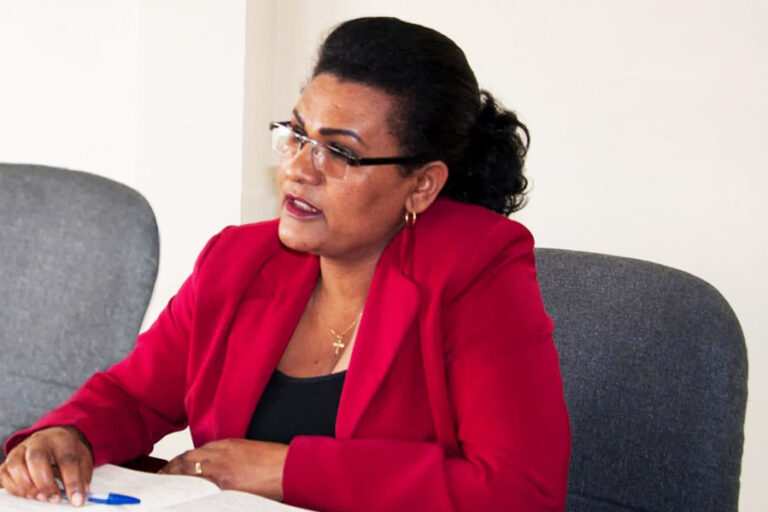
Meseret Damtew, Deputy Auditor General of OFAG, said that there is a tendency of some public offices and enterprises resisting to be audited thus parliament should correct it.
At the session members of parliament expressed their anger on the gaps that are seen at public offices for several years. One of the representative said that relevant government officials should appear and provide explanation for the gaps that are identified on the audit.
The Deputy Auditor insists correction measures must be taken on responsible bodies who are involved on the irregularities.
Infrastructure development key to promoting trade, gender equality, peace and security
Infrastructure development key to promoting trade, gender equality, peace and security
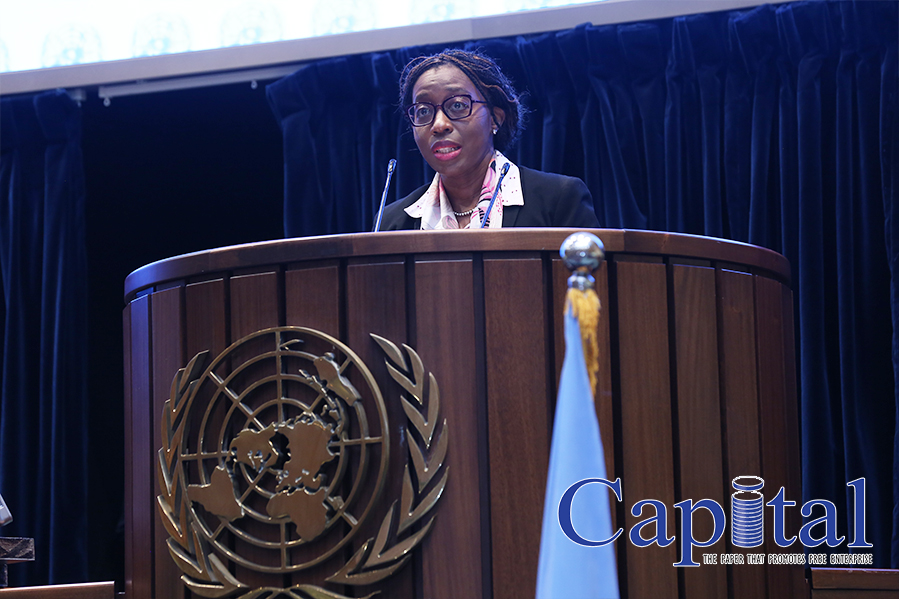
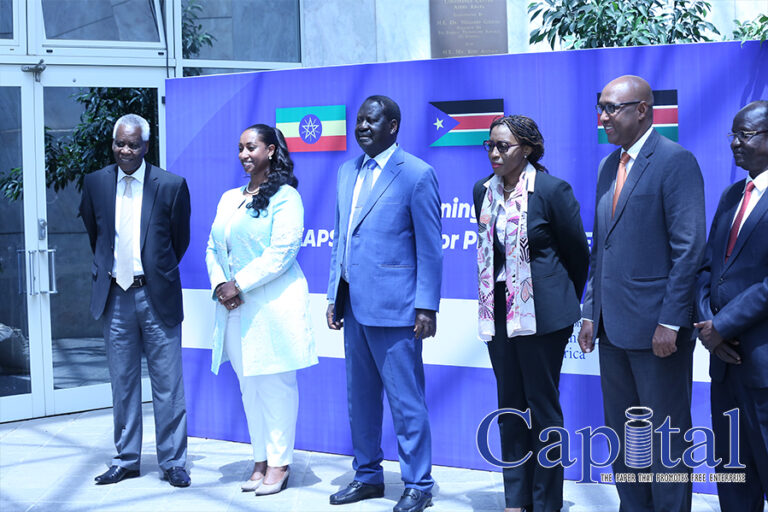
The Economic Commission for Africa (ECA) said that it will continue to support the LAPSSET Corridor Infrastructure Project linking the East African countries of Kenya, Ethiopia and South Sudan with the potential of increasing trade, peace, security and women’s development, its Executive Secretary Vera Songwe said on Monday.
In a speech at a ministerial meeting to inspect projects under the corridor in Addis Ababa, Songwe said the ECA was supporting the project, which connects the three countries by roads, rail and ports, not just as an infrastructure project but as a gender project that would see women traders benefit from lower costs of doing business that the facilities would engender.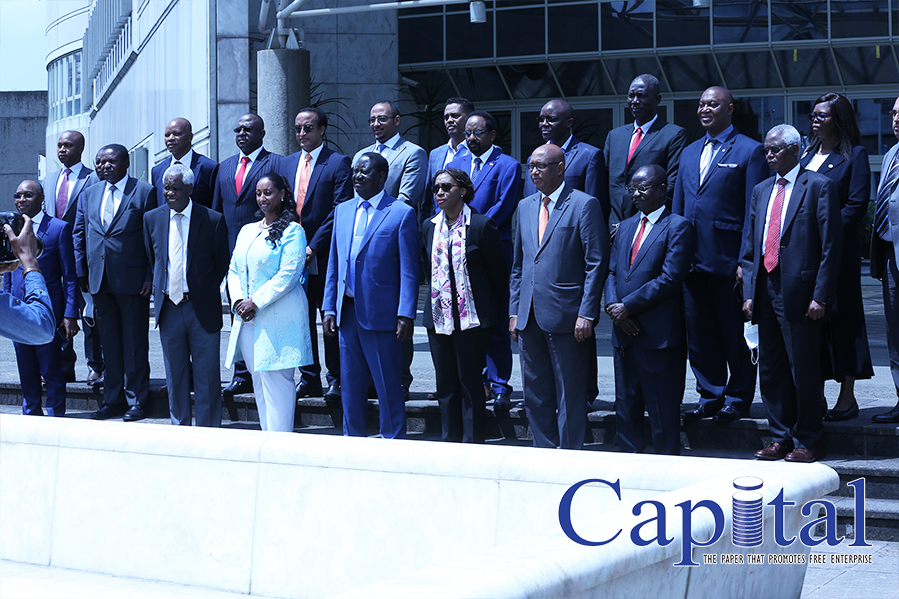
“Women on our continent are those who trade the most, they are those who do a lot of the cross border trading,” she said, adding that it was particularly important that logistical services to ensure that they traded well were put in place.
She also expressed the hope that beyond resolving the logistical challenges to trade, the project would provide desperately needed peace and security, especially in the border communities of northern Kenya, southern Sudan, as well as Kenya and Ethiopia.
“There is clear evidence that countries that trade together and are interlinked by infrastructure are also peaceful countries that grow together and essentially benefit from peace and security together,” she said.
On the African Continental Free Trade Area (AfCFTA) which commenced trading in January, Songwe said it “cannot and will never deliver on its promise if we do not have the infrastructural logistics that can connect our peoples and our countries.”
The African Union (AU) High Representative for Infrastructure, Raila Odinga, in his own remarks, said the LAPSSET project was a “vital cog in the desired wheel of continental connectivity for trade and movement of goods, people and services” whose realization must not delay any further.
Also, Transport Minister Dagmawit Moges called on development partners and regional economic communities for support to realize the goals of the corridor, while Kenya’s Cabinet Secretary for East African Community and Regional Development Adan Mohammed said the project would play a big role in reversing the challenges posed by poor infrastructure to the region’s development.