Wednesday, April 1, 2026
Home Blog Page 3490

The structural threat of poverty and inequality to the Arab Region

continued from last week

Arab governments and their external sponsors tend to prioritize the wrong threats. Most Arab governments continue to introduce superficial reforms in pivotal sectors such as education, employment, and anti-corruption, but their efforts mostly remain unsuccessful or limited in their impact. Simultaneously, the broader Arab trend in most countries since the end of the Cold War around 1990 sees steadily increasing pauperisation, vulnerability, perceived injustice and helplessness, and disparities.
Long-term, cross-generational poverty now seems inevitable for families that suffer short-term setbacks in their income, because most Arab states are unable to generate the new decent jobs or provide the social services required to pull poor and vulnerable families out of their miserable condition. Recent studies indicate that the Middle East is the most unequal region in the world, with the top 10 percent of its people accounting for 61 percent of wealth, compared to 47 percent in the United States and 36 percent in Western Europe. Inequalities are documented in virtually every sector of life and society, including rural/urban, gender, income, ethnicity, and others, suggesting that this has become a deeply engrained structural problem rather than a fleeting phenomenon due to short-term economic stresses.
Poverty, vulnerability, and inequality have converged into a single dynamic that is deeply anchored in existing economic realities and state policy deficiencies that show no signs of changing appreciably, and consequently they will be difficult to reverse in the short term. The 2018 ESCWA and Economic Research Forum report indicated that some Arab countries, including Egypt, have even reversed decades-old recent trends and registered a rise in fertility rates in the past five years, which will increase the demographic pressures on economic and social systems that have been unable to keep pace with population growth even when fertility rates were declining in recent decades. According to the report, an estimated nine million Arabs are born every year, nearly two million in Egypt alone, all of whom will need education, health services, housing, water, and jobs that the Arab states already are unable to provide to the existing population.
Beyond the pain that this situation brings to poor and vulnerable families is the additional dangers that societies suffer, such as fragmentation, political instability, social, class, and sectarian tensions, citizen alienation from the state, and sometimes political violence, criminality, or illegal migration. External powers have done little to address these massive social and economic problems, and in most cases have supported regime policies which make them worse.
Jordan offers a timely example of how social, economic, and political stresses on families lead to wider tensions in society, ultimately generating serious splits between citizens and their state. From the late 1990s to 2018, for example, Jordanians significantly increased their perceptions of injustice and inequality in their lives, especially their treatment by the state and its institutions. Data from polls by the respected local consultancy NAMA, directed by Dr. Fares Braizat, shows those who say that justice does not exist in their lives increased from 8 to 24 percent in that period, and the perception of inequality increased from 10 to 30 percent.
These sentiments are especially high in rural areas and among those who migrated from rural to urban centers in recent decades; most of these citizens depend on state employment or other state-related income, have not benefited from private sector investments or jobs, and increasingly in recent decades have found themselves unable to meet their basic family needs. Polls by NAMA and the Center for Strategic Studies at the University of Jordan reveal some disturbing trends in family-level economic and political distress, including the critical perceptions of injustice that seem to be a crucial driver of anti-government protests.
Jordanians who see no justice in their lives increased from 40 to 46 percent in just the four months between June and September 2018, two-thirds of citizens feel the country is moving in the wrong direction, 72 percent of households said they could not meet their basic expenses, compared to 42 percent in mid-2011, and two-thirds of households reported their economic situation is worse than it was a year ago. The inability to meet basic household needs, or barely to do so but without being able to save any money, is also mirrored in regional polls by the Arab Barometer and the Doha-based Arab Center for Research and Policy Studies, both of whose pan-Arab surveys indicate around 70-75 percent of families cannot afford to pay for their most basic needs.
Protests in the past year in Jordan and across the entire Arab region including Sudan, Algeria, Iraq, Tunisia, Lebanon, and other lands, indicate fact that citizens are stressed by a debilitating combination of political and socio-economic factors in their lives. Many suffer from precarious socio-economic conditions as well as their lack of political power to address compelling issues like corruption, political accountability of the elite, and being treated with disdain by their state. The most dramatic example of the latter was the desire of the Algerian ruling elite to nominate President Abdelaziz Bouteflika for a fifth consecutive term, despite his near comatose physical and mental state, which makes a mockery of the presidential election being an opportunity for citizens to voice their political views.
Rami Khouri of American University of Beirut stated that these powerful internal forces of discontent and public protest by large numbers of citizens across almost the entire Arab region have already started to impact on their states’ foreign policies and international relations, in several ways. In many situations where millions of citizens suffer sustained poverty and marginalization that leads to alienation from their state and society, large numbers of them (especially unemployed young men) join the reservoirs of vulnerable people who are easily recruited into militias, terror groups, and other organizations that impact both domestic calm and foreign relations.
In some cases discontented citizens mobilize to vent their anger at their countries’ policies towards Israel, as happened in Jordan in 2018, when the King succumbed to public pressure and rescinded a clause in the 2004 peace agreement with Israel that allowed Israel to maintain control of a few patches of Jordanian land in the Jordan Valley. Turbulent conditions triggered by large numbers of dissatisfied citizens also prompt many of the best educated among them to emigrate, thus depriving the country of precisely the youthful talent and energy it needs to overcome its lingering socio-economic stagnation and political stresses.
Finally, when governments increase and harden security controls on their citizens in order to ensure “stability”, as many Arab countries have done since 2011, the result is usually the opposite. Popular discontent rises, the ruling elite expands its powers and clientelist networks, economies lumber along without significant new growth or investments, the state relies more and more on external security and financial support to survive, and the cycle of pent-up discontent that exploded in the 2010-11 uprisings starts to build again. This should prompt scholars of international relations, along with the ruling elites of the Arab states in question, to examine more closely the worsening internal conditions of these countries, especially the mindsets of hundreds of millions of citizens whose attitudes and actions ultimately will determine the fate of their societies and the direction of the entire region.

Signs You Don’t Make Enough Money and Overcoming the Problem

0

At a certain stage of life, every person may feel the lack of money. Probably, one has spent too much on unnecessary items or the level of income is insufficient to cover all the must-pay bills. Unfortunately, this can be even both. It is not necessary to rush into finding an FX broker and investing all the money remaining in your bank account. Start with a proper analysis of the reasons, check the proposed strategies, and look for a wise way out of the financial crisis you are facing. Here are the signs of low income and possible solutions.

●    Monthly Use of Credit Cards

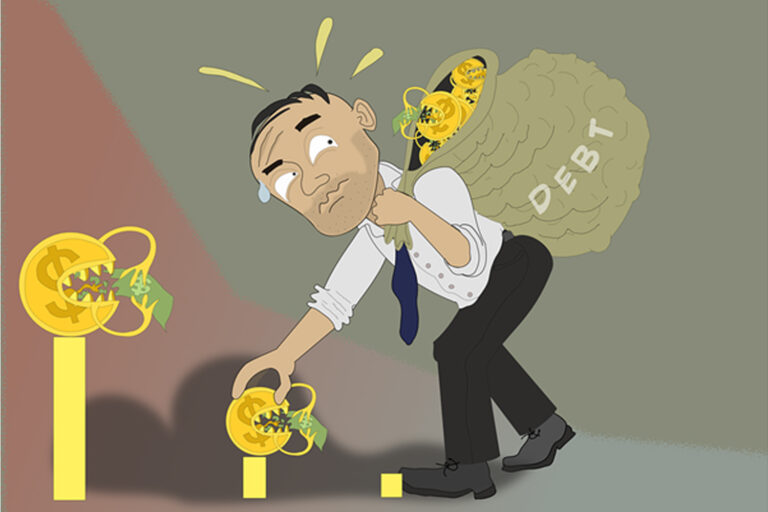
Have you noticed that in the middle of every month, you need to use a credit card to pay in a grocery store, as well as to cover some bills? Probably, you are used to spending more than you afford. Or the monthly income is insufficient. To understand the main reason for this is to stop using credit cards. At first, this seems a great way out of any financial difficulty. However, with a growing interest on your debt, you will need one more loan to cover this credit. Using credit cards regularly is the beginning of a vicious circle that should be torn immediately.

●    There Is No Money by the Middle of the Month

This is the reason why you are forced to use credit cards. If you need to struggle to survive until the end of the month and make ends meet, this is the sign of insufficient income. One may start thinking about ways to increase the level of income. Looking for a new job or asking for a raise can help you get out of the financial difficulties you are in. Among possible solutions, one can also start working on an additional project, learn the principles of Forex trading to start making money on the stocksexchange or get the second job.

If you have understood that there is a lack of qualification that stands between you and a highly-paid job, it makes sense to consider getting an education to apply for a well-paid position. This is a long-term solution, however, a sure-fire way to get out of the financial crisis challenging you now. Have you ever dreamt of becoming a broker? This can be the time to make dreams come true and get the chance to increase your income at the same time.

●    You Cannot Pay All the Monthly Bills

Lots of people feel that the burden of bills is sometimes unbearable. However, if you face the same challenge to choose which of them you are going to pay this month while leaving some of them for the next, this is the sign that the money you make is insufficient for necessities. Be sure that you have carefully checked your expenses. It is important to cut the luxuries and save as much as possible. Give preference to cheaper meals cooked at home instead of going out. Buy only the items you really need and consider using the services of companies with more budget-friendly rates on the market.

●    You Cannot Cope with an Emergency

Having no emergency funds leads to the situation that you are forced to use credit cards to pay for an unexpected repair bill. As the debt accumulates, while the emergency fund does not, this will cause the domino effect. Coping with one emergency, you get yourself into another one. Start saving money for an emergency fund. This may sound surprising, however, having a back-up fund will help get out of difficulties without getting into debt. Begin with a mere $50 saving per month trying to gradually increase it.

●    There Is Nothing Else to Cut

You have already forgotten about eating out, you buy meat only twice per week, and go to the cheapest barber in the neighbourhood, however, you cannot still make ends meet. What is more, just a thought about getting a bill makes you worry and leads to nightmares. This is the most evident proof of having an insufficient income. When everything is strictly cut and there is not enough money to cover living expenses, it is necessary to look for another source of income. In the meanwhile, it makes sense to set a bare-bone budget that will help you survive during the transition period.

Having financial difficulties is normal for all people. The most important is to take one’s time to evaluate the situation and find the right way out of it. Every crisis is the best time to take steps that will lead you to wealth and success.

Liquidity: Managing Cash Flow When Revenue and Funding Dry Up

0

Join Top African Business Leaders Online for Four-Part Webinar Series

Africa.com has convened the largest ever gathering of Africa’s CEOs, managing directors, finance directors, private equity and venture capital investors, bankers, asset managers, corporate law partners, senior executives and diplomats.  Over 8,000 business leaders from 81 countries – 41 countries on the continent and 40 countries throughout the world, registered for Africa.com’s “Crisis Management for African Business Leaders,” a four-part webinar series hosted by Africa.com and faculty from Harvard Business School.

The next session of this weekly series will take place on April 22, 2020 at 15:00 South African time, on the topic of Liquidity: Managing Cash Flow When Revenue and Funding Dry Up.

Speakers include:      SimTshabalala, Chief Executive, Standard Bank Group

KunleElebute, Chair, KPMG, Africa

WelelaDawit, CFO, GE Africa

AdmassuTadesse, Chief Executive, TD Bank

Teresa Clarke, Chair & CEO of Africa.com said, “When we surveyed the 8,000 registrants for the webinar series, liquidity was the number one concern.  Business leaders are worried about how they will fund their companies when their revenues have plummeted.  African business leaders are also very concerned about how they can support their employees, their communities and their nations when their own resources are drying up.”

The webinar series features panel discussions led by faculty from Harvard Business School, in conversation with African business leaders including:

  • Sola David-Borha, Chief Executive, Africa Regions, Standard Bank
  • WelelaDawit, CFO, GE Africa
  • KuseniDlamini, Chair, Massmart
  • KunleElebute, Chairman, KPMG Africa
  • NolithaFakude, Chairman, Anglo-American Management Board
  • Foluso Phillips, Chair, Phillips Consulting
  • FunkeOpeke, Founder and CEO, MainOne
  • Jay Ireland, Former President and CEO, GE Africa
  • AdmassuTadesse, Chief Executive, Trade and Development Bank
  • Fred Swaniker, Founder & CEO, African Leadership Group
  • SimTshabalala, Chief Executive, Standard Bank Group
  • Rob Shuter, President/CEO, MTN Group Ltd.


More information and free registration at virtualconferenceafrica.com.

Prices slump as corona virus hits market

0

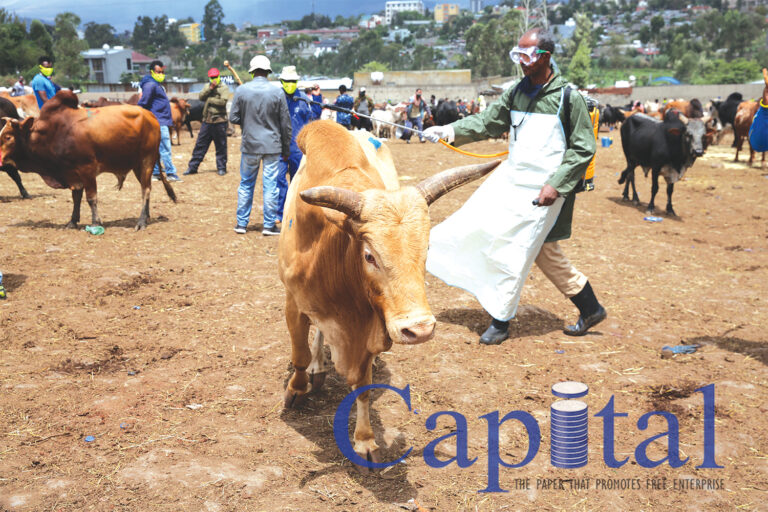
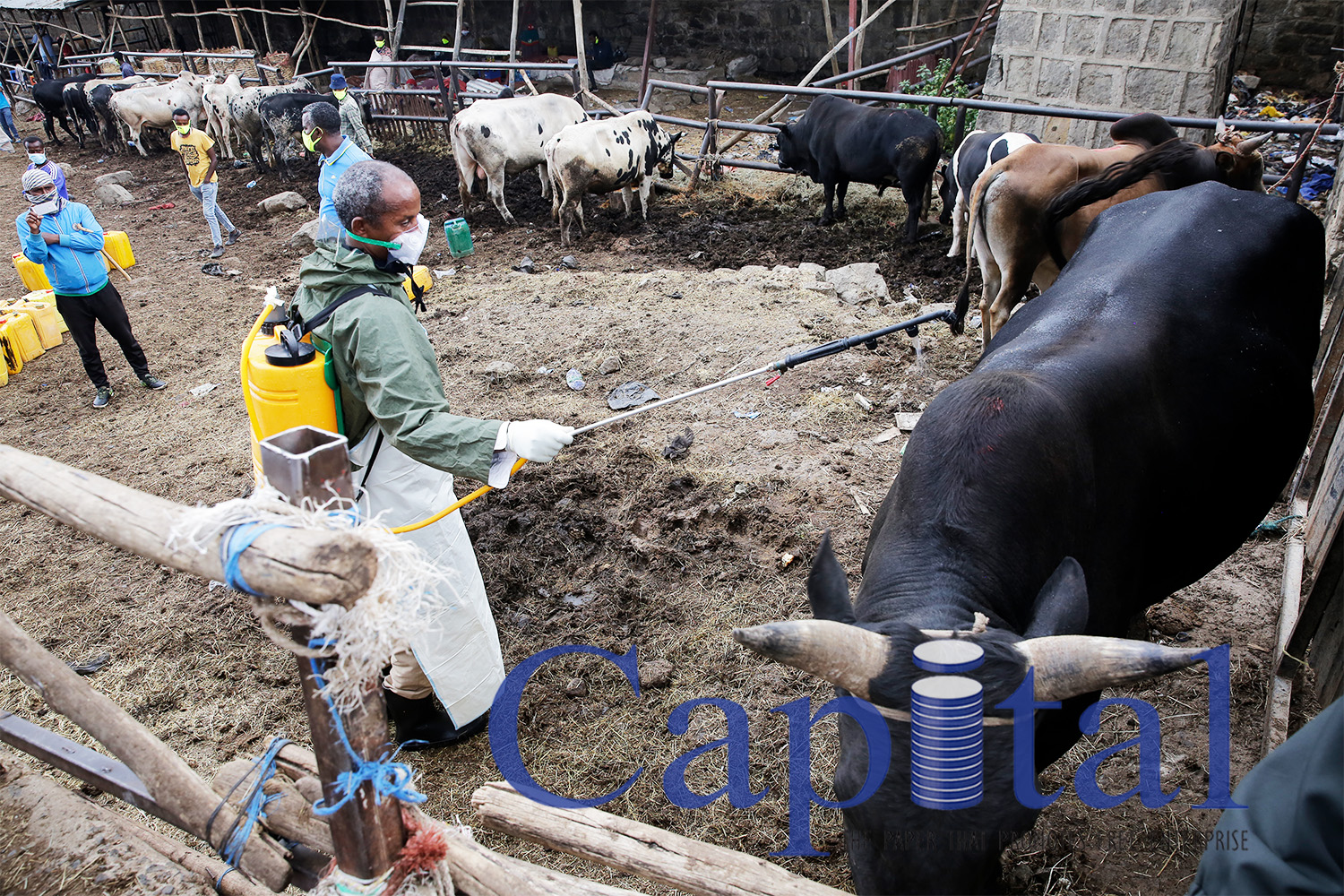
The Addis Ababa city administration is disinfecting cattle to decrease the transmission of the virus at Addis Ababa Abattoir pictured above. The abattoir is taking precautions so that the corona virus don’t spread.
The World health Organization recommendations to reduce risk of transmission of emerging pathogens from animals to humans in live animal markets or animal product markets states that anyone visiting live animal markets or animal product markets should practice general hygiene measures, including regular hand washing with soap and water after touching animals and animal products, avoiding touching eyes, nose, or mouth with hands, and avoiding contact with sick animals or spoiled animal products. Stay safe. 


Easter is one of the major holidays that Ethiopians celebrate. Most of the time a holiday marks an increase in market prices and a shortage of commodities.
But as COVID-19 spreads around the globe, governments everywhere face a trade-off between economic well-being and containment.
Ethiopia also faces a greater and more dangerous challenge than many other places, given that interrupting daily economic life would threaten fragile livelihoods for tens of millions of people already living in precarious conditions.
In Ethiopia where more than half of the population is assumed to be the follower of orthodox and catholic churches, celebrating Easter after eight weeks of fasting is kind of a must.
On Easter eve, Ethiopian Christians participate in an hours-long church service that ends around 3 a.m on Sunday, after which they break their fast.
Mostly people start preparing for the celebration beginning from the last two weeks before the holiday. Unlike this year because of limited travel restrictions most products did not enter to the city market as they used to be.
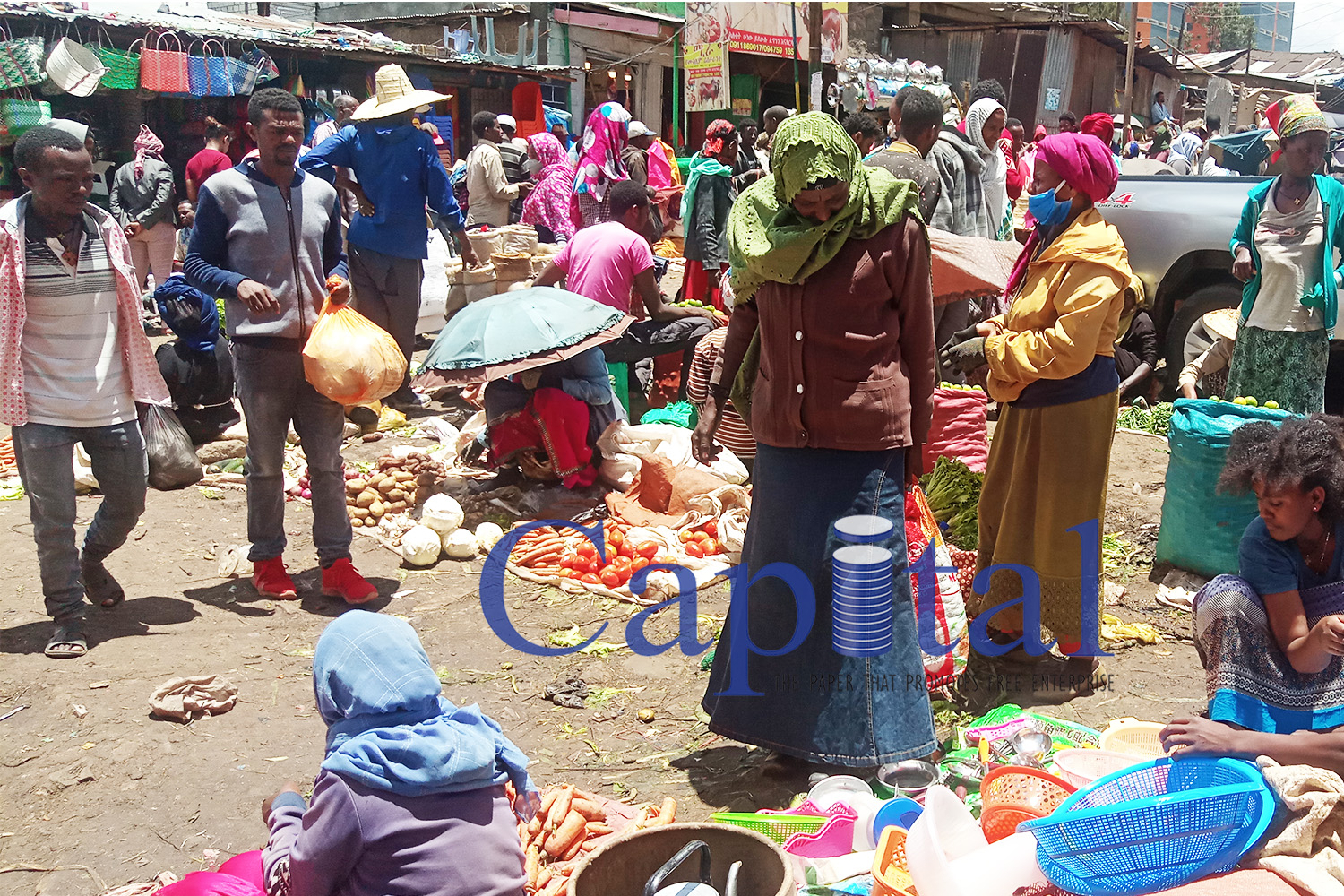
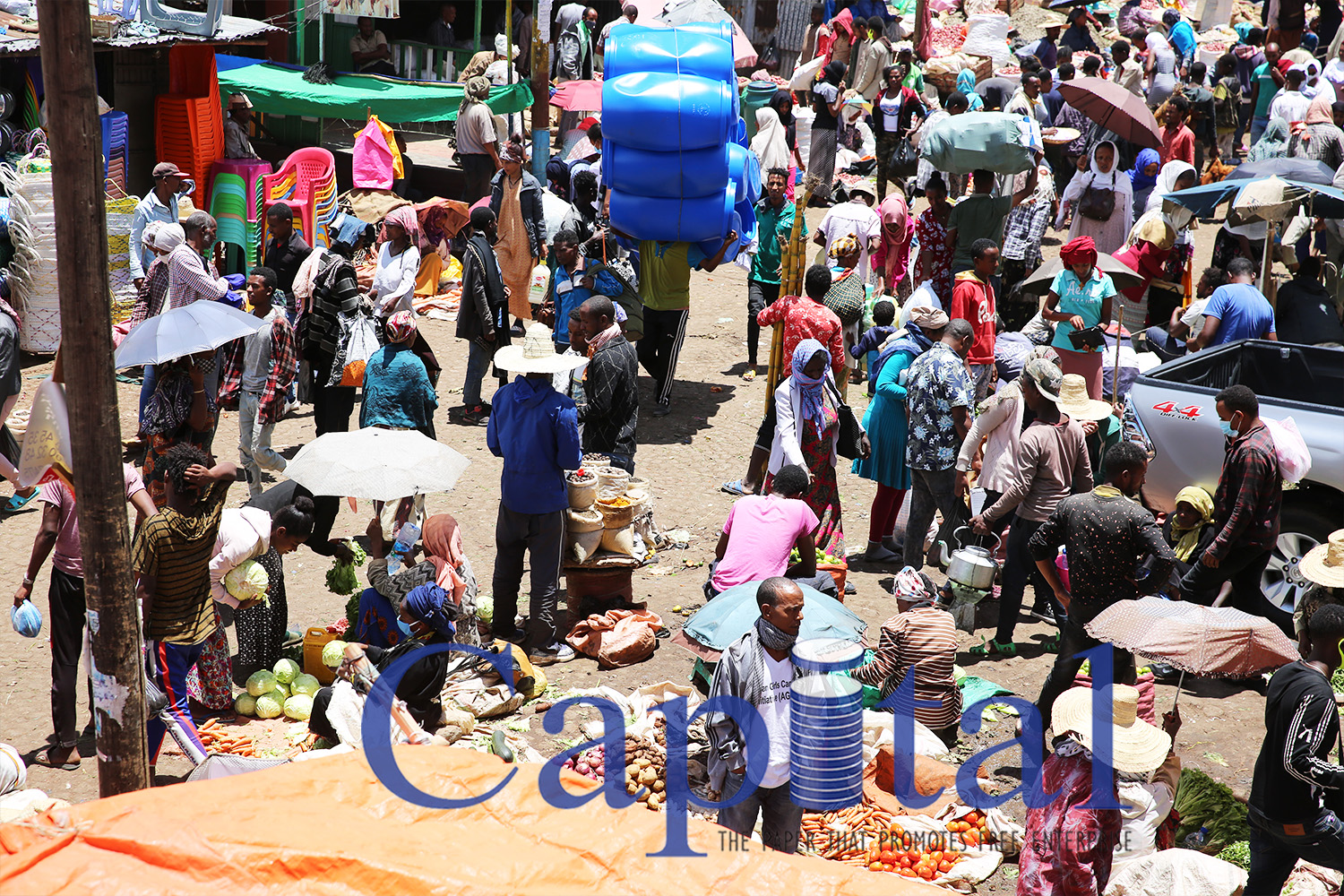
In the city after the first case of corona virus was announced price of certain commodities increased. Vegetables, red pepper powder and onions have shown a ridiculous increase.
This week of Easter has a somber atmosphere and church services were not held as it was before. Previously on the holy week followers go to the church for a daily prayer, however, on March 24, 2020 the government ban public gatherings including religious worship aimed at preventing the spread of covid19.
Most large markets are moving to other areas to minimize the gathering, before a couple of weeks the city administration has decided to move the largest piazza vegetable market to Janmeda.
In Addis Ababa, in the last two or three weeks before the holiday it was familiar to see the city crowded by shops, exhibitions, bazaars and different small sheds of markets selling commodities for the holiday and these places crowded by thousands of shoppers.
Three months ago on Christmas there were two huge exhibitions opened at millennium hall and exhibition center and stayed until the eve of Christmas. Such kind of events were preferred because they gather consumers, retailers and producers together and anyone can get the products with cheaper prices than the normal market. But currently there are no bazaars and exhibitions as the city administration have changed the exhibition center and the millennium hall to isolation centers.
“Even if we are doing our best to do the same as we do before, this year is a little bit difficult, many businesses are slowing down, our income is low,” said Nunu who is a mother of two kids, and owns an electronic shop.
Mostly butter, eggs and chicken come to the city from various parts of the country, mainly from Harer, Gojjam, Arbaminch and Jimma. However according to Semahegn Yalew, a trader in Merkato, because of the virus most of the cities were restricting movements from one city to other and also the people were fearing to come to the central part with the fear of getting infected. “The price of some products are increasing and some are staying as they were at the time of the fasting season.”
From most markets of the city Capital observed the price of chicken and egg is quite lower than the price during the Christmas market.
Traders were selling an egg for 3.50 to 5.00 birr- the price is lower than the price during the Christmas festivity, whereas a chicken would set consumers back between 300 birr to 500 birr. Most are also selling a kilo of butter for 250 birr and 320 birr and the market has shown a decrease in price than it was on Christmas.
Kera, Akaki, Shegole, Bercheko are the largest cattle markets receiving cattle from different parts of the country, mainly from Harer, Wellega, Bahirdar, Jimma, Gonder and Wolayita among others. Usually, sale of livestock inside the center reflects significant seasonal variations on demand and supply. According to the traders, usually, the price is based on the type, size and origin of the cattle. “However this year the global situation of the virus and the travel ban cattle is more cheaper than it used to be, “plus people are not that much interested to buy cattle like they used to buy,” said on cattle seller at Kera.
The Addis Ababa city administration is now disinfecting cattle to decrease the transmit ion of the virus.
“Restriction of some part of the country make big change on the price of the cattle,” another trader at Kera said. According to him the Easter market shows around 2000- 3000 birr increase in price in comparison to similar holidays over the years. But it is showing a 3,000 birr decrease from last Christmas’ market.