Wednesday, October 7, 2026
Home Blog Page 3495

PM Abiy Ahmed discussed with regional presidents

0

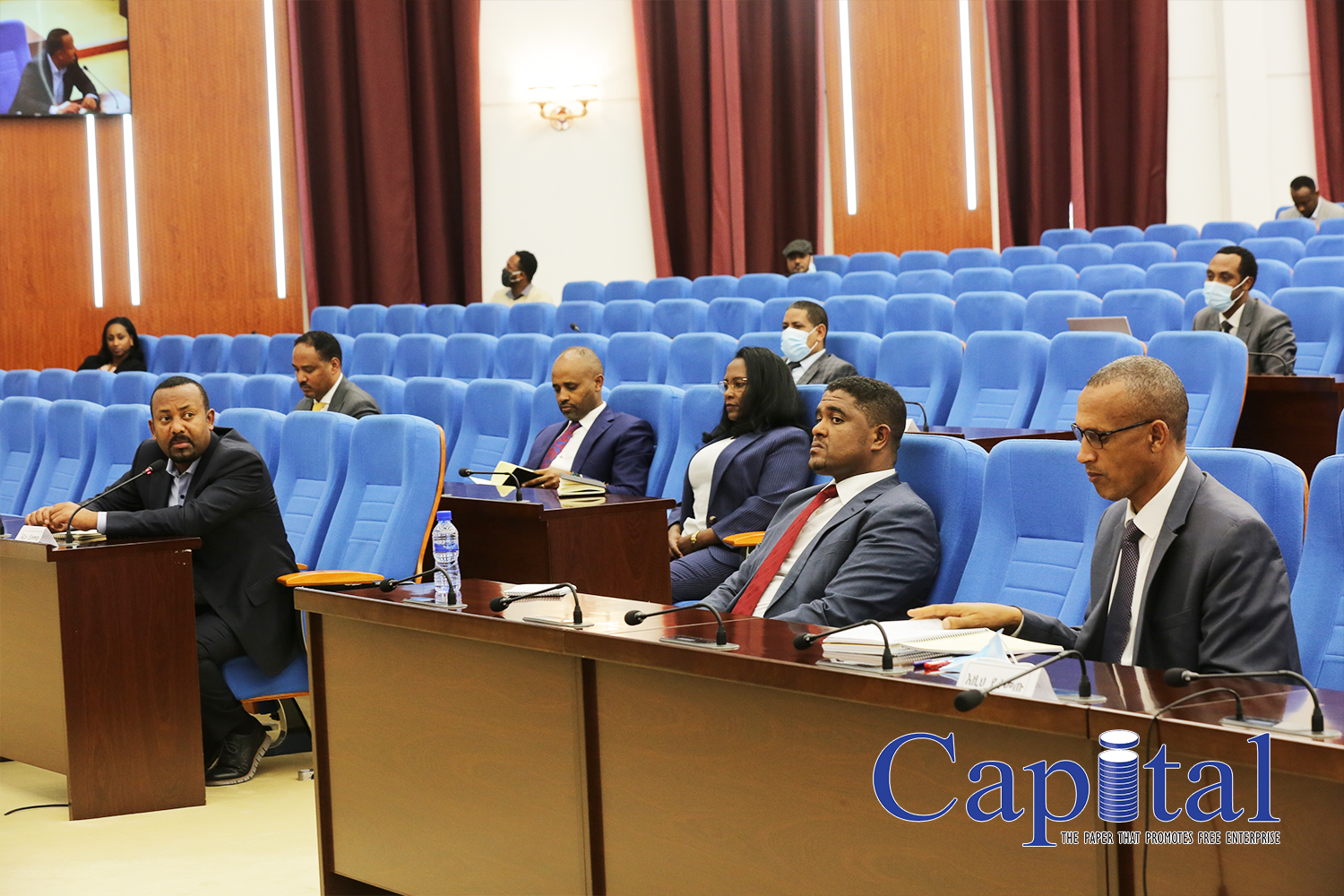
PM Abiy Ahmed discussed with regional presidents about the potentials of the three Federal Government projects that are going to be built in Amhara, Oromia and SNNP regions. The development of Koysha, Wenchi and Gorgora sites announced a few months ago by the Federal Government is aimed at unearthing the investment potential of each location by tapping into natural endowments. The presentations by project leads on proposed designs for each site is promising in its potential to generate many jobs and activate the local economy. “I deeply appreciate all civil servants that have made a contribution and encourage businesses to put their mark on these national projects,” PM Abiy said.

Fraternity in Frat: Ethiopian community that has overcome drought and famine faces growing threat of climate change

0

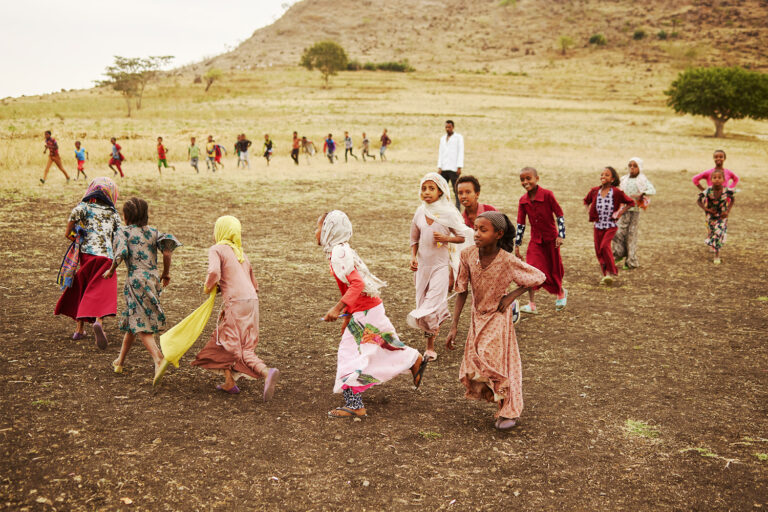
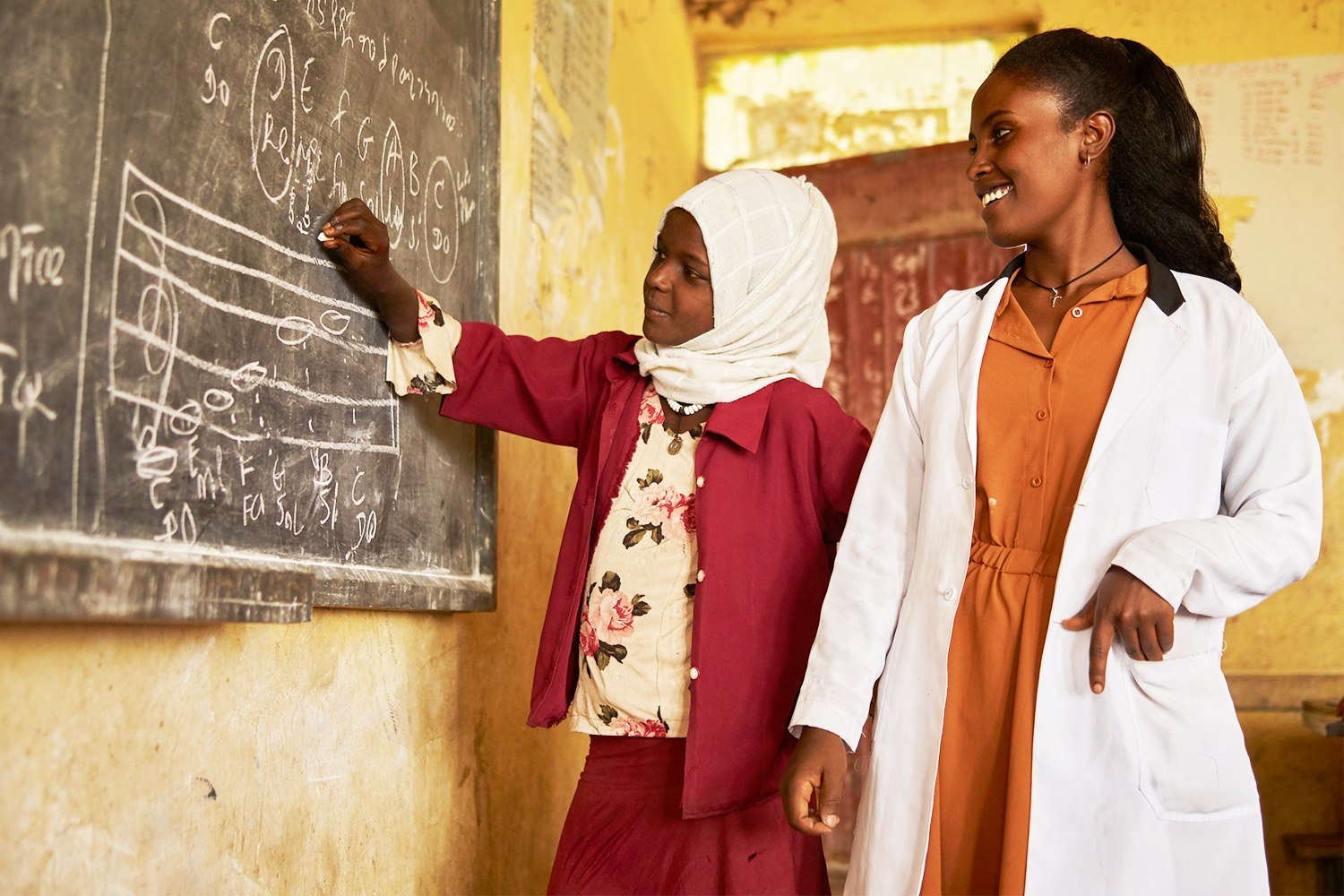
WaterAid has collaborated with photographer Joey Lawrence on a gallery of stunning, inspiring images from Frat, a community in Ethiopia that has shown strength and solidarity to overcome many challenges and is now facing the threat of climate change.

Many people from the villages of Frat, which line a small mountain in the Amhara region in Western Ethiopia, moved here during the drought and famine of 1983-85, and through determination and resilience, have supported each other to carve out a good life for themselves. However, a lack of basic facilities like clean water, exacerbated by the changing climate poses insurmountable challenges.

Families spend hours each day collecting dirty water from a river. Women and children are afraid to go alone or at night because of thieves in the area, and the dirty water causes sickness. The changing climate is making life harder. Some water sources are depleting over time, while the hotter summers and unexpected storms are destroying crops, their only source of income.

Six in ten Ethiopians do not have clean water close to home. The country ranks in the bottom quintile Notre Dame Global Adaptation Initiative Country Index for its vulnerability to climate change and its readiness to improve resilience.

Through its winter appeal, Future on Tap, international charity WaterAid aims to raise £3 million to help transform lives with clean water in Frat and other villages in Ethiopia and around the world, improving lives and livelihoods and building resilience to climate change.

During the appeal, which runs until 4 February 2021, the UK government will match public donations up to £2 million making double the difference in climate-vulnerable communities. With clean water, lives and livelihoods are protected. They can meet their basic needs, stay safe and healthy, have time to go to school or work, and can grow food even when the weather is unpredictable.

Kemal Hussein, 55, owns farmland in Frat where he has lived since childhood. He saw families move here during the drought, and has noticed the climate changing, which is having an impact on the water sources:

“There was a severe drought in the Wollo region, so people were forced to come here. We welcomed them because they were suffering. As far as I remember, we have been using river water. We were also able to use springs in the early days, but they’ve dried up. Year after year the weather is getting hotter.”

HawaYimam-Mohamad, 44, moved to Frat as a child after being displaced by drought. Her first memory there is walking down the mountain to collect water and falling and cracking her head on the rocks. She still has the scar today. She is an inspiring mother and ambitious women’s group leader, and has dedicated much time to helping develop the community. She said:

“We are worried a drought could happen again when we see how the climate is changing. We have seen the weather change and become more unpredictable; when we get unexpected rains, it destroys our crops and our fertiliser. If we had clean water, we could plant vegetables and fruit trees in our gardens so we would have food even if our crops failed. We could also improve our hygiene and all be healthy.”

Henock, 16, a member of the environment group at Frat school, helps his fellow students by selling grain to buy books, and thinks education is key to stopping climate change, “we know the global temperature is getting warmer and the environment is being polluted by carbon emissions, and there is deforestation all over the world. I feel the lives of people might get worse – the rain might be more unpredictable, our production might dwindle. I believe education is key for solving problems. Everyone should be aware and do their part to conserve the environment.”

Tim Wainwright, Chief Executive, WaterAid, said “our changing climate is impacting poorest countries the most, despite them doing the least to cause it, meaning communities like Frat are facing an uncertain future. Without access to clean water, people are defenceless against changing weather patterns and will be unable to escape poverty to create a better future for themselves and their children. Clean water and decent sanitation are the building blocks out of poverty. These basic human rights improve health and livelihoods, afford children the time to go to school, to have fun and to pursue their dreams, and also play a vital role in helping people become more resilient to climate change. By bringing sustainable clean water to a community, you can help bring hope and peace of mind, that no matter what the future holds, the taps will always work, no matter what the weather.”

NBE to table ten-year financial sector roadmap

0

The National Bank of Ethiopia (NBE) disclosed that it has drafted a ten year financial sector roadmap that will be tabled for discussion soon.

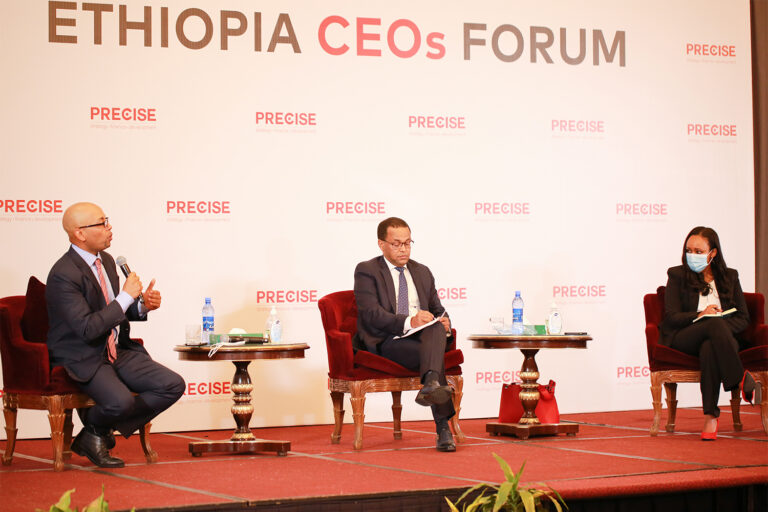
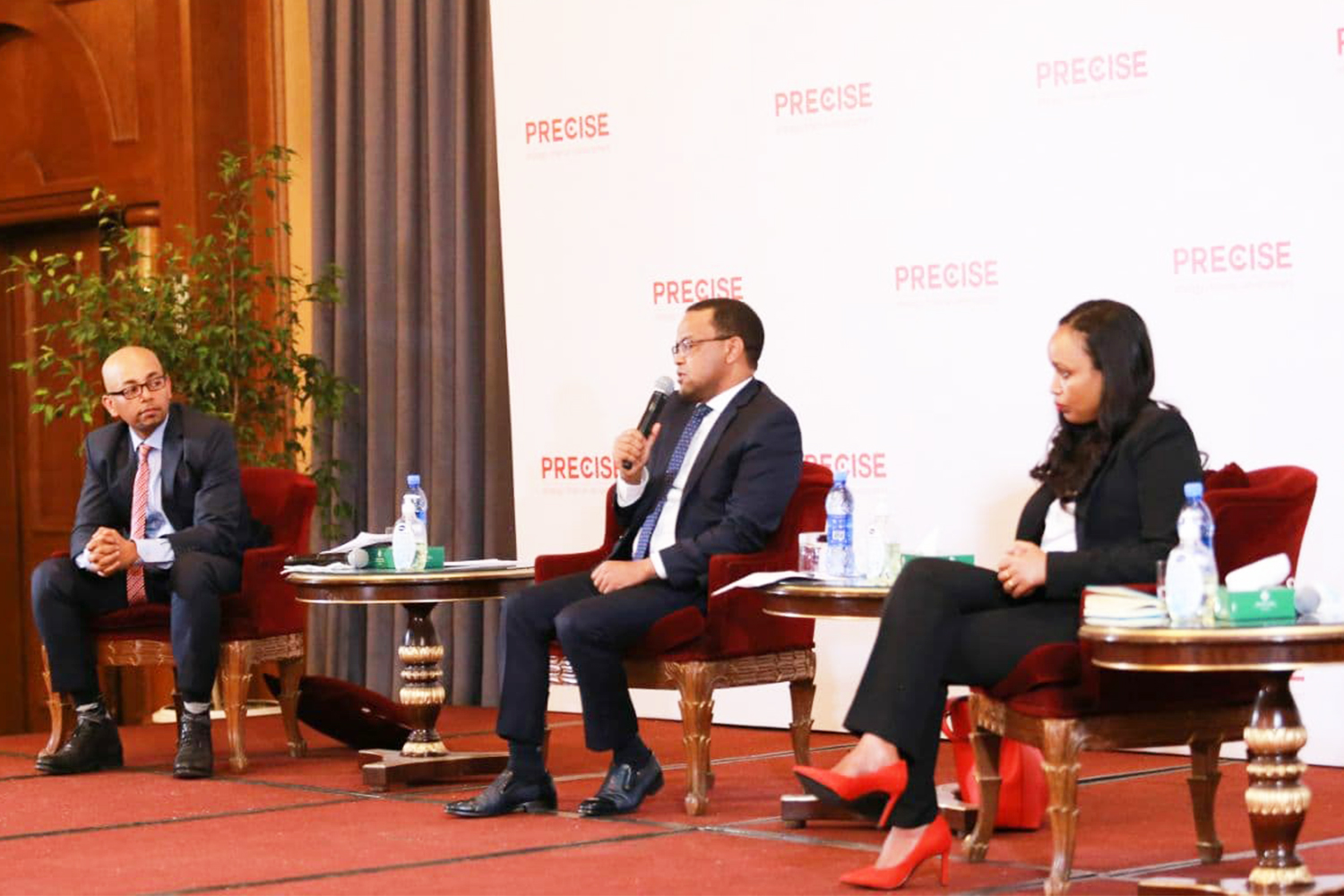
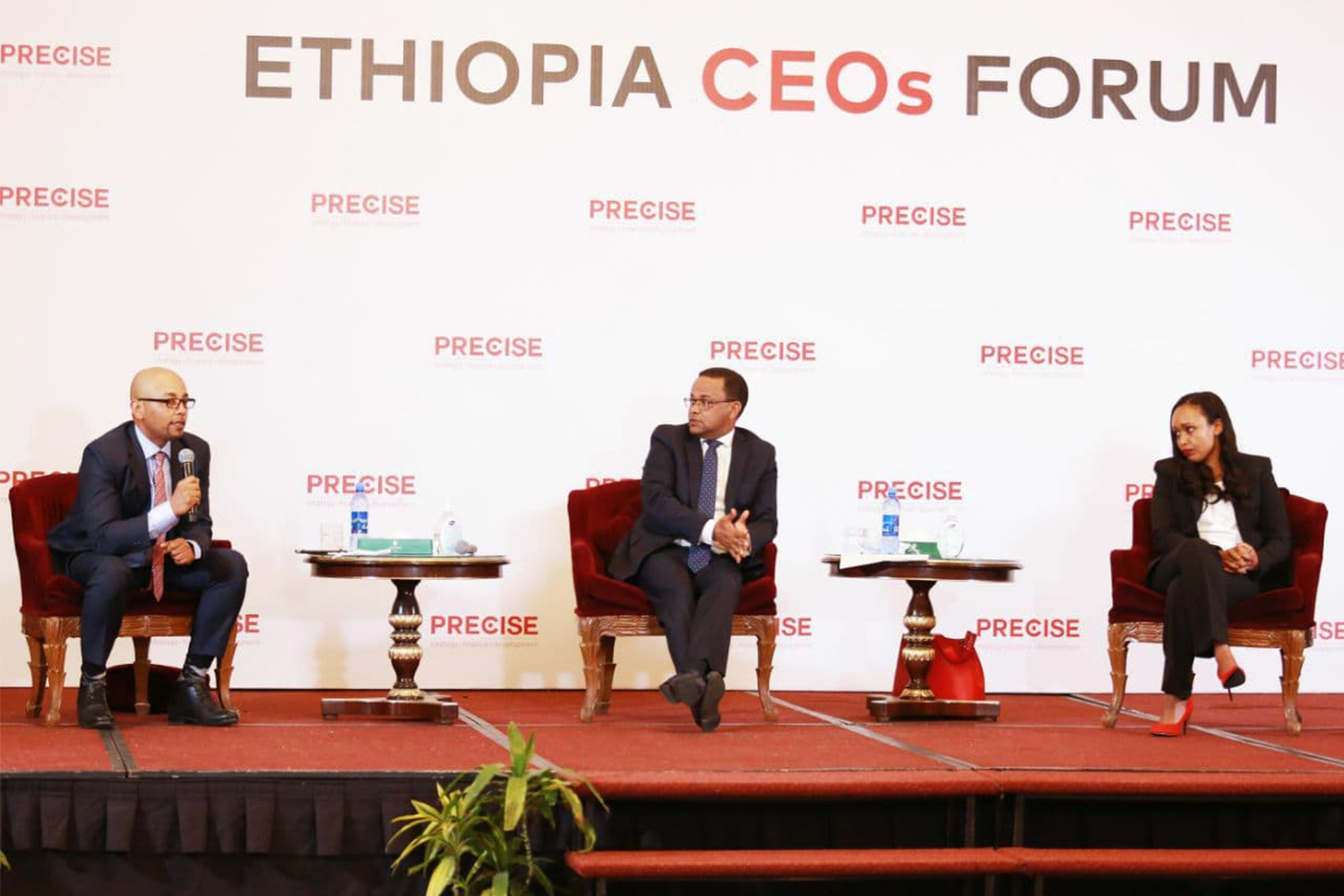
During the CEO Forum organized by Precise Consult, National Bank of Ethiopia Governor, Yinager Dessie said that the roadmap will show the path of the financial sector in the coming period.

“We have developed the draft for the roadmap that will be tabled for discussion in the near future before implementation,” he told business leaders who gathered for a breakfast discussion at the Sheraton Addis on Friday December 18.

“We are going to envision what the financial sector would look like in the coming decade,” he explained. “If we have that vision it will be clear what we shall do next for the coming two years, five years and ten year,” he added.

He said that the next reform mainly should focus on the financial sector because it is a backbone for the whole other sectors development.

It is recalled that a week ago the Council of Ministers had endorsed a ten-year economic plan that will be applied until 2030. In this plan the government has set massive changes in the economy including the financial sector, while Yinager did not give details about the financial sector roadmap, on whether it would consider opening up the sector for foreign investors or not.

He underlined that the government has made changes to its direction for the last couple of years under its Home Grown Economic Reform Agenda (HGERA) regarding development path and access to finance arena.

The governor said that in the past the government had been the major beneficiary regarding to project financing that is mainly sectored from loan, which created macroeconomic imbalance and massed up the macroeconomic policy that should be corrected under the coming years development plan.

“Under part of the correction process the government decided to focus on projects accomplishment than commence new public project. Due to that in the past two years the private sector secured huge amount of money mainly from public banks than the government,” he said.

He added that it will continue in the coming years ahead, “we will continue to finish the ongoing public projects than allocating fresh loan, while to fill the development demand the government is working on Public Private Partnership and joint venture schemes on infrastructure developments.”

As one of the top priorities in the reform, Yinager mentioned that the forex roadmap development was crucial to improve the forex management regime.

He said that the roadmap has shown how the Ethiopian forex management looks like.

“The roadmap shows the step we should take in the coming two to three years and we have already taken some measures,” he added. He hinted that the sector will be more relaxed in the coming years through different step.

Regarding expanding the financial inclusion implementation, the Governor said that the NBE board has approved the financial education strategy besides other massive reforms that it is undertaking.

“In the years to come we will do some more reforms in the financial inclusion and one of that is creating huge awareness among the public about the financial sector, products and sector services,” he said regarding the financial education strategy.

“Awareness creation is a crucial component that we will work with other partners,” he added.

Regarding the Diaspora to invest in the financial sector the Governor said that there is huge progress mainly in the under formation banks.

He said that the lease financing, that is also opened for foreigners’ companies, the government is expected much more participants since it has huge potential, whilst the movement in this sector is very slow.

He said that on lease financing directive, studies are carried out to improve it on the aim to attract more investors on the sector.

Old currency still in use in Tigray

0

Despite the demonetization of the old birr notes ending on Tuesday December 15 both the old and new currency are in use in Tigray region currently.

The government had introduced the new currency on September 14 and the currency change has been conducted for three months until December 15. These enabled the government to collect huge amount of money into the banking system and expand the saving account.

Meanwhile the demonetization continued until Tuesday while transacting on the old currency had ended as of December 1st.

Information Capital got indicate that although the old currency transaction and demonetization had ended nationwide, both currencies are in service in Tigray region.

Information indicated that currently most of the towns in Tigray have calm down and activities have gone back to normal.

The interim government in the region also announced that as of Sunday December 13 it has commenced its official work in the region and called civil servants to start their work as of Monday December 14.

Since the law enforcement measure started banks in the region had ceased their operation.

Information from Tigray however indicated that currently both old and new currencies are in use in transacting, while some entities refuse to receive the old money.

Senior officials at the National Bank of Ethiopia said that the central bank planned to give a briefing about the circumstance this week; however it is postponed due to unforeseen reasons.

The new currency notes that have enhanced security features and other distinctive elements replaced the 10, 50 and 100 bill notes and an additional 200 birr note was introduced.

The government disclosed that 2.9 billion notes with the value of 262 billion birr have been printed. For printing the money the government paid 3.7 billion birr which on average means 1.275 birr per note.

Capital’s effort to get additional information from RedwanHussien (Amb), State Minister and Spokesperson of the State of Emergency in Tigray  andMuluNega, Head of the Interim Government was unfruitful.