Friday, October 9, 2026
Home Blog Page 3562

EIC says $500 mln generated from FDI amidst pandemic woes

0

Ethiopia has generated 500 million dollars in revenue from Foreign Direct Investment (FDI) in the first quarter of the current fiscal year.

According to Lelise Neme, EIC commissioner, the commission has achieved 50 percent of its goal despite the numbers showing 20 percent decline in relations to the same period, the prior year.

The percentage allocation of the revenue share include; Agriculture sector shares which stood at 11 percent of the revenue, the service sector which was 47 percent, and the manufacturing sectors shares which came in at 42 percent of the total revenue.

The 20 percent decline was as a result of the surge of the pandemic that has hit the globe hard. Given the circumstances, the commissioner acknowledged that the amount generated this fiscal year is considered a success in its right.

Additionally, the country has earned 46.1 million dollars in revenue from exports in the industrial parks which accounts for 71 percent of the targeted 64.8 million dollars.

Lelise explained that in the last three months 44 projects had received implementation and an additional 36 projects had started their operation. According to Lelise the highest investment registered is from china.

Regarding job creation outside of the industrial parks, 3795 job opportunities have been created and 10,864 jobs have been created within the industrial parks. A cumulative of 14,659 job opportunities has therefore been created in the last three month.

Apart from project implementation, the commissioner noted that the Commission has been supporting investors and assessing the contributions of firms in terms of tax, employment, among others.

Lelise echoed that as part of the commission’s support it has streamlined itself with the government in preparing a recovery package that will help businesses that faced vandalization and property damage following the riots that ensued after the assassination of the famous Oromo singer Hachalu Hundessa, on 29th of June.

“Associating with different relevant governmental sectors the commission is conducting a study on the damages that have paralyzed the businesses and the significant support mechanisms for the recovery processes of business are being undertaken,” said Lelise.

“When it comes to this kind of support, we have liaised with the Ministry of Finance which will officiate the details of the support to the businesses,” she said, indicating that the support includes import of vandalized machineries duty free, provision of loans from banks to the businesses and revision of existing loan repayment terms, among others.

“A directive with full details of the support of the government to the businesses will soon be revealed by the Ministry of Finance. However, until the details are completed by the Ministry the commission is working round the clock to give urgent support,” she added.

Societal awareness being one of the challenges that the commission faces, the commissioner has stated that the local community will be engaged on where the investment projects are located in cooperation with regional governments and investment offices.

“The commission will also give priority to the local community in the working investment projects, so as to benefit the community directly,” she explained.

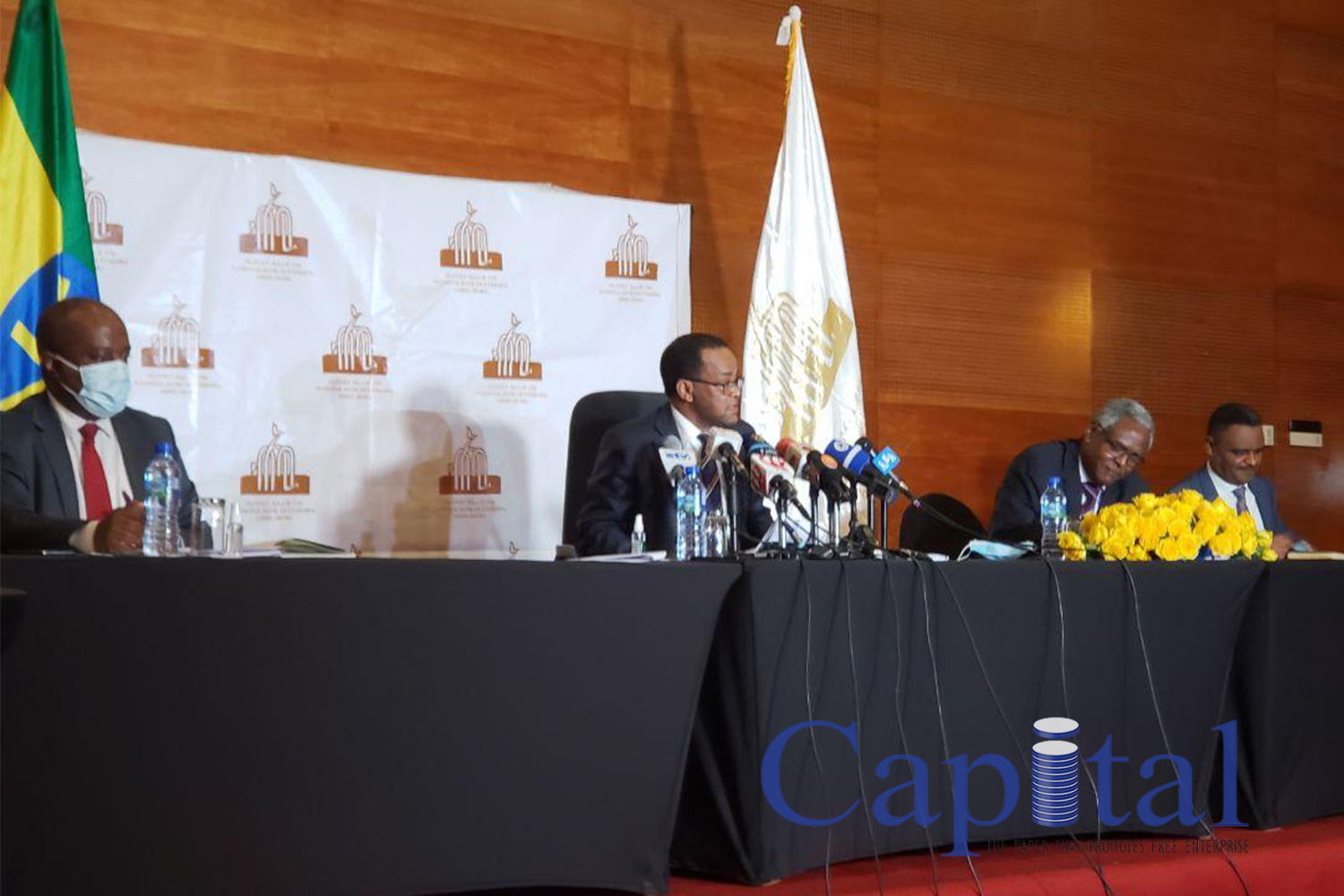
Speaking to reporters on Monday, October 19, Lelise stated that the government will no longer focus on building governmental industrial parks rather the focus will shift on attracting investors to build their own industrial parks. Lelise expressed that the ongoing Semera industrial park will be the last government-built park.

But according to Sandokan Debebe, CEO of the Industrial Parks Development Corporation (IPDC), there is no such kind of direction set by the government.

“The decision depends on the market and economic policy, for now there is no decision to stop building industry parks,” stated the CEO, adding that making sure the existing parks are fully operational remains as the target focus as opposed to building new parks.

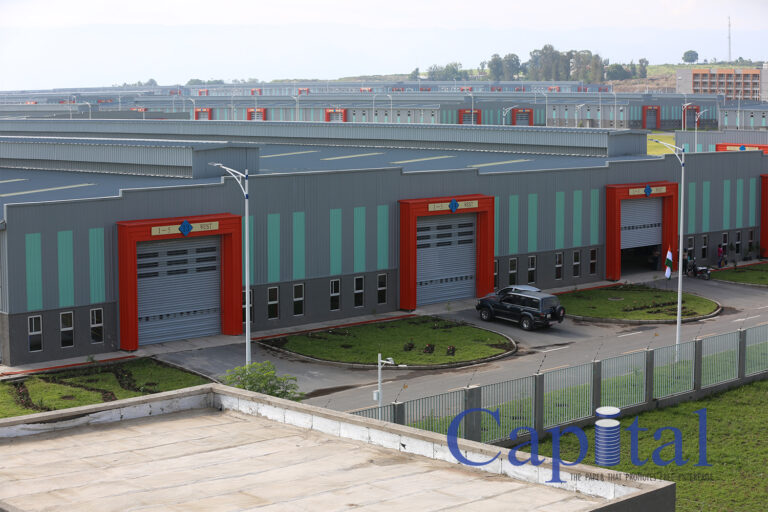
The CEO informed Capital that the corporation is preparing a spatial plan to support coordination of the industrial park construction. The corporation is also targeting the completion of Semera industrial park in the current fiscal year. The cooperation is also looking forward to the construction of Adama Huna Industrial park which is being loan-financed by the China Exim Bank.

Somali Region warn contractors to pick up pace

0

The Somali Region has warned some contractors who have derailed in carrying out road projects in the region.

The region has disclosed that it has registered massive achievements in the past two years through different economic developments. However, some of the challenges have been observed on some road projects which are mainly overseen by the federal government.

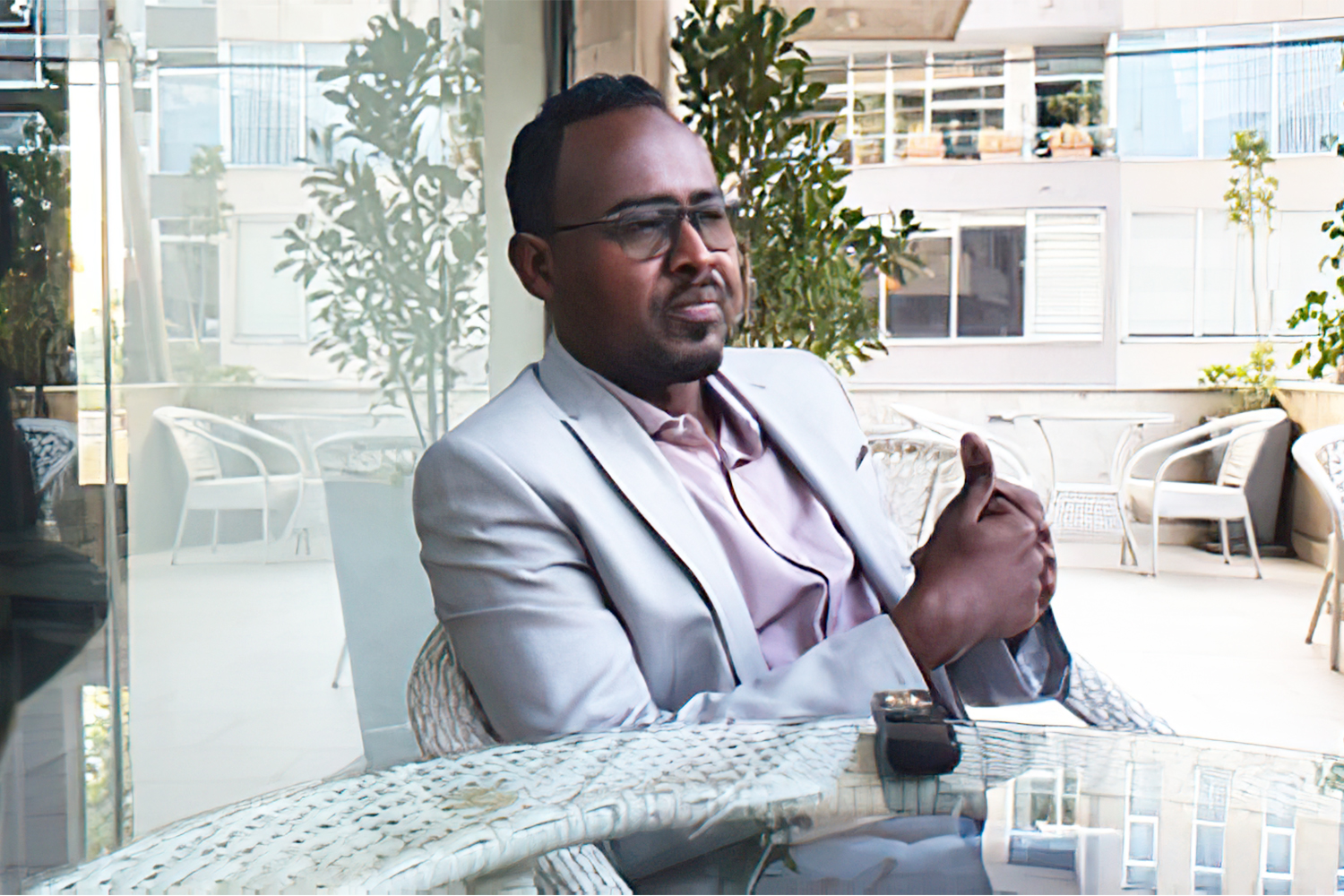
Ali Beder, Somali Region Communication Bureau Head, stated that the projects are unable to run as per schedule due to different reasons. The reasons can range from internal challenges such that of the contractors and external challenges such as effects of instability.

“We have evaluated and identified the reasons and approached the contractors to accelerate the project after having reached to a consensus,” he told Capital.

According to the Communication Bureau Head, a good example is that of the road project that connects Hara to Emi which then links to Hamero to Gode. This project which is undertaken in different lots by separate contractors is an example of a project that has shown some delay.

“Though the projects are managed by the federal government, we are also trying our best in monitoring the contractors’ activities so as to efficiently quicken the project,” he added.

“Meanwhile, as per the discussions that we have had with the contractors, they have stated that they have experienced cash flow problems internally. In an external angle, they have also been held back by the instability that was observed around Babile of Oromia region,” he explained.

From the information that Capital obtained from the Ethiopian Roads Authority (A body responsible in the management of federal road projects), ERA expressed that to some degree that instability and the pandemic had resulted in the slowing down of the projects. However, they stated that this would not be the same this Ethiopian calendar year and that improvements will be undertaken. The body also acknowledged that for the past couple of years Somali Region has been rapidly growing in the many projects that the region is undertaking.

The region has also taken steps by holding discussions with contractors including CCCC, Macron and Yotek in order to speed up the projects to finalization as per expected timelines. The discussed challenges with the contractors are also to be tackled with project finalizations targeted to be completed in a few months.

Ali further expounded that the new administration that came to power has done a tremendous work. He highlighted that, several achievements in the social service and economic areas have been registered.

The administration is also strongly focusing on taping into the potential of the youth who are the major share in society and of the region.

“We are working on providing support for vocational graduates for the establishment of their cooperatives and as well as provision of initial finance to kick start their careers,” he explained.

The new administration has also had success in the private sector development in the region.

One of the successes on the private sector development is the formation of companies that serve the society on cashless services that are provided by likes of Tsehay, which creates massive jobs.

In the past the regional government and individuals affiliated with the former leadership had controlled the economic activity even to the extent of the distribution of commodities like cement, khat, bottled water and beverage, “there were several regional public enterprises that engaged itself in small businesses like retails but now most of them have been left to the general public in the region so as to boost the role of the private sector in the economy,” he said.

“Regarding the operation of cashless services, other part of the country should emulate the Somali region in terms of implementation of the scheme which has different benefits including safety and security,” Ali said.

The activity of mechanized farming is also stated as the other potential area in the creation of massive jobs and productivity. The regional administration has recently distributed irrigation materials including generators and pumps for youths to undertake modern agricultural practices as they utilize the rivers that flow in the region.

The hospitality development is also an emerging business in the region. Ali affirmed that hotels with international standards have been opened up in recent months by the diaspora who have returned because of the lucrative business following peace and political stability in the region.

Ericsson launches Graduate Program in Africa to help innovate the future

0
  • Program to fast-track and train potential leaders and innovators to engage with the most exciting technology on the planet
  • Fresh graduates to work with pioneers in ICT and advanced thinkers in their chosen field
  • Ericsson offers virtual training programs for recent graduates during the pandemic

Ericsson (NASDAQ:ERIC) has announced the launch of its 2020 edition of the Graduate Program in Africa. The program aims to grow the technical skills of the graduates, train them in the Ericsson technology, solutions and their delivery and understanding our processes, methods and tools. In addition, getting exposed to working in a large global matrix driven organization in terms of the ways of working, understanding vision, mission, strategies, corporate culture and values of the company. All this to get geared up to meet the business challenges of the future.

We believe this graduate program helps build local talent for our African markets and helps build into our long-term commitment to develop and grow our business in Africa. This way we access the best talent and provide them careers in a global environment, over a period of time.

Caroline Berns, Head of Talent Acquisition at Ericsson Middle East and Africa says: “The Fresh Graduate Program in Africa is designed to give graduates’ career an added momentum at just the right time – maximizing the skills they have gained in the course of their degree, adding more to their repertoire and equipping them to make a positive impact on the continent. Aiming to attract and guide the most talented, innovative and creative technology minds, the programs offers graduates an opportunity to engage with the most exciting technology on the planet and the challenges it brings.”

The Graduate Program helps Ericsson to move the needle on gender equality within the field of technology; half of the graduates hired are women. This is in alignment with Ericsson Educate and local Connect to Learn projects which empower women in STEM (Science, Technology, Engineering and Math) fields and leverage connectivity to increase access to education for children, especially girls.

Our young graduates with curious and innovative minds, work alongside the brightest minds in the industry and work on projects that are changing the world of communication and thus become the future of the telecoms industry in Africa.

Due to the sudden and unprecedented disruption of the COVID-19 pandemic, the Graduate Program will run virtually for the time being, and will focus on graduates in Kenya, Nigeria, Sudan and Angola. Applications are now closed for this phase but the program is expected to roll out in more countries in the continent during a second phase. Interested candidates can sign up for the job alert on Ericsson.com/careers to be informed immediately when new programs are being opened.