Thursday, November 26, 2026
Home Blog Page 445

Ethiopia’s TVET Enrollment Plummets by 50% Amid Systemic Overhaul

0

​It has been confirmed that student enrollment in Ethiopia’s Technical and Vocational Education and Training (TVET) has decreased by more than 50% over the past three years.

This significant decline has sparked concerns, as it comes at a critical time when the country is striving to empower its youth workforce with industrial skills. Technical and Vocational Education and Training (TVET) Country Study Report confirmed that TVET enrollment, which stood at 478,910 in 2020/21, dropped to 213,663 in 2023/24.

Experts attribute this sharp decline to a “structural shift” in education policy—specifically the transition to recruiting trainees from Grade 12 instead of Grade 10—combined with a persistent societal stigma that views vocational training as a “second-rate” option.

The report indicates that the sector is at a “critical crossroads.” Unless it is modernized rapidly, the prospects for millions of young people entering the labor market could be dimmed.

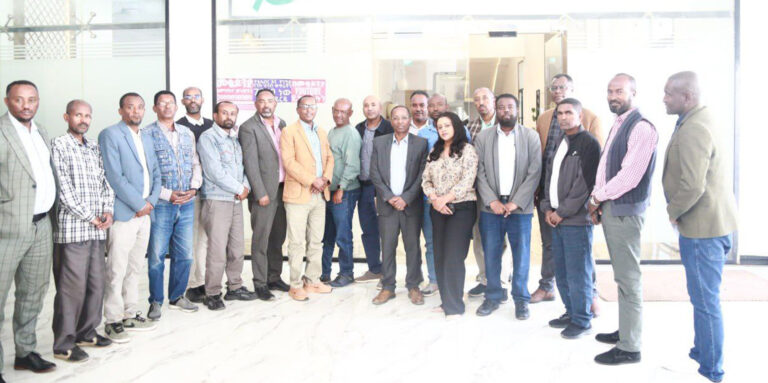
It was noted that this report, which is part of the YES-PACT initiative in Ethiopia and was officially launched on February 12, 2026, was prepared through the collaboration of ACET and the Policy Studies Institute (PSI).

Adamnesh A. Bogale, Head of the Gender Equality Program at ACET, presented the report’s key findings, stating that the decline is a result of systemic transitions within education policy.

​Previously, TVET institutions accepted students who completed Grade 10; however, the new requirement mandates Grade 12 completion. While this move aims to improve the foundational knowledge and quality of trainees, it has created a temporary gap in vocational colleges.

​Furthermore, the deep-seated social perception of TVET as a destination only for those who fail to enter university persists. Another pressing concern is the mismatch between classroom instruction and the practical demands of modern employers.

Adamnesh emphasized that this is not merely an educational issue but a question of national economic competitiveness, urging that the sector be placed at the center of the national prosperity strategy.

Over the years, the government has introduced several reforms and frameworks, including Competency-Based Training (CBT), the National TVET Strategy, the National Qualifications Framework, the 70/30 training approach, apprenticeship programs, and the Certificate of Competence (CoC) system.

However, despite these efforts, it is acknowledged that numerous challenges still hinder the full implementation of competency-based or outcome-based training in Ethiopia.

​Amare Matebu, Lead Researcher and Head of IUPRC at PSI, stated that the national economy can only be grown by establishing a system based on market demand. He urged that research must move beyond being mere paper-based documents and be translated into action to bring about real change.

​The study, which involved various stakeholders, identified five fundamental obstacles facing the sector.

These obstacles include a shortage of trainers with up-to-date industrial experience, outdated training infrastructure that lags decades behind, inconsistent private sector engagement, a lack of financing for high-investment requirements, and the exclusion of digital skills—such as Artificial Intelligence (AI)—from the curriculum.

​As Ethiopia sets its sights on the Fourth Industrial Revolution (4IR), the report calls for a radical modernization of the TVET curriculum. While basic digital literacy exists, advanced fields such as AI, robotics, and green energy technologies are largely absent. Agro-processing, manufacturing, construction, and technology-enabled services have been identified as critical sectors for future growth.

​The strategy includes recommendations to involve the private sector in curriculum design, integrate digital and green skills, increase women’s participation, improve trainers’ salaries and career development, and encourage colleges to generate their own revenue.

​Specifically, the fields of construction, agro-processing, manufacturing, and tech-supported business sectors have been identified as vital for Ethiopia’s transformation.

​It was agreed that the government should act as a facilitator while the private sector takes on a role in co-shaping the workforce. Adamnesh described the report as a “strategic mirror” for change, emphasizing that the present moment is a critical time to reshape the TVET sector.


Ethiopia Ranks 119th in Global Network Readiness Index 2025

0

Ethiopia has been ranked 119th out of 127 countries in the 2025 edition of the Network Readiness Index (NRI), underscoring both its progress in digital infrastructure and the steep challenges it faces in governance, inclusion, and effective use of technology.

The Index, published by the Portulans Institute, assesses countries’ capacity to leverage digital technologies for economic growth, societal well-being, and sustainable development. Ethiopia, categorized as a low-income country, scored 27.52 points, placing it near the bottom of the global table but ahead of several African peers, including Mali, Burkina Faso, Mozambique, Madagascar, Angola, Mauritania, and Burundi.

Within its income group, Ethiopia ranks 4th among low-income economies, behind Rwanda, Uganda, and Malawi. This suggests that while the country is a laggard globally, it performs somewhat better when compared with nations facing similar economic constraints.

Across Africa, Mauritius (58th), South Africa (69th), and Kenya (77th) lead the continent on network readiness, with Rwanda (87th) highlighted as a low-income country that outperforms expectations relative to its GDP per capita. Ethiopia does not feature among these “outperformers,” instead remaining in the lower tier of regional rankings.

Despite its overall low position, the report identifies several areas where Ethiopia is building a base for digital transformation.

The country performs comparatively well in fixed broadband infrastructure, ranking 56th worldwide for fiber-to-the-home (FTTH) building internet subscriptions. It also records mid-range positions for international internet bandwidth (81st) and population covered by at least a 3G mobile network (74th), showing that basic connectivity is expanding.

In the Impact pillar’s economic dimension, Ethiopia ranks 62nd, supported by the size of its domestic market (54th) and a visible, though still modest, level of ICT services exports (85th). These indicators point to growing potential for the digital economy, even if this has yet to translate into broad-based benefits. ​

The report is sharply critical of Ethiopia’s performance in digital governance and inclusion.

Ethiopia ranks 124th in the Governance pillar, reflecting serious gaps in regulatory quality, digital trust, and institutional readiness. The country is also placed 124th for Inclusion, highlighting deep digital divides related to access, capacity, and participation.

E-participation—a measure of how governments use digital tools to engage citizens—is particularly weak, with Ethiopia ranked 124th in this area. The low ranking suggests that digital platforms are not yet being used effectively to support transparency, participation, or citizen-centered service delivery.

The People pillar also reveals a significant deficit. Individuals, businesses, and public institutions are not leveraging digital technologies at scale, and Ethiopia sits close to the bottom globally in people-related dimensions of network readiness.

On the broader social front, the NRI shows that Ethiopia’s digital progress has not yet translated into improved quality of life.

The country ranks 115th in the Impact pillar overall and 125th on indicators related to good health and well-being. This suggests that digital technologies are not yet being systematically harnessed to strengthen health systems, social services, or human development outcomes.

The report also notes a mixed picture in investment and equity-related indicators.

Ethiopia posts a relatively strong ranking in income inequality, at 29th globally, suggesting a narrower income gap than in many countries, even if overall income levels remain low. The Index further records positive signals in selected investment measures, including annual investment in telecommunication services and the scale of the public cloud computing market, where Ethiopia performs better than its overall rank might imply.

However, these advances are undermined by low digital adoption across firms and households, with businesses ranked far behind global leaders and individuals facing major barriers in access, skills, and meaningful use of technology.

Taken together, the 2025 Network Readiness Index portrays Ethiopia as a country at a digital crossroads: one that has started to lay essential infrastructure and enjoys a sizable domestic market, but remains constrained by weak governance, limited inclusion, and low human-capital utilization in the digital sphere.

Addis Ababa Summit Puts BRICS Alternatives and Africa–Asia Trade at Center of Economic DebateBy our staff reporter

0

As developing nations increasingly reassess their reliance on traditional Western financial frameworks, a high-level summit in Addis Ababa placed both the BRICS bloc and Africa–Asia trade relations at the heart of discussions on the continent’s economic future.

Held on the margins of the February summit of the African Union, the gathering brought together policymakers, business leaders and development experts to examine alternatives to Western-led financial models and explore new trade partnerships. The event was co-organized by the UN Sustainable Development Solutions Network and the Pan-African Chamber of Commerce and Industry.

Participants argued that the “conditionalities” attached to Western financial institutions—often centered on sharp tax increases, fiscal austerity and rapid market liberalization—have become increasingly unsustainable. Critics at the summit said such measures have frequently failed to generate inclusive growth in vulnerable economies, instead contributing to rising debt burdens and constrained industrial expansion.

Kebour Ghenna, Executive Director of the Pan-African Chamber of Commerce and Industry, noted that Africa has long operated under a “let the market decide” philosophy promoted by Western institutions. While deregulation and fiscal tightening were intended to spur efficiency and growth, he argued that the results have often fallen short of expectations for fragile economies.

In contrast, the emerging BRICS model was presented as an alternative approach that prioritizes infrastructure development, technology transfer, national sovereignty and South–South cooperation. Many participants described it as more closely aligned with Africa’s long-term development aspirations, though they acknowledged that the bloc’s financial architecture remains a work in progress.

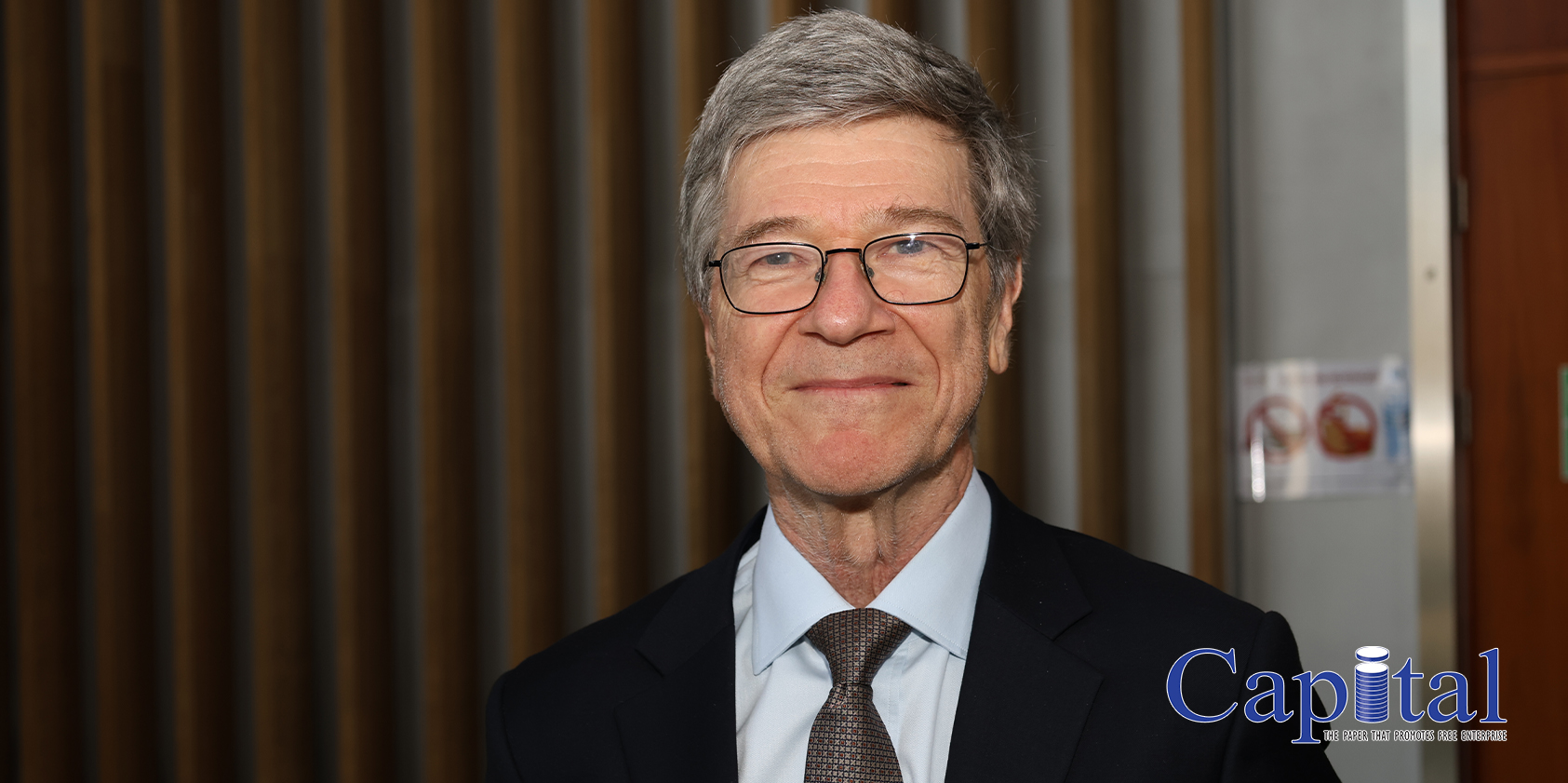
Jeffrey D. Sachs, professor at Columbia University and president of the UN Sustainable Development Solutions Network, struck an optimistic tone. “Africa’s era of rapid growth has arrived,” he said, outlining what he described as the continent’s next development phase.

According to Sachs, that future will rest on three pillars: the African Continental Free Trade Area, a large-scale shift to renewable energy, and expanded investment in science and education. If fully implemented, he argued, the African Union’s strategy—anchored in solar power, quality education and integrated continental trade—could position Africa as a key driver of global sustainable development.

The session examined how deeper commercial engagement with China and South Asian economies could accelerate industrialization, infrastructure development and technology transfer across Africa, particularly as global supply chains undergo significant reconfiguration.

Sachs encouraged African businesses to expand trade and investment ties with Asian partners, describing South–South cooperation as an increasingly important complement to Africa’s broader global trade strategy.

However, speakers stressed that diversification must be accompanied by strategic negotiation. Kebour underscored that trade agreements with Asian economies should be built on fairness, reciprocity and value addition. He cautioned against arrangements that risk reinforcing raw material dependency or locking African economies into unequal terms.

“Africa’s engagement with Asia must be anchored in industrial development and equitable partnership,” he said, emphasizing that expanded trade should strengthen local enterprises, boost manufacturing capacity and align with the objectives of the African Continental Free Trade Area.

Data presented during the broader summit underscored the scale of the challenge. Despite the promise of continental integration, intra-African trade currently stands at just 15 percent—far below levels recorded in Europe or Asia. Participants agreed that deepening regional value chains and strengthening industrial linkages remain urgent priorities.

As the meetings concluded, a common theme emerged: while new partnerships—whether through BRICS or expanded Africa–Asia trade—offer significant opportunities, sustainable transformation must ultimately be driven from within the continent. Without structural economic reform, private-sector revitalization and decisive action to address energy shortages through green technology, speakers warned, shifts in global financial alignments alone will not deliver lasting prosperity.

Animal Product Prices Surge as Meat and Dairy Costs Jump Over 14% in a Month

0

Ethiopian households are facing renewed pressure as the cost of essential animal products surged sharply between December 2025 and January 2026, offsetting modest relief seen in other food categories.

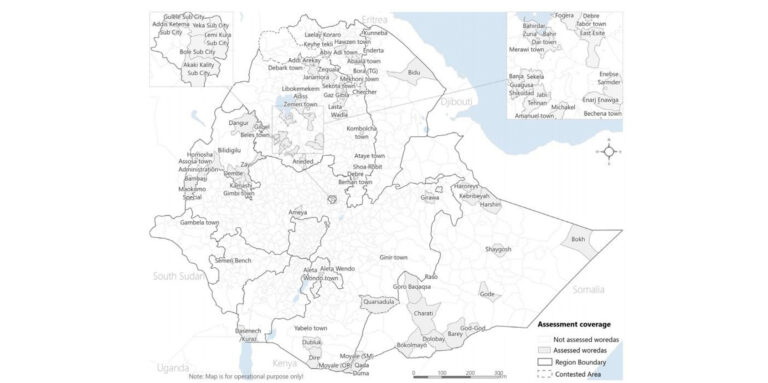
The January 2026 Joint Market Monitoring Initiative (JMMI) report shows that meat and dairy prices rose between 14 percent and 20 percent within a single month, placing additional strain on family budgets already stretched by inflation and market disruptions.

According to the report, the national median cost of the Minimum Expenditure Basket (MEB) for a six-person household declined by 1 percent, largely due to seasonal harvests that pushed down vegetable prices. Onion prices fell by 25 percent, while tomatoes dropped by 20 percent, offering short-term relief for consumers.

However, the drop in vegetable prices was outweighed by steep increases in protein-rich foods, which are essential for a balanced household diet.

Nationally, cow milk prices surged by 20 percent, while raw fish prices also climbed by 20 percent. Goat meat increased by 14 percent, and egg prices rose by 5 percent over the same period.

“Contrary to the overall decline in food prices, most meat and animal products showed price increases during the specified period,” the report stated.

The data suggests that while seasonal supply improvements have stabilized crop prices, animal-product supply chains remain under significant strain.

The impact of rising prices has not been uniform across the country. While Tigray and Amhara experienced slight declines in overall consumer basket costs due to harvest-related supply improvements, other regions recorded notable inflation.

Benishangul-Gumuz registered the highest monthly price increase at 11 percent, followed by Somali at 9 percent and Oromia at 6 percent. These increases are linked to weak market functionality, with 52 percent of markets assessed nationwide described as operating poorly.

Gambella recorded a market functionality rate of 0 percent, indicating severe disruption. Amhara (74 percent) and Afar (67 percent) also reported significant market challenges.

The surge in animal-product prices is closely tied to supply-side constraints. Nearly 30 percent of meat and fish vendors reported serious difficulties sourcing sufficient products to meet demand. The main causes cited were domestic transport constraints (33 percent), vendor capital shortages (28 percent), and reduced production levels (22 percent).

Access to markets is also becoming increasingly difficult for consumers. Vendors reported that vulnerable households are struggling to reach marketplaces due to movement restrictions and security concerns.

Despite the spike in animal-product prices, the report recorded a slight nationwide decline in non-food item (NFI) costs, general household expenditure, and overall food prices during the one-month period. Non-food item prices dropped by 3 percent, overall national expenditure fell by 1 percent, and food costs declined marginally by 0.4 percent.

This modest easing was most evident in Tigray, Amhara, South Ethiopia, Gambella, Addis Ababa, and Southwest Ethiopia, where harvest season dynamics improved the availability of vegetables and staple grains.

Market monitors caution, however, that the relief may be temporary. While harvest cycles support crop supply, animal-product supply chains remain vulnerable to transport bottlenecks, financing constraints, and broader market instability.

Looking ahead, 68 percent of food vendors expect prices to rise again next month, citing currency fluctuations and continued market uncertainty as key drivers.

Humanitarian organizations are calling for continuous market monitoring to track price volatility and adjust assistance programs to ensure vulnerable households maintain access to essential food items.