Thursday, November 26, 2026
Home Blog Page 458

From ISO to 4PL: Ethiopian Shipping and Logistics Charts Course Toward Global Competitiveness

0

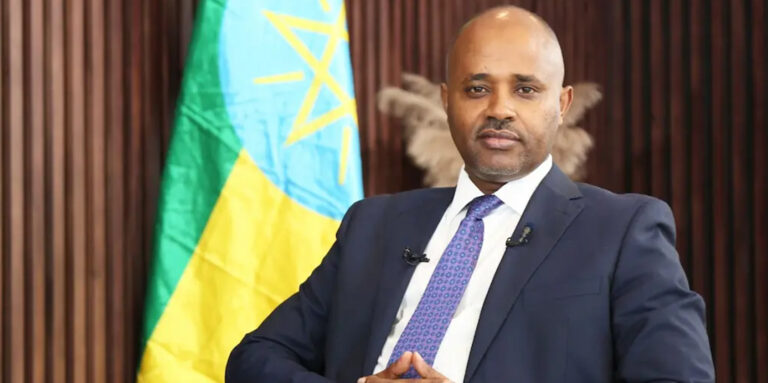
In an era marked by global supply chain volatility and mounting pressure for economic self-reliance, Ethiopian Shipping and Logistics (ESL) is positioning itself at the forefront of Ethiopia’s trade transformation. As the nation’s primary maritime gateway and a central pillar of import–export activity, the enterprise is undergoing a far-reaching shift—from a conventional cargo carrier to a fully integrated, internationally competitive logistics provider.

The company recently achieved a major corporate milestone by securing ISO 9001:2015 Quality Management System (QMS) certification, following more than three years of institutional reform, process standardization, and digital modernization. For CEO Abdulber Shemsu, however, the accreditation represents a starting point rather than a destination.

In an exclusive interview with Capital, Abdulber discusses ESL’s transition from second-party logistics (2PL) toward third-party (3PL) and ultimately fourth-party logistics (4PL) services, the expansion of its global footprint through vessel acquisitions and joint ventures, and the strategic choices being made amid Red Sea instability. He also outlines how the enterprise is balancing asset ownership with outsourcing, accelerating digital transformation, and stabilizing Ethiopia’s supply chain during turbulent times. Excerpts:

Capital: What does receiving ISO 9001:2015 certification signify for your organization and customers?

Abdulber Shemsu: Securing ISO 9001:2015 is a landmark achievement for our institution. More importantly, it establishes a structured framework that allows us to continuously and sustainably improve our services. Every process is now standardized and measured against internationally recognized benchmarks.

We view this certification as the baseline for our five-year strategic plan, which aims to position ESL as a world-class logistics provider operating in full alignment with global standards. With end-to-end digitalization and standardized quality management, we are strengthening our credibility as a preferred international partner.

Capital: What did the preparation process entail?

Abdulber: The journey took more than three years. ISO standards require that every task and procedure be evaluated within a formal quality management system. Given the scale of our domestic and international operations, this was a comprehensive undertaking.

We conducted multiple audit phases, implemented corrective measures, restructured departments, and delivered targeted training across our branches. Today, the vast majority of audit findings have been addressed, and dedicated teams are in place to ensure continuous compliance and improvement.

Capital: Are you pursuing additional certifications, particularly in safety and environmental standards?

Abdulber: Absolutely. While QMS certification is foundational, our shipping and port operations require adherence to specialized safety and environmental standards. As we expand into e-commerce and integrated logistics, compliance becomes even more critical.

“This certification is merely the beginning—it represents the baseline. Without it, progress is not possible, and we have no intention of regressing.”

Within the coming year, we plan to secure further safety and environmental certifications to reinforce our operational excellence.

Capital: The institution plans to evolve from 2PL to 3PL and eventually 4PL. What investments support this ambition?

Abdulber: Currently, ESL operates as a 2PL provider. Transitioning to 3PL means managing the entire supply chain—from consolidation and packaging to door-to-door delivery. Ultimately, 4PL would position us as a full supply chain integrator.

We do not intend to rely solely on our own assets. For example, we utilize the Ethio-Djibouti Railway for rail transport rather than investing in redundant infrastructure. In road transport, we combine our own fleet with outsourced trucking services. Similarly, when cargo exceeds our vessel capacity, we collaborate with other carriers.

Our focus is on optimizing capacity and efficiency—not merely expanding asset ownership.

Capital: What progress has been made in digitalization and ERP implementation?

Abdulber: Reducing Ethiopia’s high logistics costs is a national priority. Lower logistics expenses ensure that goods remain affordable and that perishable commodities reach the market before spoilage. As Ethiopia’s principal gateway to global trade, Ethiopian Shipping and Logistics handled more than 40 percent of the country’s imports this year, with the remainder managed by foreign carriers. Managing such scale efficiently requires robust systems, and we have therefore fully integrated an enterprise resource planning (ERP) platform across our operations.

Beyond ERP integration, we are rolling out advanced digital platforms that enable customers to access our services remotely. These include end-to-end traceability, online booking, digital price negotiation, and a mobile application that provides real-time tracking of cargo from origin or warehouse to final destination. The system will be inaugurated shortly and is expected to significantly enhance transparency, operational efficiency, and cost competitiveness across the supply chain.

Capital: What are the core objectives of your five-year strategy?

Abdulber: Shipping remains the cornerstone of our business. Over the next five years, we plan to acquire 16 additional vessels, six of which are scheduled for procurement within the current fiscal year. This expansion is designed to strengthen our fleet capacity, enhance service reliability, and reinforce our competitiveness in international markets.

We also aim to generate more than $1.7 billion in foreign currency by expanding cross-border services beyond the transportation of Ethiopian cargo. For the 2022 Ethiopian fiscal year (2030 G.C.), we are targeting annual revenue of 295 billion Birr, alongside a proportional increase in net profit.

In parallel, we intend to establish joint ventures or strategic shareholdings in at least four countries to broaden our global footprint. A central milestone of our five-year roadmap is completing the transition from a second-party logistics (2PL) provider to a fully integrated third-party logistics (3PL) operator, positioning us to manage supply chains end-to-end and deliver greater value to our customers.

Capital: How has performance been over the past six months?

Abdulber: Our performance has surpassed expectations. In the last six months, we generated 74.4 billion Birr in revenue—a 59 percent increase year-on-year.

We transported nearly 59,000 TEUs in multimodal operations, while vessel utilization rose by over 92 percent. In dry bulk fertilizer shipments, we exceeded our target by transporting 1.2 million metric tons—160 percent of our planned volume—without incurring demurrage charges. 84% of the fertilizer transported inland was moved by truck and 16% by rail.

Capital: How has the Red Sea security crisis affected your operations?

Abdulber: Ethiopia is the only African country operating its own national fleet in the volatile Red Sea corridor. While several countries rely solely on liner services, Ethiopia operates on a Direct Port Cargo (DPC) basis, giving us greater operational flexibility during crises.

When security tensions escalated and major liner operators suspended transit through the Suez Canal, Ethiopian cargo was stranded at multiple transshipment hubs. In response, we mobilized our vessels to provide feeder services, moving goods from nearby ports to Djibouti to prevent prolonged supply disruptions. As stability gradually returned, international liners resumed passage through the canal.

Under normal circumstances, we allocate part of our fleet to cross-trade services for other countries. However, when international slot rates surged sharply—rising, for example, from $5,000 to $7,000 for a 40-foot container—we intervened to protect domestic importers. We diverted vessels from high-yield cross-trade routes and reassigned them to prioritize Ethiopian cargo, ensuring continuity of supply at more manageable costs.

This was a deliberate market-stabilization measure. While the move contributed positively to overall revenue, it reduced our projected foreign currency earnings. We had anticipated $150 million in forex revenue but realized $134 million. The $16 million gap reflects a conscious decision to cushion the national economy rather than pursue maximum short-term gains from international cross-trade operations.
Ethiopia’s Forex Reform Draws Cautious Optimism from Experts

0

Ethiopia’s sweeping overhaul of its foreign exchange regime has been welcomed with cautious optimism by financial experts, who say the reform marks a decisive step forward but warn that its success will depend on rapid capacity building and clear operational guidance extending beyond the banking sector.

The reform, led by the National Bank of Ethiopia (NBE), forms part of a broader macroeconomic adjustment programme aligned with the International Monetary Fund (IMF)’s Article VIII principles. The measures are designed to liberalise access to foreign currency, strengthen Ethiopia’s integration into global trade, and boost investor confidence.

A Long-Awaited Shift

Eshetu Fantaye, a veteran banker and former president of several commercial banks, described the reform as bold but overdue. He argued that had similar measures been introduced at the outset of Ethiopia’s wider economic reform programme, the country might have been better positioned to secure foreign currency inflows and cushion the depreciation of the birr.

Earlier action, he noted, could also have eased price volatility in essential commodities such as edible oil. Nevertheless, he characterised the current changes as a critical second-generation reform in foreign currency administration — one that touches operations, reserve management, trade flows, and the balance of payments.

“If these changes had been introduced immediately after foreign currency administration was delegated to commercial banks in 1998 under Transfer of NBE’s Foreign Exchange Functions to Commercial Banks Directive No.FXD/07/1998, our economic trajectory might have been very different,” Eshetu said.

Eshetu who is now working as a consultant to local and international institutions, believes the reform signals regulatory continuity and commitment, which could strengthen Ethiopia’s credibility among international partners. However, he stressed that implementation capacity — both within the regulator and commercial banks — will determine its ultimate impact.

One of the most significant changes allows banks to offer forward exchange contracts in addition to spot transactions. This gives importers and exporters greater flexibility to manage currency risk.

Eshetu cautioned, however, that local banks will need time and technical preparation to effectively introduce such instruments, particularly under provisions such as Article 3.1 of the amendment. Articles addressing international lending, forward contracts, and guarantees require sophisticated risk management frameworks that cannot be built overnight.

He urged major banks to collaborate with international partners — through technical assistance or strategic alliances — to accelerate knowledge transfer and system development. Without such preparation, he warned, domestic institutions could lose ground once internationally experienced banks enter the Ethiopian market.

Eshetu also called on the NBE to establish clear implementation timelines to prevent delays. “If left to their own pace, banks may only respond when foreign competitors arrive,” he noted.

Addressing Repatriation Concerns

A central objective of the reform is to restore confidence among foreign investors, particularly regarding the repatriation of dividends and capital.

During a recent parliamentary session, NBE Governor Eyob Tekalegn stated that long-standing repatriation bottlenecks have largely been resolved following a fundamental restructuring of the foreign exchange system in mid-2024.

“International investors have frequently expressed concern about Ethiopia’s currency regime,” he said. “The updated framework has significantly improved confidence.”

Under the revised directive, investors may now remit net profits abroad without prior central bank approval, provided documentation is verified by commercial banks. Eyob added that no investor at a recent meeting with the American Chamber of Commerce in Ethiopia reported difficulties repatriating funds.

Eshetu, however, advised vigilance. He recommended that the NBE compile a comprehensive account of outstanding dividend and repatriation obligations to ensure transparency and smooth settlement.

Private Sector Reaction

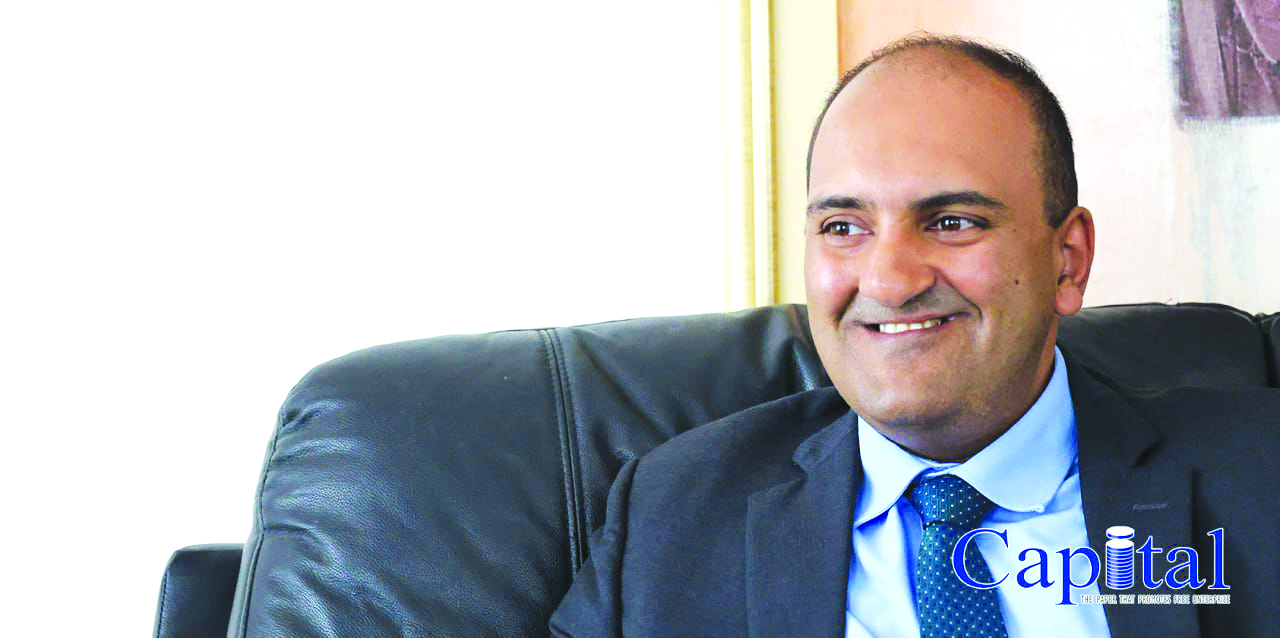
Private sector leaders have broadly welcomed the changes. Harsh Kothari, CEO of the Mohan Group and an early investor in the Dire Dawa Free Trade Zone, described the move as exceptionally bold.

“This reform builds confidence,” Kothari said, noting that liberalised currency rules demonstrate Ethiopia’s readiness to compete globally. For foreign investors, he added, the message is clear: capital can move freely and predictably. “We have already been enjoying these freedoms at the Free Trade Zone,” he said.

He added that the sweeping reforms signal Ethiopia’s readiness to engage in global competition. “This decision does two things: it gives confidence, and at the same time, it demonstrates our capacity,” Kothari explained.

For foreign investors, the message is equally powerful. “It tells them that their foreign currency is truly their own and that they can move their capital at any time,” said Kothari, whose family has been doing business in Ethiopia for over a century. “I believe this reform is primarily about building that trust.”

Kothari also expressed confidence in the ability of Ethiopian investors to thrive in this new, open environment, not only within Ethiopia but also on the global stage. “For more than two decades, Ethiopian investors have been competing successfully with foreign direct investment (FDI) here at home. Even without explicit government policy guiding them in the past, many Ethiopian businesses have already ventured outside the country, proving they have the awareness and capability to compete in international markets,” he told Capital.

Daniel Getnet, an FDI and legal consultant, echoed this sentiment, arguing that the directive significantly reduces one of the main concerns raised by international investors — swift profit repatriation.

At the same time, experts have called for transparent criteria governing outward investment approvals. Without clear guidelines, Daniel warned, the NBE’s discretionary authority could create uncertainty.

Key Features of the Reform

The National Bank of Ethiopia has implemented one of the most significant overhauls of the nation’s foreign exchange architecture in decades, adopting core recommendations of the International Monetary Fund’s Article VIII as part of an ongoing macroeconomic reform programme.

In its latest directive amendment, the central bank removed a broad array of longstanding restrictions, granting exporters the right to retain one hundred percent of their proceeds indefinitely and permitting authorised banks to issue internationally recognised cards against foreign currency accounts for outbound retail payments, including e-commerce, provided sufficient balances are held.

Foreign exchange account holders, including those with retention accounts, may now directly debit their accounts to cover education, medical, and travel expenses for spouses and children upon presentation of valid documentation, while the previous minimum balance requirement of one hundred US dollars to open foreign exchange savings accounts for resident and non-resident Ethiopians and foreign nationals of Ethiopian origin has been eliminated.

Profit-making institutions may open current, savings, and time deposit foreign exchange accounts provided the currency originates from grants, gifts, or other non-export sources, and outbound investment by Ethiopian nationals is now permitted subject to case-by-case approval by the National Bank.

Individuals entering Ethiopia may convert foreign currency at authorised bureaus without presenting a customs declaration or deposit the full amount into their foreign currency accounts, while outbound remittances of up to three thousand US dollars are allowed for both account holders and non-account holders supporting family members abroad.

Investors repatriating dividends may remit net profits abroad without seeking National Bank approval upon submission of required documentation verified by commercial banks.

In a parallel move to strengthen the independent foreign exchange bureau network, the central bank has released the full thirty million birr security deposit to forex bureaus operational for one year or more, and half that amount to those operational for at least six months, while raising the cash holding limit from ten to twenty-five percent of capital, with any excess to be sold to commercial banks.

Forex bureaus are now additionally permitted to sell foreign currency cash for domestic payments including visa, immigration, and licence fees upon presentation of payment evidence.

Foreign direct investment enterprises, embassies, international organisations, and non-governmental organisations may open foreign exchange accounts at any authorised bank without an approval letter from the National Bank of Ethiopia.

The directive represents one of the most significant overhauls of the nation’s foreign exchange architecture in decades and is intended to enhance private sector flexibility, deepen financial inclusion, and support durable external sector stability in alignment with international best practice.

Despite broad support for the changes, business leaders caution that macroeconomic reform alone will not guarantee success. A stable and peaceful domestic environment, they stress, is essential to unlock the full benefits of liberalisation.

As Eshetu concluded, “The framework is now stronger. What matters next is implementation, capacity, and maintaining the stability that allows confidence to grow.”

Second Italy-Africa Summit held in Addis Ababa, Pledging a New Era of Partnership

0

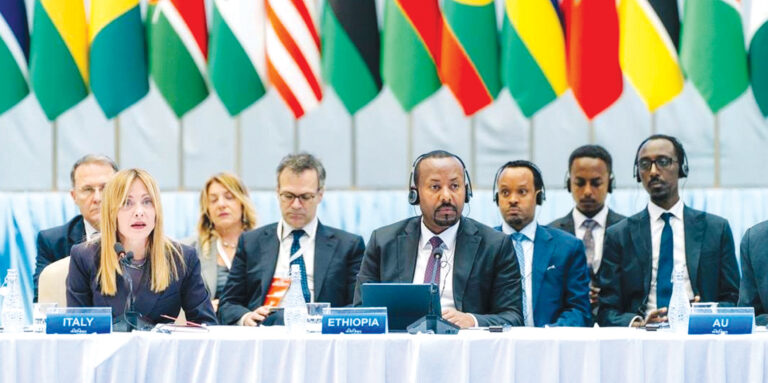
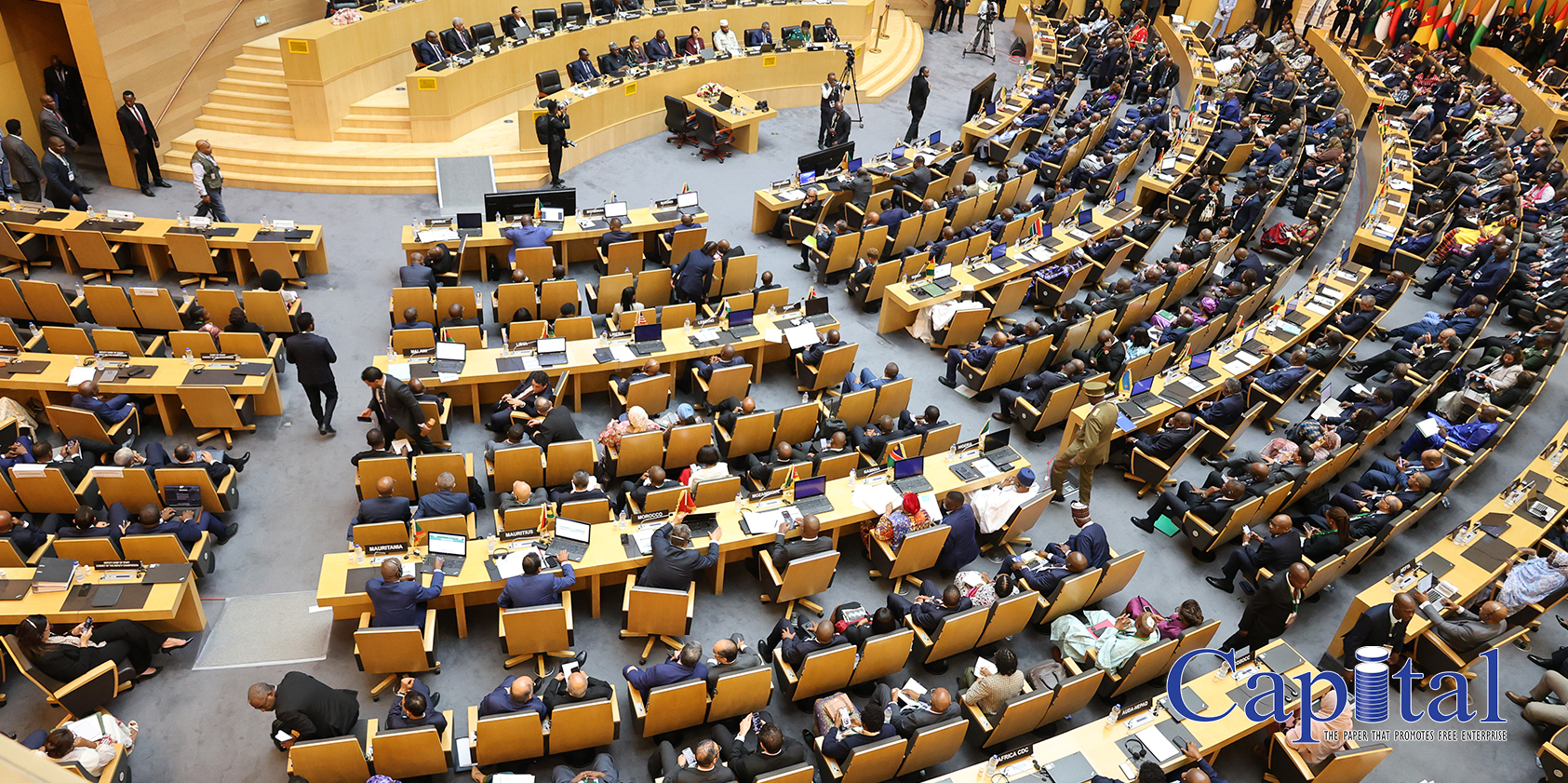
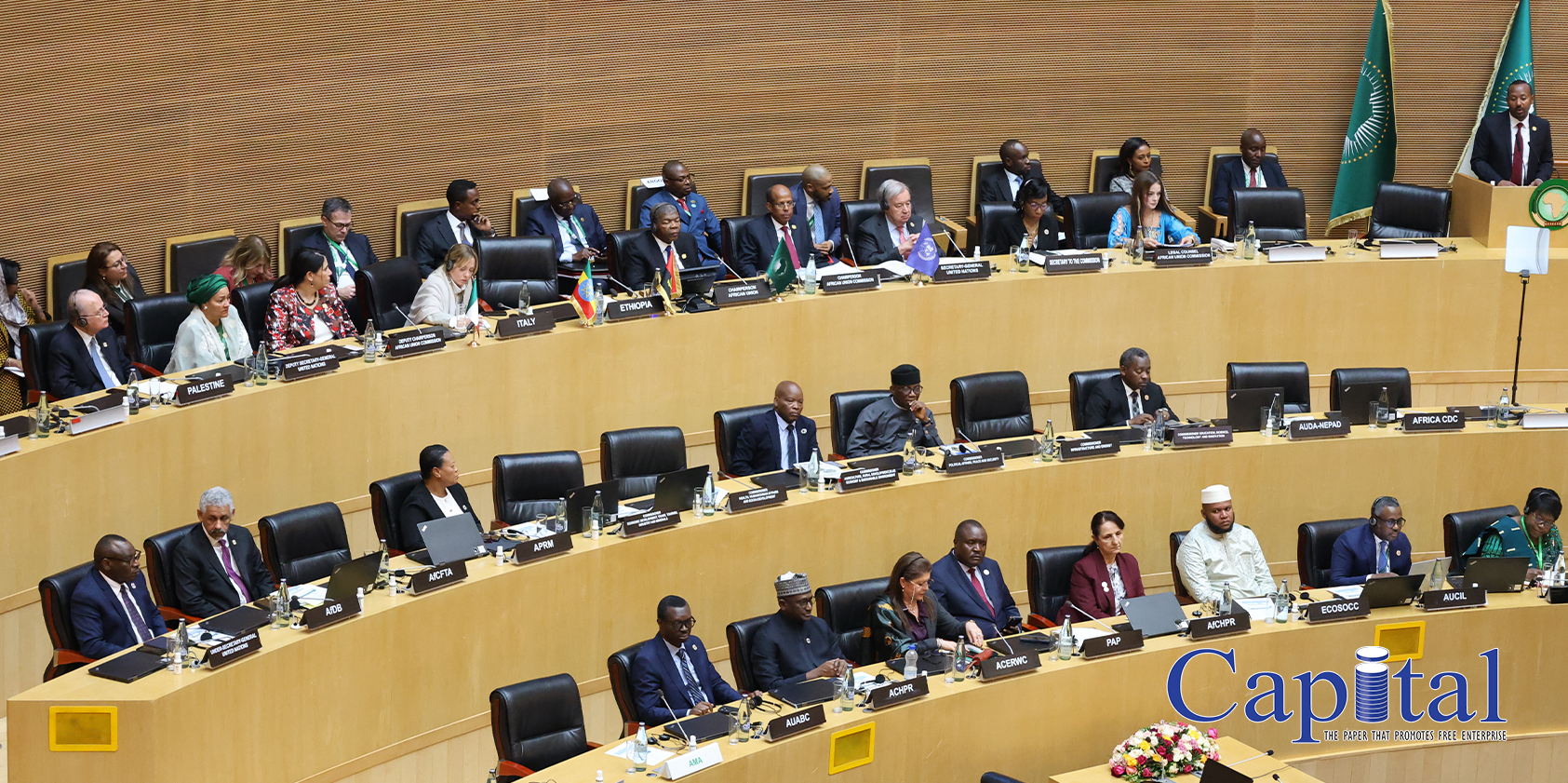
The Second Italy–Africa Summit convened in Addis Ababa on Friday, marking a pivotal moment in relations between Europe and the African continent. Co-hosted by Ethiopia and Italy, the high-level forum is being held on African soil for the first time, underscoring a renewed commitment to structured, long-term collaboration under Italy’s Mattei Plan for Africa.

Ethiopian Prime Minister Abiy Ahmed and Italian Prime Minister Giorgia Meloni are leading the talks, which coincide with the 39th Ordinary Session of the African Union Assembly. The summit aims to move beyond dialogue toward concrete outcomes, with discussions focused on trade, investment, energy, infrastructure, agriculture, and innovation.

In his opening address, Prime Minister Abiy framed the gathering as a “defining moment” for Africa-Europe relations. He emphasized the potential of combining Africa’s youthful dynamism with Europe’s experience and capital to unlock unprecedented growth.

“By combining Africa’s energetic and creative population with Europe’s experience, technology and capital, we can build solutions that deliver prosperity to our continents and beyond,” Abiy stated. He welcomed Italy’s Mattei Plan, noting it aligns with Ethiopia’s homegrown economic reforms in renewable energy, digital transformation, and infrastructure development.

United Nations Secretary-General António Guterres described the summit as “a light in a world of growing divides” amidst global geopolitical fragmentation. He urged that partnerships focus on advancing the Sustainable Development Goals and Agenda 2063, calling for urgent reforms to close the financing gap facing developing nations.

“Arica’s success is essential for a safer, more equal and more sustainable world,” Guterres said.

Hosting the gathering in Addis Ababa—the seat of the African Union—reinforces Ethiopia’s role as a platform for multilateral engagement. The summit is distinct from the upcoming “Invest in Ethiopia 2026” business forum scheduled for March. Leaders concluded the opening session with a call for a redefined partnership based on dignity and shared prosperity, rather than dependency.

The Continental Strategy Shifts focus to green and digital economy by 2034

0

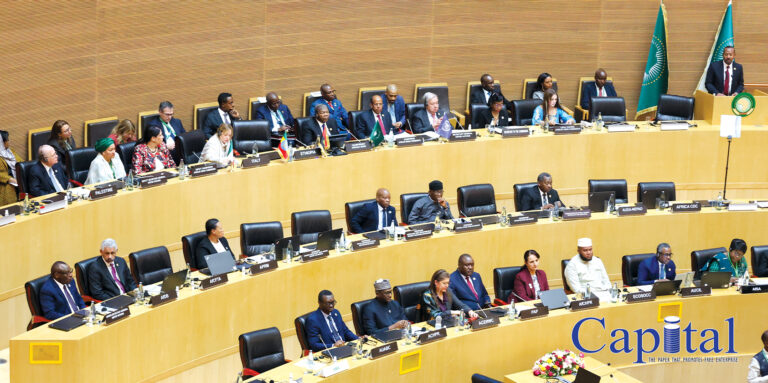
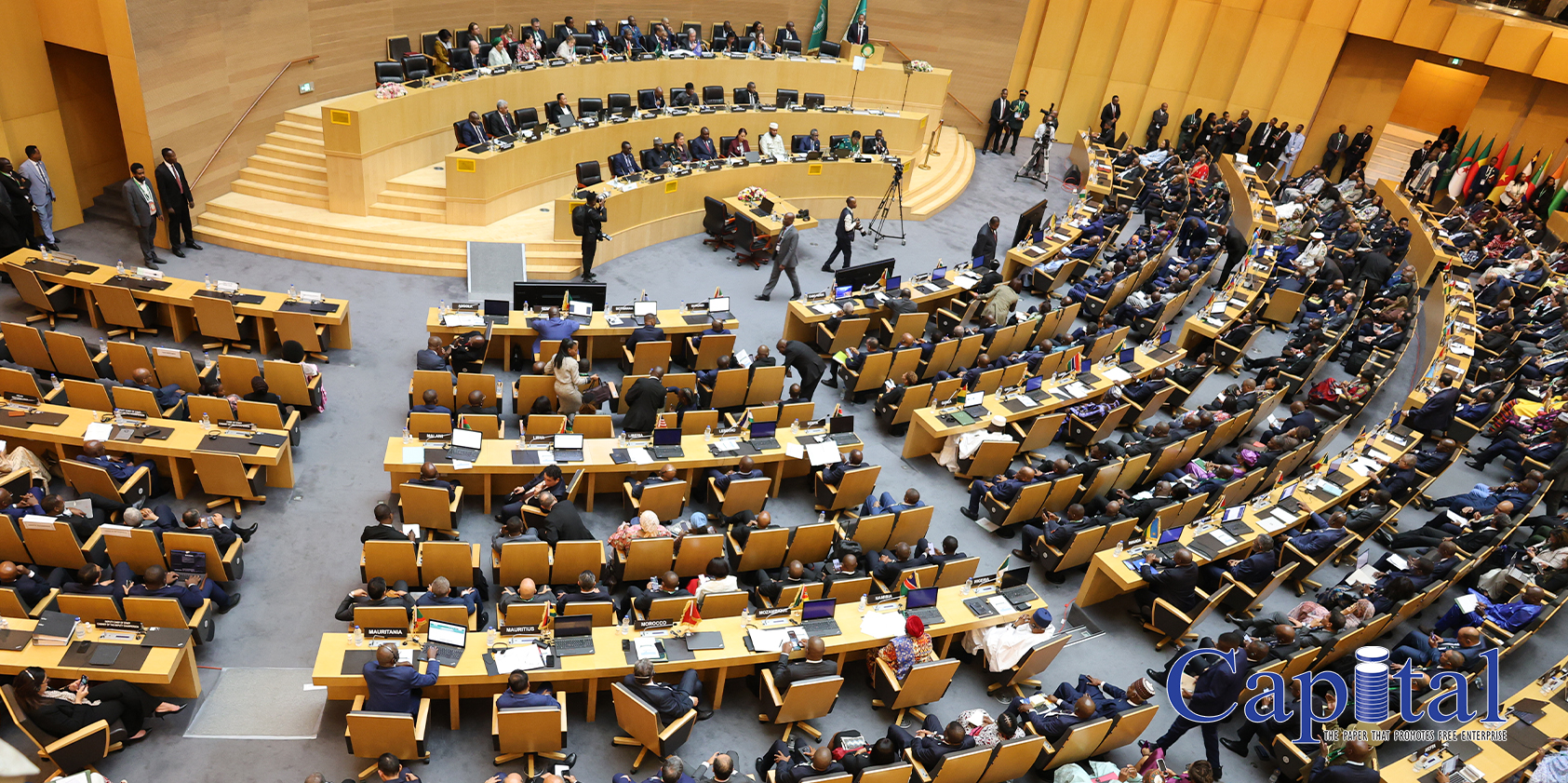
The African Union delegation turned the continent’s development trajectory towards a silicon (technology) and a sustainability. At the 39th Ordinary session of the African Union (AU) in Addis Ababa, Ethiopia, African leaders unveiled a 10-year implementation plan to make the continent a leading engineer of the digital age beyond the benefits of technology.

At the heart of this change are three key strategies: the African Strategy for Science, Technology and Innovation (STISA-2034), the Continental Technical and Vocational Training Strategy (2025–2034), and the African Continental Education Strategy (CESA 26–35).

Together, the initiatives aim to convert Africa’s scientific potential and youthful population into economic value generated on the continent — breaking with the long-standing model of exporting raw materials while importing finished goods.

Gaspard Banyankimbona (Prof.) AU Commissioner for Education, Science, Technology, and Innovation (ESTI), described the initiative as urgent and transformative.

“Africa is currently at a crossroads,” Banyankimbona warned during a briefing at AU headquarters, “If we don’t invest in our children’s minds today, we will pay the price for the instability, inequality, and dependence that will come tomorrow.”

According to the Centers for Disease Control and Prevention, 80% of 10-year-olds in Africa are unable to read or understand simple texts. While Africa’s youth population is projected to double by 2050, this “youth surplus” could become a “suicide bomb” if the education system is not changed urgently, leading to unemployment and skills loss, the commissioner said.

To counter this, the new Education and Skills Development Decade of Transition (2025–2034) sets clear goals.

By 2034, it is planned that every African child will have basic literacy skills, as well as the skills needed for a green and digital economy. It is stated that the “green and digital” transition is not just an empty word spoken in the halls of the Union, but also the basis of the STISA-2034 strategy.

The plan focuses on areas where Africa seeks to achieve global competitiveness, namely agriculture, health, energy, digital technology and the environment.

“Africa is no longer limited to exporting raw materials and importing manufactured products,” Banyankimbona said. “Our ambition is to use our own talents to create value on African soil.”

A major shift involves re-branding Technical and Vocational Education and Training (TVET). Long viewed as a “second-best” option for those who failed academically, the new strategy positions TVET as the engine of the African Continental Free Trade Area (AfCFTA), moving from a “training for a job” mindset to “empowerment for innovation,” promoting entrepreneurship, digital skills, and advanced manufacturing.

Programs such as the Presidential Youth in Artificial Intelligence (AI) and Robotics Competition, as well as the establishment of national innovation centers in all 55 member states, are the main ones.

​To ensure these goals are not just “paper promises,” the Union officially launched the Africa Education, Science, Technology, and Innovation Fund (AESTIF). Established in partnership with the African Development Bank (AfDB), the fund aims to bridge the massive investment gap in Research and Development (R&D).

Member states are strongly asked to allocate 1 percent of their gross domestic product (GDP) to research and development. A new Pan-African Creative, Educational, and Cultural Competency Index is also used to track the process.

Despite the ambitious agenda, leaders acknowledged that ongoing conflicts in Sudan, the Democratic Republic of the Congo, and parts of the Sahel continue to divert political attention and financial resources.

Mahmoud Ali Youssouf, AU Commission Chairperson, emphasized that governance reform is essential for sustainable development, highlighting the role of the African Peer Review Mechanism in strengthening institutional resilience (APRM).

The summit, held on February 14-15, 2026 at the Union headquarters, rose as a starting point for transforming historical frameworks focused on education, science and resource management into an integrated growth engine under the shadow of “Agenda 2063”.

Moving beyond traditional security discussions, the AU designated 2026 as the year of “Ensuring Sustainable Water Supply and Reliable Sanitation Systems.” The summit saw the adoption of the Africa Water Vision 2063 and Policy (AWVP63). This policy treats water not just as a natural resource, but as a political and economic driver, seeking trans boundary cooperation over fragmented national projects.

​Gedion Timothewos, Ethiopia’s Minister of Foreign Affairs, addressed the 48th Ordinary Session of the Executive Council, highlighting Africa’s recent successes in gaining a collective voice in the G-20 and pushing for UN Security Council reform.

​He cautioned that the current global political climate threatens to turn Africa into a “battleground for superpower competition.” To counter this, he argued that continental unity is vital for shared security and sovereignty.

He noted that the integration efforts initiated through Agenda 2063 and the AfCFTA are being transformed into action. Although encouraging results have been recorded in the areas of health, agriculture and climate change, Gedion said there is still a lot of work to be done to reach the “Africa we desire” and that efforts need to be redoubled.

He further emphasized the need for stronger representation in international financial and political institutions, including debt relief, climate finance access, and a permanent African seat on the Security Council.

The foreign minister said that Africa’s relations with other countries should be based on true solidarity and mutual respect rather than charity.

Ethiopia has expressed its readiness to host the COP 32 summit and called on Africa to lead the world in climate justice. In particular, addressing this year’s theme of water and sanitation, it was pointed out that the continent’s great rivers and lakes should be used for mutual benefit on the principle of “UBUNTU” or in a manner that respects the interests of all parties.

By 2034, AU leaders envision a continent capable of developing its own artificial intelligence systems in African languages, expanding clean energy industries, and manufacturing vaccines and advanced technologies domestically.

“This is a decade of commitment to our youth,” Commissioner Banyankimbona said. “We are investing in our most strategic asset — the minds of Africans.”

The Addis Ababa summit marked a decisive step toward aligning education, innovation, and sustainability under the broader vision of Agenda 2063 — signaling Africa’s intent to compete not only as a supplier of resources, but as a creator of knowledge and value in the global economy.