Thursday, November 26, 2026
Home Blog Page 567

From a Billion Trees to a Billion Voices

0

Ethiopia’s Decade of Climate Leadership — From the Green Legacy Initiative to COP 32 — Signals a New Era of Ecological Sovereignty for the Greater South

With COP 30 in Belém, deep within the Amazon, now concluded, it’s essential to recognize that this COP was not solely about the Amazon; it was held in the Amazon. As negotiations wrap up, the global focus shifts beyond Belém to the next chapter: COP 32 in Africa.

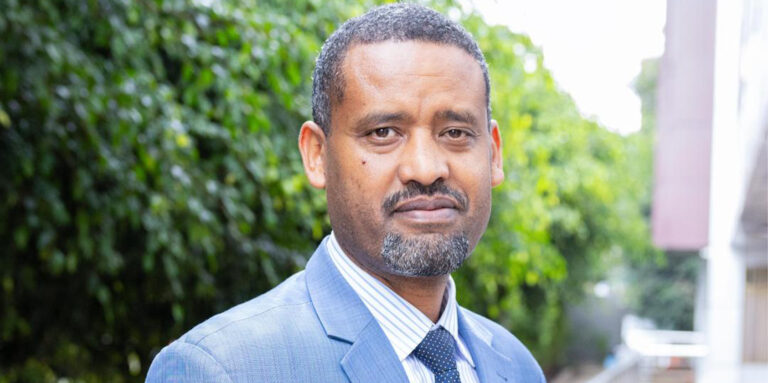
The confirmation that Addis Ababa, Ethiopia, will host COP 32 in 2027, along with the formal introduction of Gedion Timotiwos as the COP 32 President-Designate, marks a pivotal moment for African climate diplomacy and the broader aspirations of the Greater South.

Over the years, the COP process has revealed cracks in credibility and inclusiveness, with decisions often influenced more by power imbalances than by urgent planetary needs. Many in the Greater South have grown disillusioned with unfulfilled commitments, fragmented financing, and a system that struggles to align justice with ambition. Ethiopia’s presidency presents an opportunity to mend these fractures — to restore trust, rebalance voices, and reinvigorate a shared purpose in multilateral climate governance.

For the first time in years, the global climate negotiation table seems ready to prioritize Africa’s needs — from adaptation and resilience to just transitions and ecological sovereignty.

Ethiopia’s role as host is not merely ceremonial; it is a significant opportunity for the continent and the South to assert leadership, promote Ecologically-Driven Development (EDD), and reshape global climate governance in favor of justice, equity, and collective sovereignty.

Ethiopia’s Proven Climate Leadership

Before earning the opportunity to host COP 32, Ethiopia had already established itself as one of the most proactive and credible voices in the Greater South.

  • Hosted the Second African Climate Summit (ACS-2) in September 2025, aligning Africa’s vision for green industrialization and climate resilience.
  • Chaired the Least Developed Countries (LDC) Group under the UNFCCC, representing 46 vulnerable nations.
  • Hosted and chaired AMCEN (the African Ministerial Conference on the Environment) for two years and remains a Bureau member of UNEA, the world’s leading environmental body.
  • Pioneered the Climate-Resilient Green Economy (CRGE) strategy — integrating adaptation, mitigation, and green growth — long before such frameworks gained global traction.
  • Submitted both its Nationally Determined Contributions (NDC) and Long-Term Low Emission Development Strategies (LT-LEDS)ahead of COP 27 in Sharm El-Sheikh, becoming the first African nation to do so.
  • Anchored global finance discourse in 2015 by hosting the adoption of the Addis Ababa Action Agenda (AAAA) — a UN framework that laid the groundwork for financing the 2030 Agenda for Sustainable Development.

This continuity — from the AAAA on financing to COP 32 on implementation — highlights Ethiopia’s unwavering commitment to transforming global pledges into actionable change.

The Green Legacy Initiative: Nature in Action

Launched by Prime Minister Abiy Ahmed in 2019, the Green Legacy Initiative (GLI) is among the world’s most ambitious reforestation and ecosystem restoration efforts.

In just five years, Ethiopia has planted over 32 billion seedlings, restoring degraded landscapes, recharging watersheds, and strengthening rural livelihoods.

The GLI serves as a living model of nature-based solutions (NbS) — linking reforestation, soil and water conservation, and agroecology to climate adaptation and mitigation.

It illustrates that Africa’s solutions are already in motion, grounded in community participation and indigenous ecological wisdom.

Why Hosting Matters

  • Symbolic and Diplomatic Milestone — The African Group of Negotiators (AGN) unanimously supported Ethiopia’s bid over Nigeria, and the decision has now been formally endorsed. Following COP 27 in Sharm El-Sheikh, Addis Ababa’s selection reaffirms that Africa’s leadership in global climate diplomacy is not just episodic but enduring, showcasing the continent as not merely vulnerable but also visionary.
  • Agenda-Setting Power — As the host, Ethiopia will assume the COP Presidency, granting significant influence over the agenda and outcomes (Indian Express). This allows the Global South to elevate core priorities, including adaptation finance, loss and damage, just transitions, and ecological sovereignty.
  • Platform for the Greater South and EDD — The timing coincides with calls for Ecologically Driven Development, which integrates climate, environment, economy, and social justice. COP 32 provides a collective platform for Africa, Latin America, the Caribbean, and Asia-Pacific to present a united voice.
  • Domestic and Continental Leverage — The event will accelerate green industrialization, investment, and diplomatic visibility, strengthening institutions such as the African Union, OSC, and regional financial mechanisms.

Strategic Opportunities for the Greater South

  • Advance Loss & Damage and Climate Finance — Advocate for predictable, accessible financing tailored to the realities of the Global South.
  • Elevate South-South Partnerships — Transform Addis Ababa into a hub for renewable energy, green manufacturing, and technology transfer.
  • Embed Ecological Sovereignty — Institutionalize resource justice and decolonized climate narratives in COP outcomes.
  • Institutionalize the EDD Agenda — Launch regional investment hubs, sovereign green funds, and biodiversity-industrial initiatives grounded in Africa’s natural wealth.
  • Create a Lasting Legacy — Establish a Pan-African Climate Innovation Centre to connect research, policy, and implementation.

Risks and Strategies to Navigate

Risks: Resource strain, greenwashing, and elite capture may occur if local voices are excluded.

Strategies: Ensure inclusivity, embed accountability, and translate dialogue into action — from carbon markets to community resilience initiatives.

Turning Momentum into a Movement

As a climate change negotiator and advisor actively involved in EDD frameworks, I view Ethiopia’s presidency as a pivot point for the Global South to reclaim its narrative and future.

Key actions:

  • Develop a Greater South COP 32 Roadmap — Align governments and civil society across Africa, Latin America, the Caribbean, and Asia-Pacific.
  • Integrate EDD into COP 32 Strategy — Weave ecological integrity, social justice, and sovereign development into negotiations.
  • Create a South Solidarity Pavilion — Highlight innovations in renewable energy, regenerative agriculture, and community resilience.
  • Establish an African Climate Sovereignty Fund — Based in Addis Ababa, this fund will finance Southern-led innovation and adaptation.

Ethiopia’s hosting of COP 32 is not just a logistical achievement; it embodies a statement of principle and purpose. Built on a decade of home-grown climate action, from the CRGE and Green Legacy Initiative to the Addis Ababa Action Agenda and AMCEN leadership, and now bolstered by the appointment of Gedion Timotiwos as COP 32 President-Designate, it signals that Africa is ready to lead.

If leveraged strategically, Addis Ababa 2027 can bridge the financial vision of the Addis Ababa Action Agenda with the climate ambition of COP 32, marking a turning point where the Global South transitions from pledges to sustained action — moving from vulnerability to sovereign resilience and context-specific responses.

Getahun Garedew Wodaje (PhD) is an environmentalist and policy expert currently serving as the Director of the Office of Climate Action and Resilience Enhancement at the Organisation of Southern Cooperation. He previously held positions as Ethiopia’s State Minister of Education and Director General of the Environmental Protection Authority.


The SACCO Paradox: Your Savings Inflate Your Debt

0

I ran into an old friend of mine the other day at a coffee shop in Addis, the rich aroma of beans filling the air as we caught up. Our conversation, as it often does with those of us in my line of work, quickly turned to matters of finance. He runs a small retail business for spare parts. To fuel his inventory purchases, he is a borrower with one of the many Savings and Credit Cooperatives, or SACCOs that have proliferated across the city. He spoke highly of the experience at first – the sense of community, the accessibility compared to the imposing marble lobbies of commercial banks, the fact that they saw potential in him where traditional lenders saw only risk.

But then he leaned in, his tone shifting from praise to puzzlement. He explained his latest loan, detailing a practice I have come to recognize as a common, yet poorly understood, feature of cooperative lending. He was required to deposit a significant chunk of the loan amount, say twentyfive percent, back into the SACCO as a mandatory savings component. This is a familiar concept, a forced discipline to build a buffer. The confusion, and indeed the crux of the issue, arose with the interest calculation. He was under the impression that the interest he paid was calculated solely on the net amount he received. But as we discussed deeper, a different picture emerged. He was being charged interest on the entire approved loan amount, effectively paying for the privilege of borrowing money he never actually laid his hands on, money that was, in fact, locked away in his own savings account right there in the same institution.

This, my friend argued with a mix of frustration and feeling of betrayal, was a hidden cost. The

“low lending rate” advertised so prominently suddenly seemed like a magician’s trick, a hand that made an effective interest rate much higher than the stated one. His story is not an isolated one. It is a narrative that plays out in countless SACCO meetings and small business back offices, and it calls for a deeper investigation into the mechanics of these vital yet sometimes opaque entities. There is no denying the profound role SACCOs play in our financial ecosystem. In a market where traditional banks often fall short, tangled in collateral requirements and risk-averse policies that can strangle small ventures at birth, SACCOs offer a lifeline. Their flexible service offerings and a more communal, less stringent approach to credit assessment make them the default choice for many individuals and SMEs who are otherwise left on the financial sidelines.

The value proposition is compelling on the surface. You have mandatory savings that bear interest, a lending rate that appears competitive, and the prospect of an annual dividend from being a shareholding member. It is a powerful message that fosters a sense of ownership and mutual benefit. This is financial inclusion in its purest form, reaching the unbanked and the underbanked, building capital from the ground up. And because of this social mission, they are often viewed more as community service organizations than as purely profit-driven business entities. We can understand, then, the government’s intention to nurture them, to consider their positive contribution to the economy. Cooperatives, if managed with integrity and transparency, can genuinely change the lives of many, and by extension, lift the fortunes of the country.

But this very perception – the idea of the SACCO as a benevolent community group – creates a dangerous blind spot. It can foster an environment where financial clarity is sacrificed at the altar of accessibility. The critical question my friend’s experience raises is a simple one: shouldn’t there be a mandatory, crystal-clear pre-lending information session to explicitly inform borrowers that they will be charged interest not only on the borrowed funds but also on their own locked savings? This isn’t defaming the practice itself; from a pure accounting and liquidity management perspective, one can construct an argument for it. The SACCO uses the entire loan amount as the base for its interest calculations because, in a way, that capital is earmarked and deployed. The forced savings act as a security, reducing the net risk for the cooperative.

The problem is not necessarily the financial model, but the communication – or the profound lack thereof. When a carpenter or a young graduate starting a boutique marketing firm sits down to calculate their cost of capital, they are working with the stated interest rate. They are not factoring in the opportunity cost of the forced savings, nor the interest paid on money they cannot use. Their own accounting, the very foundation upon which they will build their business forecasts and personal budgets, is fundamentally flawed from the start because they are not in possession of all the facts. This opacity extends to the other side of the SACCO’s balance sheet, to the very savings members diligently contribute. It is an open secret in financial circles that these same cooperatives take the pooled member savings and place them in time deposit accounts at commercial banks, where they earn significantly higher interest rates – more than double the rate that is then accrued and paid back to the individual saver members. This spread is, of course, a primary source of revenue for the SACCO, and a legitimate one, but it remains a largely invisible transaction to the member whose capital is being deployed.

This is where the proponents of financial literacy have a monumental role to play. Our efforts cannot be confined to teaching people how to budget or save. We must equip them with the tools to deconstruct financial products, to ask the probing questions that reveal the true cost of credit and the true yield on their savings. What is the effective interest rate when you account for the compulsory deposit? And on the flip side, what is the institution earning on my savings versus what it is crediting to me? These are the concepts that bridge the gap between basic numeracy and genuine financial empowerment. Leaving members in the dark, however unintentionally, creates a distorted sense of value. A borrower might rejoice at a fifteen percent lending rate while unknowingly shouldering an effective cost that edges closer to or more than twenty percent. Savers might be content with a seven percent return, unaware their capital is generating more than fifteen percent for the cooperative in a bank vault. They might later receive a dividend, yes, but that is a sharing of the SACCO’s net profits at the end of the day, a partial return of the value their own capital created. The streams of cost and benefit are often mentally conflated, blurring the lines and making a true cost-benefit analysis impossible for the average member.

The success of the cooperative movement hinges on trust and mutual benefit. That trust is eroded when members feel, rightly or wrongly, that the terms of their engagement are not fully transparent. The solution is not to discourage these crucial institutions but to elevate their practices. It calls for a new standard of disclosure, one that is mandated not just by regulation but by a collective ethical commitment. Loan officers should be trained not merely as processors of applications but as educators, tasked with ensuring that every single member understands the financial commitment they are making, down to the last birr of effective interest and the real value of their saved birr. My friend left the coffee shop that day with a clearer understanding of his loan, but also with a sense of disillusionment. He still values the SACCO, still needs its services, but the relationship has changed. He now sees it as a necessary financial partner, not a communal brotherhood. That shift in perception is a loss for the cooperative spirit. The great promise of SACCOs is to democratize finance, to put power back into the hands of the people. But for that power to be real, it must be exercised with full knowledge. The ledger books of our small businesses and households must reflect the true cost of capital and the genuine yield on savings, not a sanitized version of it. Only then can we truly say that these remarkable institutions are not just providing access to finance, but are building a foundation of genuinely informed and empowered economic citizens.

Befikadu Eba is Founder and Managing Director of Erudite Africa Investments, a former Banker with strong interests in Economics, Private Sector Development, Public Finance and Financial Inclusion. He is reachable at befikadu.eba@eruditeafrica.com.

Ethiopian Media Council proposes fund to support struggling media outlets

0

The Ethiopian Media Council has initiated discussions on establishing a Media Fund to provide financial assistance to media institutions grappling with economic difficulties. The announcement comes amid growing concerns over the sustainability of both private and public media outlets vulnerable to closure, and the precarious situation faced by unemployed journalists.

The Council convened a forum focused on the Fund’s purpose, potential funding sources, and management frameworks. Deputy Chairman of the Council’s Executive Committee, Tamerat Hailu, spearheaded the session by presenting a comprehensive study informed by international experiences.

The newly proposed Media Fund aims to provide critical financial lifelines to media organizations, helping them combat mounting costs, including administrative overheads, satellite fees, and employee salaries. “Establishing this fund will help media organizations weather the financial crisis and preserve independent voices and institutional diversity,” Tamerat explained.

Drawing parallels with developed countries where the loss of any media outlet is recognized as a loss of public discourse diversity, Tamerat emphasized the importance of government and stakeholder support in maintaining a vibrant media ecosystem. The Fund is envisioned to revive print newspapers that have suspended publication and restore satellite broadcast services that have ceased operations.

International precedents highlight varied approaches to Media Funds, with management models ranging from fully government-run to multi-stakeholder collaborations. The Ethiopian Media Council has committed to founding and overseeing the Fund’s operations, with rigorous monitoring mechanisms to ensure transparency and appropriate disbursement.

Potential fund contributors include the Ethiopian government, international donors, and private sector stakeholders. The ongoing dialogue forms part of the Council’s broader mandate to strengthen the media sector and ensure press freedom, professionalism, and sustainability.

The proposal was intensively deliberated during the Inter-Media Dialogue, a biweekly forum of media stakeholders addressing sectoral challenges. The Council has presented the plan to relevant government bodies as part of efforts to formalize and implement the Media Fund.

This initiative marks a significant step toward safeguarding Ethiopia’s media landscape at a time when financial hardships threaten the survival of independent journalism.

Ethiopia faces critical HIV service disruptions amidst funding challenges

0

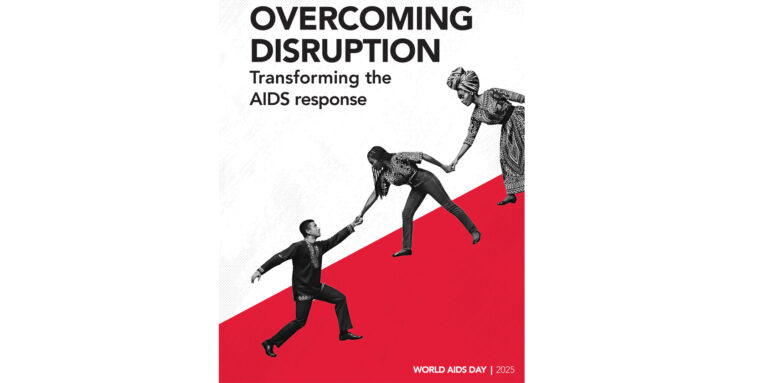
Ethiopia’s fight against HIV/AIDS is facing significant headwinds in 2025 as funding cuts continue to disrupt essential prevention, testing, and treatment services. Although the country has made important gains towards controlling the epidemic, recent financial constraints threaten to undermine progress and jeopardize the health of millions of Ethiopians living with or at risk of HIV.

According to the latest UNAIDS report, Ethiopia continues to grapple with a heavy HIV burden, but has seen steady improvements in treatment coverage and reductions in AIDS-related deaths over the past decade. By the end of 2024, over 75 percent of people living with HIV in Ethiopia were receiving antiretroviral therapy, and efforts were underway to reach global targets of 95 percent diagnosis, treatment, and viral suppression.

However, disruptions in funding from key donors, including PEPFAR and multilateral initiatives, have resulted in declines in testing availability and prevention services in parts of the country. Clinics experienced service interruptions, while funding shortages forced some community organizations to scale back or halt outreach activities critical for vulnerable populations such as adolescent girls, young women, and key populations at high risk.

One area of concern is the reduced availability of pre-exposure prophylaxis (PrEP), a highly effective HIV prevention tool. Data indicates a notable decrease in the number of individuals accessing PrEP in Ethiopia during 2025, mirroring broader regional trends. This decline places additional strains on efforts to prevent new infections, especially among young women who constitute a disproportionate share of new HIV cases.

Further challenges include reports of increased out-of-pocket costs for services that were previously free, such as post-exposure prophylaxis for survivors of sexual violence. Such financial barriers risk reducing timely access to essential interventions and exacerbate health inequities.

Despite these setbacks, Ethiopian health authorities and their partners remain committed to maintaining treatment programs and revitalizing prevention efforts. Recent initiatives include integrating innovative digital health platforms to improve monitoring, expanding community-led support models, and strengthening the country’s health workforce capacity.

Ethiopia’s Ministry of Health continues to collaborate closely with international agencies, civil society, and community groups to navigate the funding environment and prioritize high-impact interventions. The government is also fostering local ownership through increased domestic financing for HIV response programs, which is crucial for long-term sustainability.

The UNAIDS report underscores that Ethiopia’s HIV response cannot be decoupled from broader socio-economic factors such as gender inequality, stigma, and poverty. Efforts to address these underlying determinants—through comprehensive education, empowerment, and social protection—are essential components of concerted strategies to end AIDS.

As World AIDS Day 2025 draws attention to the global fight against HIV, Ethiopia faces both the urgency of ongoing challenges and the promise of continuing progress. Strengthening international solidarity, ensuring sustainable funding, and empowering affected communities are pivotal to safeguarding gains and advancing toward the goal of ending AIDS as a public health threat by 2030.