Thursday, November 26, 2026
Home Blog Page 568

Ethiopia faces growing threat from climate change on health and development

0

Ethiopia, like many African nations, is increasingly vulnerable to the severe health and socioeconomic impacts of climate change, a recent Lancet report reveals. While contributing minimally to global greenhouse gas emissions, Ethiopia endures rising climate-induced extreme weather events—droughts, floods, and heatwaves—that exacerbate public health challenges and threaten sustainable development goals.

The report highlights climate change’s multifaceted effects on Ethiopia’s population health, including increased burdens from infectious diseases, food and nutrition insecurity, respiratory ailments, and the mental health impacts of environmental stress and displacement. Notably, Ethiopia experiences frequent drought conditions that have led to widespread food insecurity and malnutrition, undermining livelihoods and overburdening health systems.

Economic losses from climate-related health impacts hamper Ethiopia’s progress toward poverty reduction and universal health coverage. These losses also strain the country’s capacity to respond effectively to emergencies and maintain essential services amid growing environmental pressures.

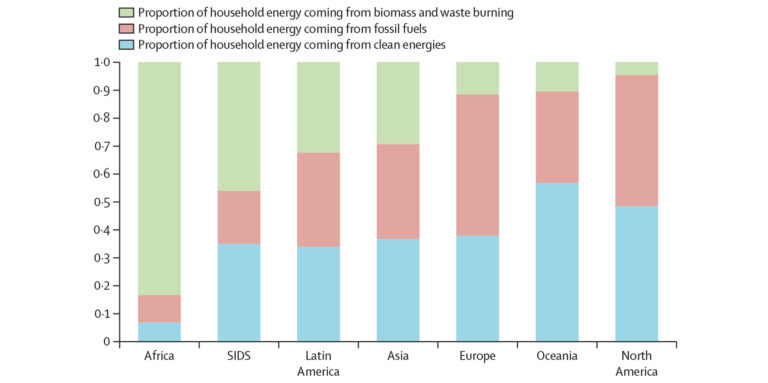
While Ethiopia has significant potential to harness renewable energy—especially hydropower, now accounting for over 90% of its electricity supply—challenges remain in transitioning to clean, sustainable energy sources at scale. Poor air quality due to biomass fuel use and exposure to secondhand high-emission vehicles compound health risks, particularly in urban centers.

In recognition of these threats, Ethiopia has committed to several climate and health adaptation strategies aligned with the African Union’s Agenda 2063 and global sustainable development goals. This includes advancing climate-smart agriculture, improving water security, and mainstreaming climate resilience into national health policies. However, financial resources and technical capacities to fully implement these initiatives remain limited.

The Lancet Countdown Africa initiative is working closely with Ethiopian experts and policymakers to generate localized data on climate impacts and guide evidence-based strategies. Building regional research capacity and enhancing public and political engagement are vital next steps to protect Ethiopian populations and build systemic resilience.

As climate change intensifies, Ethiopia faces an urgent need for scaled-up, equitable financing and innovation in climate adaptation and mitigation. Integrating health-specific responses into all sectors and ensuring vulnerable communities’ protection will be essential to safeguard human well-being and support sustainable development in Ethiopia for decades to come.

Reappointing Dr. James Wani Igga: President Kiir’s Defining Political Move of 2025

0

By Abraham Nega

In one of the most symbolic political decisions of 2025, President Salva Kiir Mayardit has reinstated Dr. James Wani Igga as Vice President, marking the return of one of South Sudan’s most experienced and enduring statesmen to the country’s top leadership circle.

Dr. Igga, known for his decades-long service within the Sudan People’s Liberation Movement (SPLM), previously held the vice presidency multiple times. His reappointment is widely viewed as a deliberate choice—an appeal to stability, predictability, and institutional memory at a moment when the nation faces rising political uncertainty.

A Trusted Hand Returns

For years, Igga has been regarded as a stabilizing force in national politics. Colleagues often describe him as a calm, measured, and diplomatic figure—one who avoids confrontation, chooses his words carefully, and works diligently within established political boundaries. These qualities have earned him a reputation as someone President Kiir can rely on during turbulent times.

Political analysts say the reinstatement reflects Kiir’s desire for “safe hands” in a high-stakes year, where delicate political processes demand both seniority and restraint.

An Academic and Political Veteran

Beyond his political longevity, Dr. Igga brings with him a distinguished academic background. He completed his Master of Science degree at Greenwich University in the United Kingdom and later earned a PhD with distinction from Bulacan State University. His academic credentials reinforce his image as one of the SPLM’s most intellectually grounded and professionally seasoned leaders.

A Symbolic Return to the ‘Original Site’

For many South Sudanese, Igga’s return carries symbolic weight—what some describe as “the cow arriving back at the original site.” It is a metaphor that reflects not only familiarity but also the restoration of a trusted figure at a time when stability is paramount.

Whether this move will reshape the political landscape of 2025 remains to be seen. Yet one thing is clear: in bringing Dr. James Wani Igga back to the vice presidency, President Kiir has made a bold statement about continuity, confidence, and the value of experience in guiding the nation forward.

EthSwitch unveils ambitious 15-Year digital payment vision in strategic overhaul

0

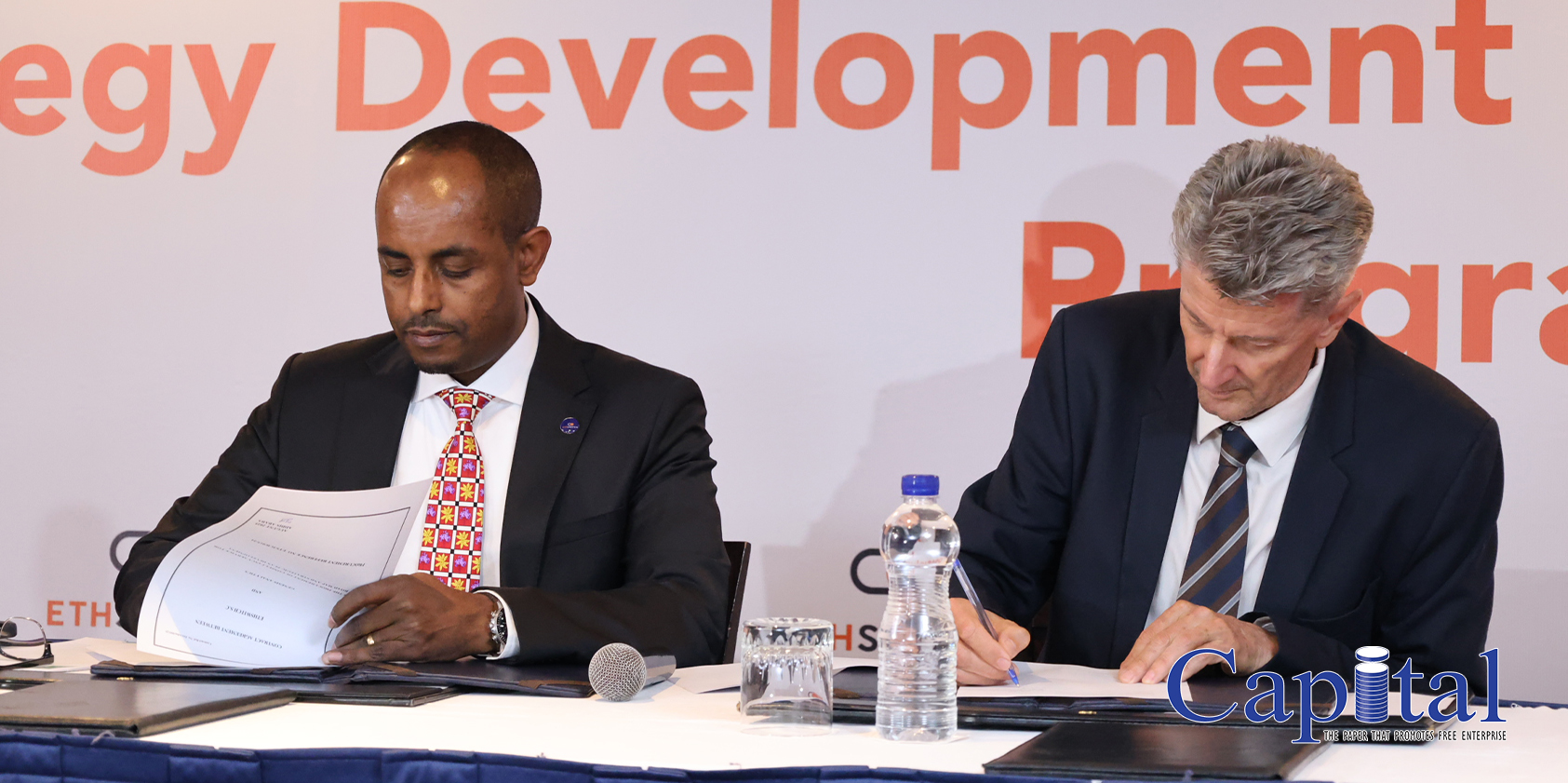
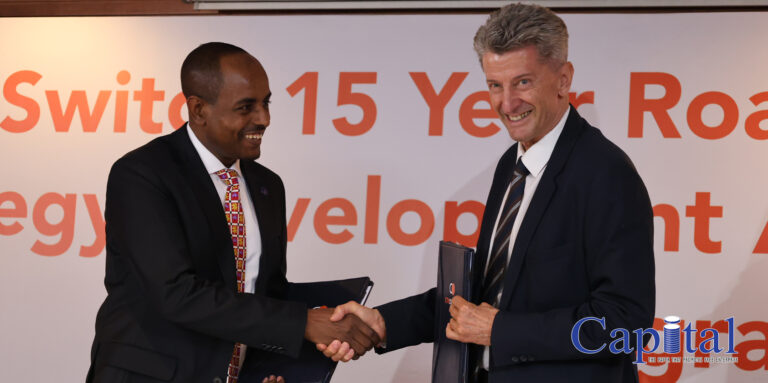
Ethswitch S.C., Ethiopia’s national payment switch, has launched its second five-year strategic plan and an ambitious 15-year roadmap aimed at transforming the country’s financial landscape. The announcement, made at a formal signing ceremony, marks a bold step toward Ethswitch’s vision of becoming “the best payment network in Africa by 2035.”

CEO Yilebes Addis underscored the importance of a clear, forward-looking strategy in solidifying the center’s role within the market. Reflecting on the achievements of the first strategic phase, he said, “The initial five-year strategy was key to defining our mission—promoting interoperability, developing local payment systems, providing national gateways, and building shared infrastructure. We have successfully fulfilled those goals.”

The new strategy aligns closely with Ethiopia’s national development priorities, including the Digital Ethiopia initiative, the National Financial Access Strategy, and the National Digital Payment Strategy 2.

Following a competitive Request for Proposals process, Ethswitch selected Genesis Analytics, an internationally renowned consulting firm, to develop the next phase of its plan. Richard Ketley, partner and director at Genesis Analytics, praised Ethiopia’s rapidly growing financial sector, calling the National Payment Center’s role in everyday digital payments “magic.” He pledged to leverage global best practices to accelerate Ethswitch’s growth over the coming 15 years.

A landmark outcome of this strategic renewal is Ethswitch’s historic partnership with global payments leader Mastercard. This agreement integrates Ethswitch directly into Mastercard’s network via the Mastercard Interface Point (MIP) and Mastercard Global Payment Gateway Services (MPGS).

The partnership enables Ethiopian businesses to accept international payments, boosting cross-border trade and e-commerce opportunities. It also allows local banks to issue co-branded international currency cards for use at ATMs, point-of-sale terminals, and online merchants worldwide.

Yilebes described the agreement as “a major milestone in Ethiopia’s digital transition,” spotlighting its role in enhancing the security and sophistication of the national financial ecosystem with globally accepted next-generation payment solutions.

Shehryar Ali, Senior Vice President of Mastercard East Africa, highlighted Mastercard’s commitment to supporting a reliable, inclusive digital economy. “By integrating international standards and advanced cybersecurity, this partnership helps consumers, banks, and businesses confidently engage in the global marketplace,” he said.

Ethswitch’s progress is reflected in the latest AfricaNenda Foundation report—the 2025 State of Inclusion of Instant Payment Systems in Africa. The report elevated Ethswitch from “Basic” to “Progressed” on the AfricaNenda Inclusivity Spectrum.

Launched in February 2024, Ethswitch’s Instant Payment System (IPS) is rapidly expanding and integrating with other payment platforms to enable cross-border transactions. Key collaborations include a merger with the UAE Central Bank’s Aani platform, covering Dubai and Abu Dhabi, and ongoing talks with the Pan-African Payment and Settlement System (PAPSS) and Ghana Interbank Payment and Settlement Systems (GhIPSS).

The report notes Ethswitch’s use of ISO 20022-compliant APIs, facilitating seamless integration across payment participants.

Horticulture sector transforms Avocado exports with strategic shift to sea freight

0

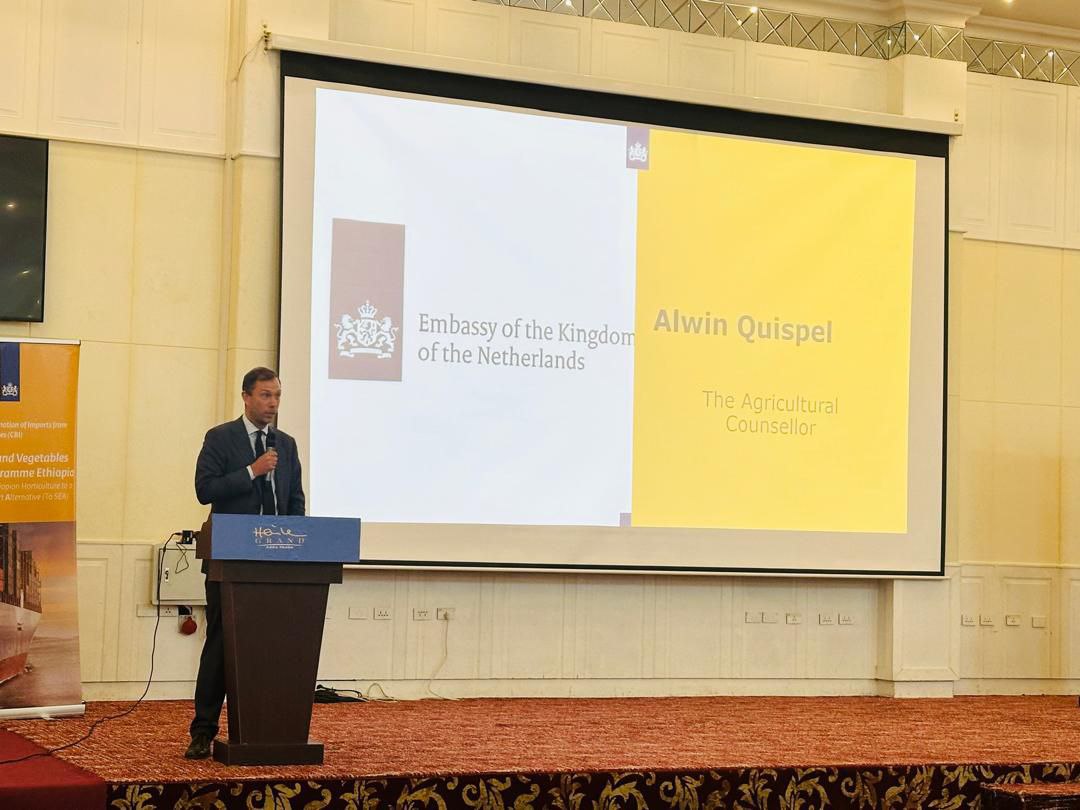
Ethiopia is embarking on a major transformation in its horticulture sector by shifting avocado exports from costly air freight to more sustainable and high-volume sea freight. This strategic move is spearheaded by the Ethiopian Agriculture Authority (EAA) and the Ethiopian Horticulture Producers and Exporters Association (EHPEA), in partnership with the Netherlands’ Development Partnership, the Centre for the Promotion of Imports from Developing Countries (CBI), and the Transitioning Ethiopian Horticulture to a Sustainable Export Alternative (To SEA) project.

A key milestone in this initiative is the release of the Avocado Export Guide, a tool designed to standardize export processes and help domestic small and medium-sized enterprises (SMEs) adapt to global maritime freight systems.

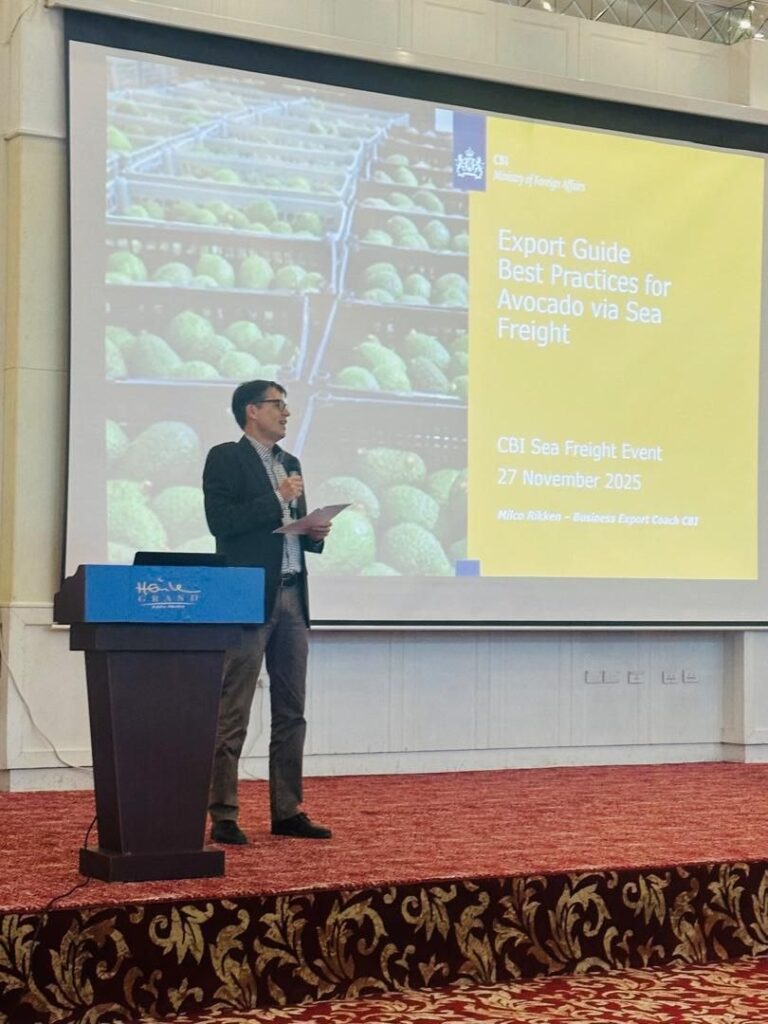
Milco Rikken, CBI’s business export coach for fresh fruits and vegetables and owner of ProVerde BV, emphasized that transitioning to sea freight is the project’s central goal. “Our approach involves working with companies to develop crops suited for maritime transport markets,” Rikken said. The project’s next phase involves organizing test sea shipments to Europe and Gulf markets, likely in the coming year, to refine procedures and implement the new export guidelines.

“These test shipments are learning opportunities,” Rikken noted. “They help identify areas for improvement so we can establish sustainable sea export routes, eventually shipping the bulk of products by sea containers.”

Beyond cost efficiency, the shift to sea freight responds to increasing sustainability demands in key export markets. A vital component of this strategy is the upcoming Mojo Cool port, under construction at Ethiopia’s main inland port, which will serve as a cold chain logistics hub crucial for handling temperature-sensitive sea freight. Rikken expressed optimism about the port’s potential: “Although construction is ongoing, we expect it to open within a year or two, providing foundational support for growing Ethiopia’s avocado exports.”

Despite these advances, the sector still faces significant challenges. Tewodros Zewdie the Executive Director of EHPEA, pointed out that Ethiopia’s avocado export performance remains low compared to regional competitors, underscoring the need for continued capacity building. The newly launched Avocado Export Guide aims to strengthen stakeholder understanding of export processes and improve coordination among port operators.

To build a thriving horticulture export industry that alleviates rural poverty, EHPEA is committed to deepening its partnership with the CBI. Milco Rikken also identified a skill gap among local exporters, stressing the importance of mastering fast, accurate communication and incorporating customer feedback into farm operations. “You must start exporting to learn exporting,” he said, highlighting the need for resilience and continuous improvement.

Compliance with international standards remains a critical hurdle. Rikken underscored that Global GAP certification is mandatory for accessing the European market, without which companies remain confined to niche segments.

The To SEA project, extending through 2026, has already enabled several companies to achieve their first exports this year, primarily to the Middle East, reflecting improved export readiness.