
Ethiopia is preparing to channel its lucrative gemstone trade, including opals, sapphires, and emeralds, through the Ethiopian Commodity Exchange (ECX) as part of a strategic initiative to curb rampant smuggling and boost foreign exchange earnings. The Ministry of Mines is spearheading efforts to normalize and regulate gemstone transactions by adopting the successful ECX model, already established for major export commodities such as coffee and sesame.
Minister of Mines, Habtamu Tegegne, detailed the sector reform agenda to the House of Peoples’ Representatives, acknowledging the long-standing challenges of illegal sales and smuggling in the precious stone market, which have hindered the sector’s contribution to the national economy. Unlike gold—which is bought solely by the National Bank of Ethiopia—precious stones suffer from a lack of an organized trading system, fueling illicit markets.
“The biggest problem with jewelry mining is the marketing system,” Habtamu stated. “We are working to have gemstones traded on the ECX platform, similar to coffee and sesame.”
The ministry, collaborating with Wollo University, has designed a comprehensive marketing system encompassing business strategies, operational guidelines, and standards for stone cutting and polishing. Mapping of about 40 types of decorative minerals across the country is also underway, expected to be completed within the year.
The partnership between ECX and the Ministry of Mines dates back to a 2021 Memorandum of Understanding aimed at enabling smart trading of strategic minerals. This cooperation seeks to increase mineral supply transparency, reduce illicit trade, and facilitate international commerce for opal, emerald, sapphire, tantalum, lithium, and potash.
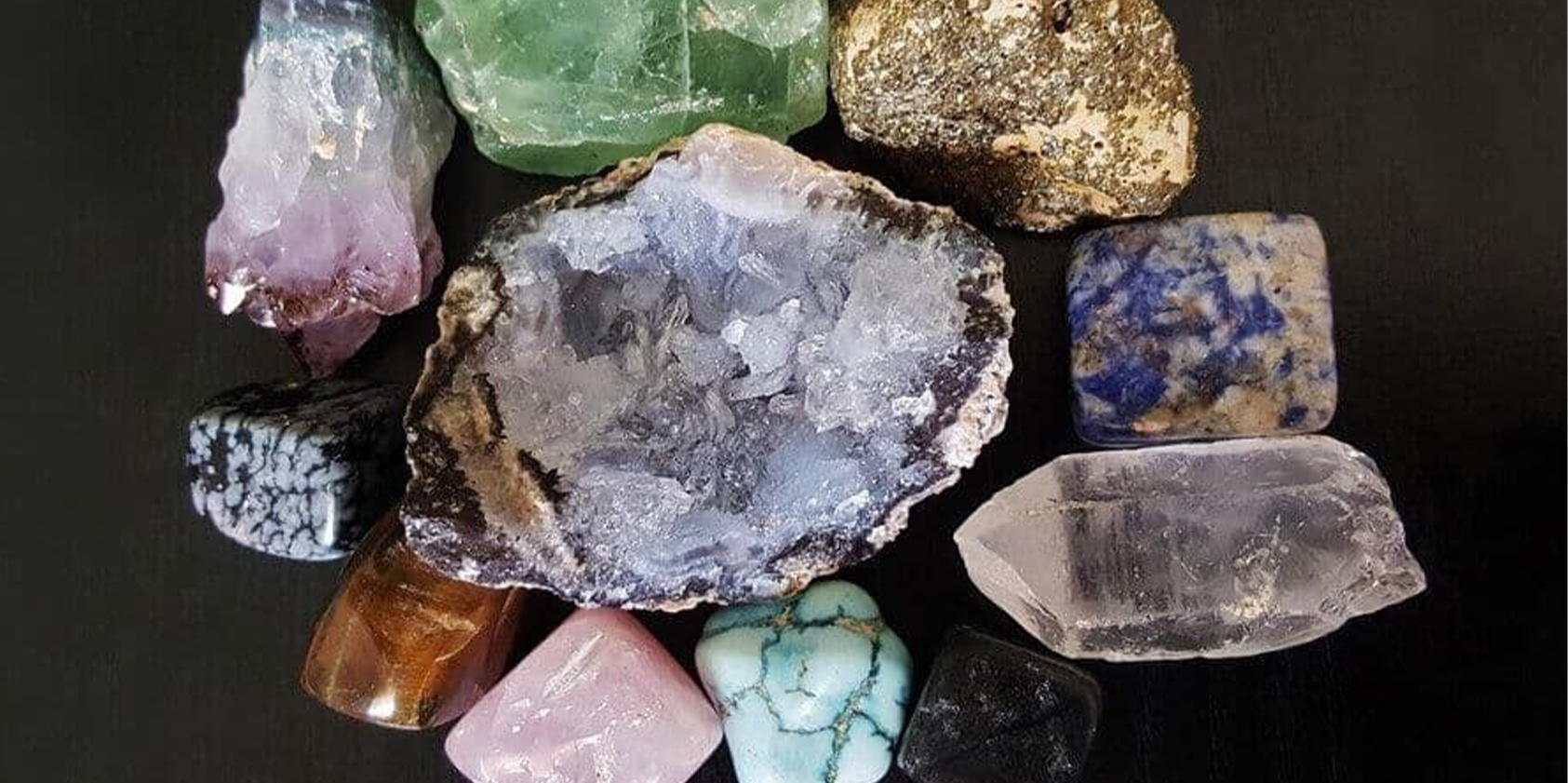
Recent developments indicate that the ECX is prepared to commence gemstone trading, with necessary infrastructure in place. A detailed proclamation from the Ministry of Mines to the Ministry of Justice outlines the procedures for regulated mineral trade.
This regulatory shift is anticipated to significantly enhance foreign exchange inflows from precious gem exports, supporting broader economic development goals.
Alongside gemstone reforms, the Ministry is transforming other mining sectors such as coal, which historically suffered from unorganized and opaque production. Efforts include resource mapping and operational guidelines focusing on quality improvement aligned with national needs.
Additionally, projects targeting industrial minerals like agricultural lime and clay—critical for supporting farming—are progressing in collaboration with Addis Ababa University, promising to benefit approximately 3.5 million hectares of affected agricultural land.
Recognizing the need for self-sufficiency in construction and industrial materials, Ethiopia has attracted considerable foreign investment in granite and ceramics factories, aligning with longer-term plans for domestic resource utilization.
To combat illegal mineral exports, especially via air transport, the Ministry has enforced strict regulations requiring rigorous certification processes for all airborne minerals. This unilateral move by the Department of General Security of Civil Aviation, although not pre-coordinated with the Ministry, aims to stem smuggling by controlling mineral flows.
Legal exporters must submit export applications electronically, supported by guarantees from the Ministry to aviation security authorities, ensuring legitimate trade pathways.
Despite challenges, mineral export performance remains mixed. Notably, gold exports, mainly from small and medium-scale mining, have exceeded targets by 134%, while non-gold minerals like tantalum and lithium underperformed, partly due to irregular operations since recent regulatory changes.
The Ministry of Mines is also advancing major capacity-building and infrastructure projects valued at over 4 billion birr to modernize the fragmented mining sector and strengthen data on local mineral resources.
Furthermore, deliberate government measures to halt raw material exports of high-value lithium and tantalum underscore a focus on domestic value addition.