Wednesday, November 25, 2026
Home Blog Page 582

MCB grants strategic financing to Invictus Investment to expand agro-food operations across Africa

0

By our staff reporter

The Mauritius Commercial Bank Limited (MCB) has provided a strategic financing package to Invictus Investment Company PLC (ADX: INVICTUS), a prominent agro-food enterprise operating in the Middle East and Africa. The package, structured as an acquisition finance and revolving credit facility, aims to support Invictus Investment’s expansion into new markets and strengthen its working capital position as it scales operations.

This financing agreement builds on the existing partnership between MCB and Invictus Investment and underscores a shared commitment to advancing food security and facilitating trade flows within and beyond Africa. The facility will enable Invictus Investment to broaden its processing, logistics, and distribution footprint, while supporting the growth and consolidation of a resilient portfolio of value-added food and FMCG assets serving local and regional markets across the continent.

Amir Daoud Abdellatif, CEO of Invictus Investment, expressed optimism about the financing, stating, “The agreement with MCB validates the confidence our partners have in our financial and operational capabilities. It provides the flexibility needed to optimize our capital structure and continue expanding across high-growth markets. Our vision is to become a fully integrated enterprise contributing to food security in the Middle East and Africa. This marks an important milestone in creating a broad network of partners working together to deliver lasting value and build long-term food resilience.”

Thierry Hebraud, CEO of MCB, highlighted the strategic value of this partnership, saying, “Our relationship with Invictus Investment aligns with MCB’s commitment to develop long-lasting relationships with multinational businesses operating in Africa. Extending this substantial financing package reaffirms our dedication to supporting agro-processing companies involved in food security. It also demonstrates our capability to structure sophisticated financial solutions that drive sustainable futures for our clients and their communities.”

Invictus Investment, headquartered in Dubai and established in 2022, specializes in agro-food commodities and operates across 65 countries with a portfolio that spans over 30 product categories including grains, oilseeds, and sugar. MCB, with its 188-year history and strong regional presence, continues to expand its influence as a premier financial institution providing diversified banking and financial services across Mauritius and beyond.

Wingu Cloud Exchange launch marks a new era for Tanzania’s Digital Economy

0

By our staff reporter

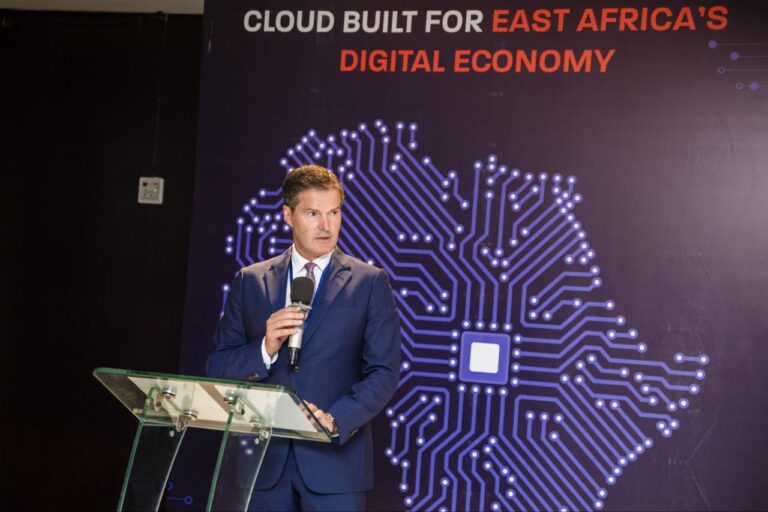
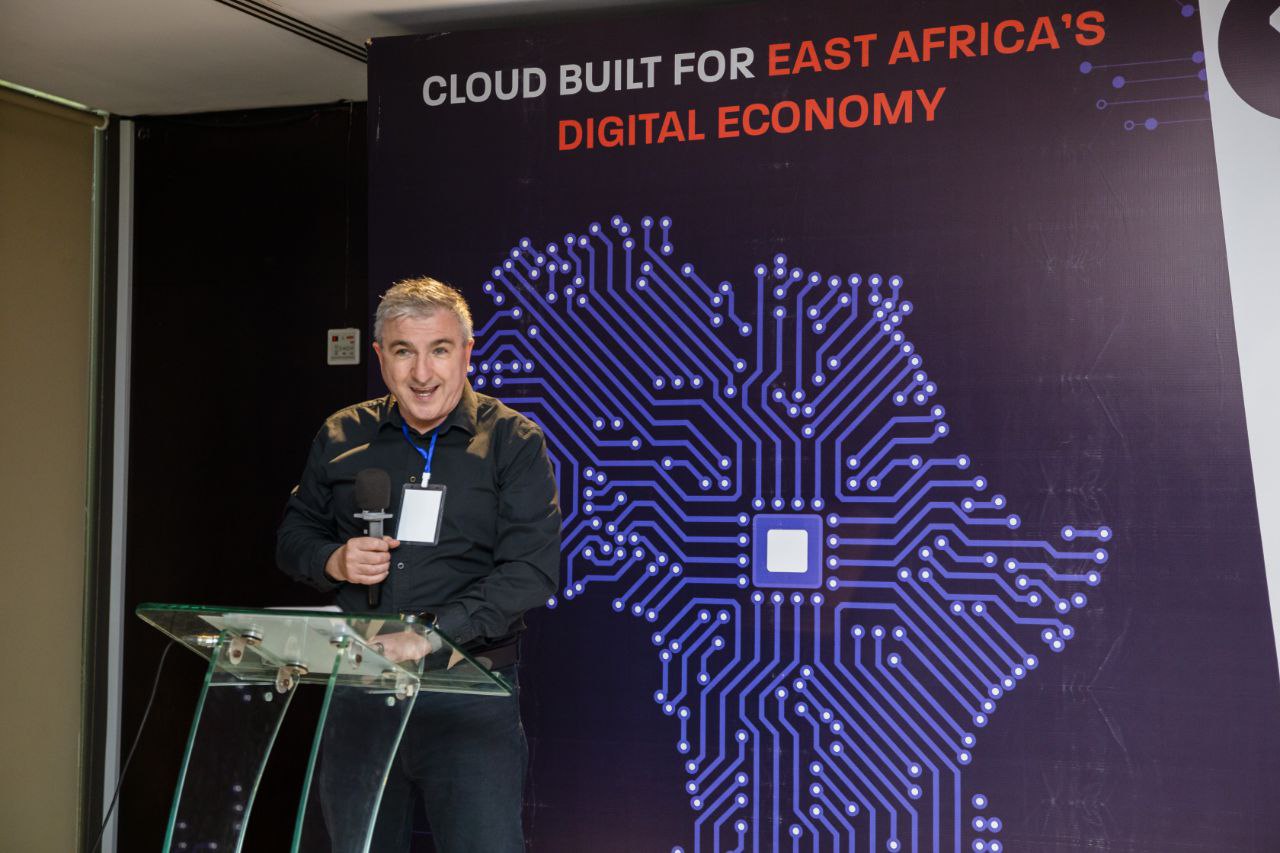
Wingu Africa has launched Wingu Cloud Exchange (WCX), a locally hosted private cloud platform designed for the wider East African region.WCX gives organisations a secure, compliant, cost-effective, and easy-to-use alternative to offshore cloud services. With transparent local-currency pricing, rapid deployment, and instant scalability, it enables businesses to grow workloads without complexity or unpredictable costs. Launching first in Tanzania, the platform will gradually roll out across all Wingu markets, including Ethiopia and Djibouti.

WCX includes Wingu Compute, Wingu Kubernetes, Wingu Drive, and Wingu Security, allowing organisations to deploy and manage applications while keeping data within regional borders. The platform integrates seamlessly with existing on-premise environments and complements global cloud services such as Azure and AWS, giving customers flexible, practical options that fit their current operations.

“Wingu Cloud Exchange is built in direct response to customer demand for a practical, reliable, and locally delivered cloud platform,” said Nicholas Lodge, Co-founder and Chief Strategy Officer at Wingu Africa. “WCX makes cloud adoption straightforward, compliant, predictable in cost, scalable on demand, and aligned with how organisations in the region actually operate.”

“The launch of Wingu Cloud Exchange is an important step for the region’s digital maturity,” added Erkan Satik, Director of Cloud Ecosystem & Alliances at Wingu Africa. “WCX is simple to use, quick to deploy, and designed to give customers real choice. They can run applications locally for better performance, integrate with global clouds when needed, and scale instantly.”

Wingu Africa’s investment in local cloud platforms reflects its vision to drive digital growth that is both sustainable and inclusive. By prioritising secure, interconnected, and compliant infrastructure, the company enables African enterprises to adopt cloud technology with confidence, agility, and regional relevance.

ARDA Talk –Patricia LLOMBART CUSSACManaging Director for Africa at the European Union External Action Service

0

Let me begin by expressing my sincere thanks to the Institute of Foreign Affairs for giving me this opportunity to address you today.

Excellencies, distinguished guests, ladies and gentlemen,

I took up the post of Managing Director for Africa at the European External Action Service – the EU’s “Foreign Ministry” – on 1 September. I have extensive experience, also on the African continent, but this is my first trip in my new role. And of course, there is no better place to start than Addis Ababa – the seat of the African Union and capital of a country that was at the forefront of the creation of the United Nations, as well as a strong supporter of African independence and unity.

My colleague Simon Mordue visited earlier this year and made an excellent intervention in this same Forum on the importance – now more than ever – of multilateralism. I want to echo his key messages, particularly the urgent need to uphold the principles of the UN Charter, and our strong support for the UN-80 initiative.

EU – Africa

Over the past 25 years, the partnership between the African Union and the European Union has grown deeper, broader, and more meaningful. As we look ahead to the 7th AU–EU Summit in Luanda, we celebrate not only a milestone in our shared history but also the vibrant cooperation that unites our peoples, our private sectors, our civil societies, and our youth.

Africa and Europe are bound together by geography, history, and a shared vision for the future. The European Union remains Africa’s closest partner – its largest trading ally, its leading investor, its foremost partner in peace and security, and its biggest provider of development and humanitarian assistance. Our trade alone reached over EUR 366 billion in 2023 – a testament to the strength and scale of our economic ties.

At this summit, we reaffirm our commitment to three pillars:

  1. Peace and security – grounded in African-led solutions and respect for human rights and good governance.
  2. Prosperity – building sustainable growth and opportunity, especially for Africa’s youth. With 60% of the world’s solar resources and 30% of critical minerals, Africa is key to our green and digital transitions.
  3. Multilateralism– with the United Nations at its core, upholding a rules-based international order and ensuring our voices are united on the global stage.

Through the Global Gateway Africa–Europe Investment Package, we are mobilising at least EUR 150 billion in sustainable investments. Over half of all Global Gateway flagship projects are focused on Africa, from renewable energy and vaccine manufacturing to agriculture and trade corridors. The Africa –Europe Green Energy Initiative alone will provide 50 gigawatts of renewable power and connect 100 million people to electricity by 2030.

We continue to support the African Continental Free Trade Area with over EUR 1.2 billion – fostering trade, building regional value chains, and unlocking new opportunities in energy, health, and agribusiness.

In peace and security, the EU remains Africa’s most steadfast partner. Since 2021, we have provided over EUR 1 billion in support through the European Peace Facility and deployed 11 missions across the continent – from maritime security to crisis response and rule of law initiatives. Together, we are advancing the Women, Peace and Security, and Youth, Peace and Security agendas – because peace is strongest when it is inclusive.

We are also deepening cooperation on migration and mobility. Thousands of African and European students and researchers have exchanged knowledge through EU-funded mobility partnerships, strengthening people-to-people connections across continents.

We stand united in our commitment to effective multilateralism – reforming the international financial architecture, addressing debt vulnerabilities, and leading global action on climate and sustainable development.

Horn of Africa

Zooming in on the Horn of Africa, we are confronted with ongoing challenges. The tragic conflict in Sudan continues to cause immense human suffering, while the attacks of Al Shabab and other terrorist organizations in Somalia undermine development and security. The Red Sea, a vital conduit for global trade and 10% of EU trade, is threatened by attacks from the Houthis in Yemen. Across the region, tensions are high within and between states.

No conflict will in the end be solved through violence. And therefore dialogue, dialogue and more dialogue is needed. Europe has experienced centuries of conflict and learned the painful lesson that sustainable solutions come through negotiation and compromise.  The EU was born out of the horrors of the Second World War and the leaders of that time committed to “never again”. EU is a peace project!

Many of the tensions and grievances in the region can be addressed through win-win solutions, provided leaders prioritize the welfare of their people and engage constructively. The EU, together with its partners, is ready to support such processes.

Ethiopia continues to play a stabilizing role. Three years ago, the Cessation of Hostilities Agreement between the Government of Ethiopia and the TPLF brought an end to a tragic two-year conflict. While no agreement is perfect, this agreement has largely held, demonstrating that with will, courage, and openness, the guns can indeed be silenced. Brokered by the AU, it exemplifies an African solution to an African problem. The EU remains committed to supporting the full implementation of the Cessation of Hostilities Agreement, including humanitarian assistance, development support, DDR (Disarmament, demobilization and reintegration) programmes, and trust-building initiatives in the North and throughout the country. We put our money where our mouth is.

Celebrating EU–Ethiopia relations

This year, we also celebrate 50 years of formal EU–Ethiopia relations. Of course, interactions with individual EU Member States go back much further – a remarkable history that stretches to the kings and people of ancient Axum, who communicated not only in local languages but also in Greek!

Our partnership is broad and enduring, and the EU is not – as suggested by a recent newspaper article – shifting focus away from the region. Quite the opposite! Beyond trade and assistance, the people-to-people bonds are particularly strong. Only in the last month we have seen important milestones underlining our partnership. It was a pleasure to welcome H.E. President Taye to Brussels where he together with the EU Commission President von der Leyen signed the GG partnership. The launch of a substantial package of interventions for 2025 and the first EU–Ethiopia Public–Private Dialogue also underline our strong partnership. We look forward to the EU–Ethiopia Business Forum in spring 2026. We are committed to supporting initiatives in the country and across the region to promote development, stability, and cooperation.

Since the restoration of EU-Ethiopia partnership in 2023, the EU has committed 345 million EUR to support key sectors, including energy, agribusiness, digitalisation, health, governance, and vocational training.

The EU’s presence in Ethiopia is extensive: 22 Member State embassies, three EU cultural institutes, and multiple European schools.

Academic exchange remains a vital link. Erasmus programmes now include Ethiopian universities, and students are encouraged to attend upcoming Study in Europe Fairs. I encourage interested students to attend the Study in Europe Fair at Kotebe University next week, with a follow-up at Addis Ababa University in February.  As you can hear EU–Ethiopia relations today are deep and multifaceted!

Ethiopia stands at an important juncture. The upcoming general elections in June 2026 will be an important milestone. EU’s own experience is that credible and inclusive processes make societies stronger and more resilient.  This entails also a conducive environment for media and CSOs to meaningfully engage in the election process in accordance with their respective mandates.

Energy has been a major focus in recent months. Projects like the Danish100 MW Assela Wind Farm and our new RISED programme reflect the EU’s commitment under the Global Gateway initiative to support Ethiopia’s energy transition. In addition, the EU and its Member States have lot to offer and share also in the field of nuclear energy.

We announced RISED around the same time as the inauguration of the Grand Ethiopian Renaissance Dam (GERD). The EU’s position is consistent: dialogue, cooperation, and African leadership are the only path forward. We continue to support all efforts towards constructive dialogue between the Nile Basin riparian states and encourage mutually acceptable agreements on various issues of concern (e.g. dam operation, drought mitigation, future projects).  The EU stands ready to provide technical and diplomatic support, promoting transparency, trust, and regional stability. The GERD should be a driver of regional cooperation, not tension. The GERD should unite the region – not divide it.

Ladies and Gentlemen,

The EU–Africa partnership is grounded in shared values and aspirations. As we mark 25 years of partnership, let us continue building a Europe–Africa alliance rooted in trust and a common ambition: peace, prosperity, and progress for our peoples.

The Horn of Africa faces challenges, but also opportunities – and with courage and cooperation, the future can be bright.

Here in Ethiopia, Team Europe will remain a reliable, long-term partner, supporting development, stability, and opportunity for all Ethiopians. We look forward to the next 50 years of EU-Ethiopia cooperation.

Thank you.

INTER EPCM: Ethiopia’s Path to Industrial Independence New Partnership Model Offers Alternative to External Control

0

Capitalethiopia | November 2025

Ethiopia faces a choice: How does it build lasting industrial power without repeating historical patterns of external control and limited local ownership?

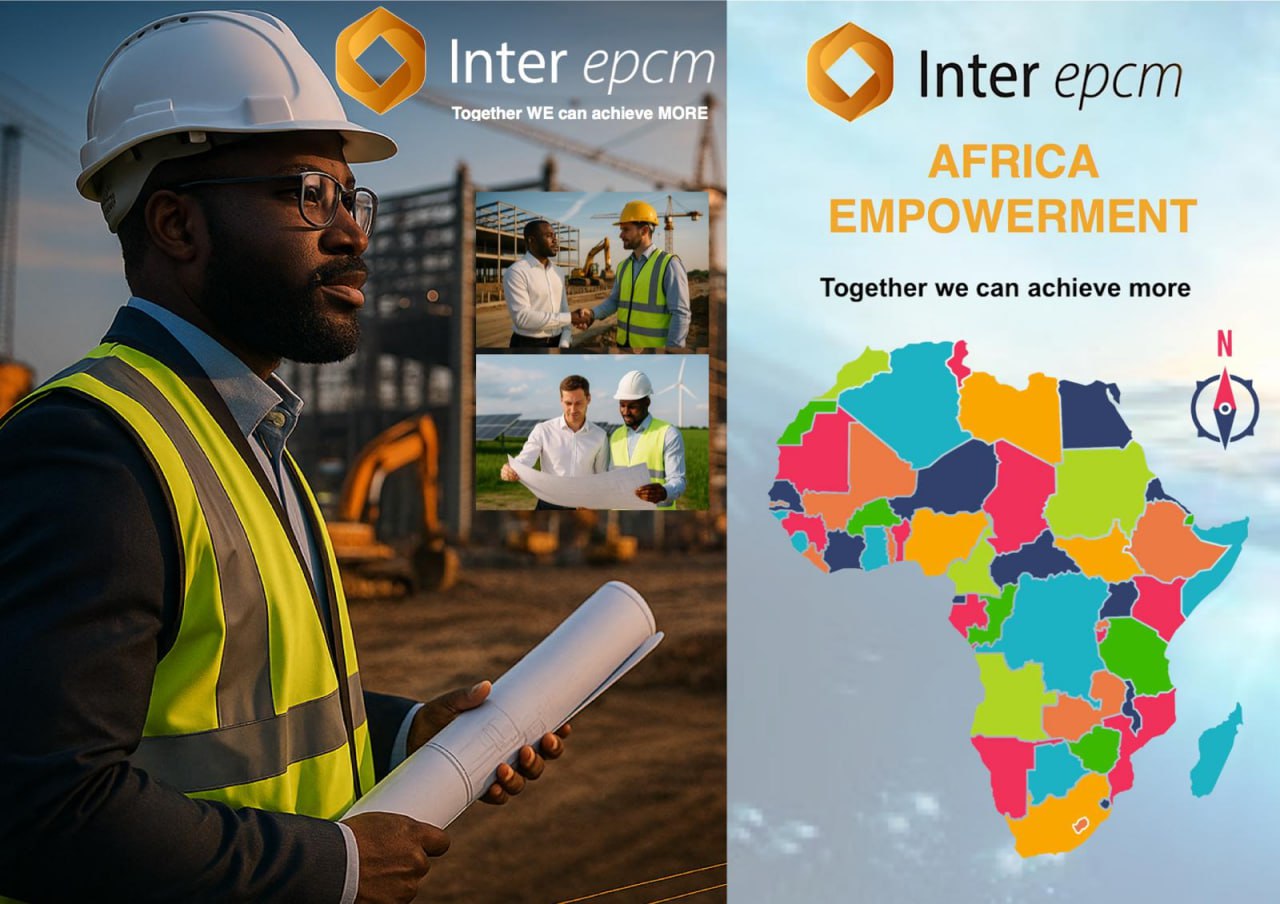
INTER EPCM, a German-Serbian Engineering, Procurement, and Construction Management company, proposes a different model – genuine partnership where Ethiopia maintains control, Ethiopian engineers gain world-class expertise, and profits remain local.

The approach is gaining traction with development banks across Africa. What makes it fundamentally different from traditional development models?

The Familiar Problem

When European construction companies bid on Ethiopian projects, costs shock: often double or triple local rates. International standards come with international price tags. When projects end, expertise leaves.

Hire locally and costs are manageable – but maintaining international quality standards? Managing complex supply chains? Local expertise often falters.

Consulting firms deliver plans, not execution. They don’t take responsibility.

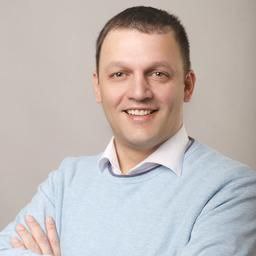
INTER EPCM’s CEO Aleksandar Obradović identifies the core problem: “Every model has fatal flaws. International companies extract value through high costs. Local companies cut corners on quality. Consultants provide plans nobody executes. We manage international standards and local realities – while keeping Ethiopia in control and building your people’s capacity to eventually lead independently.”

Foto: Modern manufacturing facility with Ethiopian technicians operating and maintaining machinery alongside European specialists

Caption: “Partnership in practice: Ethiopian engineers gaining world-class expertise through hands-on training and mentorship”

The Model: Ethiopian Control, Professional Execution

INTER EPCM coordinates all phases transparently. Ethiopia maintains decision authority. They handle complexity – engineering coordination, material sourcing, construction management, quality control – while training your workforce to international standards.

The strategic outcome: Within 5-10 years, Ethiopian engineers independently lead complex industrial projects across East Africa. That’s the business model.

INTER EPCM establishes permanent Engineering Hubs across East Africa, with Ethiopia as primary location. These centers permanently employ Ethiopian engineers who work alongside international specialists, gain certifications, and gradually assume full project leadership.

Real Results: Factory Modernization

An aging Ethiopian manufacturing facility needed modernization – outdated machinery, high energy costs, safety problems. But shutdown was impossible. Workers needed jobs.

INTER EPCM coordinated phased modernization. New machinery installed during production shifts. Production continued throughout. Simultaneously, 50 local technicians received intensive, standards-based training – not just operating equipment, but maintaining and optimizing performance.

Measurable Results:

  • Production increased 35%
  • Energy costs decreased 20%
  • Safety incidents fell 80%

Local technicians became qualified engineers

“We transfer complete technical knowledge – engineering methodology, maintenance protocols, optimization procedures”, explains Obradović. “Your engineers become the experts. That’s sustainable business: profitable factories, real careers for your people, authentic industrial competence for Ethiopia.”

Financial Structure: True Partnership

Traditional development financing reproduces dependency: banks provide loans, countries repay for decades, external consultants oversee work, local agency remains limited.

INTER EPCM structures financing differently:

  • Development banks finance 50-60% via long-term, low-cost credit
  • Private investors contribute 25-35% risk capital
  • Ethiopian partners invest 10-15% – with decision authority on all strategic choices
  • Independent coordinator ensures professional execution

This “Blended Finance” is designed for authentic Ethiopian agency. Your professionals lead. Profits stay local. Knowledge remains Ethiopian.

Risk Management: Honest Assessment

Ethiopia’s industrial environment presents real challenges – variable supply chains, political evolution, infrastructure reliability. Professional leaders acknowledge these realities.

INTER EPCM quantifies risks before construction begins: probable delays, necessary financial reserves, external factors threatening profitability, contingency protocols.

An industrial park project illustrates practice: identified risks early – complex land-use permitting, inexperienced local construction firms, unreliable power supply. Rather than minimize risks, INTER EPCM:

  • Started land negotiations one year early
  • Intensively trained local construction partners
  • Designed backup power generation into infrastructure

This is realism: when investing in Ethiopia, probable obstacles should be understood and strategically managed.

The Strategic Window

Two global trends create immediate opportunity.

Industrial Decarbonization: Western manufacturers must reduce carbon emissions expensively. Global demand for production remains robust. Manufacturing investment flows to efficient locations. Ethiopia – with abundant hydroelectric potential and competitive labor costs – becomes increasingly attractive.

Geopolitical Realignment: Western development actors are reallocating resources. Chinese investors, Gulf funds, and new development finance institutions are emerging. Early positioning as trusted industrial partner to East Africa yields strategic influence and returns.

The window for establishing these relationships is open now. In five years, positioning becomes more difficult.

Why This Matters

Ethiopian industrial leaders participate in the industrialization wave as active controllers of outcomes – not passive recipients of external capital. Your nation builds indigenous industrial capacity. Your companies become regionally competitive. Your workforce develops genuine expertise.

Previous industrial eras brought external investment followed by dependency and limited lasting capacity. The fundamental question: Does development build Ethiopian industrial power or merely extract value?

INTER EPCM’s model – transparent partnership, Ethiopian control, knowledge transfer, independent technical capacity – addresses that question directly.

“We don’t come as experts telling you what to do. We come as partners. Together, we succeed – or fail together.”

In emerging markets, such commitment is rare. In Ethiopia, where industrial transformation has been delayed too long, it may be essential.