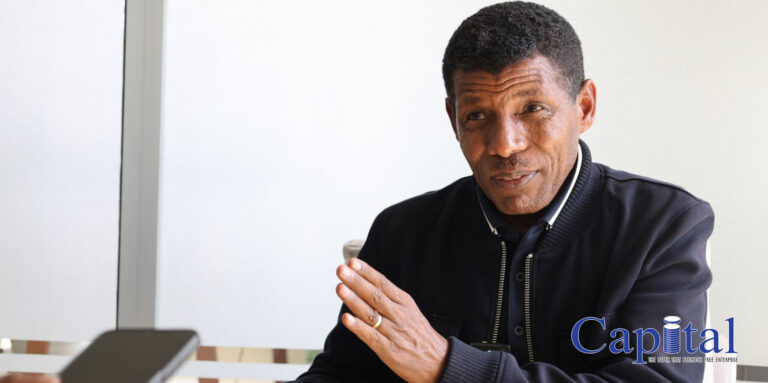
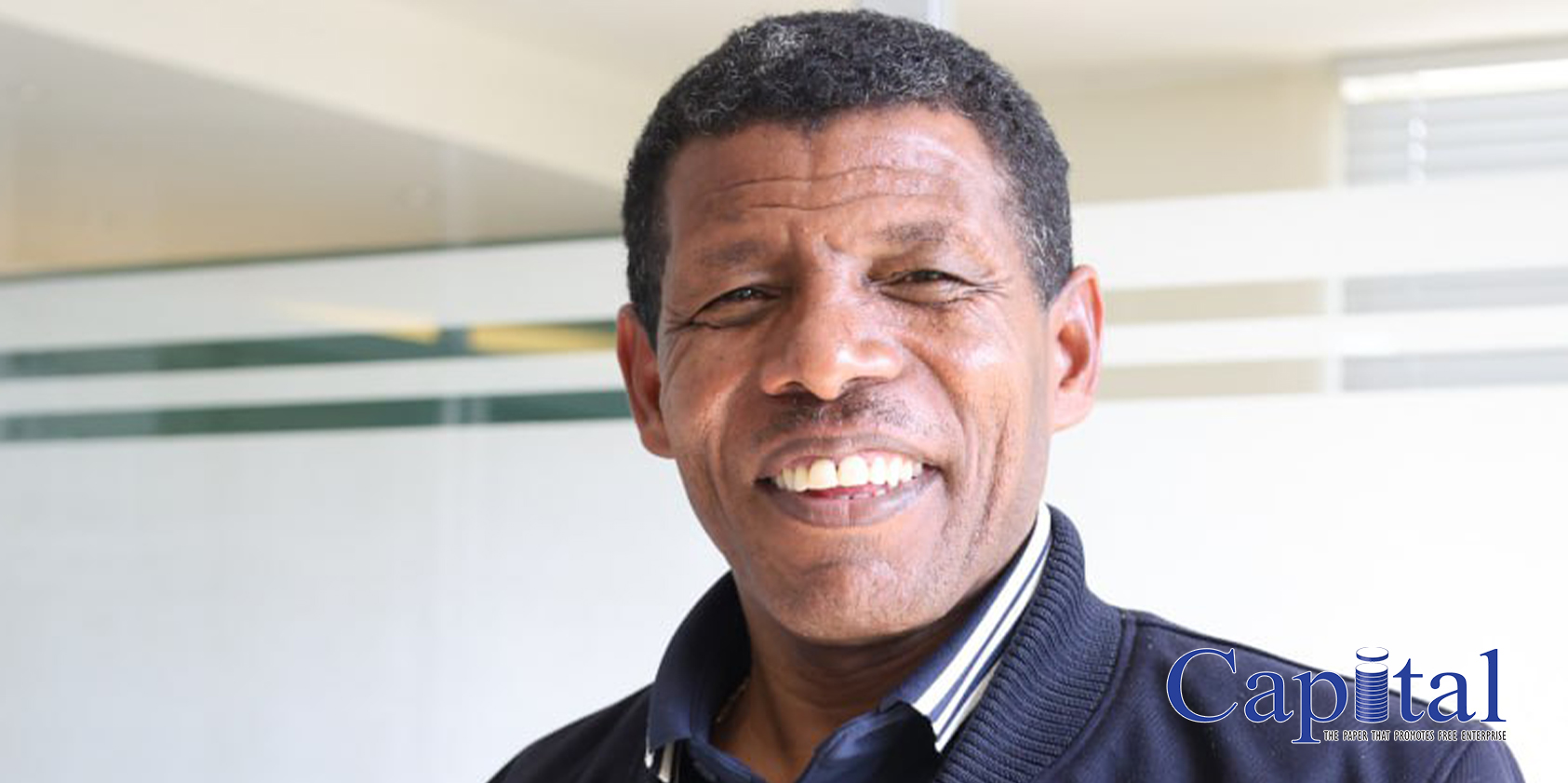
In a candid interview with Capital, legendary Ethiopian athlete Haile Gebrselassie shares his heartfelt reflections on the 25th anniversary of the Great Ethiopian Run (GER). Since its inception in 2001, GER has evolved from a simple dream of creating a European-style running event into a nationwide celebration of unity, health, and community spirit. Haile underscores how the event has transformed Ethiopia’s athletic culture by making running accessible to all citizens—families, schoolchildren, office workers—not just elite athletes. Highlighting GER’s role in fostering a national running culture, social impact initiatives, and international recognition, he envisions an even broader future where running is part of every Ethiopian’s life and the event grows to serve millions across Africa. The interview offers a compelling look at the legacy and vision behind one of Africa’s most vibrant sporting festivals. Excerpts;
Capital: Twenty-five is a remarkable milestone for any event. What does this Silver Jubilee edition mean to you personally and to the GER organization?
Haile Gebrselassie: Twenty-five years ….. what a journey! When we started this event back in 2001, our dream was simple: to bring people together through running and create a running event like the Europeans. For me personally, this Silver Jubilee is a celebration of that dream fulfilled, not just for Great Ethiopian Run as an organization, but for our entire nation. It reminds us how far Ethiopia has come; from a country known for elite athletes to one where everyone runs for joy, health, and unity. For me it’s emotional, really…. over the past years Great Ethiopian Run has become part of the nation’s heartbeat
Capital: In your perspective, how has it changed athletic culture and public participation in Ethiopia over the past quarter century?
Haile Gebrselassie: Before Great Ethiopian Run, running was mostly seen as something for elite athletes or champions, for myself, Kenenisa, Derartu, Gete, etc… Today, it’s part of daily life. Families, schoolchildren, office workers,…. everyone wants to run. I believe that we’ve helped or at least shift the mindset from “running is for athletes” to “running is for everyone.” It’s also inspired other organizations across Ethiopia to organize their own races, creating a true culture of fitness and celebration.
Capital; Since 2001, more than 760,000 people have participated in the competition. What do you think makes Ethiopian and international runners come back every year?
Haile Gebrselassie: There’s something magical about the Great Ethiopian Run, the energy, the music, the dance, the color, the people… and so forth. We always say that it’s more than a race – it’s a festival of life. Whether you’re an elite runner or just someone jogging with friends, you feel the same joy. The Ethiopian spirit, our warmth, our rhythm, draws people back year after year. And for international runners, there’s the unique experience of running at high altitude surrounded by tens of thousands of smiling faces. It is more than a race
Capital: Over the past 25 years, how has the Great Ethiopian Run (GER) been able to make a difference in the country’s athletic culture in transitioning from “top-notch athletics to more participation”? How are you going to keep this thread going?
Haile Gebrselassie: We’ve always believed that the strength of Ethiopian athletics doesn’t lie only in the few at the top but in the many who believe they can start. GER made that possible. We built bridges between elite competition and public participation, and that connection has strengthened our running culture. To keep it going, we’ll continue nurturing community events, kids’ runs, women’s races, and regional runs that give everyone a platform to participate.
Capital: Having raised over 35 million birr, which social service project has GER made the biggest impact on community with over the past 25 years?”
Haile Gebrselassie: We have a number of ways that we have been working on, but think of a 100 million birr collection through our Run For a Cause campaign.
That’s not just a number; it has lives touched. One of our proudest achievements is how much we’ve contributed to social causes, from health initiatives to education programs and community development.
Personally, I’ve seen the biggest impact in projects supporting children and youth, especially in education and health. Because when we help the next generation grow strong, we’re building the true legacy of this run.
Capital: What makes the GER unique in Ethiopia compared to other international road races?
Haile Gebrselassie: Great Ethiopian Run is not just another international road race, it’s an experience unlike any other. The atmosphere, the music, the dancing, the colors. It’s pure Ethiopian energy. Other races may focus on speed; ours celebrates spirit. It’s also unique because it brings together all walks of life, rich and poor, young and old, athletes and amateurs, all running side by side for a common joy.
Capital: How does the Great Run support and promote new running talent as a ‘starting point’ for new and successor athletes?
Haile Gebrselassie: Many of our country’s top athletes took their first competitive steps at the Great Ethiopian Run. We like to think of it as a “starting point” for future champions. Through our races and training partnerships, we give young runners exposure, confidence, and opportunity. I’ve seen youngsters start here and go on to compete internationally. Supporting the next generation is one of the most fulfilling parts of our work.
Capital: As the event gains international recognition, how do you believe it will shape Ethiopia’s image on the world stage?
Haile Gebrselassie: GER has become one of Ethiopia’s most recognizable international events, a positive story the world loves to tell. It shows the world that Ethiopia is not only the land of champions but also a land of joy, peace, and community. Every year, visitors leave with a new image of our country, vibrant, united, full of life. That’s powerful diplomacy through sport.
Capital: It is known that the competition is the reason for the creation of similar events throughout the country. How did this expansion help build a national running culture?
Haile Gebrselassie: When we began, there was only one race, now we have races in Hawassa, Jimma, Bokoji, Arba Minch, and also we are going to start new races in Debre Birhan & Harar this year. This expansion has created a real national running culture. Local organizers are inspired, cities are becoming healthier, and tourism has grown around these events. It’s exactly what we hoped for a movement that spreads far beyond Addis Ababa.
Capital: The 25th anniversary edition contains special programs. What can attendees and audiences expect this year?
Haile Gebrselassie: This year, everything is bigger, more vibrant, and more symbolic. From special Silver Jubilee medals and artistic race-day visuals to our “Tokens of Triumph” displays, every detail celebrates 25 years of unity and endurance. Expect performances that tell our story, from the early 2000s to today, and new programs recognizing people who have been part of this journey from day one. It’s a festival of memory and hope.
Capital: In the next 25 years, what is your biggest goal or vision for the Great Ethiopian Run?
Haile Gebrselassie: My biggest dream is for every Ethiopian child to grow up with running as part of life, not just for competition but for health and happiness. In the next 25 years, I want GER to become Africa’s leading platform for community fitness and sports tourism, a symbol of African pride and innovation. And maybe one day, we’ll celebrate the 50th anniversary with a million runners!
Capital: What is the most memorable moment or short story that you have personally witnessed in the history of the GER that reflects the spirit so well?
Haile Gebrselassie: Every year has been memorable, but if you insist …. I can choose 2001 or the first race as a special & memorable race. Because that was just the beginning of all the journey and off course I won the 1st edition as well, which makes it unforgettable. If I can add one more I can go for 2015edition where I run my last competitive race, and tried a 100m barefoot run to commemorate the Greatest Abebe Bikila.