Wednesday, November 25, 2026
Home Blog Page 587

Private schools face re-registration and stricter standards under new education proclamation

0

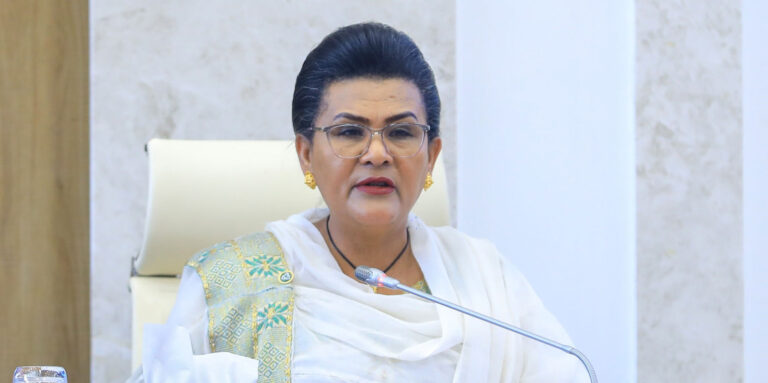
The Ministry of Education has introduced a comprehensive new regulatory framework aimed at strengthening oversight of private general education institutions across Ethiopia. Building on the existing General Education Proclamation No. 1368/2017, the draft regulation sets out clearer and higher standards for enrollment, financial management, community involvement, and institutional governance for all privately owned schools, including those run by civil society and religious groups.

The principal goal of the new framework is to enhance the quality of education while encouraging investment in private schooling, enabling these institutions to contribute effectively to the country’s national education targets by providing high-quality alternatives for both Ethiopian and international students.

Key mandates include mandatory re-registration for all existing non-governmental schools, which must comply with updated licensing and accreditation requirements on a timetable set by the Ministry. The regulation emphasizes institutional autonomy requiring independent financial sourcing and management structures that maximize revenues from tuition, donations, and investments.

Strict prohibition of discrimination against students is reinforced, ensuring all qualifying students, regardless of background, have access to education without bias. The Ministry will actively monitor tuition fees, introducing a ceiling on charges that will be reviewed triennially, requiring schools to notify parents of any planned increases three months in advance and to issue official receipts for all payments.

In a move to decentralize governance and enhance community control, private schools must establish a school committee of 5 to 7 members and follow decentralized management practices. Regional education bureaus have been empowered to license, accredit, and register private, civil, and religious schools, while the Ministry retains exclusive authority over international and community schools.

Additional provisions include protection for teachers and staff under the Federal Employer and Labor Act, providing security for work-related injury or death, and the requirement that schools offer professional educational counseling from the first grade.

Regulations for exam integrity are strengthened with penalties targeting any students, teachers, or staff involved in cheating or facilitating misconduct during national or regional testing.
Over 15 billion birr off-budget revenue, billions in accumulated debt raise concerns about public finance integrity

0

An official audit report has revealed critical financial management issues within The Ministry of Finance, including the collection of over 15.1 billion birr in revenue that was not registered in the approved 2023/24 budget, and the accumulation of billions of birr in unresolved historical debt.

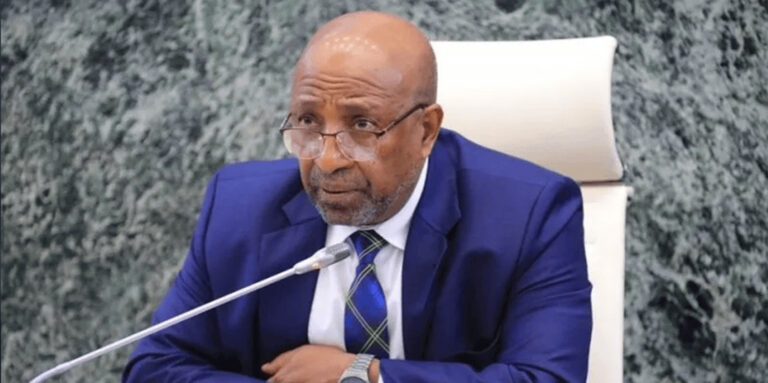
The report, issued by the Office of the Federal Auditor General (OFAG) under Meseret Damte’s leadership, highlights that the Ministry of Finance collected substantial off-budget revenues, contravening the Financial Governance Proclamation (Proclamation No. 648/2001), which mandates that all revenues expected during the fiscal year be included in the annual budget for legislative oversight.

This unauthorized revenue collection raises serious questions about transparency and accountability in public financial practices, representing a significant regulatory breach.

Furthermore, the audit documents the lingering problem of accumulated debts linked to the privatization of former state-owned enterprises. The total unpaid debt exceeds 3.09 billion birr, with 2.88 billion birr attributed to the unpaid sale balances of eleven privatized institutions—five of which carry “dead debts” unpaid for over a decade.

Additional financial concerns include delayed payments totaling 2.35 billion birr spanning five to ten years, unpaid dividends such as 70.1 million birr from Guinness Overseas Holdings, and a 44.4 million birr loan to Ethiopian Business Works Corporation overdue for more than ten years.

Chronic financial shortages amounting to over 6.3 million birr were reported across 29 budgetary institutions, with Addis Ababa Airport’s Customs Commission branch experiencing a tenfold increase in shortages, signifying a worsening trend.

The audit also uncovered discrepancies exceeding 8 billion birr between Treasury bill reports and recorded government consolidated accounts, raising doubts on the accuracy of debt registration.

Compounding these issues is a systemic failure to report grant funds from international donors within the Integrated Budget and Expenditure System (IBEX), compromising the completeness of national financial statements and hindering external audit verification.

The Auditor General’s office warns that these systemic regulatory failures could severely undermine public finance integrity if unaddressed.

The OFAG has urged the government to undertake fundamental reforms to halt financial misconduct, address long-neglected debts, and comply fully with established financial management frameworks.

Funding crunch threatens hard-won health gains in Africa

0

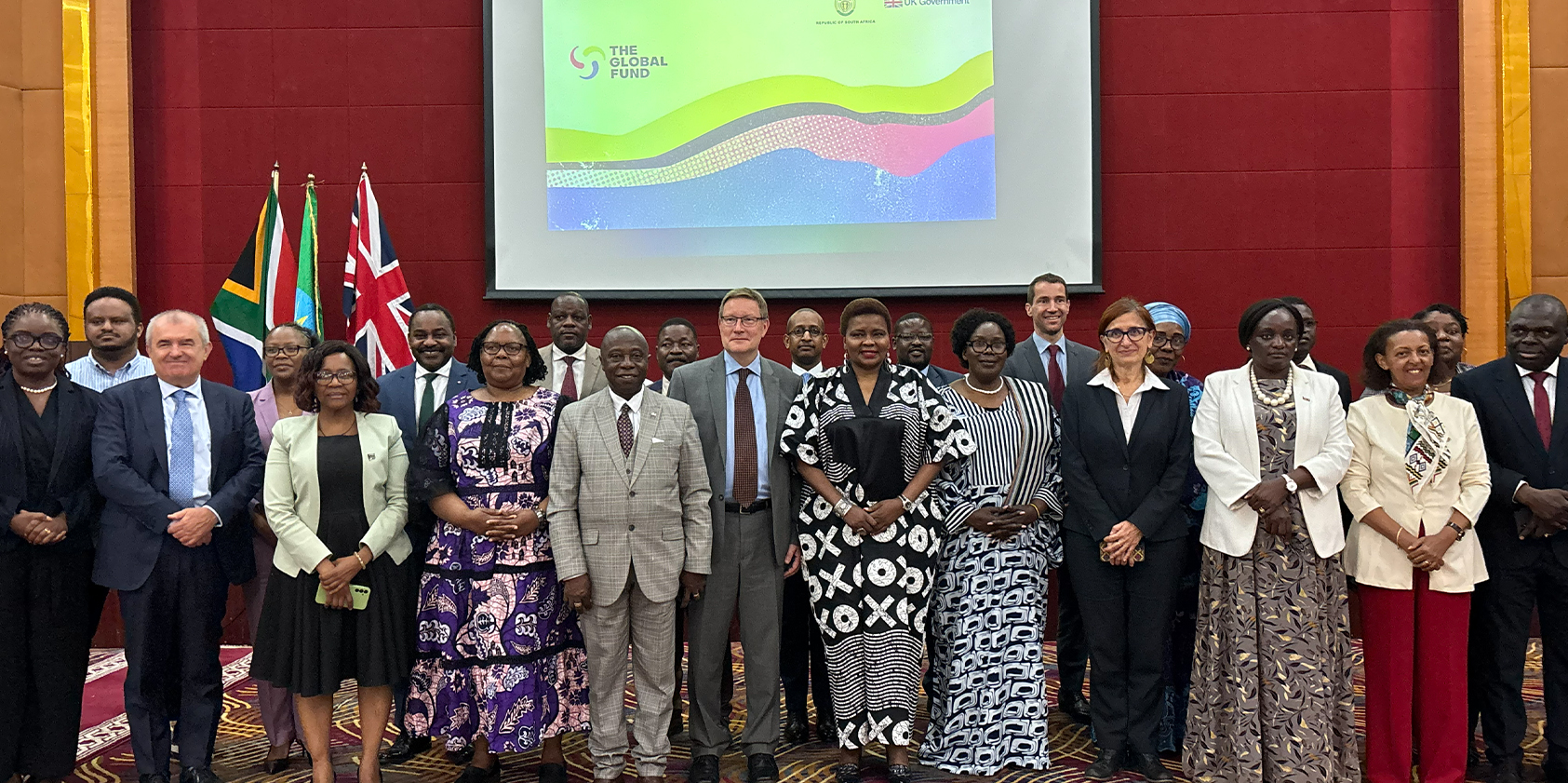
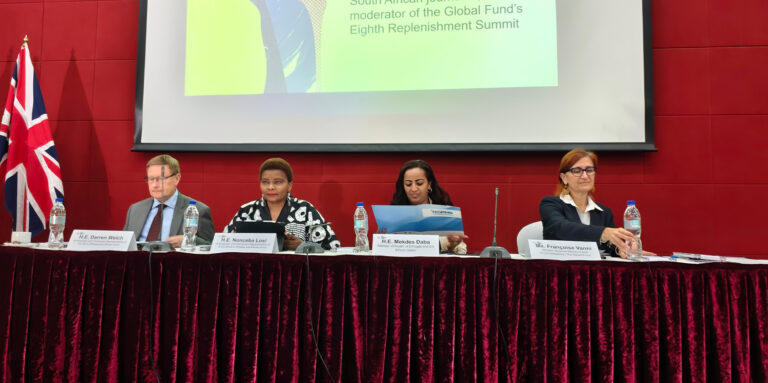
African countries, supported for over two decades by the Global Fund, have made remarkable progress in reducing HIV, tuberculosis (TB), and malaria. However, senior health and financial officials have raised alarms at a recent ambassadors’ roundtable that ongoing funding shortfalls and a rush toward self-reliance risk reversing these critical achievements.

Mekdes Daba, Ethiopia’s Minister of Health, emphasized the human stakes involved: “The numbers we are talking about are not just individuals or numbers, but survivors and lives on which future luck will depend.” She highlighted that Ethiopia’s health, finance, and foreign affairs ministries are collaborating on a sustainable action plan to transition to a “self-reliant, efficient and sustainable health system,” aligned with the continent-wide Agenda 2063.

Central to this plan is strengthening domestic resource mobilization to safeguard the progress made. As Minister Daba noted, health is not only a moral imperative but also a foundational element of social stability, prosperity, and peace.

Francoise Vanni, Director of External Relations and Communications at the Global Fund, celebrated the remarkable success achieved through their partnership: “We have saved 70 million lives.” Deaths from HIV, TB, and malaria have dropped by 63% in Global Fund-supported countries, with Africa receiving over 70% of the investments. Life expectancy in 15 sub-Saharan countries has risen dramatically, attributing more than half of this increase to gains against these diseases.

Yet, South African Ambassador Nonseba Losi warned that the upcoming eighth replenishment of the Global Fund is a “period of investigation.” She cautioned against moving too quickly in withdrawing support without adequate safeguards, saying, “We risk reversing the progress we want to protect.”

Echoing this caution, Global Fund representatives stressed the need for continued confidence combined with sustained investment to avoid rolling back years of hard-earned gains.

Since its inception in 2002, the Global Fund has disbursed nearly $70 billion, supporting community health workers, health information systems, and robust public finance management. The Fund acts as a crucial financial conduit enabling countries to innovate and execute policies consistent with Africa’s sovereignty aspirations.

Ghanaian President Akufo-Addo has championed this transition from aid dependency to African ownership, emphasizing domestic resource mobilization, strengthening public finance systems, and building resilient, inclusive health infrastructures.

Ambassador Losi flagged the forthcoming summit in Johannesburg as a vital occasion to amplify African voices, urging the world to recognize that this partnership is not charity but a shared responsibility. Investing in the Global Fund represents a commitment to Africa’s health security, economic resilience, and self-reliance.

National Alcohol and Liquor Factory secures 80-year land lease for major expansion in Sheger City

0

The National Alcohol and Liquor Factory (NALF), a key state-owned enterprise in Ethiopia’s beverage industry, has embarked on a significant long-term expansion by securing an 80-year land lease in the rapidly developing Sheger City. According to the company’s financial report dated June 30, 2025, NALF acquired a 20,148 square meter industrial site from Sheger City Administration through an agreement finalized on August 17, 2024, for approximately 92.4 million birr.

Buoyed by a strong financial foundation and increased domestic capital support, this strategic investment is poised to substantially elevate the factory’s production capacity for decades ahead. The report shows NALF’s total capital equity rose from 786 million birr in the prior year to 803 million birr in 2025. Additionally, the total value of the company’s property, plant, and equipment exceeded one billion birr, reaching over 1.058 billion birr.

Reflecting ambitious production goals, the factory’s raw material stock swelled by nearly 70 percent compared to the previous year, totaling over 123 million birr. This growth underscores NALF’s commitment to accommodating increased output at its new Sheger City facility. The company’s paid-up capital currently stands at 622 million birr and supports expansion and modernization projects at its Mexico and Sebata branches.

Despite strong asset growth, NALF relies heavily on short-term loans to manage operational cash flow tied to raw materials and salaries. As of June 30, 2025, the factory carried an overdraft balance of 96.6 million birr against a 150 million birr facility obtained from the Commercial Bank of Ethiopia in April 2023, subject to a 14% annual interest rate. CEO Mesfin Abate explained that the Sebeta factory building, used as collateral for the overdraft, illustrates the firm’s use of dynamic financing tools to balance production costs and revenues.

Additional financing includes a 50 million birr short-term loan from Awash Bank at 15% interest due within one year. While such loans are common, the persistent use of relatively costly debt alongside capital projects, such as constructing a new factory in Mekanisa and refurbishing the Sebata branch, raises questions about operational efficiency.

Nonetheless, NALF posted a 14.7% increase in net profit for the fiscal year, reaching 307.4 million birr compared to 268 million birr the prior year. Total sales amounted to 2.7 billion birr, an increase of over 200 million birr. Founded in 1992 with the goal of producing a full range of alcoholic beverages for domestic and export markets, the factory’s total assets are reported at 803.4 million birr as of June 2025.