Wednesday, May 13, 2026
Home Blog Page 612

Eliminating unjustified power cuts

0

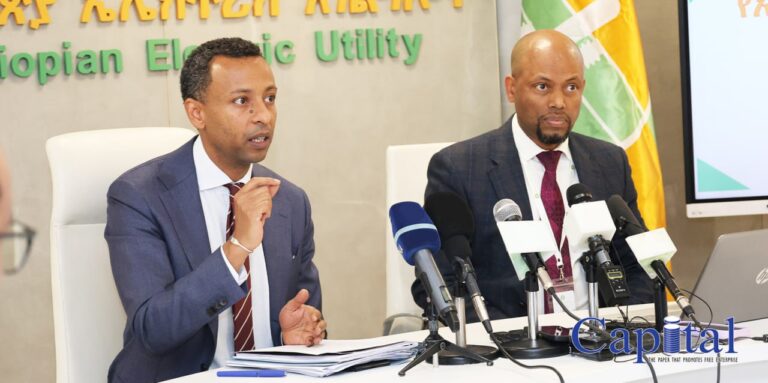
Ethiopian Investment Holding (EIH) has unveiled an ambitious plan to eradicate unjustified power disruptions in the Ethiopian Electric Utility (EEU). This initiative, announced by EEU’s newly appointed CEO, Getu Geremew, and EIH CEO, Brooke Taye, aims to replicate successes from other countries in achieving a “Zero-power disruption” scenario.

Brooke Taye emphasized that power outages caused by preventable factors, such as tree growth and branches interfering with power lines, should become a thing of the past. “We want to see the changes that have been made by other government agencies replicated in the Ethiopian electricity service,” Dr. Brooke stated. They also underscored the importance of not only addressing the causes of power cuts but also promptly notifying the public of the estimated restoration time.

EIH, which oversees EEU as part of its portfolio of state-owned enterprises, has developed a comprehensive plan to enhance the efficiency and reliability of the country’s energy supply. This initiative follows a change in management at EEU, with Getu Geremew succeeding Shiferaw Telila, who had been CEO since 2018.

One of the immediate priorities outlined by EEU is clearing trees and branches that interfere with power distribution lines. Getu noted that 47% of reported power cuts were due to plant-related issues. He added that the tree control initiative launched two months ago has reached 50% implementation levels in Addis Ababa and 30% nationwide. The EEU is committed to completing the remaining work within a 100-day action plan.

In addition to plant management, EEU is also addressing infrastructure theft and vandalism, which significantly contribute to power outages. “As you will soon notice, we have suffered massive infrastructure damage in various parts of Ethiopia, including Ambo, Gondar, Woldiya, and Kombolcha, leading to long-term power cuts for our customers,” the CEO said.

To improve customer service and combat corruption, EEU has launched a new mobile app that allows customers to report cases of malpractice and corruption anonymously. This digital platform, which includes a Telegram bot and website, promotes greater transparency and accountability by ensuring the confidentiality of whistleblowers.

The collaborative efforts of EIH and EEU indicate a renewed commitment to improving the reliability and efficiency of Ethiopia’s energy sector, ultimately benefiting families and businesses across the country.
Ethiopia strengthens trade ties with China through BRICS and Canton Fair

0

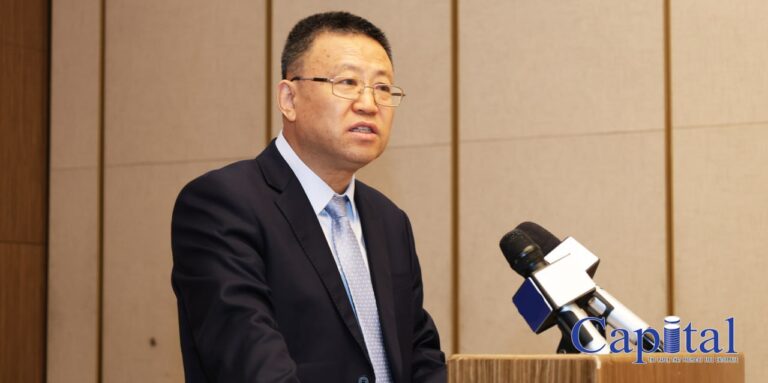
Ethiopia’s economic landscape has undergone significant transformation with its growing partnership with China, its main trading partner and source of foreign direct investment (FDI). This momentum has been further bolstered by Ethiopia’s inclusion in the BRICS strategy, opening new avenues for cooperation and economic growth.

Prime Minister Abiy Ahmed’s official visit to China in 2024, including his participation in the Beijing summit of the China-Africa Cooperation Forum (FOCAC), underscored the deepening strategic ties between the two countries. Both nations pledged to implement the consensus reached at the summit and the proposed “10-partnership action” at FOCAC, paving the way for broader and deeper cooperation to promote modernization.

A key platform for this growing partnership is the Canton Fair, a foundational event for international business development. Over the years, the fair has played a multifaceted role as a vital hub for enhancing economic and trade cooperation between China and Africa. It has facilitated trade, strengthened cultural exchange, increased trust, improved disaster prevention, and accelerated industrial development.

The 136th Canton Fair showcased Ethiopia’s rich agricultural products, with the Embassy of the Federal Democratic Republic of Ethiopia presenting various items in China, including Yirga Cheffe, Sidama, and Guji coffee beans, as well as kidney beans, broad beans, and black beans. Arabica coffee, a flagship product, attracted significant attention, drawing over 200 interested buyers daily. This achievement highlights Ethiopia’s rich agricultural resources and the enormous potential of China-African trade.

“The Canton Fair will continue to be a powerful engine that will promote the continued development of bilateral economic and trade cooperation,” said a representative of the Chinese Embassy in Ethiopia, emphasizing the embassy’s commitment to acting as a bridge to trade and friendship.

The upcoming 137th Canton Fair, scheduled from April 15 to May 5, is set to further strengthen these relationships. The Ethiopian Chamber of Commerce and Sectoral Associations (ECCSA) and the China Foreign Trade Center have formalized a strategic partnership through a Memorandum of Understanding (MOU), pledging to foster deeper cooperation to promote trade and economic development.

Kenenisa Lemi, Secretary General of ECCSA, noted, “This MOU provides a framework for enhanced trade and investment opportunities while ensuring that the Ethiopian and Chinese business communities receive the necessary support to thrive in each market.”

ECCSA actively supports the participation of Ethiopian businesses in international markets, including initiatives such as the 14th Ethiopian Chamber of Commerce and Sectoral Associations International Trade Fair, scheduled for March 2025. This event aims to showcase Ethiopian products, attract international investors, and enhance economic cooperation.

A representative of the Canton Fair highlighted the evolution of the fair and its role as a “bridge of friendship, commerce, and friendship.” Over 30,000 exhibitors at the upcoming event underscore the commitment to innovation, quality, and service, showcasing modern technology, intelligent products, and innovative life products.

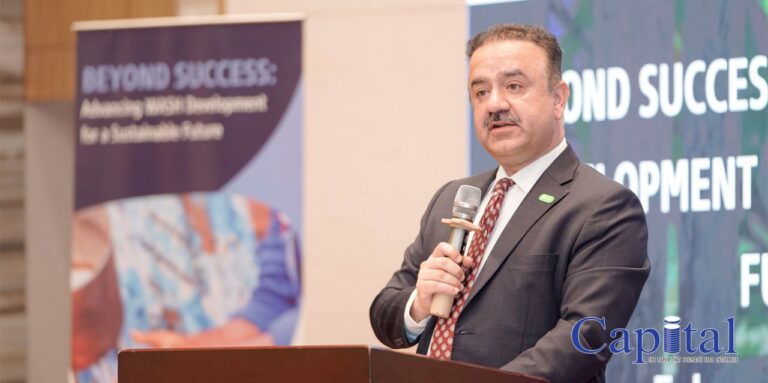
Welthungerhilfe’s Community-Led WASH Project in Amhara Region achieves success, faces funding challenges

0

Welthungerhilfe (WHH), a dedicated partner in Ethiopia’s development efforts for over 50 years, has successfully implemented a comprehensive Water, Sanitation, and Hygiene (WASH) program in the Amhara region. This initiative integrates water supply with food security, nutrition, and climate resilience, leveraging solar-powered water systems, community-led sanitation initiatives, and sanitation promotion to ensure sustainable and resilient WASH services.

The project’s success is attributed to strong local ownership and community engagement. The Amhara Regional Treasury contributed 5%, while the community provided 6% of the funding, demonstrating a deep commitment to the initiative. Yousaf Jogezai, WHH’s Regional Representative for the Horn of Africa, highlighted the critical role of community involvement and government partnerships in the project’s achievements.

“The main achievement is community involvement, ownership, contribution, and even financial contribution,” Jogezai emphasized. “They are the leaders. Our role is simply to support them.” This community-focused approach was facilitated through close collaboration with the Amhara Regional Water and Energy Bureau and the Ministry of Water and Environment.

Welthungerhilfe plans to share its experiences, lessons learned, and best practices with other stakeholders to encourage the replication and expansion of this initiative across Ethiopia. Recognizing the interconnectedness of water, nutrition, health, and agriculture, the organization worked closely with the Ministry of Agriculture and Health, underscoring the importance of interdisciplinary collaboration.

Despite the project’s success, Jogezai identified a critical challenge: securing funding. “The main challenge is getting funding,” he noted, acknowledging the trend of global aid cuts. To address this, Welthungerhilfe is actively seeking alternative funding sources and engaging with the private sector in Germany and internationally to ensure continued support for vulnerable populations.

The Amhara Regional Water Project serves as a strong testament to the potential of community-based development and strategic partnerships to bring about meaningful change. However, access to sustainable funding is crucial to replicating the impact and ensuring that no one is left behind. As WHH continues to navigate these challenges, its commitment to community-led initiatives remains unwavering, offering a model for effective development that can be scaled across Ethiopia and beyond.

Ethiopia: A beacon of resilience and opportunity in Africa

0

In a continent often characterized by economic challenges and external shocks, Ethiopia stands out as a beacon of resilience and opportunity. According to the 2024 ‘Economic Development in Africa Report’ by the United Nations Conference on Trade and Development (UNCTAD), Ethiopia has demonstrated remarkable agility in navigating global crises, particularly during the COVID-19 pandemic, and continues to leverage its strengths in agriculture and regional trade to drive economic growth.

Ethiopia, classified as an agricultural commodity-dependent economy, has faced its share of challenges, including climate-related shocks and the global pandemic. However, the country has shown remarkable resilience, with GDP growth rates that have consistently outpaced many of its African peers. Between 2019 and 2021, Ethiopia’s economy grew by an average of 6.1%, even as other nations struggled with the economic fallout from the pandemic.

One of the key factors behind Ethiopia’s resilience is its ability to adapt to crises. During the COVID-19 pandemic, Ethiopian Airlines, the country’s flagship carrier, played a pivotal role in mitigating the economic impact. By converting passenger aircraft into cargo carriers, the airline maintained critical supply chains, transporting essential goods such as medical supplies and pharmaceuticals across the globe. This strategic pivot not only helped sustain the airline’s operations but also provided a buffer for the country’s economy, which faced disruptions in merchandise trade.

Agriculture remains the backbone of Ethiopia’s economy, contributing over 39% of the country’s GDP. However, the sector is highly vulnerable to climate change, with frequent droughts and erratic rainfall patterns posing significant risks. The 2022 drought, which affected large parts of East Africa, including Ethiopia, highlighted the urgent need for climate adaptation strategies. Despite these challenges, Ethiopia has made strides in improving agricultural productivity and diversifying its agricultural exports.

The government has also been investing in infrastructure and technology to modernize the sector. Initiatives such as irrigation projects and the adoption of climate-resilient crops are expected to enhance food security and reduce the country’s reliance on rain-fed agriculture. Additionally, Ethiopia’s participation in regional trade agreements, such as the African Continental Free Trade Area (AfCFTA), offers new opportunities for agricultural exports, particularly to neighboring countries.

Ethiopia’s strategic location in the Horn of Africa positions it as a key player in regional trade. The country has been actively participating in regional economic communities, such as the Intergovernmental Authority on Development (IGAD) and the Common Market for Eastern and Southern Africa (COMESA). These regional blocs provide platforms for Ethiopia to expand its trade networks and integrate more deeply into regional value chains.

The UNCTAD report highlights that intra-African trade, particularly in processed and semi-processed goods, has been growing steadily. Ethiopia, with its relatively diversified economy, is well-positioned to benefit from this trend. By focusing on value addition and industrialization, Ethiopia can move up the value chain, reducing its dependence on raw agricultural exports and creating more jobs in the manufacturing sector.

The UNCTAD report underscores the importance of robust macroeconomic policies and regional cooperation in building resilience to external shocks. For Ethiopia, this means continuing to invest in infrastructure, particularly in transport and energy, to reduce trade costs and improve connectivity with regional markets. Additionally, the government should prioritize policies that support small and medium-sized enterprises (SMEs), which are critical for job creation and economic diversification.

Climate adaptation remains a pressing issue, and Ethiopia must continue to invest in sustainable agricultural practices and climate-resilient infrastructure. The report also recommends leveraging digital technologies to enhance productivity and competitiveness, particularly in the agricultural and manufacturing sectors.