Wednesday, November 25, 2026
Home Blog Page 613

Foreign Journalists Honored for Courageous Reporting on Russia at IV International Media Award “Honest View”

0

Moscow, Russia

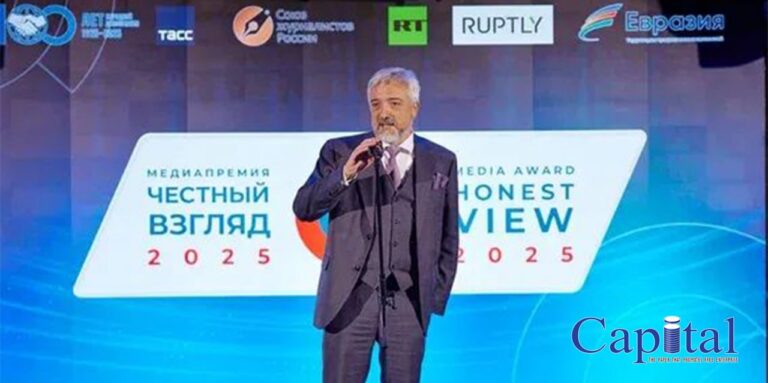
The winners of the IV International Media Award “Honest View,” recognizing foreign journalists and bloggers who report courageously and accurately about Russia, were announced at a ceremony held in Moscow, attended by over 100 media professionals from around the world.

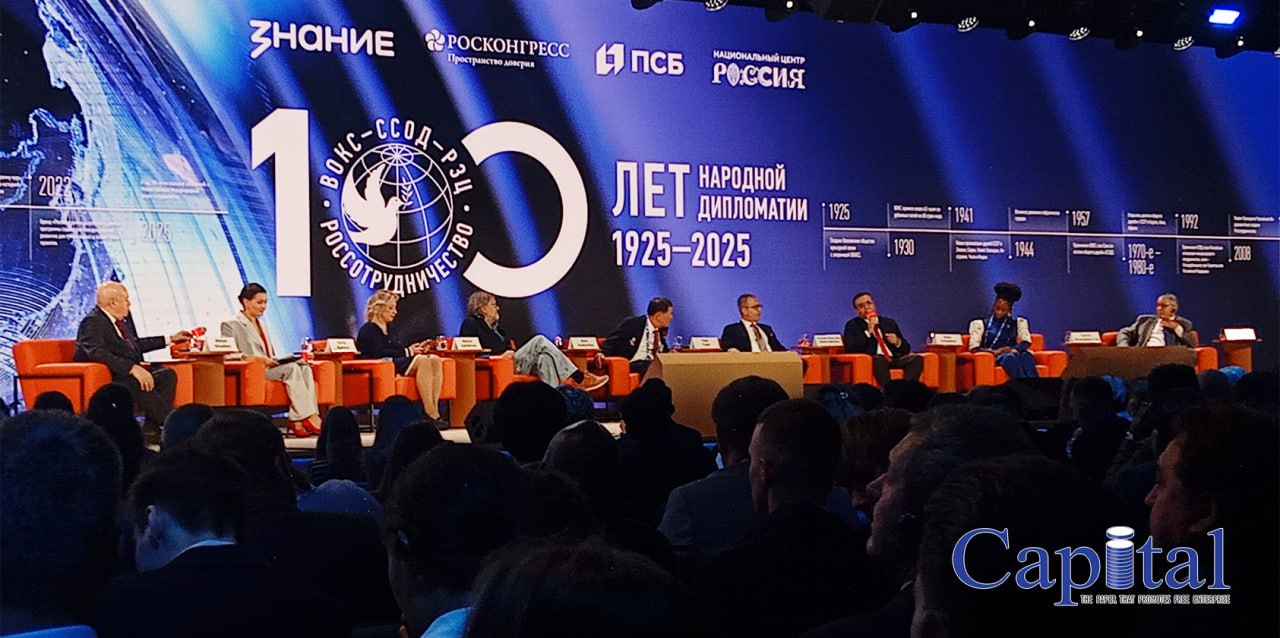
The award event took place as part of the International Cooperation Forum marking the 100th anniversary of public diplomacy, stressing the importance of balanced and truthful journalism in today’s polarized global landscape.

In his opening remarks, Evgeny Primakov, Head of Rossotrudnichestvo, emphasized the challenges faced by journalists in writing honestly about Russia. “Honestly writing and making a film about Russia today is an act that requires courage,” said Primakov. He expressed gratitude toward international participants and explained that the award was created to thank journalists for their honesty and principles.

The 2025 Media Award set a new record with 821 entries from 75 countries spanning the CIS, Africa, Asia, Europe, and the Americas, showcasing its growing worldwide reach.
The top prize, the Grand Prix, was awarded to Bosko Kozarski, a reporter for the Serbian TV channel Balkan Trip. Kozarski’s acclaimed project, “Cultural Tourist in Russia,” has introduced millions of Serbian and Balkan viewers to a modern, dynamic Russia rich in heritage. Supported by the Russian House in Belgrade since 2022, his work has significantly promoted the Russian language and culture abroad.

In other categories, Indian television journalist Manish Kumar Jha, executive editor of TV9 Bharatvarsh, received honors for excellence in journalism and documentary material. The category for best coverage of international cultural, social, or humanitarian partnership with Russia was awarded to Coron Perer of Italy’s Giornale Sentire, renowned for stories celebrating cross-cultural connection.

China’s Xinhua news agency team won the award for best public diplomacy coverage, marking important contributions in reporting on Russia’s international cooperation efforts.

Primakov underscored that the ceremony was a poignant reminder of principled journalism’s vital role in fostering international understanding and cultural exchange.

Other finalists hailed from diverse countries including Kazakhstan, Armenia, Georgia, Morocco, Tajikistan, Lebanon, and South Ossetia, highlighting the award’s truly global scope and its promotion of truthful representation in media.

The “Honest View” Media Award continues to elevate journalists who tackle complex stories and provide insightful, balanced perspectives on Russia’s role in the world. By honoring such work, it fosters transparency and reinforces the shared values underpinning global media integrity.
Erosion, diseases, and soil degradation threaten decades of agricultural progress in East Africa

0

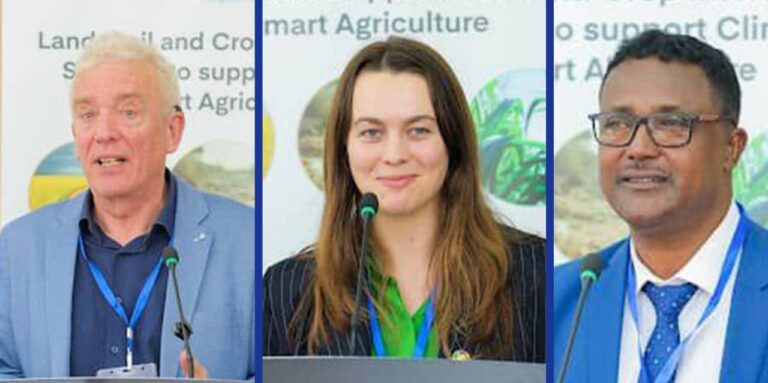
East Africa faces a mounting crisis as worsening soil erosion, crop diseases, and soil fertility decline threaten to undo decades of agricultural development and endanger the region’s long-term food security. Experts, government officials, and international partners have called for urgent action to restore soil health—the foundational element of East Africa’s predominantly agrarian economies.

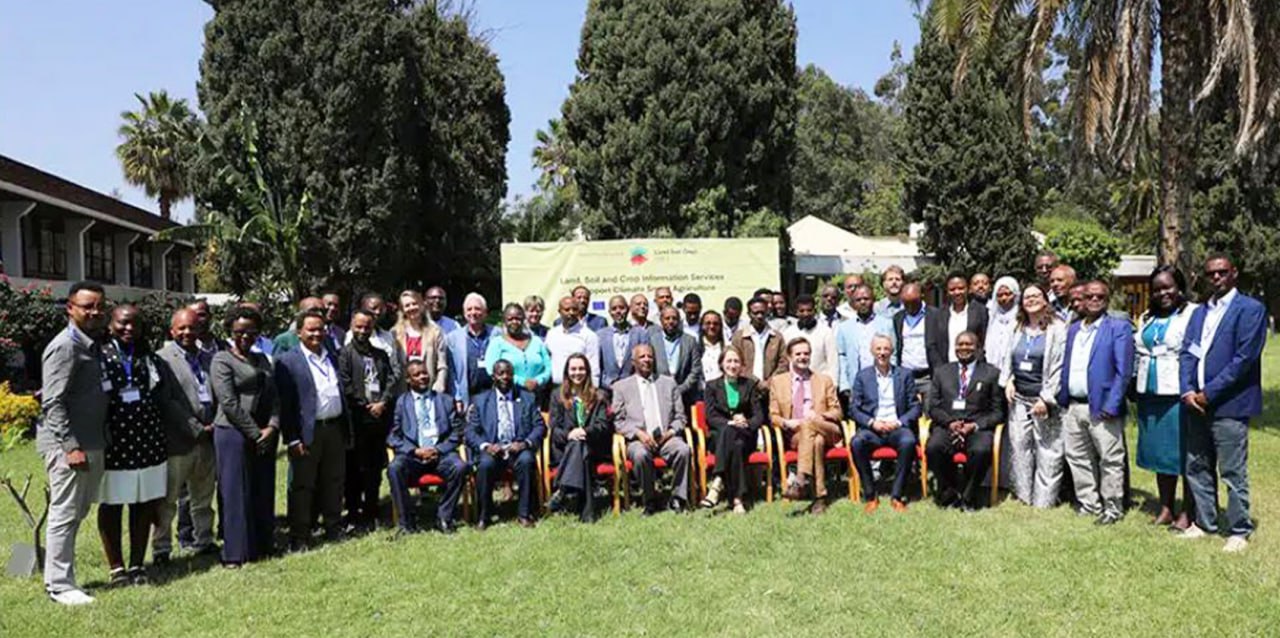
The Land, Soil, and Crop Information Service (LSC-IS) project, funded by the Dutch Ministry of Foreign Affairs and led by the International Soil Reference and Information Centre (ISRIC), is nearing completion in Ethiopia, Kenya, and Rwanda. This initiative aims to provide actionable data and insights that can guide sustainable land management and climate-smart agriculture.

Agricultural meteorologist Professor Niugussie Dechassa delivered a stark warning regarding the close link between soil condition and human well-being. “Poor soil creates poor people, and poor people get poorer,” he stated, reflecting on his observations across eastern Ethiopia. “Wherever the soil is rich, the people are rich, and the children are well fed. Where the soil is poor, the opposite happens.”

Although there have been incremental improvements in crop and livestock productivity with international support, these gains are insufficient to keep pace with rapid population growth. This imbalance exacerbates persistent vulnerabilities to food insecurity.

One of the critical achievements of LSC-IS has been establishing National Land, Soil and Crop Information Centres—data hubs located in the agricultural research institutes of the three participating countries. These hubs integrate diverse datasets, including field observations, satellite imagery, and economic statistics, making soil and crop information more accessible and actionable for farmers, agricultural advisors, and policymakers.

By translating complex scientific data into practical guidance, these centers support the adoption of climate-smart agriculture practices such as soil fertility enhancement, water conservation, and sustainable land use. This approach helps smallholder farmers adapt to climate change and improve yields.

A representative of the European Union, a key project partner, highlighted the importance of sustainable investment in local scientific capacity. The representative urged young African scientists to utilize the new data infrastructure to inform evidence-based policymaking. “We need to make sure that we have the right information to make decisions,” they said.

Despite these advances, experts warn that soil health restoration is a long-term endeavor requiring sustained political commitment, financial investment, and coordinated action across sectors. The LSC-IS project represents a crucial first step, but ongoing support is necessary to scale innovations and embed soil conservation in national agricultural strategies.

The broader vision articulated by stakeholders is to leverage improved agricultural productivity as a catalyst for structural economic transformation in East Africa, ultimately advancing industrialization and regional development.

Soil degradation, driven by erosion, nutrient depletion, and disease, currently costs the region millions annually in lost agricultural output and undermines the livelihoods of millions of smallholder farmers. Failure to act threatens not only food security but also social stability and economic resilience.

National governments are urged to prioritize the financial and technical sustainability of soil and crop information centers, invest in integrated soil management, and embed climate adaptation into rural development.

African experts call for strengthened partnership with China to transform agriculture

0

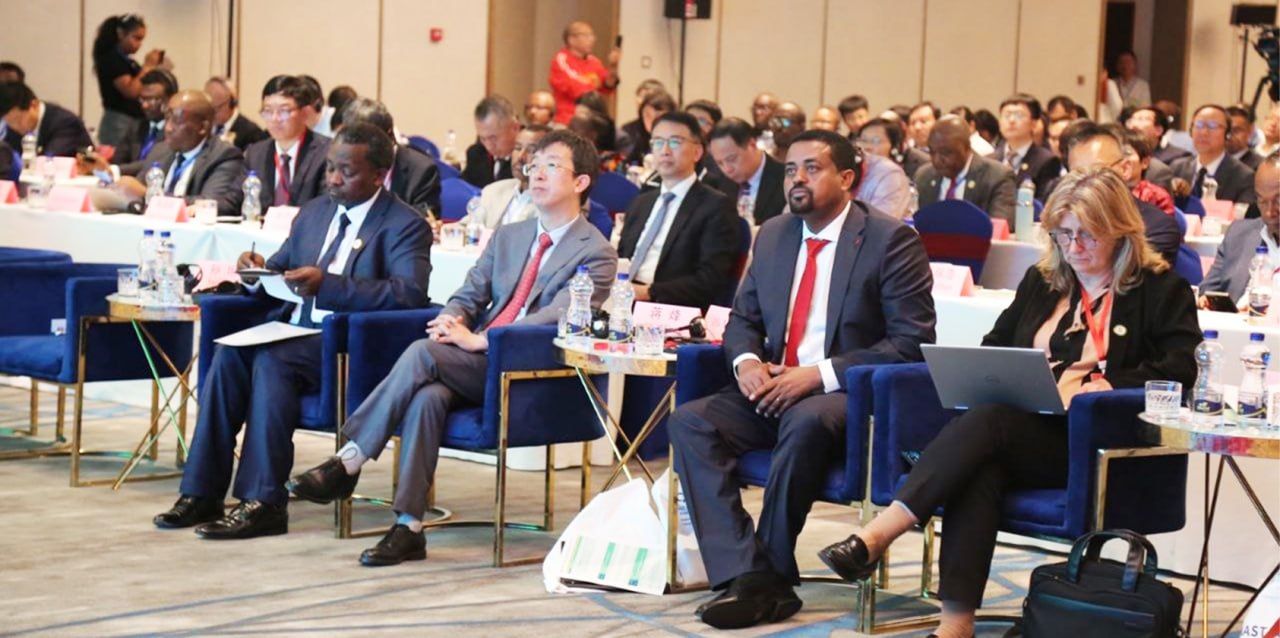
At the 2025 General Assembly of the China-Africa Agricultural Science and Technology Innovation Alliance (CAASTIA), held last week in Addis Ababa, agronomists and experts from across Africa urged strengthened cooperation with China to modernize agriculture and boost food security through science, innovation, and technology.

The three-day summit brought together more than 200 agricultural scientists, policymakers, and stakeholders from Africa and China under the theme “Food Security and Agricultural Modernization for the Whole of Africa in Cooperation.” The event emphasized moving beyond traditional aid toward sustainable, capacity-building partnerships that can address Africa’s structural agricultural challenges.

Participants discussed how Africa’s agricultural potential remains largely untapped. Lise Korsten, President of the African Academy of Sciences, highlighted that although Africa holds 60% of the world’s uncultivated arable land, hunger and food insecurity persist across the continent. She stressed that pairing Africa’s natural resources with China’s proven agricultural innovations—such as high-yield practices, enhanced supply chains, and digital farming—creates a vital partnership to foster a resilient global food system.

Korsten pointed to China’s remarkable achievement of feeding nearly one-fifth of the world’s population using only 9% of the planet’s arable land as a model for African agricultural modernization.

Jiang Feng, Head of the African Union (AU) China Mission, echoed calls for cooperation shifting from traditional aid to long-term, technology-driven development with focus on capacity building. “This represents a historic shift towards collaboration that equips African scientists and farmers with the latest skills and tools to transform their agriculture,” she said.

Abebe Haile-Gabriel, Assistant Director-General for Africa at the United Nations Food and Agriculture Organization (FAO), emphasized the importance of investing in training African agricultural scientists in next-generation technologies such as robotics, precision farming, and gene editing, boosting local capacity for agricultural innovation.

The alliance unveiled a three-year action plan featuring projects targeting crop productivity, livestock health, mechanization, and climate-resilient agriculture. Key initiatives include improving rice varieties, developing early warning systems for animal disease, and promoting sustainable farming practices. Ethiopia secured four sub-projects under this framework, integrating Chinese expertise with local knowledge to enhance food security and rural livelihoods.

China’s recent announcement of a duty-free policy for all agricultural products imported from the 53 African countries with diplomatic ties is expected to open up vital export opportunities for African farmers and agribusinesses, fostering higher-quality production and incentivizing sustainable practices.

The conference also highlighted successful collaborations such as the China-Africa Agricultural Park in Mozambique, which employs drone-assisted rice farming, demonstrating the effective integration of modern technology in African agriculture. The 2025 Africa International Agriculture Expo in Kenya saw over 100 Chinese agribusiness producers sign investment agreements covering seeds, food processing, and smart farming technologies, exemplifying the growing economic partnership.

Overall, CAASTIA serves as a strategic platform connecting agricultural research institutions, universities, and businesses across China and Africa, supporting joint research, knowledge exchange, and innovation to drive the continent’s agricultural transformation.

The General Assembly concluded with a consensus that science, technology, and innovation cooperation with China is essential to unlocking Africa’s agricultural potential, enhancing food security, and achieving sustainable development goals.

EEP ends low-cost tariff for Cryptocurrency miners

0

Ethiopian Electric Power (EEP) has ended its flat-rate electricity tariff for cryptocurrency mining, ending Ethiopia’s status as a low-cost hub for Bitcoin mining and forcing the industry to reassess profitability. The new pricing structure takes effect on December 1, 2025.

Under the previous rate of just 3.14 US cents per kilowatt-hour, Ethiopia attracted nearly 30 international mining firms, with an equal number awaiting licenses. The country quickly became a major player in the global Bitcoin network, contributing an estimated 7% to 10% of the world’s hashrate. Bitcoin miners now consume around 30% of Ethiopia’s total electricity output.

Last year, EEP earned roughly $220 million from supplying power to the mining sector, with projections reaching $312.5 million for the budget year ending June 2026. Some analysts forecast revenues could hit $500 million in the near future.

The new pricing replaces the flat rate with a two-tiered system: a Time-of-Use (TOU) Tariff and an Availability-Based Tariff (ABT). The baseline Daily Average rate starts at 4.00 US cents per kWh but jumps to 6.00 cents per kWh during peak hours (6:00 PM to 10:00 PM), representing a 91% increase compared to the old flat rate. The base rate will rise further to 6.50 cents per kWh by year three, a total increase of 107%. The ABT scheme links charges to grid availability, offering discounts during curtailment but introducing financial uncertainty.

Wondwosen Teshome, Director of Energy Trading and Marketing at EEP, said the overhaul is a “national necessity” driven by cost assessments, demands for financial sustainability, and grid reliability amid rising domestic consumption. He emphasized that subsidized power for miners is no longer viable.

The tariff change poses a significant challenge for miners as energy costs often make up 80% of their expenses. Success will depend on strategic energy use to avoid expensive peak rates.

While the government has not prioritized cryptocurrency investment, experts like Kal Kassa advocate closer cooperation. Kal proposes partnerships between EEP and miners on renewable energy projects to support sustainable growth.

The first billing under the new tariff will arrive in December 2025, ushering in a critical phase where only the most adaptive miners may thrive as Ethiopia continues expanding its footprint in the Bitcoin network.