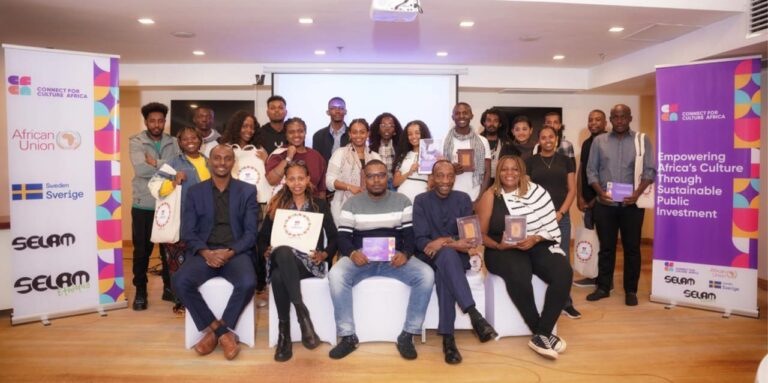
In a significant shift from his eight-and-a-half-year banking career, Abdullahi Bulle has found his calling at Nuria Books, a thriving bookstore located in Nairobi’s Central Business District. Instead of facilitating financial transactions, Bulle now dedicates his time to guiding aspiring authors and book buyers, many of whom are purchasing books online for the first time.
At Nuria Books, Bulle assists customers with their orders, offering advice on preferred delivery options and mobile payment platforms. The store has become a hub for both walk-in clients and authors eager to promote their work. With an increasing number of authors visiting to market their books, social media has become a vital tool for sharing their literary achievements.
Bulle founded Nuria Stores in 2015 as an online bookstore, initially starting with a Facebook page. It has since evolved into a prominent platform known as the “Home of African Books.” Recognizing that many Kenyan authors were overlooked by traditional bookstores, which often favor well-known figures, Bulle seized the opportunity to create a supportive environment for emerging writers.
Today, Nuria Books boasts a roster of 1,800 self-published authors, with nearly 80% hailing from East Africa. Bulle’s mission extends beyond selling books; he aims to empower African authors by providing them with the tools and platform needed to take control of their work. By developing a decentralized system for publishing and marketing, Nuria Store enables writers to bypass traditional publishing routes.
Empress Ciku Kimani Mwaniki, a four-time self-published author, noted the growth of self-publishing since she began her journey in 2014. “When I started, I only knew one other person who had self-published. Now there are so many; you can’t even count them,” she said while promoting her latest book at the store.
A report by the British Council highlights the expanding market for non-traditional publishing methods across several African countries. Self-publishing is becoming increasingly accessible due to widespread internet access and the emergence of publishing consultants who support aspiring authors.
In addition to Nuria Books, other organizations like ZAAZ Press in East Africa and Ngano Hub Consultants in Zimbabwe are helping authors navigate the self-publishing landscape. These entities provide essential services that empower writers to achieve their publishing goals.
Book lovers in Nairobi have noted the positive changes brought about by self-published African authors. Lulu Mandi expressed excitement over discovering more Kenyan-authored books since Nuria opened its doors. “The market was previously dominated by European titles; this is a breath of fresh air,” she said.
Jane Wambui, who is focused on financial literacy for her children, is thrilled about the availability of local literature that shares practical knowledge. “I want my son to learn about money early on,” she stated.
Self-publishing allows authors to receive payments more frequently than traditional publishing models, which typically involve long waits for royalty payments. This new approach has led to a diverse range of books being published, including political works, autobiographies, cultural narratives, and more.
Nuria Stores operates on a pay-as-you-sell model, enabling authors to access their earnings quickly after sales. Bulle proudly claims that they are “the fastest paymaster in Kenya” for suppliers.
The rise of self-publishing has also prompted changes in the printing industry. Many printers are now offering print-on-demand services to accommodate authors who prefer not to commit to large print runs.
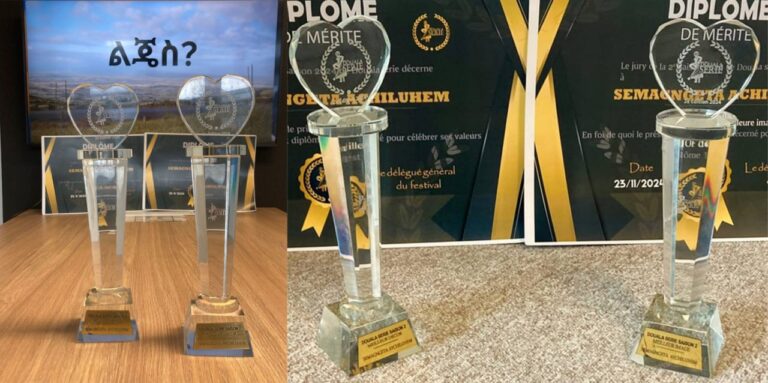
Ethiopian cinema has reached a significant milestone with the success of the TV series “Lijes?” at the 2024 Douala Pan-African TV Series Festival in Cameroon. The series won prestigious awards for Best Picture and Best Set Design, marking a historic moment for the Ethiopian film industry and amplifying its presence on the global stage.
“Lijes?”—which translates to “Where is my son?”—tells the gripping story of Gezahegn, an illiterate father on a desperate quest to find his missing son in the mysterious town of Dibab. The narrative unfolds into a suspenseful exploration of hidden truths and dark secrets, captivating audiences with its rich storytelling and stunning visuals. Critics have praised the series for its masterful direction and production quality, which showcase the depth of Ethiopian storytelling traditions.
The visionary behind “Lijes?” is Semagngeta Aychiluhem, who served as the creator, writer, executive producer, and director. Aychiluhem expressed his excitement about the recognition, stating, “This is a huge moment not just for Lijes?, but for Ethiopian cinema to shine globally.” His collaboration with cinematographer Gad Kiflom further enhanced the series’ visual storytelling, capturing the emotional essence of the narrative.
Yidnekachew Fekede, Production Manager at Guzo Films—the production company behind “Lijes?”—highlighted the importance of this achievement for Ethiopian cinema as a whole. He noted that this recognition underscores the immense talent within the industry and signals the global appeal of Ethiopian stories.
The journey for “Lijes?” is far from over. The full season is set to premiere on Kana TV in early 2025, with plans to dub the series into multiple languages to broaden its international reach. This success not only elevates “Lijes?” but also paves the way for greater recognition of Ethiopian filmmakers and their ability to craft compelling narratives that resonate with audiences worldwide.
In this interview, we sit down with Samuel Mulugeta, the Country Director of Selam Ethiopia, a civil society organization dedicated to supporting the cultural sector in Ethiopia. With over a decade of experience in music and culture, Samuel has been instrumental in nurturing artists and leading significant initiatives like the Cartoonist Residency Program. This program aims to empower young African cartoonists while advocating for increased cultural investment across the continent. Samuel shares insights on the importance of art as a catalyst for social change, the challenges faced by artists in Ethiopia, and the collaborative opportunities that lie ahead for the cultural community. Join us as we explore how Samuel’s work is shaping Ethiopia’s vibrant cultural landscape and fostering a new generation of creative voices.
Capital: What are the main goals and objectives of the Cartoonist Residency program?
Samuel Mulugeta: The Cartoonist Residency Program is a vibrant initiative designed to empower young African cartoonists while advocating for meaningful cultural investment across the continent. At its heart, the program seeks to leverage the unique power of art to inspire societal change, calling on governments to allocate at least 1% of their national budgets to the cultural sector by 2030.
This residency creates a nurturing space for emerging cartoonists to hone their craft, providing training in storytelling, digital media, and advocacy. Through mentorship and skill-building sessions, these artists are equipped to use their visual narratives to highlight pressing cultural issues and champion the importance of robust cultural policies.
One of the program’s defining features is its commitment to fostering collaboration. By bringing together young artists from across Africa, the residency encourages cross-cultural dialogue and the sharing of diverse perspectives. This not only strengthens artistic expression but also builds solidarity among creatives working toward a common goal: systemic change in how culture is valued and supported. Through their work, the cartoonists become advocates, using their art to engage audiences and influence policymakers. The program aims to amplify these voices, driving public discourse on the need for inclusive and sustainable cultural policies that support Africa’s creative industries. Ultimately, the Cartoonist Residency Program is about building a lasting network of artists and advocates dedicated to shaping a brighter future for culture and creativity on the continent.
Capital: What opportunities will there be to collaborate with local artists and cultural organizations?
Samuel: The Cartoonist Residency Program offers several opportunities for collaboration with local artists and cultural organizations. One of the key aspects of this collaboration is the engagement with local artists, as the residency includes five local artists who work alongside the international cartoonists. These local artists play an integral role in the program, contributing their unique perspectives and styles to collaborative artworks, as well as individual pieces. This fosters a dynamic exchange of ideas and techniques between local and international participants, enriching the overall creative experience.
Another significant opportunity for collaboration is the visit to Addis Ababa University, where participating cartoonists engage directly with students from the Ale Felege Selam School of Fine Arts & Design. Through workshops and discussions, the cartoonists share their experiences, creative processes, and insights into the role of visual art in addressing social issues. This interaction allows students to learn from seasoned professionals, while also offering a platform for them to share their fresh perspectives. The exchange helps strengthen the connection between emerging talent and established artists, promoting collaboration across generations.
Additionally, the residency’s public exhibition serves as a platform for showcasing the work of both local and international artists, creating an opportunity for cultural organizations and the public to engage with the residency’s output. This exhibition is also accompanied by an advocacy campaign that raises awareness of the importance of cultural investment, further involving local cultural organizations in discussions about the future of the creative sector.
Capital: How will the residency contribute to the development of a vibrant and inclusive cartooning community in Ethiopia?
Samuel: The Cartoonist Residency Program is playing a pivotal role in developing a vibrant and inclusive cartooning community by fostering Pan-African collaboration. With participants from six African countries, including Ethiopia, the residency encourages artistic exchange, skill-building, and shared creativity. Local Ethiopian artists collaborate with international peers, gaining insights from experienced mentors like Paul Kelemba (Maddo) and Chrisogon Atukwasize, which enhances their technical abilities and deepens their understanding of cartoon journalism as a tool for social change.
The Cartoonist Residency Program is also a significant step toward developing a vibrant and inclusive cartooning community, with a strong focus on Pan-African collaboration. Participants from six African countries, including Ethiopia, are part of this dynamic residency, where 45% of the artists are female, contributing to gender balance and diversity. The group represents a variety of cultures and geographies, enriching the residency with a broad spectrum of perspectives. A collective artwork created by all participants highlights this cross-cultural collaboration. Additionally, the program engages local students through workshops, offering emerging artists valuable exposure to professional cartooning and mentoring.
Capital: What kind of financial support or compensation is provided during the residency?
Samuel: The Cartoonist Residency Program ensures that both international and local participants have their essential needs fully covered. For the international artists, the residency covers all expenses related to accommodation, visa arrangements, meals, and flight tickets, allowing them to focus entirely on their creative work. Similarly, local participants are also provided with full support, including accommodation and meals during the residency period. This comprehensive financial support ensures that all artists, regardless of their geographic location, can fully engage in the residency’s activities without worrying about logistical or financial concerns.
Capital: Are there any specific themes or types of work expected from the selected cartoonist?
Samuel: The Cartoonist Residency Program encourages participants to create work that reflects both personal artistic expression and broader social relevance, particularly on themes related to social, political, and cultural issues affecting Africa. While there are no strict thematic restrictions, the residency emphasizes using cartoons as a tool for advocacy, with a focus on promoting social change, raising awareness, and influencing governance. A key aspect of the program is its commitment to the “1% for culture” campaign, which advocates for allocating at least 1% of national budgets to the cultural sector by 2030. This theme is woven into the artists’ work, as they explore how culture and the arts can play a vital role in shaping public policy and societal development. The collaborative nature of the residency also allows participants to contribute to a collective piece that highlights these issues, strengthening the cross-cultural dialogue and collective action for cultural investment.
Capital: How will the residency address the specific challenges faced by cartoonists in Ethiopia, such as access to materials, technology, and markets?
Samuel: The Cartoonist Residency Program provides valuable support to Ethiopian cartoonists by addressing some of the key challenges they face, such as limited access to materials, technology, and markets. By covering access to essential tools, the residency allows artists to focus on their work without worrying about financial burdens. The program also offers mentoring from experienced international and local cartoonists, which helps participants refine their skills and connect with potential collaborators.
However, while the residency makes significant contributions, there are limitations to how much it can address long-term systemic challenges. Access to cutting-edge technology and sustained market opportunities still requires broader infrastructure and support from other stakeholders, including local government, cultural institutions, and private-sector partners.
For the cartooning community in Ethiopia to grow and thrive sustainably, it will require continued investments in both the infrastructure for creative industries and ongoing initiatives that ensure artists have access to markets and global networks. The residency acts as a stepping stone, but addressing these challenges will require a more collaborative and holistic approach from all sectors involved.
Capital: How do you apply for the Cartoonist Residency program, and what is the selection process like?
Samuel: To apply for the Cartoonist Residency program, artists were required to submit an application that included a portfolio of their previous works, a brief artist statement, and a proposal outlining their goals for the residency. Applicants needed to demonstrate a strong commitment to their craft and an interest in addressing social, cultural, or political issues through their cartooning. The application process aimed to select artists who showed promise, creativity, and a clear vision for their work during the residency period.
The selection process involved a panel of mentors and industry professionals who reviewed the applications based on artistic quality, originality, and relevance to the themes of the residency. With a total of 121 applicants, the mentors dedicated a significant amount of time and effort to carefully screen and shortlist the best candidates. After thorough consideration, they selected 15 participants who would join the residency. The process also aimed to ensure diversity in the participants, with representation from various African countries and a balanced gender inclusion.
Once the participants were selected, they were contacted and provided with further details about the residency, including travel arrangements, accommodations, and expectations for their involvement.
Capital: Is the residency open to international cartoonists or only those from specific regions or countries?
Samuel: The Cartoonist Residency program invited artists from several African countries, with a particular focus on the countries involved in the Connect for Culture Africa (CfCA) project. These included Ethiopia, Uganda, Tanzania, Zambia, and Zimbabwe. The program aimed to bring together a diverse group of cartoonists from these nations to foster cross-cultural exchange, collaboration, and creativity. By focusing on these countries, the residency sought to promote a shared vision of cultural development, providing artists with the opportunity to engage with one another, explore common themes, and create impactful work that reflects both local and pan-African perspectives.
Capital: How will the residency support the creation of sustainable career paths for cartoonists in Ethiopia?
Samuel: The Cartoonist Residency program supports sustainable career paths for Ethiopian cartoonists by offering mentorship, skill development, and exposure to international networks. Participants gain valuable insights into the business of cartooning, refine their craft, and build visibility through public exhibitions and collaborations. The program’s focus on cultural advocacy and partnerships with African artists creates opportunities for long-term growth and career advancement, both locally and internationally.
Capital: What is the role of the government in supporting the cultural sector?
Samuel: This particular Cartoonist Residency program expects the government to actively support and invest in the cultural sector by recognizing the importance of arts in social change and national development. The project calls for the government to allocate at least 1% of the national budget to culture by 2030, ensuring that artists have access to the necessary resources, infrastructure, and opportunities to thrive. Additionally, the program encourages the government to foster policies that protect artists’ rights, promote the creative economy, and establish platforms for artists to engage with global audiences, thereby creating sustainable career paths for cartoonists and other creative professionals in Ethiopia.
Capital: How are these industries contributing to the country’s economy and social development?
Samuel: The cultural and creative industries play a vital role in Ethiopia’s economic and social development by creating jobs, promoting peace, democracy, and human rights. These industries contribute to the country’s GDP by generating income, fostering innovation, and attracting investments. They also have the potential to shape the mindset of citizens, building on the intellectual capital of the nation and fostering a more informed and open society. Culture serves as a powerful tool for education, raising awareness on social issues, and encouraging civic engagement. Through cultural expression, the creative industries foster unity, dialogue, and a sense of identity, supporting the overall progress and well-being of the country.
Capital: What are the challenges and opportunities facing the cultural industries in Ethiopia?
Samuel: The cultural industries in Ethiopia face several challenges, including limited access to funding, inadequate infrastructure, and a lack of proper systems to support the growth of the sector. Artists often struggle with limited access to advanced technologies, materials, and markets to reach wider audiences. There are also gaps in intellectual property protection and copyright enforcement, which hinder the sustainable development of creative industries. Additionally, the lack of robust platforms and institutions to nurture and promote cultural work further restricts the sector’s growth.
However, there are significant opportunities. The growing interest in Ethiopia’s rich cultural heritage, especially in music, film, and visual arts, provides a unique chance to promote the country’s creative industries both locally and internationally. Initiatives like the Cartoonist Residency program help bridge gaps by fostering collaboration, skill development, and exposure for artists. There is also increasing awareness of the importance of cultural industries for economic development, and efforts to strengthen the legal and policy frameworks around cultural rights and intellectual property. With greater investment, collaboration, and government support, Ethiopia’s cultural industries have the potential to significantly contribute to the economy and social development.