Tuesday, November 24, 2026
Home Blog Page 791

FOCAC 2025: China and Africa deepen ties with new tariff-free trade, investment, and solidarity initiatives

0

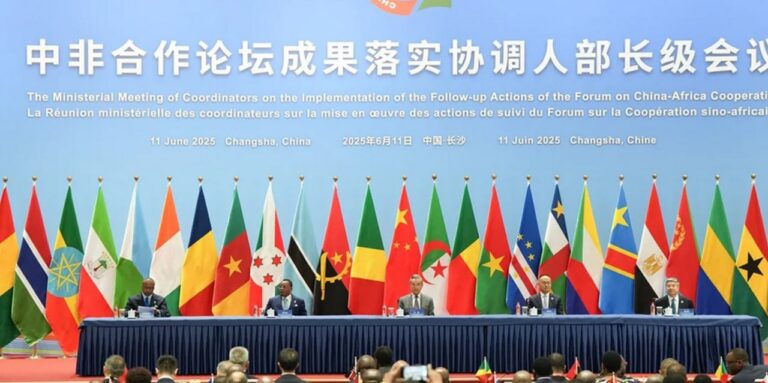
In a historic gathering that signals a new era of partnership, senior representatives from China, 53 African countries, and the African Union Commission convened in Changsha this week to advance the full implementation of outcomes from the Beijing Summit of the Forum on China-Africa Cooperation (FOCAC). The Ministerial Meeting of Coordinators on the Implementation of the Follow-up Actions of FOCAC, held from June 10–12, 2025, not only reviewed progress but also unveiled bold new measures destined to transform the economic and diplomatic landscape between China and Africa.

A Quarter Century of Cooperation

FOCAC, now marking its 25th anniversary, has grown into the cornerstone of China-Africa relations. Over the past two and a half decades, the partnership has evolved from modest beginnings into a comprehensive framework encompassing trade, investment, infrastructure, education, health, and cultural exchange. Chinese Foreign Minister Wang Yi, reading a congratulatory letter from President Xi Jinping, emphasized the significance of China-Africa solidarity and the need to “jointly promote modernization and build an all-weather China-Africa community with a shared future for the new era”.

Wang Yi’s remarks were echoed by Jean-Claude Gakosso, Foreign Minister of the Republic of the Congo and African co-chair of FOCAC, who expressed gratitude for China’s steadfast support and welcomed the ten new partnership actions for modernization announced at the 2024 Beijing Summit. Gakosso reaffirmed Africa’s commitment to implementing these outcomes to help African people realize their aspirations for a better life.

Tariff-Free Trade: A Game Changer

The headline announcement from Changsha was China’s decision to remove customs duties on goods from all 53 African countries with diplomatic ties. This sweeping move, effective since December 2024 for least developed countries (LDCs), is designed to boost African exports, stimulate industrialization, and reinforce Africa’s position in the global marketplace.

In 2024, China-Africa trade volume reached a record $295.6 billion, with bilateral trade in the first quarter of 2025 totaling $72.6 billion—a 2.7% year-on-year increase. The new zero-tariff policy is expected to accelerate this growth, providing African producers unprecedented access to the world’s second-largest economy. China has also signed 22 protocols on agricultural exports with 18 African nations, and over 2,400 food enterprises from Africa are now registered to export to China.

To further facilitate trade, China has provided RMB 17.12 billion in trade financing to support African exports and established special zones for African products at major trade expos. Cross-border e-commerce is also expanding, with online training and digital trade events connecting African entrepreneurs to Chinese consumers.

Investment and Industrialization

China’s commitment to Africa goes beyond trade. At the 2024 Beijing Summit, President Xi Jinping announced ten priority areas for cooperation between 2025 and 2027, including mutual learning, trade development, industrial partnerships, infrastructure expansion, healthcare, agriculture, security, green growth, and people-to-people exchanges. To support these initiatives, China pledged $50 billion—$29 billion in loans, $11 billion in aid, and $10 billion in public and private investment.

Since the summit, Chinese enterprises have invested RMB 13.38 billion in Africa, focusing on local value chains, manufacturing, and deep mineral processing. Agreements on avoidance of double taxation have been signed with 21 African nations, and negotiations are underway to revitalize key infrastructure such as the Tanzania-Zambia Railway.

Small and medium-sized enterprises (SMEs) are a particular focus. China has provided RMB 2.08 billion in loans to about 350 African SMEs, creating approximately 4,500 jobs. Eighteen pairing events and 26 training courses for industrial talents have been held, fostering innovation and entrepreneurship across the continent.

Infrastructure and Connectivity

Infrastructure remains a pillar of China-Africa cooperation. Since the Beijing Summit, China has provided or committed RMB 72.28 billion in development financing for African infrastructure projects. Belt and Road cooperation plans have been signed with South Sudan, Equatorial Guinea, and Kenya, and China continues to support Africa’s integration into global supply chains.

The Fourth China-Africa Economic and Trade Expo, held alongside the Changsha meeting, showcased the latest achievements in connectivity, logistics, and digital infrastructure. The establishment of a Fund for In-Depth China-Africa Trade and Economic Cooperation and a China-Africa Trial Center for economic arbitration further institutionalize the partnership.

Mutual Learning and Cultural Exchange

Beyond economics, FOCAC places a strong emphasis on mutual learning and cultural exchange. In the past year, members of various African political parties visited China for governance experience sharing, and think tanks from both sides have strengthened cooperation through symposiums and research networks. The China-Africa-UNESCO dialogue on education and cultural heritage protection, as well as university exchange conferences, have deepened people-to-people ties.

Legal and judicial exchanges are also expanding, with China hosting forums and training for African legal professionals and signing conventions to establish international mediation organizations. These efforts aim to build a shared framework of governance and rule of law.

Solidarity in a Shifting Global Order

The Changsha Declaration, issued at the close of the meeting, underscores the importance of solidarity and cooperation among the Global South. Both China and Africa reaffirmed their commitment to defending international free trade, supporting global development cooperation, and promoting civilizational diversity. They also jointly opposed unilateral sanctions and tariff wars that disproportionately impact developing countries—a clear reference to recent U.S. trade policies.

Wang Yi stated, “Faced with an international situation marked by changes and turmoil, China and Africa should uphold solidarity and self-reliance more than ever.” He called on both sides to respond to global uncertainties with a stable and resilient partnership, emphasizing that “as long as the more than 2.8 billion people of China and Africa work together, they will surely achieve brilliant progress in the path to modernization”.

Tanzania’s Role and Broader African Engagement

Tanzania’s Foreign Minister, Ambassador Mahmoud Thabit Kombo, led his country’s delegation at the Changsha meeting, highlighting Tanzania’s active engagement in multilateral platforms and its status as a key beneficiary of FOCAC projects in health, infrastructure, education, technology, livestock, and tourism. Tanzania’s experience exemplifies the broader impact of China-Africa cooperation across the continent.

Ethiopia’s High-Level Participation

A distinguished Ethiopian delegation, led by Minister of Foreign Affairs Gedion Timotheos (PhD), joined representatives from 53 African countries, the African Union Commission, and Chinese officials to review progress and chart the next phase of China–Africa cooperation. In his address, Minister Gedion underscored the tangible dividends of the FOCAC mechanism, highlighting its importance as a platform for South–South cooperation and Ethiopia’s steadfast commitment to its partnership with China.

“FOCAC is an important platform of cooperation for the global south, and Ethiopia attaches great importance to its longstanding partnership with China,” Gedion told the assembly, as reported by the Ethiopian Embassy in Beijing. His remarks set the tone for a meeting that would reaffirm the value of multilateralism, development assistance, and trade facilitation—principles at the core of FOCAC’s mission.

The Changsha Declaration: A Roadmap for the Global South

The meeting concluded with the adoption of the China–Africa Changsha Declaration on Upholding Solidarity and Cooperation of the Global South. This declaration reaffirmed the commitments made during the landmark 2024 Beijing FOCAC Summit and praised FOCAC as a “model of Global South cooperation.” It called for stronger multilateralism, enhanced development assistance to Africa, and greater trade facilitation—including China’s headline pledge to expand zero-tariff treatment to all 53 African countries with diplomatic ties.

The declaration also emphasized cooperation in key areas such as green development, the digital economy, science and technology, and the rule of law, aligning closely with Africa’s own Agenda 2063 and the continent’s aspirations for industrialization and modernization.

Ethiopia–China: An All-Weather Strategic Partnership

On the sidelines of the ministerial meeting, FM Gedion met with Chinese Foreign Minister Wang Yi. Gedion conveyed Prime Minister Abiy Ahmed’s greetings to President Xi Jinping and noted the strengthened momentum in the Ethiopia–China All-Weather Strategic Partnership. He welcomed the inauguration of the China–Africa–UNIDO Tripartite Center of Excellence in Addis Ababa, calling it a step forward in Africa’s industrial modernization.

Both foreign ministers agreed to accelerate FOCAC implementation and enhance coordination in multilateral platforms to amplify Africa’s voice and protect shared interests. Wang Yi reaffirmed Ethiopia’s role as a trusted partner in the Global South and BRICS, while also highlighting the tangible progress made in implementing FOCAC outcomes.

A Shared Vision for Modernization

The outcomes of the Changsha meeting represent a major step forward in realizing the vision set out at the 2024 Beijing Summit. The 35 outcomes across ten categories—ranging from mutual learning and trade prosperity to industrial chain cooperation and connectivity—demonstrate the breadth and depth of China-Africa collaboration.

As the world navigates an era of geopolitical uncertainty, the China-Africa partnership stands as a model of South-South cooperation rooted in mutual respect, shared interests, and a commitment to inclusive development. With new tariff-free trade, expanded investment, and deepening people-to-people ties, FOCAC 2025 marks the dawn of a new chapter in the all-weather friendship between China and Africa.

Embraer eyes Ethiopia as key player in Africa’s aviation growth

0

As Africa’s aviation sector undergoes rapid transformation, Ethiopia is emerging as a strategic hub for innovation and connectivity. Embraer, the world’s leading provider of regional jets, sees immense potential in the Ethiopian market and is eager to deepen its engagement with the country’s aviation ecosystem.

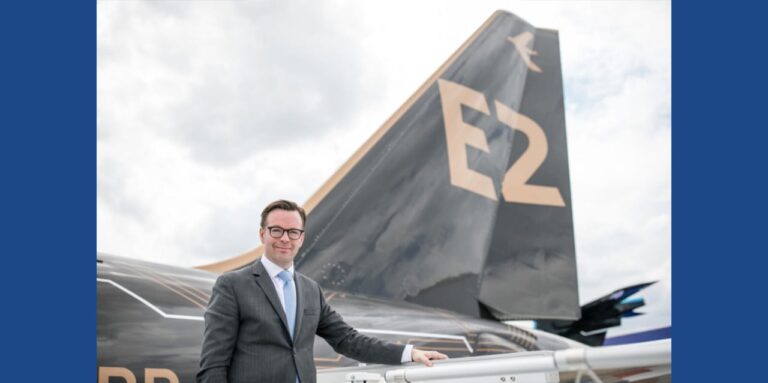
In an exclusive interview with Capital at the sidelines of the 81st IATA Annual General Meeting that took place in New Delhi, India From 1-3 June, the President and CEO of Embraer Commercial Aviation highlighted Ethiopia’s pivotal role in shaping the future of African air travel. “Connectivity will be key. We are the number one provider of aircraft below 150 seats in Africa, and we see huge opportunities with Ethiopia,” he said. “That’s why I’ve been out there a few times to meet with the airline and the broader aviation sector. We’re excited about what we can do there.”

Embraer’s aircraft, known for their versatility and efficiency, are already a mainstay across African skies. Their right-sized jets, such as the E-Jet and ERJ families, are particularly well-suited for the continent’s diverse network of thinner routes, offering airlines the flexibility to optimize their operations. “There are a lot of routes in Africa that are thinner and could really work with a smaller aircraft. Our E-Jets and 50-seater ERJ145s are still flying with several operators in Africa, and they really benefit from the advantages of that right-sized aircraft for markets that require such a size on a day-to-day basis,” the CEO explained.

Ethiopian Airlines, widely regarded as Africa’s leading carrier, has been a focal point for Embraer’s African ambitions. “We’ve been working with Ethiopian Airlines for over a decade. Even though we don’t have aircraft there yet, we work closely to understand their needs for the future and see how we can best support and tailor our solutions,” the CEO noted. He emphasized that the company’s approach is to offer aircraft only where they bring clear benefits, rather than pushing products that don’t fit an airline’s strategy.

Financing remains a challenge for many African airlines, but the CEO expressed confidence in Ethiopia’s strong position. “Ethiopian Airlines is a very strong airline, so I see much less of a challenge there. We have different ways to finance aircraft—direct purchase, export agency financing, or through our leasing partners who are happy to do business in Africa,” he said. “It might be a little more difficult in some areas than in other parts of the world, but that’s natural. The opportunities in Africa far outweigh the challenges.”

Looking ahead, Embraer is keen to expand its partnerships and supply chain in Ethiopia and across the continent. “We see opportunities around the world to work with partners, including in Ethiopia. We’ve been looking at where local suppliers could help us in the supply chain. It’s too early to pinpoint exactly where those will be, but Embraer has a clear growth path and we’re happy to talk about those opportunities,” he said.

The CEO also underscored the importance of South-South cooperation, particularly between Brazil and Ethiopia. “There’s a very good connection between South-South countries, in this case, Ethiopia and Brazil. Both nations have a great aviation pedigree, so it’s almost natural that there would be a powerful connection. We’re part of trying to develop that further—not just through aircraft, but by bringing infrastructures closer together.”

Embraer’s vision for Africa includes not just selling aircraft, but building long-term relationships and creating jobs. “When you buy an aircraft from us, you’re entering into a partnership that lasts 20-plus years. That means working together on maintenance, services, training, and even developing local suppliers. We believe with the product we have and the growth potential ahead, there’s much more at stake than just buying an aircraft—it’s about building a long-term relationship with airlines and countries.”

As Ethiopia continues to invest in its transportation network and expand its reach as a regional hub, Embraer stands ready to support the country’s ambitions. “We have huge respect for Ethiopian Airlines and what Ethiopia is doing. Our aircraft can really complement their larger narrowbody fleet and ultimately replace the turboprop fleet. We’re excited about the opportunities there—not just from a business perspective, but for passengers as well. Our aircraft are the quietest and most spacious in their class, and we look forward to seeing more Ethiopians flying on Embraer jets,” the CEO concluded.

EDR secures path forward amid dispute with DPFZA

0

Following last week’s tense situation, the Ethio-Djibouti Railway (EDR) and the Djibouti Ports and Free Zones Authority (DPFZA) have resolved their dispute regarding EDR’s request for a forwarding license.

The railway company aimed to secure at least 60% of the freight transport stake in the corridor, which led to objections from Djiboutian transit operators.

In a letter dated June 3, the DPFZA emphasized that EDR must operate as a common carrier, ensuring non-discriminatory access to its services for all clients and their representatives. The authority contended that EDR’s service procurement process violated international standards.

DPFZA Chairman Aboubaker Omar Hadi stated that, in accordance with International Union of Railways (IUC) norms, EDR should concentrate on its core railway operations and leave logistics services to other providers.

The letter also referenced the World Trade Organization’s (WTO) General Agreement on Trade in Services (GATS) and the Trade Facilitation Agreement, which require transparent and non-discriminatory practices in trade and customs procedures.

Additionally, it cited the World Customs Organization’s Revised Kyoto Convention, which allows for third-party involvement in customs processes.

Earlier this year, in March, EDR was granted a license to operate as one of six new multimodal transport operators in Ethiopia, alongside Ethiopian Shipping & Logistics (ESL).

Since then, under CEO Takel Uma’s leadership, the railway company has ventured into new commercial activities, including the establishment of a subsidiary called Global Logistics.

This new entity manages customs clearance, freight forwarding, and transit services, which were previously handled by other firms.

However, EDR encountered difficulties in obtaining a transit license in Djibouti, prompting the company to invite bids from Djiboutian transit firms interested in collaboration.

While 18 freight forwarders participated, EDR ultimately selected three to provide services at competitive rates.

Many Djiboutian operators, including the Djibouti Transitaires Association (representing 90 members), argued that EDR’s approach favored specific companies, leading to unfair competition. Their concerns were echoed in DPFZA’s letter.

In response, EDR refuted DPFZA’s claims in a letter dated June 4 and signed by CEO Takel, asserting that its operations comply with international treaties and IUC regulations.

The company clarified that it had not yet received a Djiboutian forwarding license and was therefore not actively engaged in freight forwarding or customs clearance.

EDR defended its selection process for transit service providers, emphasizing its commitment to fairness, transparency, and non-discrimination.

This week, EDR’s leadership visited Djibouti to meet with DPFZA Chairman Hadi. Sources informed Capital that during these discussions, both parties addressed the procurement of transit services and other operational issues.

EDR asserted its legal right to operate in Djibouti, referencing the bilateral agreement between Ethiopia and Djibouti, which includes provisions for mutual recognition of business licenses.

Despite delays from Djibouti authorities in granting transit permissions, EDR executives maintained their right to operate in the country, according to sources.

An insider told Capital that EDR “emphasized its legal standing to operate as a freight forwarding service provider in both Ethiopia and Djibouti,” noting that “the agreement between the two states establishes a coordinated legal and regulatory framework for cross-border operations.”

EDR argued that under the principle of legal reciprocity outlined in the agreement, any business license issued in one member state should be recognized immediately in the other, given that the corporation is jointly owned by Ethiopia and Djibouti.

The management of EDR has made it clear that it aims to ensure similar operational conditions between the two nations based on competitive principles.

The Djibouti authorities were encouraged to resolve the situation and issue the necessary permits for EDR to operate as a freight forwarding service provider in Djibouti.

“Following the meeting, DPFZA agreed to ease tensions and grant EDR the necessary permits to function as a freight forwarding service provider in Djibouti, marking a significant step toward resolving the dispute,” sources told Capital.

Both countries jointly control EDR. Additionally, one-third of the employees at Global Logistics, the newly established commercial branch, are Djiboutian experts in freight forwarding and customs clearance.

Africa’s Youth lead the charge against food insecurity with innovative agricultural solutions

0

Beijing, China

As Africa faces mounting food security challenges amid rapid population growth, a new generation of young innovators is stepping up to transform the continent’s agricultural landscape. With the population projected to soar to 4.3 billion by 2100 and more than 60% of Africans currently under the age of 25, the need for sustainable, efficient food systems has never been more urgent.

Despite their critical role in Africa’s future, young people often encounter significant barriers in agriculture, including limited access to capital, advisory services, and lucrative markets. The perception of agriculture as an outdated and unprofitable sector has also contributed to a widening skills gap. However, organizations like Heifer International are working to change this narrative by supporting youth-led innovations that are redefining African agriculture.

A beacon of hope is shining from Kampala, where the AYuTe (Agriculture, Youth, and Technology) NextGen 2025 conference, hosted by Heifer International, will take place from June 17 to 19, 2025. The event, designed by youth for youth, aims to bridge the gap between technology and agriculture, spotlighting Africa’s most promising agritech entrepreneurs.

Under the inspiring theme “AgTech Generation Rising,” the conference will bring together young innovators, investors, policymakers, and development partners. It serves as a clarion call to recognize and support the groundbreaking solutions Africa’s youth are developing to revolutionize food systems across the continent.

Now in its fourth year, the AYuTe initiative has already made a significant impact, supporting numerous startups and reaching over 650,000 direct users and 1.2 million indirect users throughout Africa. After rigorous technical reviews in Lagos and Nairobi, 11 outstanding finalists have been selected for this year’s event. Their innovations range from advanced drone technology for precision agriculture to AI-powered analytics that optimize crop yields—demonstrating the ingenuity and forward-thinking spirit of Africa’s next generation.

These young visionaries will present their solutions directly to a diverse audience of investors, policymakers, and key ecosystem partners. This engagement offers not only essential funding but also invaluable mentorship and unparalleled opportunities to establish themselves within the innovation ecosystem cultivated by Heifer and its strategic partners.

Dayo Aduroja, Africa Youth and Innovation Lead at Heifer International, emphasized the transformative potential of youth-led innovation: “Young people are proving that African agriculture can be innovative and profitable. This year’s competition unveiled bold and creative solutions from across the continent. The summit is a vital platform where ideas can converge and find the capital and support necessary to expand their impact.”

Importantly, youth are not just participants at the conference—they are at the heart of every aspect, serving as speakers, designers, leaders, and creators. Investor discussions, also led by young people, will address critical topics such as digital transformation, climate resilience, policy reform, and inclusive finance. These candid and dynamic conversations are designed to stimulate investment and accelerate the adoption of much-needed innovations across Africa.

Since its founding in 1944, Heifer International has been at the forefront of environmental protection and the fight to end hunger and poverty, impacting more than 52 million people worldwide. Today, Heifer operates in 19 countries across Africa, Asia, and the Americas, empowering farmers and food producers to earn sustainable incomes, strengthen local economies, and build secure livelihoods.

As Africa’s youth continue to break new ground in agritech, the continent stands poised to make a major difference in the global fight against food insecurity. With the right support and investment, these young innovators are set to drive the transformation of African agriculture—creating a future where food systems are resilient, sustainable, and inclusive for all.