
Tuesday, November 24, 2026
Home Blog Page 836

Ethiopia leads world in scientific paper retractions, raising concerns over research integrity

0

A recent global analysis has revealed that Ethiopian researchers have the highest rate of scientific paper retractions worldwide between 2022 and 2024, sparking serious questions about the quality and integrity of research conducted in the country.

The study, conducted by India-based data scientist Achal Agrawal and published on the online repository Zenodo, examined retraction rates across countries over a three-year period. Ethiopia topped the list, followed by Saudi Arabia, Pakistan, China, and Egypt. Retractions occur when published scientific papers are withdrawn due to errors, misconduct, or ethical violations.

Agrawal suggested that one reason for Ethiopia’s high retraction rate is the lack of a robust scientific community actively policing research quality and ethics. In contrast, countries like France, known for strong research integrity frameworks, often detect and retract flawed studies more effectively. However, the Ethiopian case is complicated by a rapid increase in scientific publications in recent years without corresponding growth in research infrastructure, which often leads to a surge in pseudo-studies and subsequent retractions.

The analysis emphasized that most retractions in Ethiopia were not due to honest errors but linked to various forms of misconduct, including plagiarism and data manipulation. The study also noted that countries with sharp rises in publication output tend to see higher retraction rates, suggesting that quantity-driven research incentives may compromise quality.

Ethiopian experts and advocates for ethical research have called for urgent reforms to the country’s scientific incentive systems. They argue that shifting the focus from quantity to quality is essential to curb false research and restore credibility to Ethiopian science.

While some critics warn that the high retraction rate may partly reflect intensified scrutiny or temporary surges related to mass retractions from certain journals, the overall trend points to systemic challenges. For example, a significant portion of Ethiopian retractions in 2023 involved papers published in Hindawi journals, which faced widespread peer-review manipulation.

The implications are profound. Scientific research is critical for Ethiopia’s development goals, informing policy, innovation, and public health. Persistent integrity issues undermine trust in Ethiopian science domestically and internationally, potentially limiting collaboration and funding opportunities.

“It takes about 18 months on average to retract a problematic article, so many questionable studies identified in 2024 may still be retracted in coming years,” Agrawal noted. “This ongoing threat could impact Ethiopia’s scientific reputation and export potential.”

Calls for action include strengthening institutional oversight, enhancing researcher training in ethics, establishing independent bodies to monitor research integrity, and reforming academic reward systems. Only through such comprehensive measures can Ethiopia ensure that its scientific contributions are both credible and impactful.
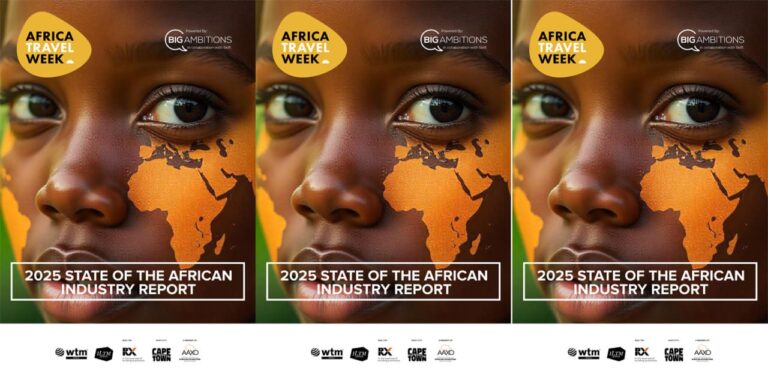

Africa missing out on high-value tourism markets worth over $60 Billion

0

Africa’s tourism industry is at a crossroads, with experts warning that the continent is missing out on high-value tourism markets estimated at more than US$60 billion annually, particularly in emerging and inclusive travel segments135. While Africa has long been celebrated for its iconic safaris and natural wonders, the global tourism landscape is rapidly evolving-and the continent risks being left behind if it continues to focus narrowly on traditional offerings.

Recent research from the African Travel & Tourism Association (ATTA®) highlights six emerging tourism niches-such as dark-sky tourism, nature therapy, roots tourism, rural escapes, multi-sensory safaris, and women-only expeditions-that are poised to transform Africa’s tourism sector3. These niches align closely with global post-pandemic travel trends, which prioritize authenticity, wellness, and meaningful connections over mass-market experiences.

A particularly striking opportunity is accessible and inclusive tourism. At the 2025 Africa Travel Week, industry leaders emphasized that travelers with disabilities and neurodivergent visitors represent a global market worth over US$60 billion-a segment Africa has barely begun to serve15. These travelers tend to spend more, travel with companions, and stay longer, making them a lucrative demographic. Yet, most African destinations lack the infrastructure, training, and marketing needed to attract and accommodate these high-spending visitors15.

Despite the sector’s rapid growth-Africa’s travel and tourism industry contributed over US$186 billion to the region’s economy in 2019 and is projected to grow by 6.5% annually-experts say that poor air connectivity, restrictive visa regimes, and a narrow focus on mega-events and luxury safaris are holding Africa back from reaching its full potential61. Strategic investments in accessibility, niche tourism products, and inclusive marketing could unlock billions in additional revenue and millions of jobs615.

Financing shortages continue to stifle small and medium-sized industries

0

Despite government efforts to boost industrial growth, Ethiopian small and medium-sized enterprises (SMEs) continue to face significant financing constraints, according to the latest figures and statements from the Ethiopian Enterprise Development (EED).

At a press briefing last week, EED Deputy Director General Abdulfatah Yusuf reported that, of the 3,600 new productive enterprises targeted for establishment in the first nine months of the 2024/25 fiscal year, only 2,752 were achieved-a performance rate of 76%. The shortfall, he explained, is largely due to persistent challenges in accessing finance and suitable workspaces.

“Access to financing has become a major problem for small and medium-sized industries,” Abdulfatah said. “Banks have limited access to the loan guarantees they need. Because [enterprises] didn’t have enough money to pay for it, they couldn’t afford it. As a result, they were unable to work because of lack of funding.”

SMEs in Ethiopia typically struggle to meet the high collateral requirements imposed by banks, with some lenders demanding collateral valued at up to twice the loan amount. As a result, less than 1% of Ethiopian SMEs have bank loans, and most rely on personal savings or informal sources for capital5. This “missing middle” phenomenon leaves small businesses more credit-constrained than both micro and large enterprises, a challenge that has persisted despite banking sector reforms and targeted government support7.

Beyond financing, workspace shortages and limited capacity to secure bank loan guarantees further hinder SME growth. “Many enterprises are interested in working but unable to enter the business due to lack of funds,” Abdulfatah noted, also citing coordination gaps between institutions responsible for financing, land allocation, and training.

Nevertheless, EED has reported some progress. Over 6 billion birr in operational loans were disbursed to 1,209 manufacturing enterprises during the period, and machinery worth over 4.3 billion birr was distributed to 889 enterprises through lease financing services. These measures helped create 151,726 new jobs and enabled 1,451 enterprises to produce 902,191 tons of import-substituting products, saving an estimated $1.6 billion in foreign exchange.

Despite these achievements, experts and industry leaders argue that more needs to be done. The total funding gap for Ethiopian SMEs was estimated at $6.1 billion in 2021, with high borrowing costs and limited financial literacy compounding the problem. The lack of tailored financial products, weak coordination among support institutions, and a risk-averse banking sector continue to deter investment in this vital segment of the economy.

Abdulfatah stressed that while the government is working “step by step” to address these issues, a comprehensive approach is needed. “We are not going to be able to do what we can do in a short period of time,” he said, calling for improved collaboration among stakeholders and innovative financing solutions to unlock the full potential of Ethiopia’s SMEs.

IGC study: Social networks influence job opportunities more than skills

0

In Ethiopia’s competitive job market, recent research by the International Growth Center (IGC) suggests that being well-liked in your community may be more important than qualifications. A study mapping social networks in local kebeles revealed that job opportunities often favor popular individuals over the most skilled candidates, a trend that could be detrimental to productivity.

Tewodros Mekonnen, a senior economist at IGC, explained to Capital that one of their key findings highlighted how social connections dominate hiring practices. “We mapped kebele residents in Addis Ababa who knew each other and created job opportunities,” he noted. “Most recommended candidates were well-liked in their community, not necessarily the most qualified.”

The researcher, who was a PhD candidate at the University of Oxford at the time, found that Ethiopian workers tend to rely more on social networks than on hiring professionals with the necessary skills.

 Consequently, individuals who are popular in their community have a higher chance of securing a job than those who are genuinely qualified. This social network-based recruitment practice often excludes skilled workers, ultimately lowering productivity.

Tewodros mentioned that IGC has conducted around 30 studies related to the labor market.

He pointed out that the establishment of industry parks marked a significant turning point in the nation’s development when IGC began its operations in Ethiopia nearly 13 years ago.

“Labour turnover was one of the main issues at industry parks at the time,” he added, noting that the benefits offered by jobs in these parks were often unsatisfactory for workers.

A study on this issue found that 70% of workers left their jobs within three months, leading to efficiency problems. “One of our studies proposed a retention bonus incentive for employees who stayed longer, which really helped manufacturers and addressed the issue,” he said.

Another intriguing finding from IGC’s research concerns skills mismatch. The main conclusion of this experimental study was that many job seekers are unaware of their greatest strengths.

For instance, someone may believe that language skills are their strongest asset, while in reality, collaboration may be their true strength. Additionally, job seekers often lack knowledge about what employers are looking for during the hiring process.

The report indicated that most job seekers think companies prioritize technical proficiency and intelligence. However, employers tend to favor behavioral traits such as honesty, teamwork, and communication skills.

Tewodros noted that, according to an IGC-backed report, while technological skills and education are highly sought after in the market, the system predominantly produces accountants.

“The key to addressing these two issues lies in closing the information gap. Therefore, a labor market information system has been established to facilitate interaction between employers and job seekers,” he explained, adding that a skill assessment mechanism should also be developed to meet employer demands.

Internships and apprenticeships are crucial components of education. While 40% of candidates possess experience, a staggering 80% of job vacancies require experienced workers.

To bridge the gap between the supply of and demand for experienced labor, internships and apprenticeships have been proposed as viable solutions.

In an interview with Capital, Tewodros remarked, “We have provided studies that will contribute to policy-making.”

The International Growth Centre (IGC) is an international research initiative that delivers evidence-based policy recommendations to developing countries to foster sustainable economic growth. Founded in 2008 through a collaboration between the University of Oxford and the London School of Economics, the IGC has formed a significant partnership with Ethiopia.

To address key economic challenges—such as industrialization, export competitiveness, agricultural productivity, rural transformation, urban infrastructure, housing affordability, fiscal policy, and domestic revenue mobilization—the center collaborates with Ethiopian institutions, researchers, and policymakers.

Recently, the IGC has focused on macroeconomic policy research, providing essential insights for the government’s macroeconomic reform efforts.