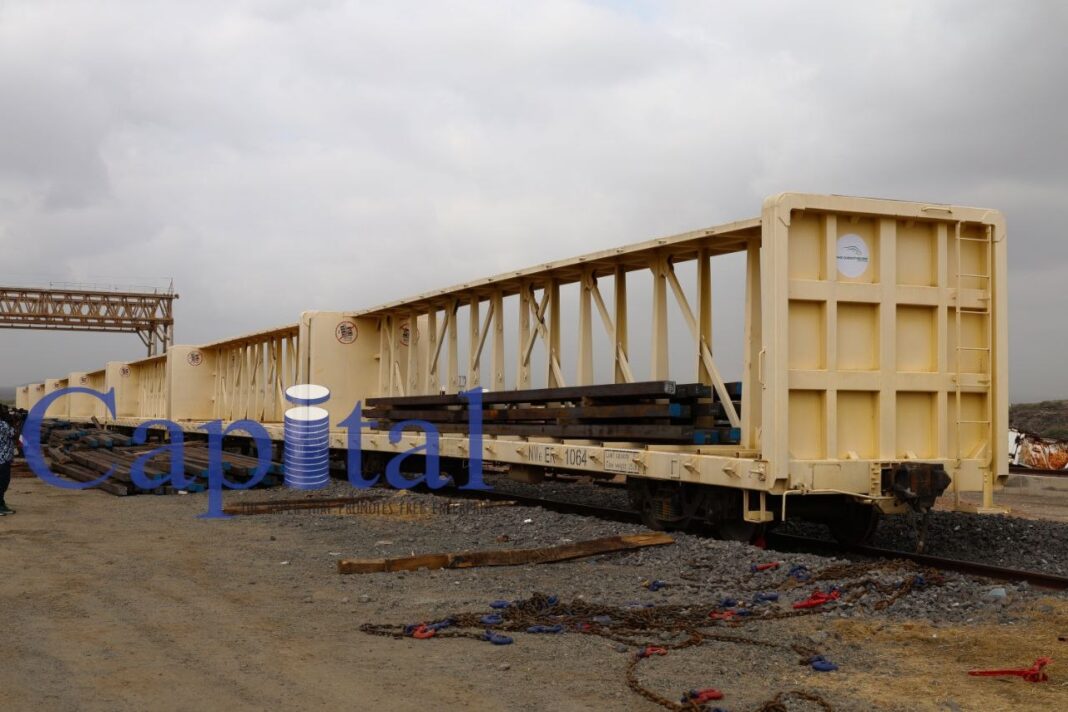
The Ethio-Djibouti Railway (EDR), a bilateral venture owned by Ethiopia and Djibouti, has introduced special open-top gondola wagons into its cargo operations to help address capacity gaps exacerbated by Ethiopia’s ongoing fuel shortage.
In a letter addressed to the Customs Commission and dated April 8, EDR Chief Executive Officer (CEO) Takele Uma disclosed that the railway is now utilising so-called gondola wagons—designated as types CW3 and CW4—to strengthen freight movement.
On the letter the CEO recalled unlike conventional rolling stock, these wagons are open at the top and cannot be sealed for transport.
Due to this design limitation, the letter requests the commission’s authorisation to move certain cargoes using green seals, as well as goods of exclusive public interest, on these specialised wagons. “The commission was requested to transport cargos with green seal and an exclusively public interest goods on this unique wagons,” the correspondence states.
The letter further notes a sharp rise in demand for containerised freight. “Based on that we have understood that transporting 40‑foot containers on the top of the gondola cargos is the best solution,” the CEO wrote.
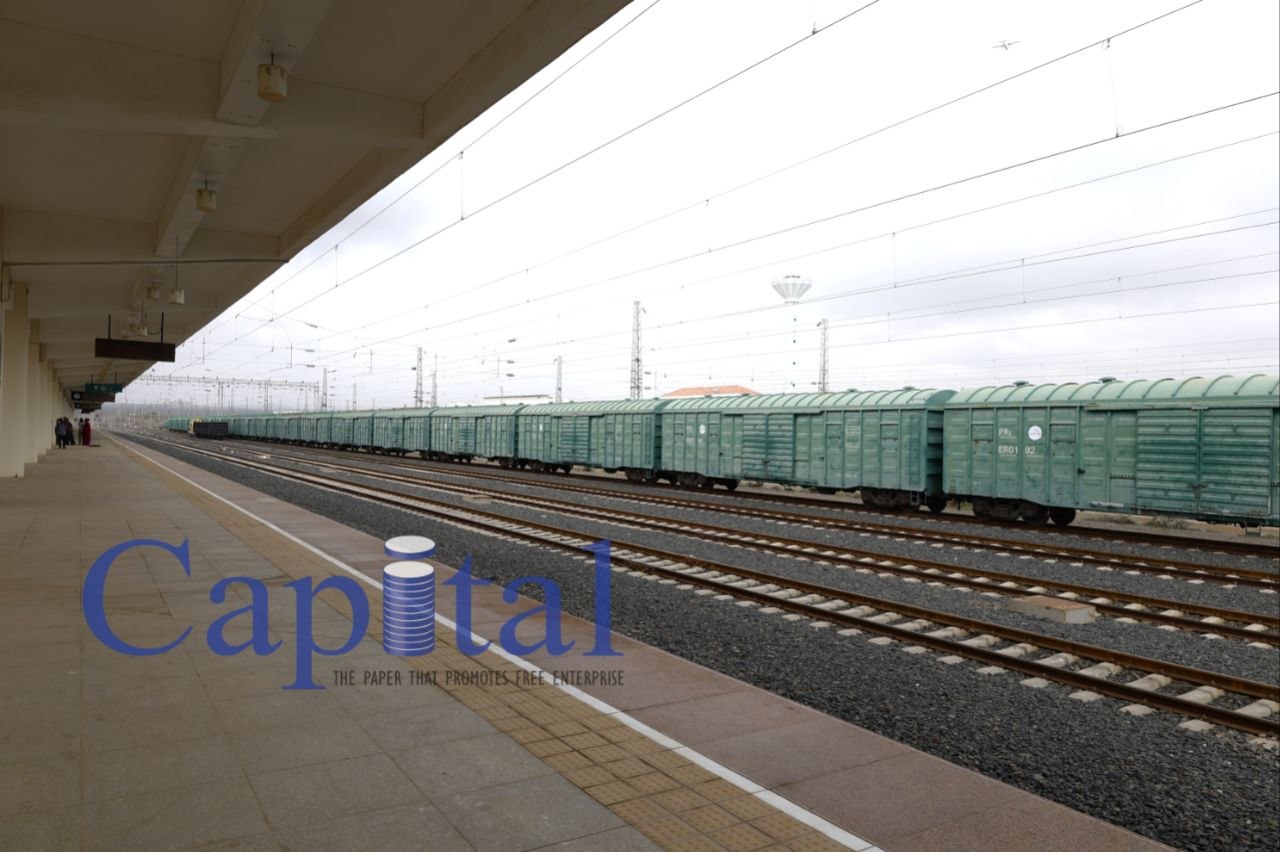
To streamline logistics, EDR has asked the Customs Commission to grant advance pass for such consignments—particularly government shipments—allowing them to bypass Dewale Station.
Under the proposed arrangement, inspections would be carried out at the final destination instead. The letter also includes a list of the side numbers for 24 gondola wagons dedicated to the new railway shipment service.
On the information obtained by Capital from EDR’s office in Djibouti indicates that overall cargo volumes heading to Ethiopia are rising significantly.
Brikti Solomon, EDR’s Operations Head in Djibouti, told Capital that the company has brought idle wagons, including gondolas, back into service to expand its handling capacity. “We are including all kinds of cargo—bagged goods, heavy machinery, and containerised cargo,” she said.