Leaders and critics in the sector have warned that the global philanthropic system is facing a severe legitimacy crisis. They noted that the current global aid architecture places restrictions on Africa’s economic sovereignty and serves as a moral cover for worsening wealth inequality.
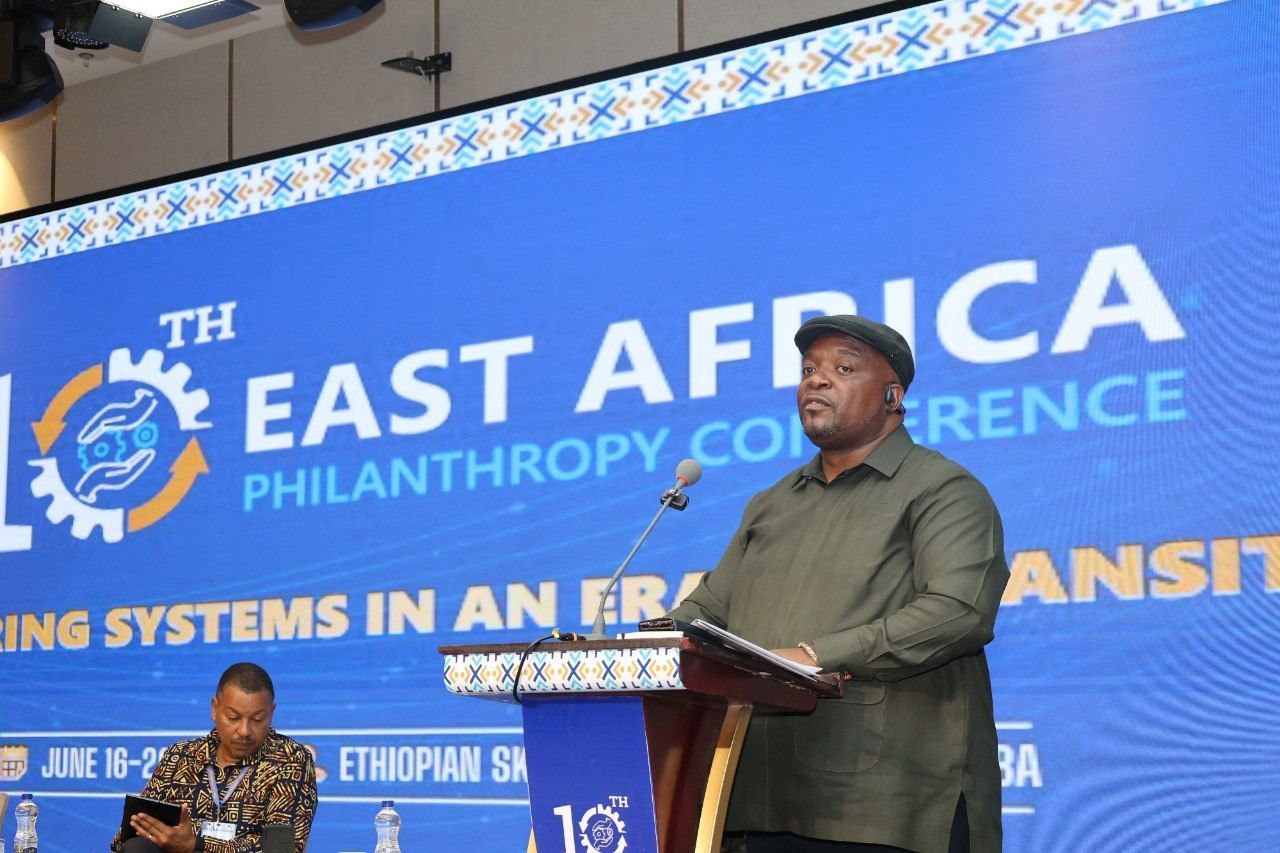
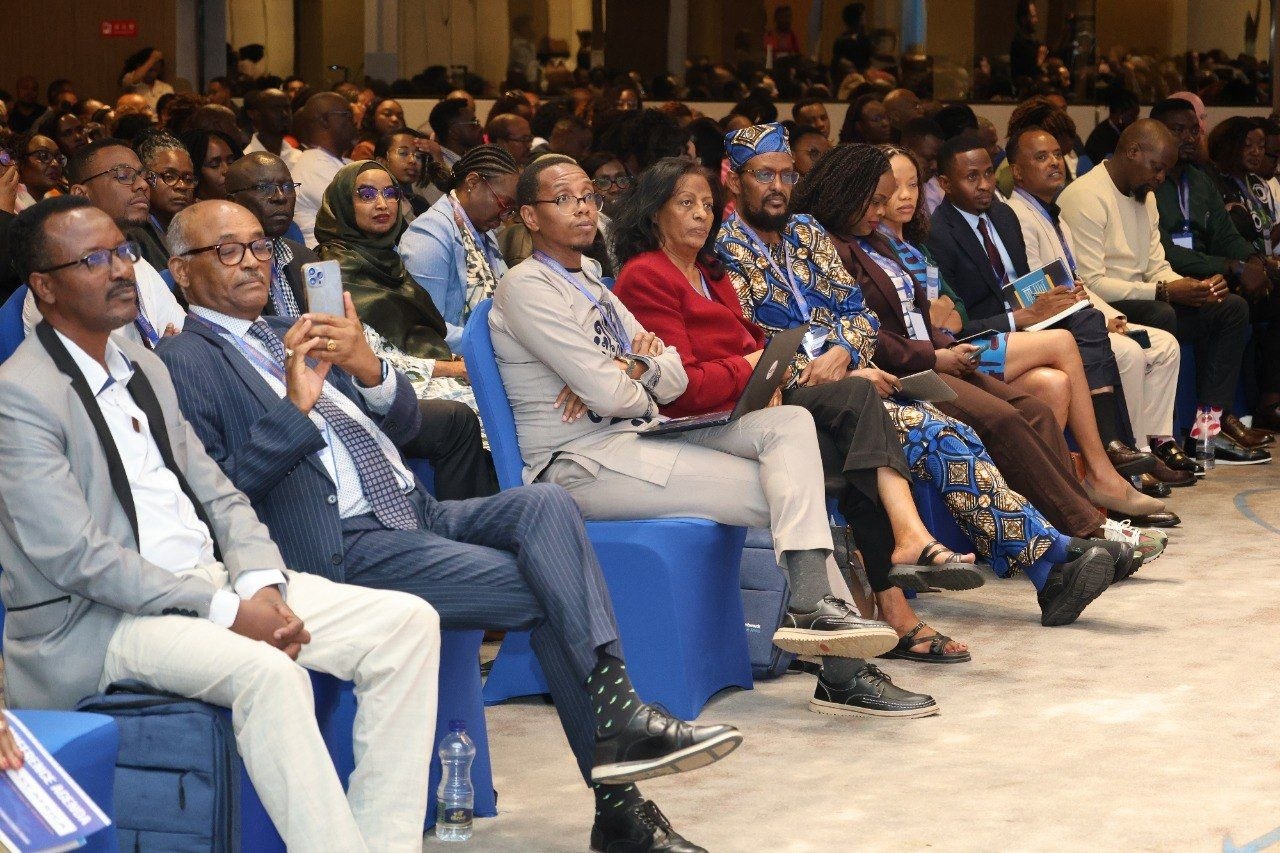
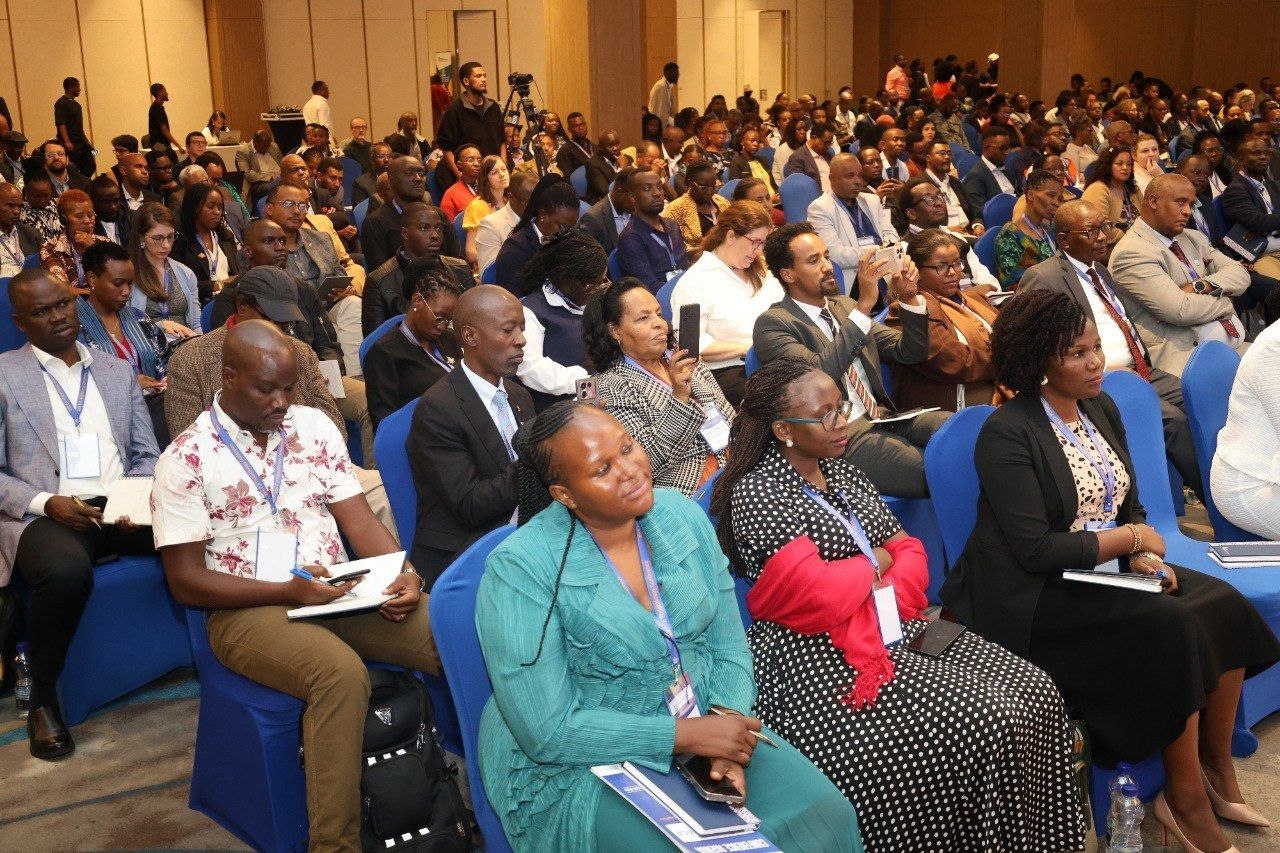
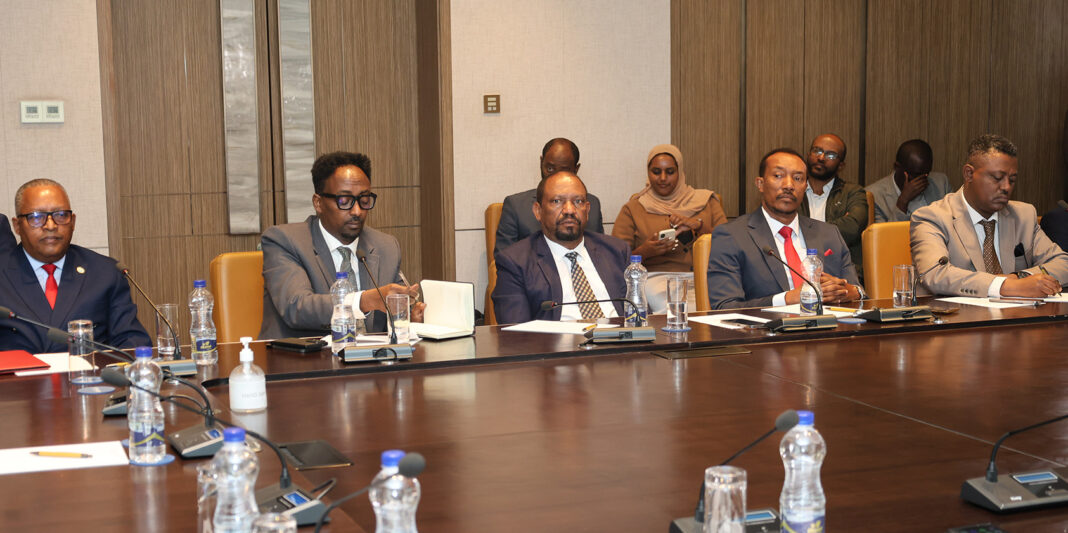
Leaders attending the 10th East Africa Philanthropy Conference in Addis Ababa highlighted this concern. According to them, less than 10 percent of global philanthropic funds flowing into Africa reaches African organizations directly. Instead, the vast majority of capital remains trapped within a complex web of intermediary organizations outside Africa, local branches of Western non-governmental organizations (NGOs) and global think tanks.
Critics argue that this structural exclusion has left African institutions as mere end users of capital rather than designers of their own development strategies. They contend that by routing most resources through Western intermediaries, NGOs and foreign thought leaders, the global philanthropic system dominates the narrative on African development and deliberately stifles radical or structural wealth redistribution initiatives.
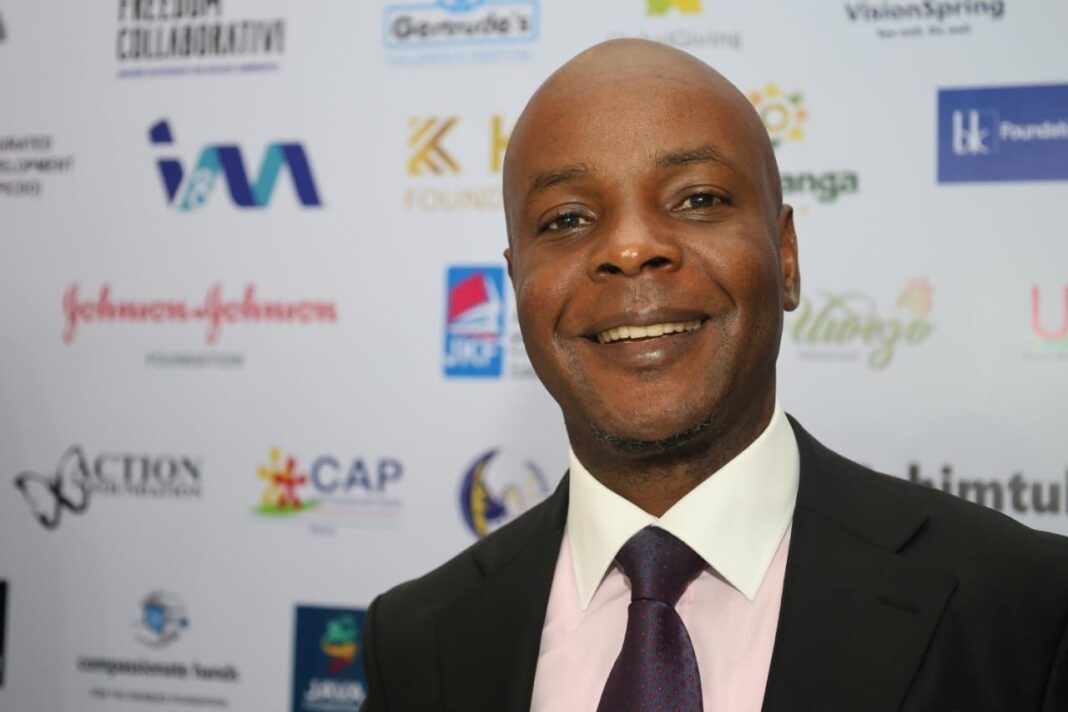
“Less than 10 percent of global philanthropic funds flowing to Africa reaches African organizations directly,” said Brian Kagoro, Managing Director of Programs at the Open Society Foundations. “The highest number of consultants and beneficiaries are not Africans. I accept that they love Africa; I accept that they employ Africans. But let’s face reality. In this new era, localization without sovereignty is merely an exercise in sanitized colonialism.”
Kagoro warned that unless African philanthropic organizations move beyond merely managing poverty and transition toward building structural economic systems, they risk becoming complicit in the exploitation of the continent.
“Philanthropy in Africa should not view itself merely as an aid sector; rather, it must be a platform to discuss continental security in an era where others want to contract us, exploit us and build neo-colonies,” Kagoro said. “If this platform does not change, and if we continue to only talk about how to make what we do more effective, we will become highly potent agents for the recolonization of Africa.”
Echoing criticism of frameworks imposed by the West, Evans Okinyi, CEO of the East African Philanthropy Network (EAPN), also pointed out that the legal and policy infrastructures governing philanthropy in many African countries remain deeply rooted in colonial-era mindsets.
Modern legal frameworks often force organizations into rigid categories — for-profit, non-profit or government — which ignores traditional and fluid African socioeconomic structures where communities blend business with social mutual aid.
Okinyi emphasized that changing this trajectory requires a fundamental psychological shift away from short-term emergency interventions toward long-term, sustainable infrastructure.
“This is a matter of mindset; it is a mindset challenge,” Okinyi said in an interview on the sidelines of the conference. “Many of the Western concepts we adopt on this continent are about short-term gains.
But the challenges we face on this continent are long-term challenges. Therefore, the solutions put into practice must incorporate long-term strategies.”
“We are out of the colonial era, but when we talk about inherited concepts, inherited frameworks and inherited tools from the Global North, colonialism is at work right there,” Okinyi said. “To break free from those chains, to change the narratives, to build our own frameworks, we must understand and appreciate that Africans have always been donors and philanthropists since ancient times.”
Kagoro warned that when domestic philanthropy remains weak, governments turn more toward private international creditors. While this approach creates cheap money in the short term, it ultimately increases national debt burdens significantly, thereby shifting the weight of interest rates back onto the low-income households that philanthropic organizations claim to help.
Rather than accepting a system where global elites gain legitimacy by supporting basic needs such as water and primary education, Kagoro called on African leaders to focus on capital creation, asset protection and growth. Pointing out that the African diaspora sends more than $100 billion back to the continent annually — a massive accumulation of capital — Kagoro said governments have failed to properly use these funds for structural economic transformation by linking them to technology, micro-processing or agricultural infrastructure development.